The Budapest issue
Traditional Hungarian Food in Budapest at Local Prices
Where to eat sólet, pörkölt and lángos in Budapest for what Hungarians pay, with the opening hours and booking rules that decide whether you get through the door.
By Giulia FerraroMarkets, lángos and long lunches
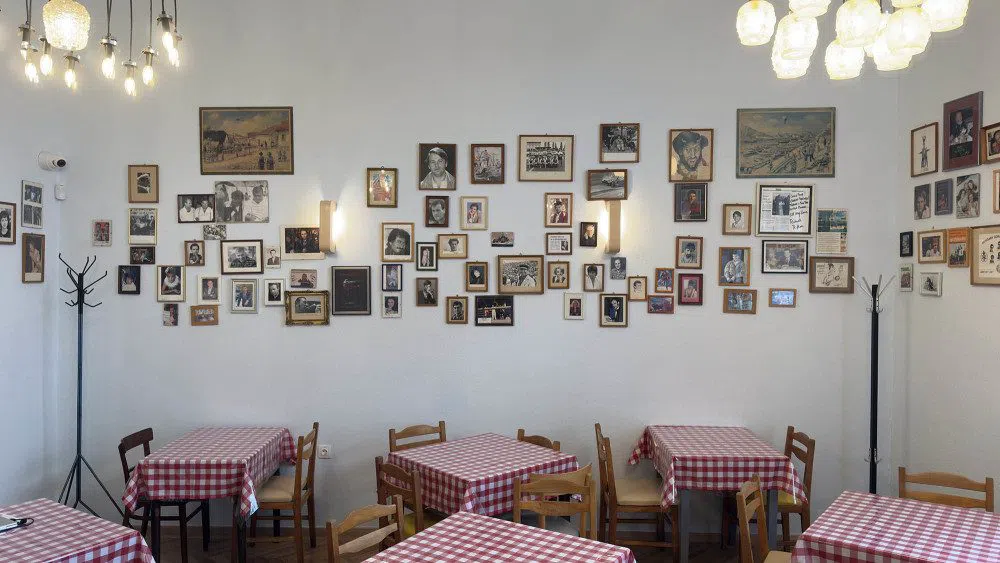
The sólet at Kádár Étkezde costs 3,670 forints, arrives with smoked tongue on top, and lands on a table you will probably be sharing with a stranger. Ten minutes' walk away, on a terrace with a laminated menu in five languages and a photograph beside every dish, you can pay three times that for a bowl of goulash somebody reheated from a bag. Hungarian food in Budapest is cheap when you know where to eat it and expensive when you don't, and the difference is mostly a question of knowing what time the good places close.
Lunch is the meal that decides your budget
The cheap end of Hungarian eating is built around lunch, not dinner. The étkezde (canteen) and the kifőzde (cook-shop) exist to feed people who work nearby, so they open in the morning, serve a rotating handful of soups and mains, and pull the shutters down while you are still thinking about an aperitif. Plan every meal for eight in the evening and you have locked yourself out of the entire bottom half of this list, and doubled your food bill before you have ordered anything.
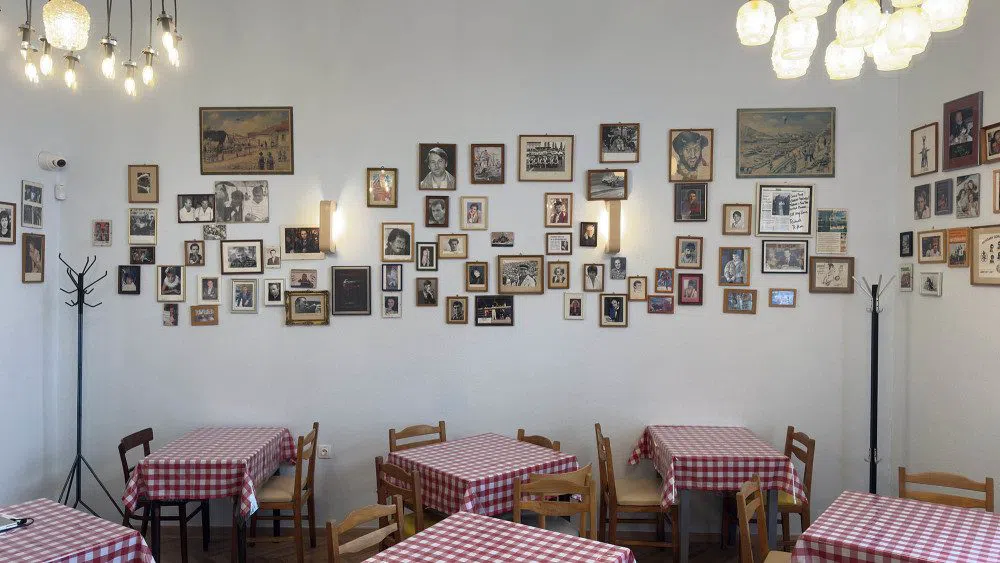
Kádár Étkezde (Klauzál tér, District VII) is the one to build a day around. It opened in 1957, went dark through the pandemic, and reopened in September 2025 under Károly Gerendai with essentially the old menu: soup at around 1,760 HUF, most mains under 3,000 HUF, and the sólet with smoked tongue at 3,670 HUF, now a permanent fixture rather than a once-a-week event. Order it. It is a slow-cooked bean and barley dish out of the Jewish kitchen of this district, rich enough that you will not want a starter, and the smoked tongue is the point rather than a garnish. The room is small and single, with shared tables and soda siphons on them; four to six people fit, a party of ten does not. Tuesday to Saturday, 08:30 to 17:00, closed Sunday and Monday.
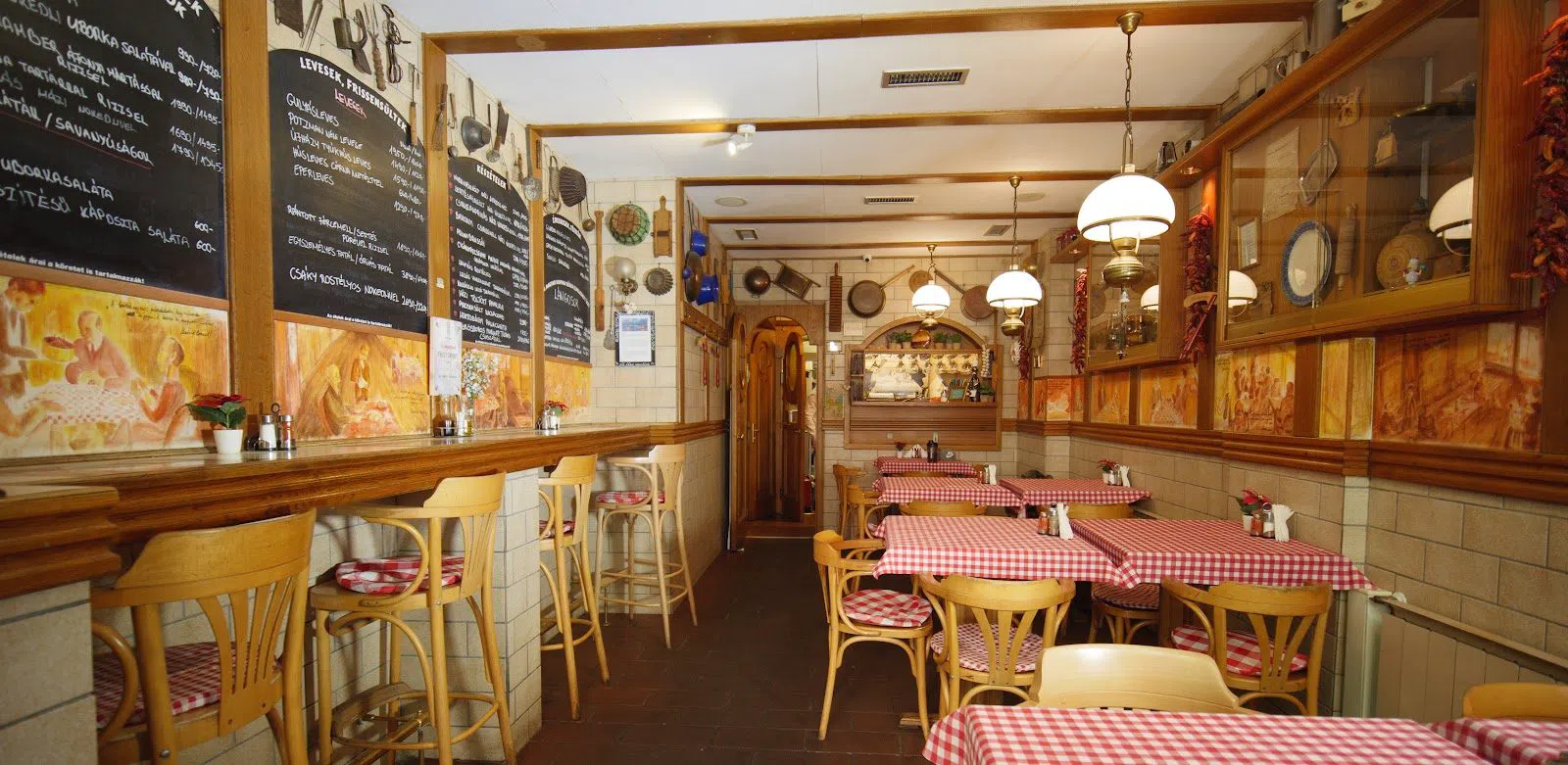
Kisharang Étkezde (District V, two minutes from St Stephen's Basilica) is the answer to the standard complaint that everything near the Basilica is priced for people who will never come back. Kisharang is priced for the office workers around it, with soup plus a main sitting comfortably under 5,000 HUF, and it holds that line despite standing on some of the most photographed pavement in the city. It takes no reservations and is very small: two or three of you will get a table, six of you will be standing in the street. It is open daily 11:30 to 22:00, which is unusually late for this kind of place and makes it a rare cheap dinner in the Fifth. There is a queue at 1pm. Go at 11:45 or after 2.
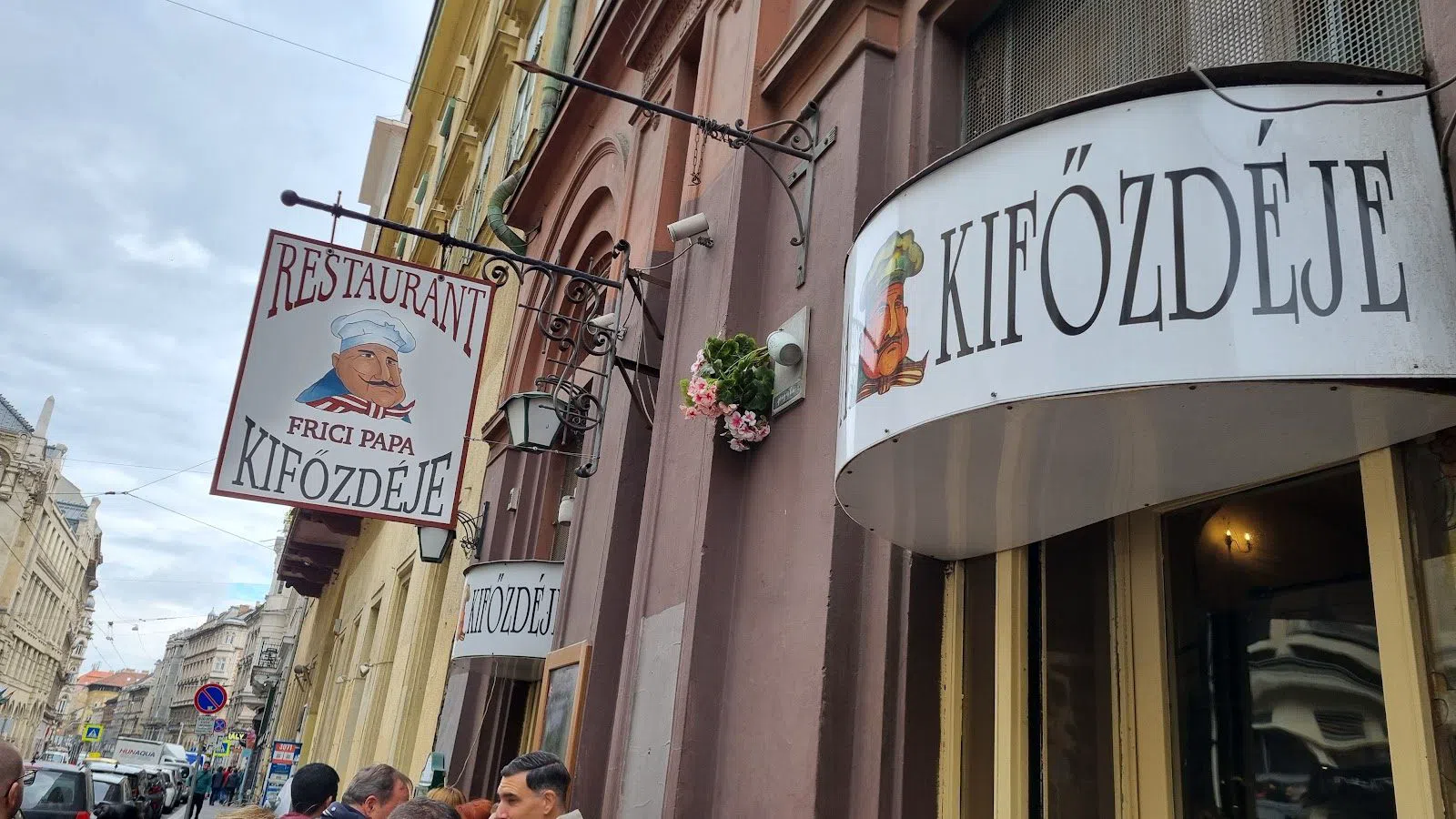
Frici Papa Kifőzdéje (Király utca, District VI) has been open since 1997 in the middle of what became the party district, and has somehow never adjusted its prices to match its postcode. It is the cheapest sit-down Hungarian food in central Pest. The room is charmless: strip lighting, laminate, a queue at the till. The two floors swallow walk-in groups better than anywhere else at this price, since it takes no bookings at all. Monday to Saturday, 11:00 to 21:30, closed Sunday. Go for the food and the arithmetic, not the setting.
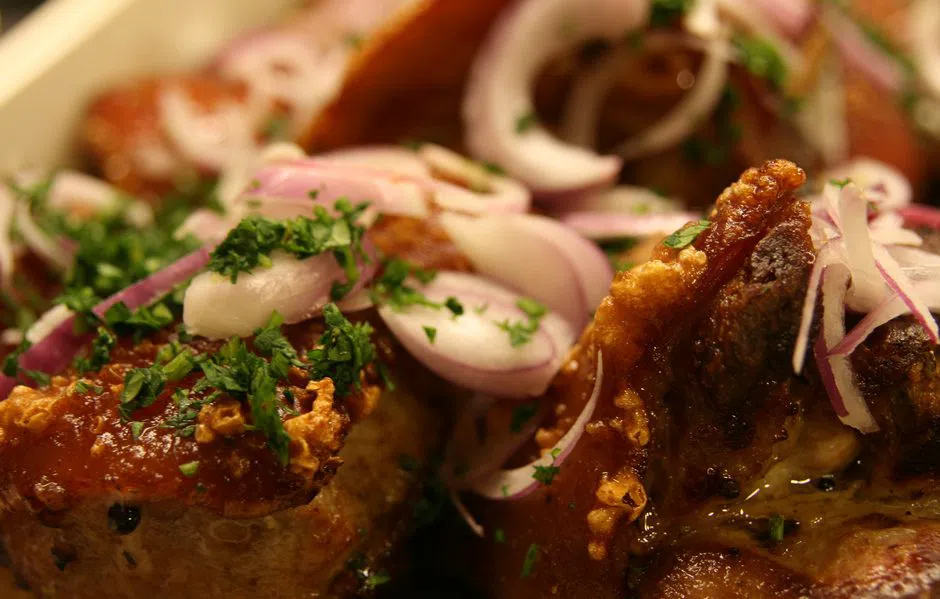
Belvárosi Disznótoros (Károlyi Mihály utca 17, District V, plus Király utca 1/d and Etele Pláza) is barely a restaurant. You stand at a butcher's counter, point at what you want, and it is grilled and handed to you on a paper-lined plate with bread and pickles. A plate of roast sausage runs a few hundred forints over 2,000 HUF, the cheapest hot lunch in the city centre by some distance. Everyone eats standing at shoulder-height shelves, so a group can pile in happily but nobody sits down together. Check the hours before you make a plan of it: the Károlyi Mihály branch shuts at 6pm on weekdays and 5pm on Saturday. This is lunch, not dinner.
Plan your Budapest trip
Live prices from our booking partners.
Free cancellation on many rooms. We may earn a commission when you book.
The market hall settles the argument about where to eat
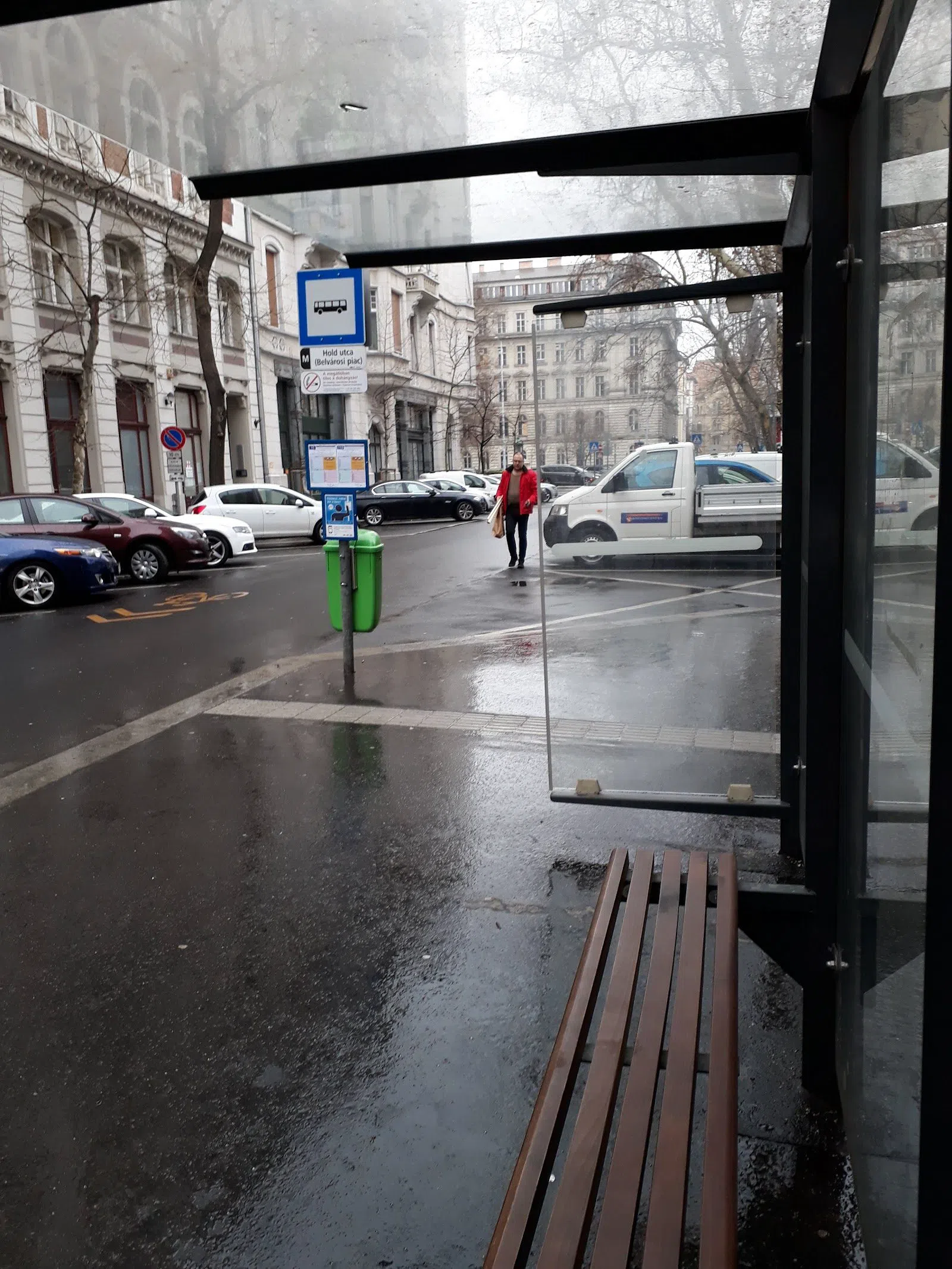
When four people want four different things, Belvárosi Piac (Hold utca, District V) is the easiest room in Budapest. It is the neighbourhood market for the ministries around Szabadság tér, with a gallery of small kitchens above the produce stalls; everyone queues at a different counter and meets at a shared table, and a full lunch typically lands between 2,500 and 5,000 HUF. Because its regulars are civil servants rather than visitors, the pricing has never drifted. Two things to know. It closes on Sundays and shuts by early evening, so it is another lunch plan. And Stand25, which a surprising number of guides still place upstairs here, moved out to Buda years ago. Come looking for it and you will be disappointed by a building that has done nothing wrong.
Dinner that does not carry a tourist surcharge
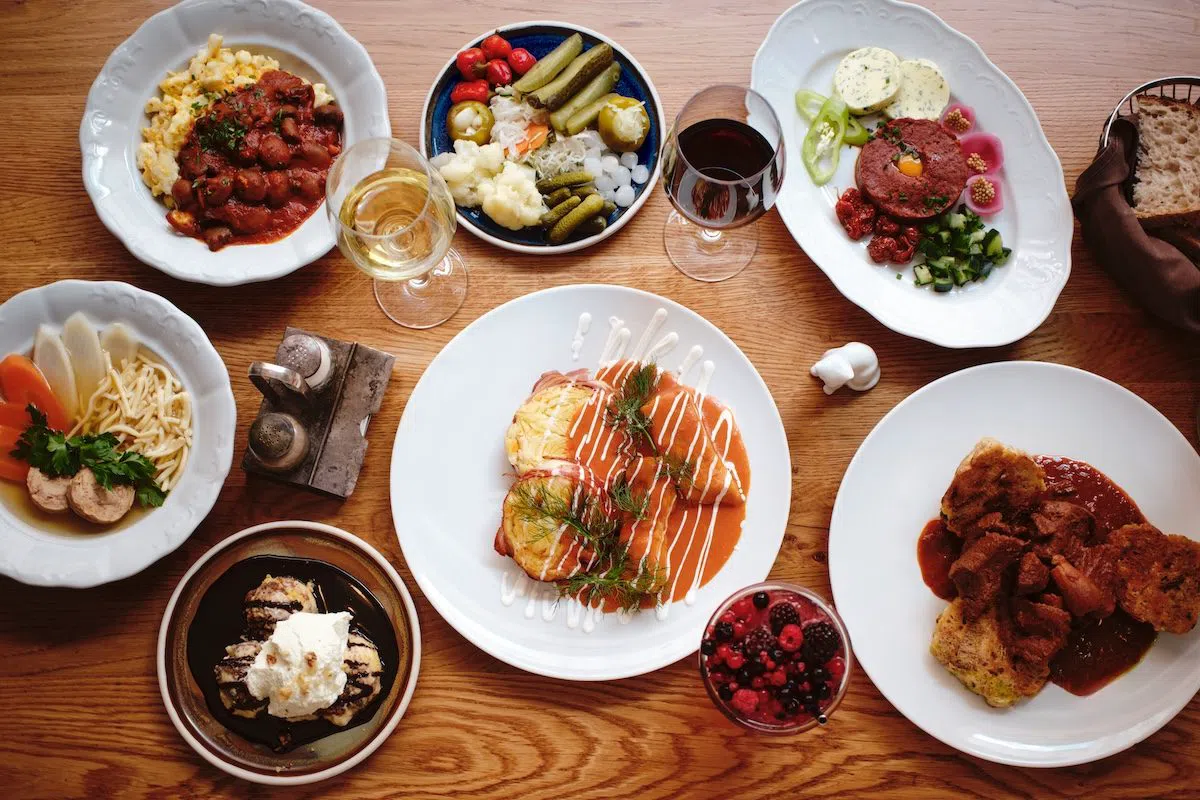
Gettó Gulyás (District VII) does fourteen different stews, from ordinary beef pörkölt through to rooster and venison, and that range is a far better education in Hungarian cooking than a fourth bowl of goulash soup. Mains run roughly 4,500 to 8,000 HUF. It is open daily from noon to 11pm and it is very often fully booked, so reserve online, well ahead, and assume that walking in with more than two people will not work. If you want one dinner that explains what pörkölt is as a technique, this is it.
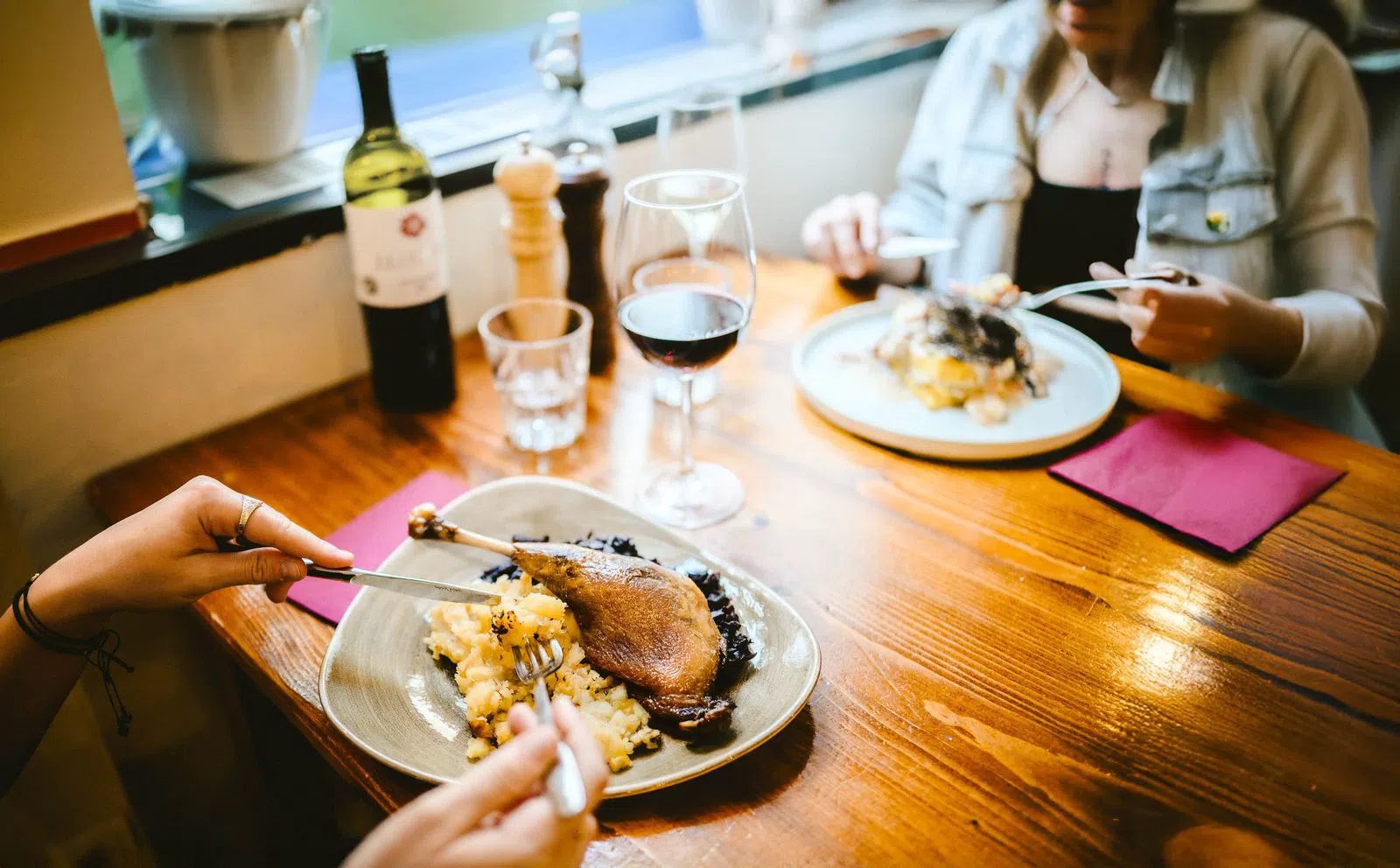
Kőleves Vendéglő (District VII) has spent more than twenty years holding the line on Hungarian and Jewish classics while the rest of its street chased the party crowd, and mains sit in the same 4,000 to 8,000 HUF band. It is one of the better group options in the district: the restaurant takes bookings and the garden nearby absorbs large parties. The catch is that the garden keeps separate, later hours from the restaurant, so be clear about which one you are booking. Turning up at a bar garden expecting a full kitchen is a specific and avoidable disappointment.
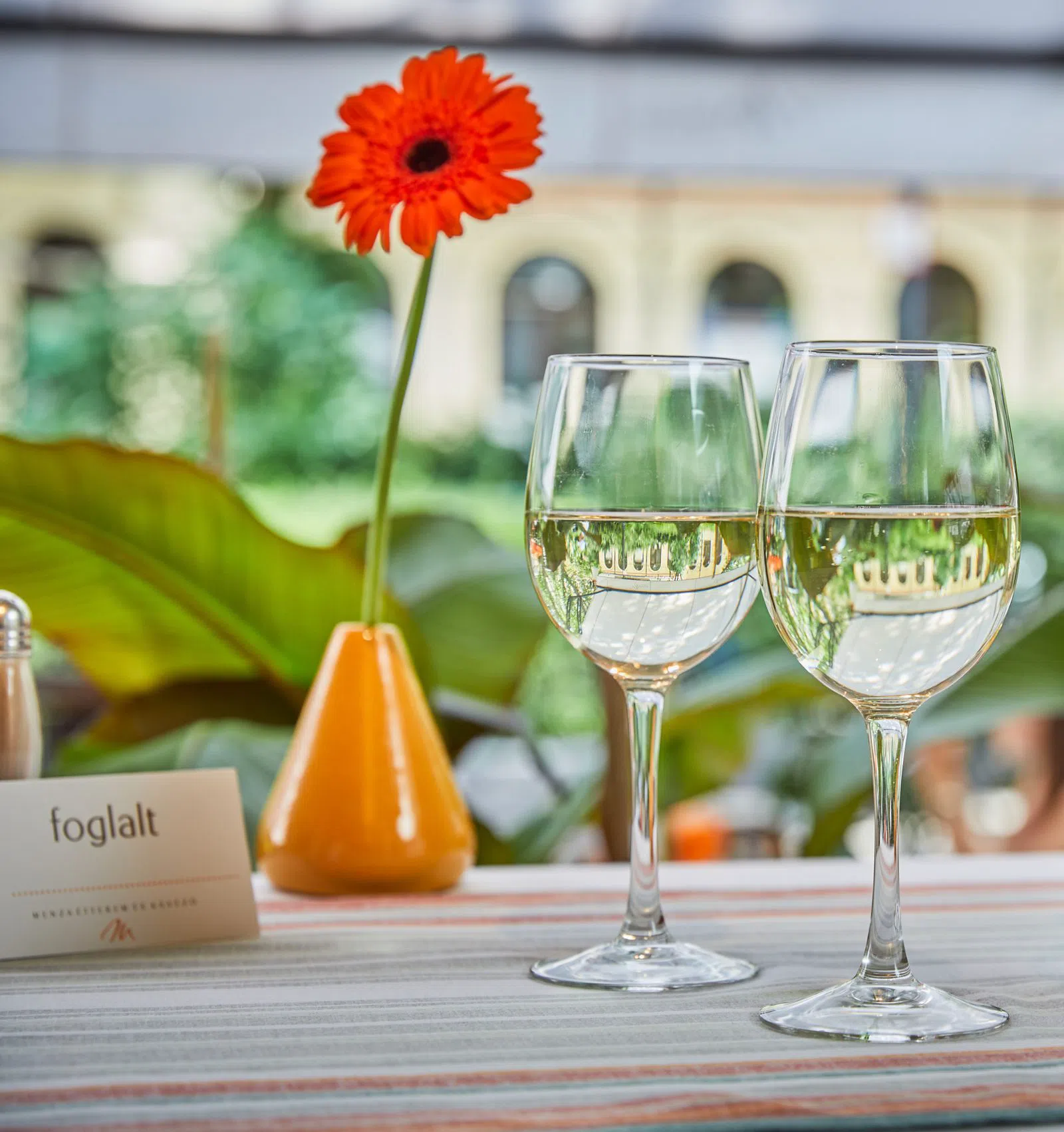
Menza Étterem és Kávéház (Liszt Ferenc tér, District VI) plays a joke with a straight face: the name means 'canteen', the room is styled as a 1970s one, and the cooking is entirely serious. The goulash, the beef pörkölt with nokedli (the small irregular dumplings that exist to mop up paprika sauce) and the mákos guba, a warm poppy-seed bread pudding, are all properly done. Mains are roughly 4,500 to 8,500 HUF. Liszt Ferenc tér is a touristed square and most of what stands on it deserves the scepticism; Menza is the one that holds up, and it serves until midnight, which makes it useful on the night everything cheaper has already closed. Large room, big square terrace, reservations advisable in warm weather.
Regős Vendéglő (Terézváros, District VI) is a short walk off Andrássy út and almost entirely local, which is exactly what you want after three days of English menus. It is cheap to mid, well under central Pest prices for the quality, and family-run in small rooms; phone ahead and a table of eight is workable. It runs two services a day, 12:00 to 15:00 and 18:00 to 22:00 with the kitchen closing at 21:30, so it does not suit a late dinner. Book it. Walking in on spec is how you end up somewhere worse.
Three places to book before you fly
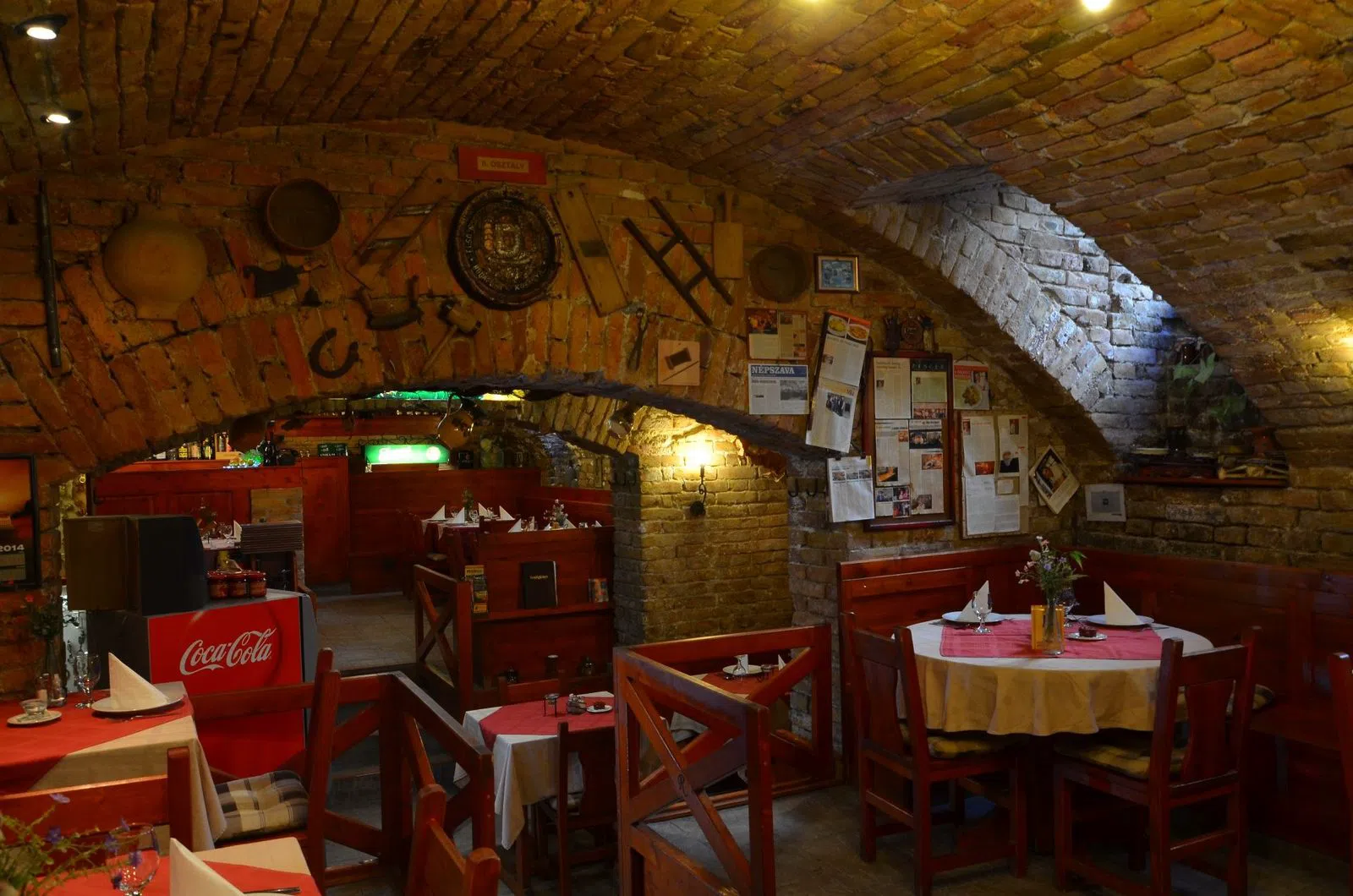
Hungarikum Bisztró (central Pest) is reservation-only, online-only, and booked out weeks in advance. If you want to eat here, do it from home before you pack. Mains span 3,500 to 14,000 HUF and there is a 15% service charge on top of every listed price, which you should put into your budget rather than discover at the end. The useful lever is the half portion at 70% of the price: order two halves rather than one main and you get more of the menu for slightly more money. Online booking handles up to 12; anything larger needs a phone call.
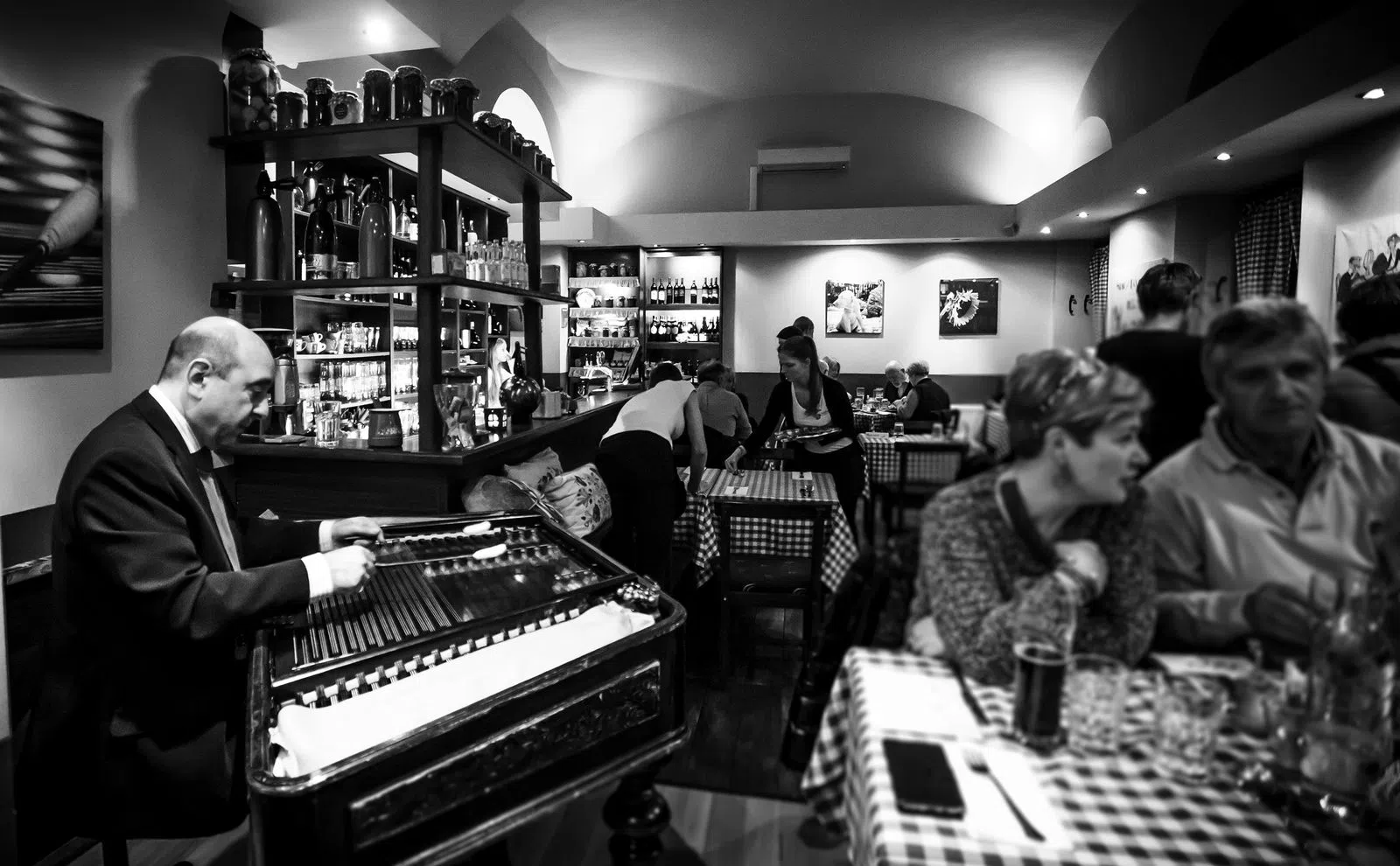
Rosenstein Vendéglő (by Keleti station, District VIII) is the most expensive of the home-cooking restaurants here and still fair for what arrives at the table. Two generations of the Rosenstein family have been cooking Hungarian and Jewish dishes for over twenty years, and Time Out named it Budapest's best Hungarian restaurant of 2025. The address looks wrong (a station forecourt neighbourhood, no view, no charm on the approach) and it is not. Monday to Saturday, noon to 11pm, closed Sunday. Reserve ahead for weekend evenings; the family is used to long tables.
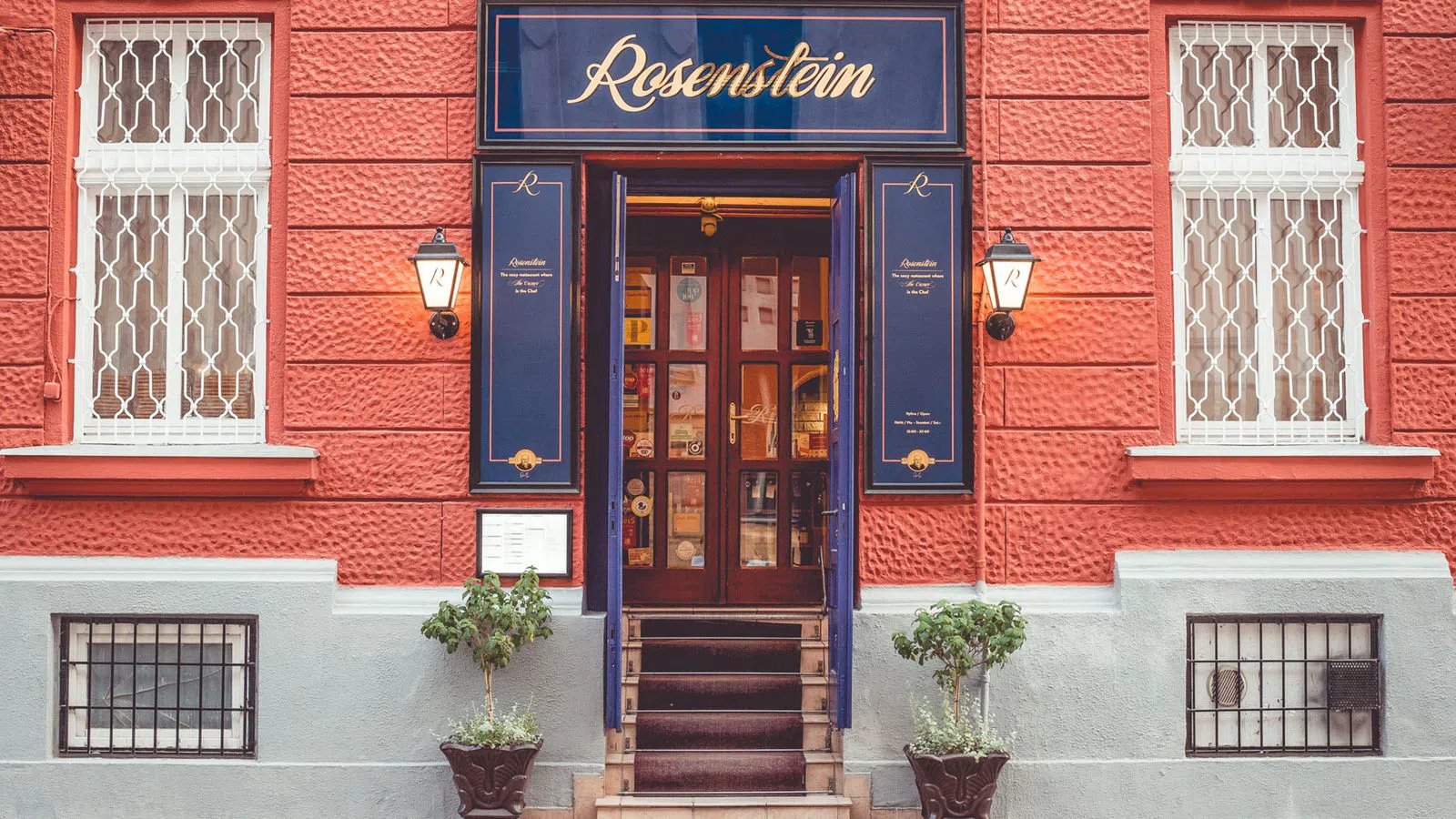
Stand25 Bisztró (Attila út 10, Buda) is Tamás Széll and Szabina Szulló's bistro and carries a Michelin Bib Gourmand, the guide's marker for good value. Dinner à la carte climbs; the 12:00 to 16:00 lunch is the cheapest way in and the one I would send anyone to. It is closed Sunday, the room is small, and private gatherings are handled by booking directly. Note the address again: Attila út in Buda, not the Hold utca market where older guides still put it.

The tram ride that pays for itself
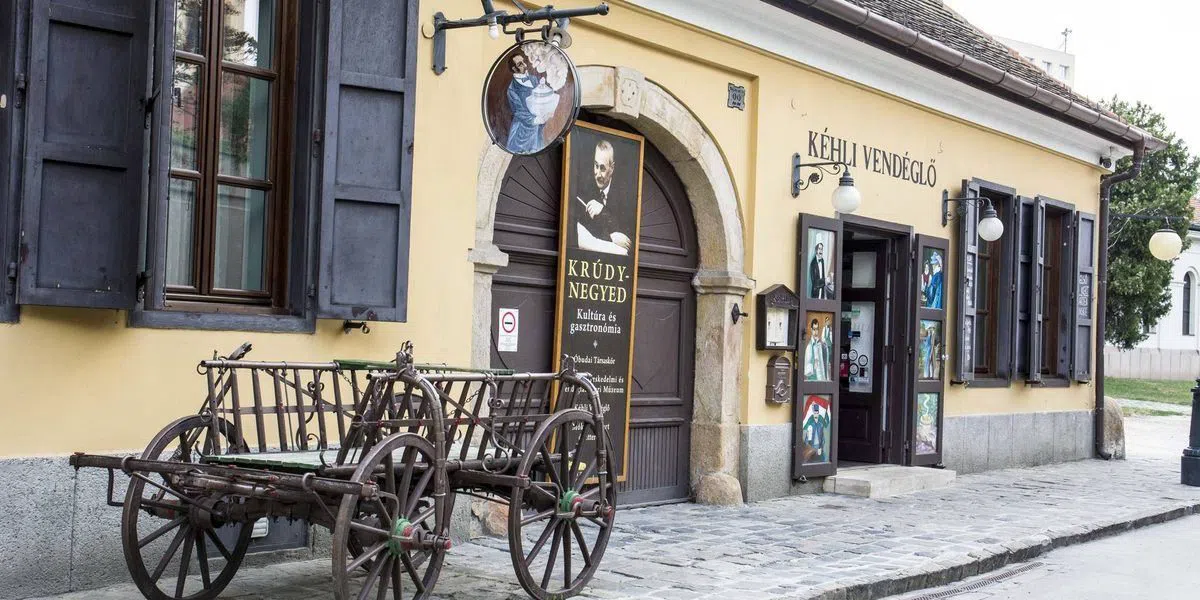
Kéhli Vendéglő (Óbuda, District III) has been open since 1899 and was the regular haunt of the writer Gyula Krúdy, who lived around the corner. Order the bone marrow on toast, the dish he made famous, served with toast, salt and a raw garlic clove to rub across the bread, and one of the few genuinely old things on any Budapest menu that is still cooked with conviction. Prices are a clear step up from the canteens and remain far below what the Castle District charges for less. It is closed on Mondays and dinner-only on Tuesdays. Óbuda is a tram or suburban-train ride out of the centre, and that distance is precisely why the bill is sane. It is also built for groups: personalised menus and custom table layouts, booked by phone or email.
The Castle District has exactly one honest address
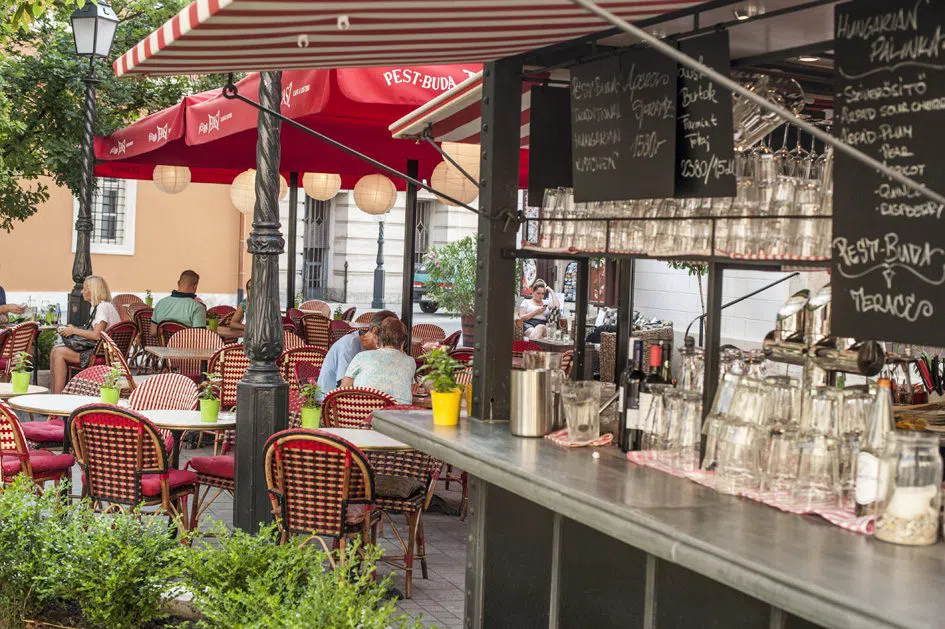
The Castle is where visitors get fleeced hardest in this city: a UNESCO hill, a captive audience and a long walk back down do predictable things to menu pricing. Pest-Buda Bistro (Hess András tér, Castle District) is the address that declines to do it. It is one of Budapest's oldest hospitality venues, serves breakfast through to dinner daily until 10pm, and is mid-upper for the area, which is to say reasonable given where it stands. It takes group bookings, and the Hess András tér terrace is the larger space in season. Eat here, and you can spend the morning on the hill without treating lunch as a loss.
Late lángos and the cake worth crossing town for
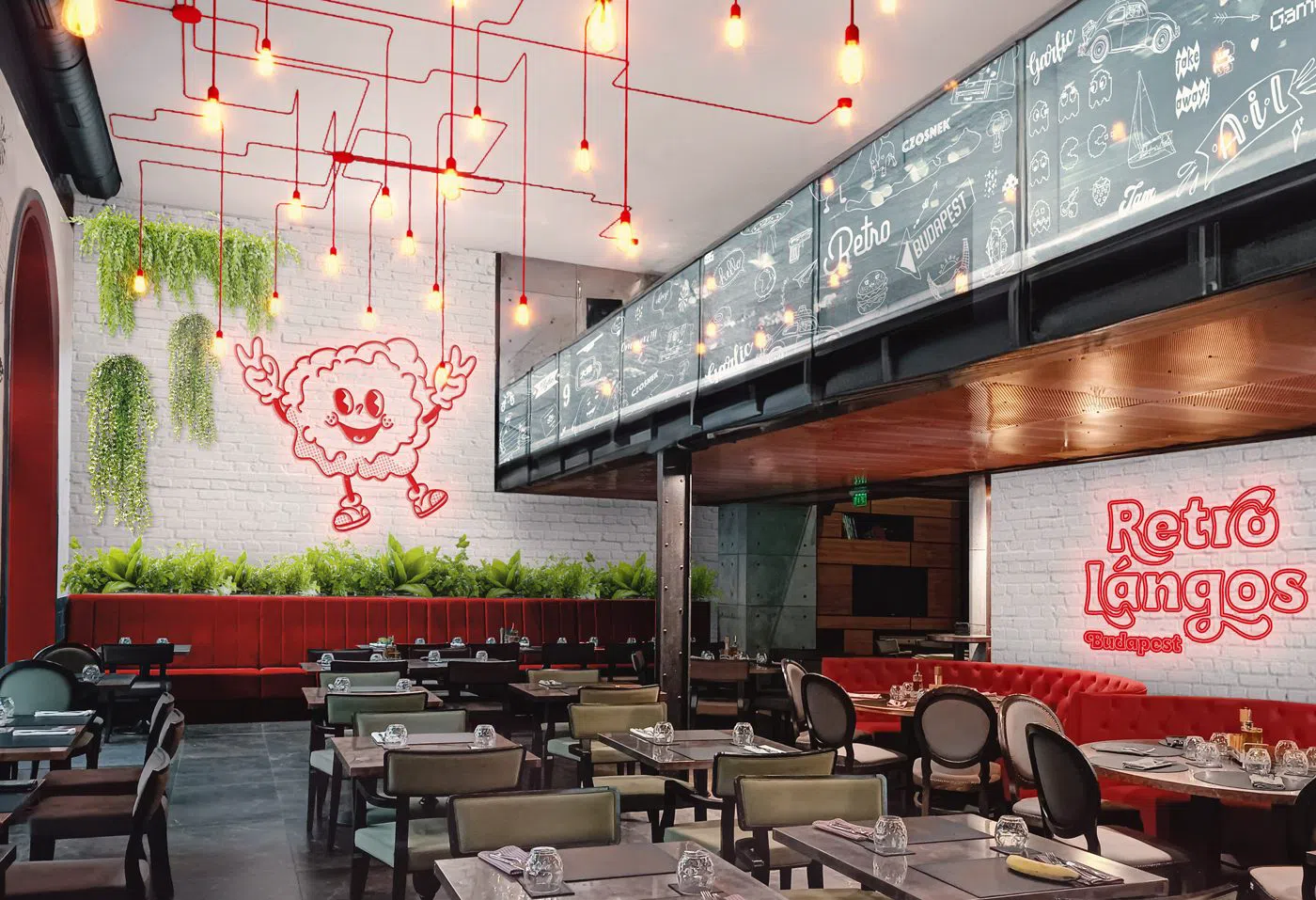
Retro Lángos Budapest (Bajcsy-Zsilinszky út 25, at Arany János utca metro) has been frying lángos since 2011 and runs to thirty-plus versions, gluten-free and vegan included. Most sit between 1,500 and 3,000 HUF. Start with the classic, sour cream and grated cheese and nothing else, before you experiment. The Bajcsy-Zsilinszky branch stays open until 6am on Friday and Saturday, which makes it the honest late-night alternative to the ruin-bar kitchens charging four times as much to people in no state to notice. Counter service, almost no seating; fine for a group in motion, hopeless for a sit-down.
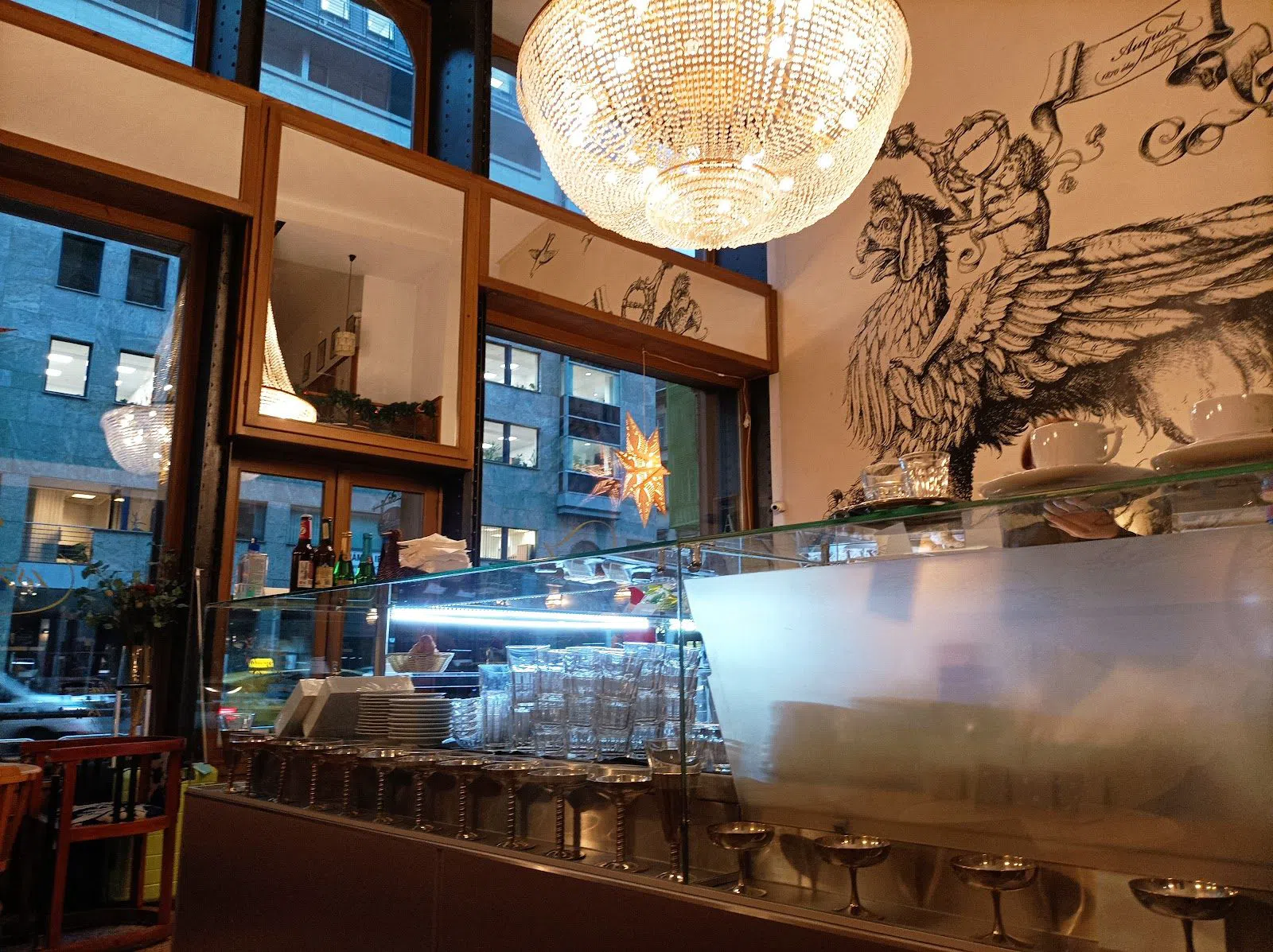
Auguszt Cukrászda Belváros (Kossuth Lajos utca, District V) is where I take the cake budget. The Auguszt family has been baking since 1870, five generations of it, and the Kossuth Lajos utca shop charges local prices for the same krémes (custard slab between two sheets of pastry) and dobos torta that the famous Belváros grand cafés mark up several times over. Coffee and a slice cost a fraction of the equivalent order under a painted ceiling. There are only a handful of tables, so either your group takes the room over or you take a box away. Tuesday to Saturday, 10:00 to 18:00, closed Sunday and Monday.
Practical notes
Getting around. Almost everything above sits inside Districts V, VI and VII and is walkable, with the M1 under Andrássy út and trams 4 and 6 on the ring road covering the gaps. Kéhli in Óbuda takes about fifteen minutes on the HÉV suburban train from Batthyány tér or on tram 17; Stand25 and the Castle District are both a short bus or funicular hop across the river. Buy travel on the BudapestGO app rather than hunting for a ticket machine, and validate before you ride.
Cash and cards. Cards work almost everywhere now, but the smallest canteens and counters can still be cash-first, so keep 10,000 to 15,000 HUF in your pocket. When a card terminal offers to charge you in your own currency, always decline and pay in forints. The conversion rate offered is never in your favour. Withdraw from a bank's own ATM rather than the freestanding machines on tourist streets.
Timing. The single most useful habit is eating your Hungarian lunch at 11:45 rather than 13:15, when Kisharang and the market hall counters have queues out the door. Remember that Kádár, Kisharang and the market are all closed on Sunday in whole or in part, that Frici Papa and Stand25 close Sunday too, that Kéhli closes Monday, and that Rosenstein and Hungarikum need booking days or weeks out. A Sunday arrival with no plan is how people end up on a terrace with a photo menu.
Budget. Two canteen lunches and a market lunch will cost less per person than one mid-range dinner on a tourist square. A realistic pattern for three days: lunch at 3,000 to 5,000 HUF, a proper dinner at 8,000 to 12,000 HUF before drinks, plus 2,000 HUF for cake or a late lángos. Where you sleep matters more than it looks. Stay in the Fifth, Sixth or Seventh and this entire list is on foot, which is worth checking on a Budapest hotel search before you book somewhere that commits you to a taxi at every meal. For thermal baths, the Danube walk and what else is worth your days here, start with the wider Budapest guide.
Before you go
How much should a traditional Hungarian lunch cost in Budapest?
At a proper étkezde or kifőzde, soup plus a main comes in under 5,000 HUF per person, and often well under 3,000 HUF for the main alone. Kádár Étkezde charges around 1,760 HUF for soup and under 3,000 HUF for most mains, and a stand-up plate at Belvárosi Disznótoros is a few hundred forints over 2,000 HUF. A sit-down dinner at a mid-range Hungarian bistro runs roughly 4,500 to 8,500 HUF for a main before drinks. If you are paying much more than that for goulash, you are paying for the terrace.
Why do the cheapest places in Budapest close so early?
Because they were built to feed people at work, not visitors on holiday. The étkezde and the kifőzde are lunch places: Kádár Étkezde runs 08:30 to 17:00 Tuesday to Saturday, the Károlyi Mihály branch of Belvárosi Disznótoros shuts at 6pm on weekdays, and Belvárosi Piac closes by early evening and all day Sunday. Plan your cheap eating for the middle of the day and save the bookable restaurants for the evening.
Which Budapest restaurants need booking in advance?
Hungarikum Bisztró is reservation-only and online-only, and books out weeks ahead: do it before you travel. Gettó Gulyás rarely accommodates walk-ins, particularly for more than four people. Rosenstein Vendéglő needs a reservation for weekend evenings, Regős Vendéglő is phone-booked and recommended, and Kéhli Vendéglő takes group bookings by phone or email. The canteens (Kádár, Kisharang, Frici Papa) take no bookings at all, so turn up early instead.
Where can I eat Hungarian food late at night in Budapest?
Menza on Liszt Ferenc tér serves until midnight and is the reliable sit-down option when the canteens have closed. Kisharang Étkezde stays open to 22:00 daily, which is unusually late for a canteen. After that, the Bajcsy-Zsilinszky út 25 branch of Retro Lángos runs to 6am on Friday and Saturday, with most lángos between 1,500 and 3,000 HUF, better at that hour than the ruin-bar kitchens.
Is the Castle District always a tourist trap for food?
Mostly, yes: it is where visitors get overcharged hardest in Budapest. The exception is Pest-Buda Bistro on Hess András tér, one of the city's oldest hospitality venues, serving breakfast through dinner daily until 10pm at prices that are reasonable for where it stands. Book a table or take the terrace in season, and you can spend a morning on the hill without an expensive lunch attached.