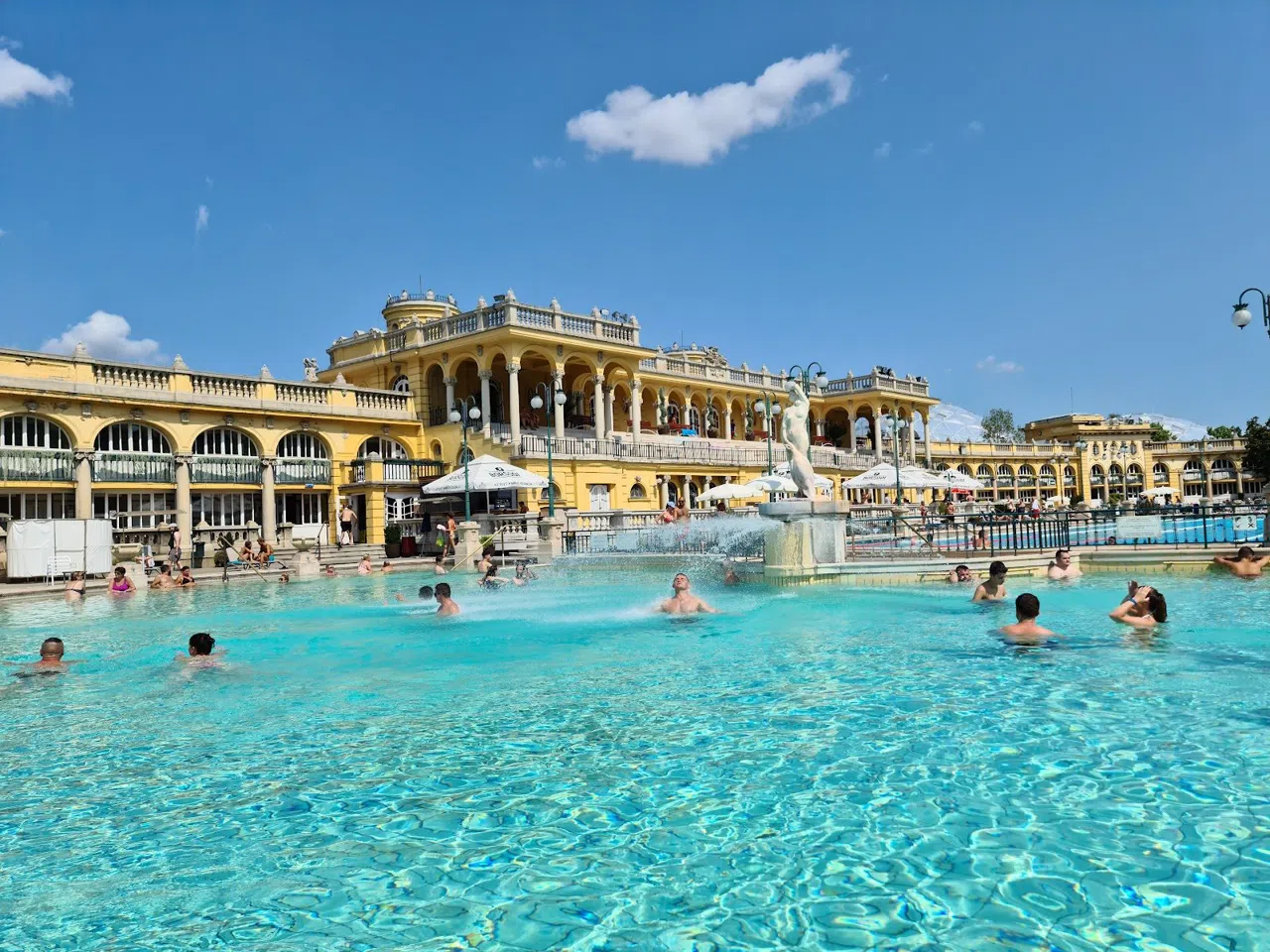

At half past seven on a November morning, the big outdoor pool at Széchenyi is doing something faintly absurd. Thirty-eight degree water under a near-freezing sky, steam lying flat on the surface like a lid, forty people in it and almost nobody talking. By one in the afternoon that same pool holds several hundred, the changing corridors are a scrum and the queue runs out of the door. Which of those two baths you buy a ticket for is the whole decision.
What fifteen pools actually feel like
Széchenyi Thermal Bath (Széchenyi Gyógyfürdő) sits in Városliget, the City Park, in District XIV, a mustard-yellow neo-baroque pile that looks more like a provincial opera house than somewhere you go in a swimsuit. Fifteen pools in total. Three of them are outdoors in the grand courtyard everyone has seen in photographs: one hot thermal pool at around 38°C, one cooler pool with roped lanes where serious locals actually swim lengths, and a circular whirlpool that spins you round and is exactly as silly and as fun as it looks.
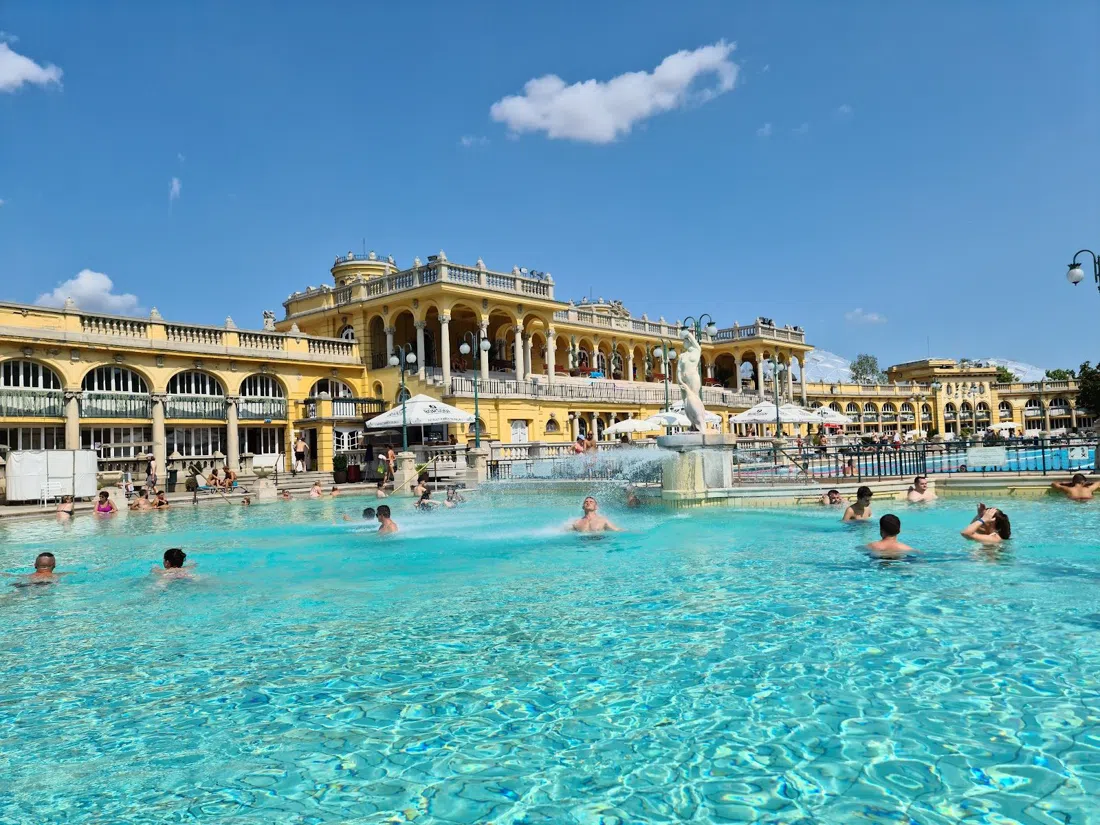
The rest is indoors, and it is a warren. Thermal pools stepped through a range of temperatures, sauna cabins, steam rooms, cold plunges, tiled corridors that all look the same until you have walked them twice. Give yourself ten minutes of being lost. Everyone is.
The water is a mineral cocktail and on a still morning you smell it before you are through the turnstile, a faint sulphurous edge that most people stop noticing within a quarter of an hour. It is not unpleasant. It does get into your swimsuit, though, and it will still be there two washes later if you do not rinse the thing properly before you leave.
The chess boards are real, not a postcard prop. They sit at the edge of the hot outdoor pool, players leaning in over them with the water at chest height. You will see them far more reliably in the morning than in the afternoon crush. Do not expect an invitation to play. Watch from a respectful metre away and move on.
How long to give it
Three hours is the honest number. Under two and you are rushing the indoor circuit; over four and your fingertips have gone to pulp and you are paying for pool time you are not using. A decent rhythm: indoor thermal pools and one sauna round first, outdoor hot pool in the middle when your body has stopped registering the cold air, lane pool at the end if you want to feel like you have done something rather than just marinated.
Add twenty minutes at each end for the cabin, the shower and the slow business of getting dry in a humid building.
Tickets, the cash desk and the queue you can skip
Buy online. That is the whole advice. The walk-up desk is the entrance opposite the Circus, it is card only, and at midday the line for it is the single worst part of the visit.
Door prices with a locker run 13,200 HUF on a weekday, 14,800 HUF Friday to Sunday and 15,800 HUF at peak, roughly €34 to €41. Fast Track, which buys you past the cash-desk queue rather than any queue inside, is 15,200 to 17,800 HUF. The one that changes the day is the 'Good Morning' entry before 9am, from 10,500 HUF. It is the cheapest ticket and the best bath of the week, which almost never happens anywhere.
A guided or pre-packaged entry option exists and runs seven days a week, if you would rather someone else handled the ticketing. Be clear-eyed about the maths: those packages start from around 64 USD per person against a 13,200 HUF weekday door price, and across the bookable options here there are 8,236 traveller reviews, with the most-booked one rated 3.8 out of 5 from 2,348 of them. That is a lot of people paying a premium for convenience and coming away merely fine about it. If you can operate a website in a foreign language, you do not need the middleman.
Who gets in and what the door expects
Since 1 August 2025 Széchenyi is strictly 14 and over. No children, no exceptions, no family session. If you have turned up as a family, one adult soaks while the other takes the kids elsewhere in the park, and there is more on where below.
There is no door policy beyond that. No dress code, no reservation snobbery, groups are welcome and normal. Stag and hen parties are a known quantity here and the staff are unbothered by them, which cuts both ways: if you want silence, you want the morning, not a Saturday.
Bring flip-flops. The floors are wet stone and long corridors. Bring a towel or rent one, bring a padlock habit. You get a locker or a cabin depending on your ticket, and the cabin is worth the small upgrade if you are two people sharing kit. Swim caps are not a general requirement for the thermal pools. Phones survive the courtyard fine but there is nowhere dry to put one down, so take the picture and put it away.
Best time to go
Before 9am, any day. The cheapest ticket, the emptiest water, the chess players, and steam you can actually photograph because there are not two hundred shoulders in the frame. Nothing else on this page will improve your visit as much.
Friday evening is the runner-up. Pools run to 22:00, the light on the yellow facade after dark is the other great version of this place, and the afternoon coach traffic has drained out by seven.
November to February is the season. Cold air over hot water is the entire point. Floating outdoors at 38°C with frost on the railings is the thing people fly here for, and winter is also when the indoor circuit stops feeling like a consolation prize. Summer is pleasant and much more crowded, and the outdoor hot pool is a harder sell at thirty degrees of air temperature.
Avoid midday on Saturday and Sunday: highest price tier, longest cash-desk queue, and the courtyard at its most elbow-to-elbow.
One Monday warning. The bath is open, but most of the museums around it are shut, so a Monday soak pairs with very little.
Is it worth it
Yes, with a condition attached. At midday in August, for 15,800 HUF, queuing on a pavement to swim in a crowd, it is a tourist processing plant and you will leave slightly annoyed. At 8am on a cold Tuesday for 10,500 HUF it is one of the genuinely great urban experiences in Europe, and there is nowhere else in the park where you can float outdoors at 38°C in November.
It suits couples, solo travellers who like being left alone, and groups of friends who want a low-stakes shared afternoon that does not involve drinking. It does not suit families with under-14s, anyone who needs quiet at any hour they choose, or people who dislike the feeling of a public changing room. If you want a small, hushed, historic bathhouse, this is not the one. Széchenyi is big, loud and magnificent, in that order.
Eating within five minutes of the towel
You come out of the water hungry and slightly damp, and that state determines where you should go.
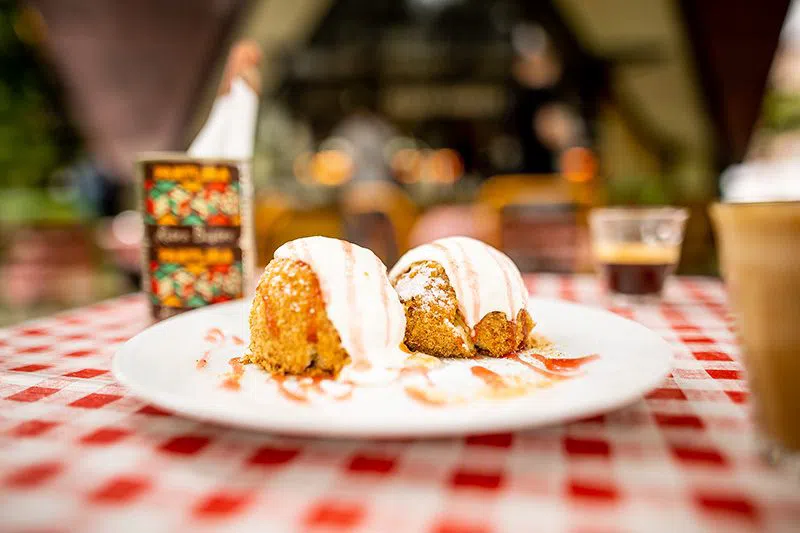
Pántlika Bisztró (Városliget, a few minutes' walk across the park) is the right answer most of the time. Retro concrete pavilion, beer garden, goulash and burgers, something like thirty pálinkas behind the bar, open until 22:00 and through the winter. A plate and a drink lands at 2,500 to 5,500 HUF, around €7 to €14. Dogs and children welcome, tables outside, nobody cares that your hair is wet. Ring their reservation line if you are more than six.
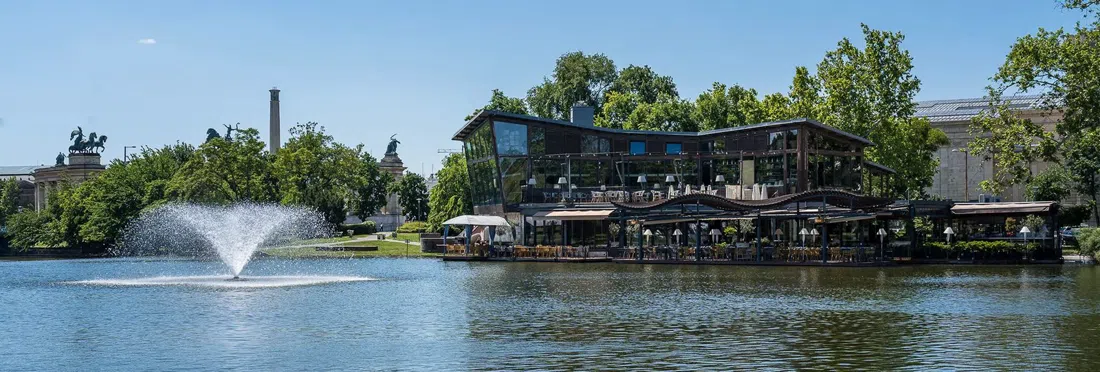
Go to Robinson Restaurant (on the boating lake in the City Park) for the view. Open since 1989, terraces over the water, mains roughly 7,000 to 15,000 HUF. Mind the gap in the schedule: lunch runs 12:00 to 16:00 and dinner 18:00 to 23:00, a dead zone at exactly the hour most people climb out of the pools. Plan around it or you will stand at a locked door. With 210 seats inside and 120 on the terraces, it is one of the few places near the bath that can actually take a group of twenty.
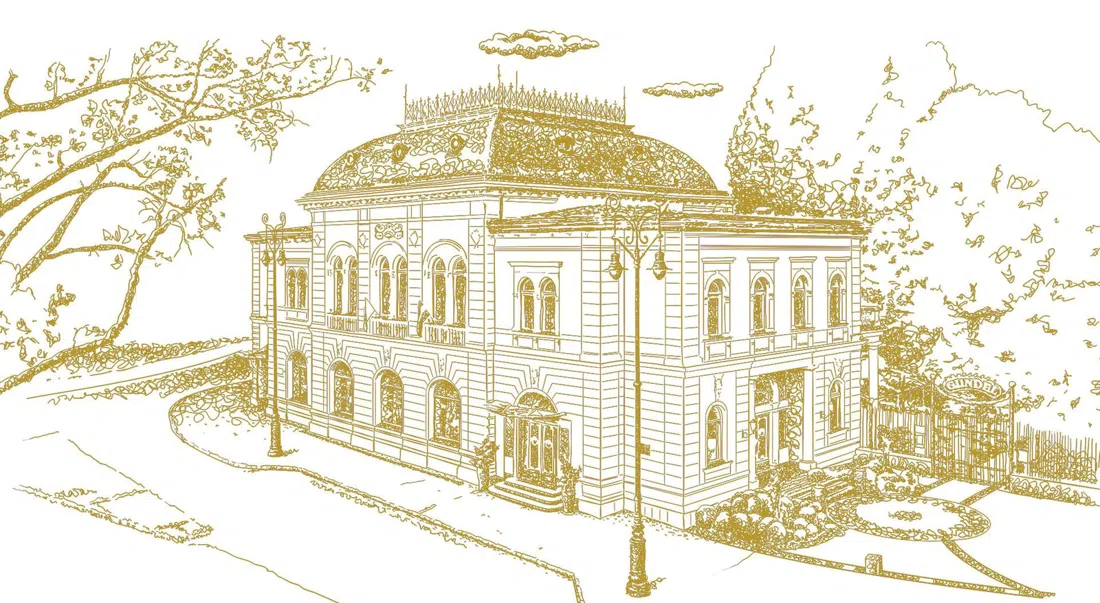
Gundel (Állatkerti út, on the edge of the park) is the grand-occasion dinner: 130 years old, private rooms, banquets, Music and Dance evenings in the garden. Mains run 9,000 to 20,000 HUF and tasting menus go well past €60 a head with wine. Lunch is 11:30 to 18:00, dinner to 22:00 with the kitchen closing at 21:00. This is jacket-and-manners territory, not somewhere to arrive with damp hair and a plastic bag of wet swim kit. Book it as its own evening.
For coffee rather than a meal, Millennium House / NEO Contemporary Art Space (Városliget, by the rose garden) is the quiet one, a restored building most visitors walk straight past. Café spend is around 1,500 to 3,500 HUF, and curator-led tours of the gallery are bookable if you want them. The rose garden peaks in June.
The dry half of the park
The bath is the reason you came; the park is why you stay all day.
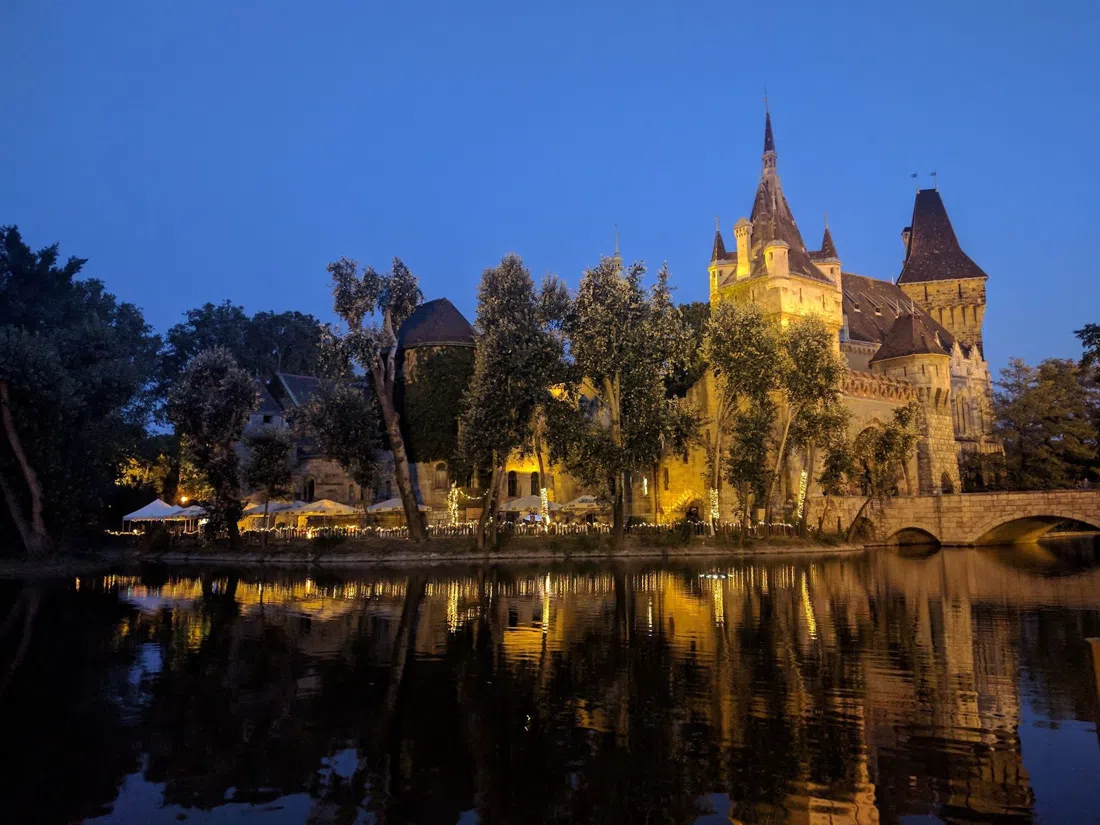
Vajdahunyad Castle & Hungarian Agricultural Museum (City Park, five minutes from the bath door) is the best-value thing in the district, because the courtyard is free and open after dark, when it is at its most ridiculous and most photogenic. The museum inside costs 2,500 HUF adult, 1,200 HUF concession, plus 400 HUF for the gate tower, and it closes Mondays.
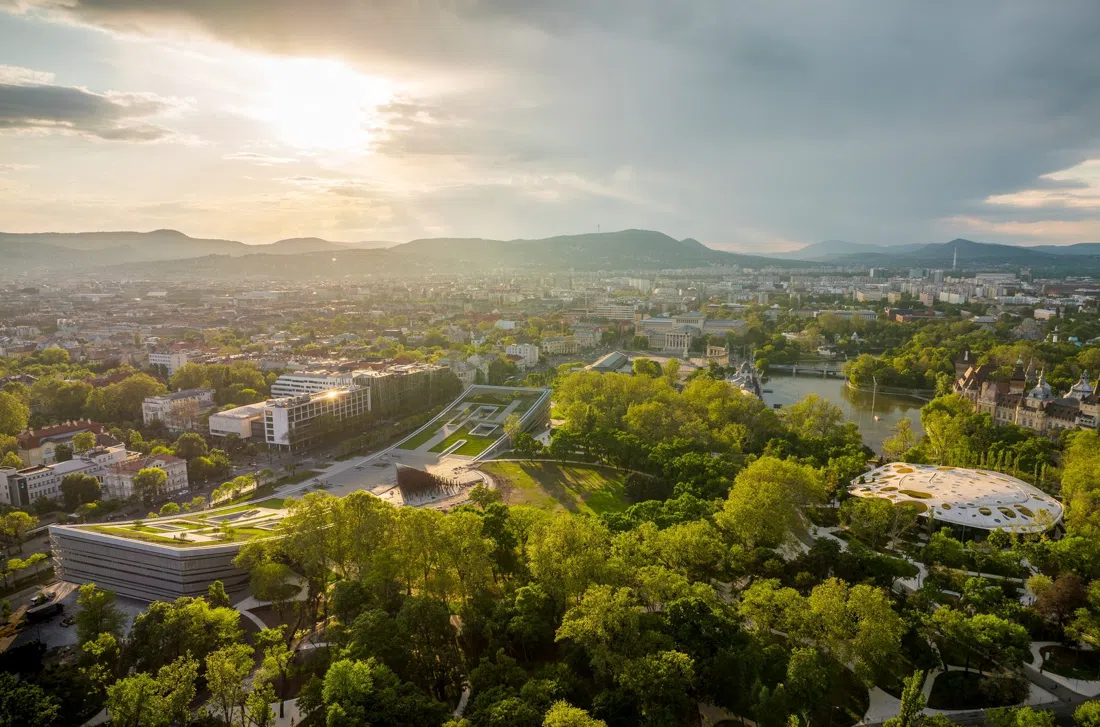
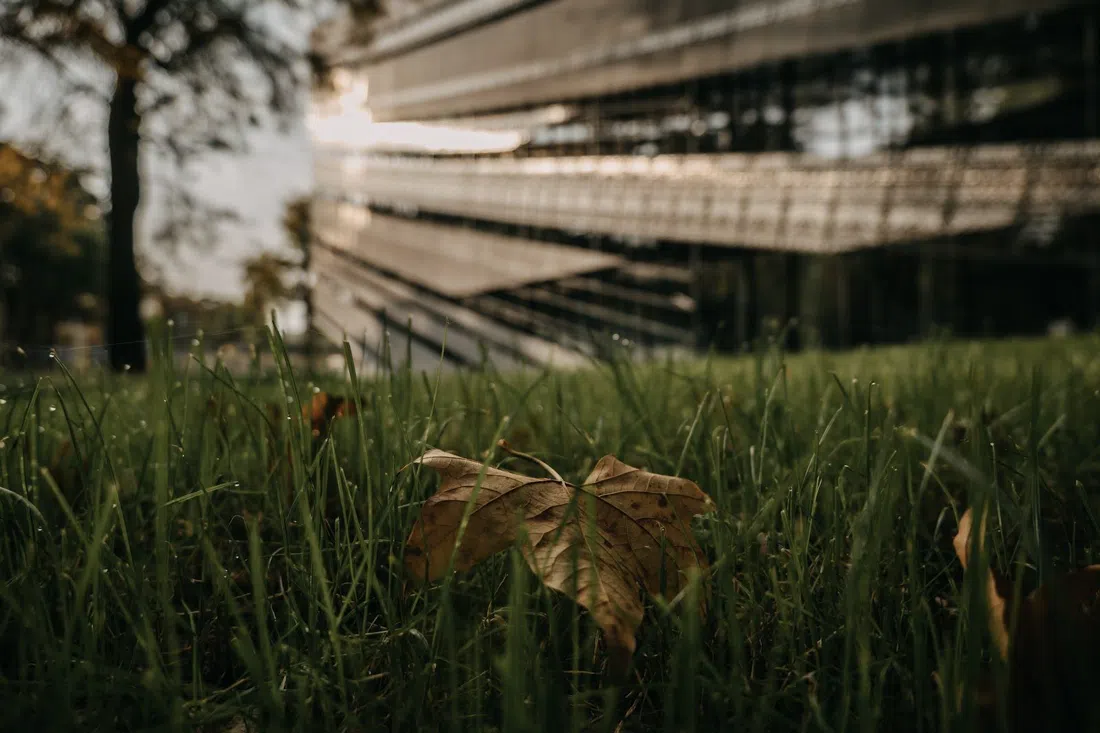
House of Music Hungary (Magyar Zene Háza) (City Park) is the single best indoor hour out here, a perforated-canopy building worth the walk on its architecture alone. Permanent exhibition is roughly 3,500 to 4,900 HUF, concerts priced separately, and the Sound Dome has limited capacity so groups must pre-book. It closes some days for private events, 24 September 2026 among them, so check before you walk over.
Museum of Ethnography (Néprajzi Múzeum) (City Park, on the Heroes' Square side) has the viewpoint nobody mentions: the roof garden is free to walk, which makes it the obvious ten minutes before or after your soak. The all-exhibitions ticket is around 4,000 HUF with audio guide included, there is underground parking, and it shuts Mondays plus occasional private-event days (6 to 8 and 24 to 25 September 2026).
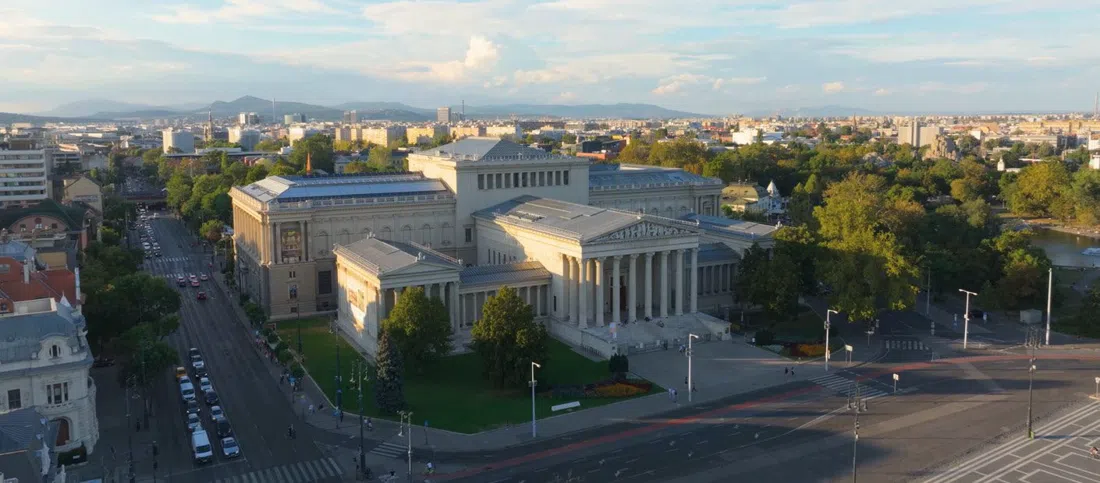
Museum of Fine Arts (Szépművészeti Múzeum) (Heroes' Square) is the heavyweight: permanent collection around 4,400 HUF, blockbusters more, closed Mondays, last admission 17:00. That early cut-off makes it almost impossible to combine with an afternoon in the water, with one exception. One Friday a month it runs late to 20:00, and that is the evening to do both.
Műcsarnok / Kunsthalle Budapest (Heroes' Square, opposite the Fine Arts) has no permanent collection, only rotating contemporary shows, so it is a gamble at 2,000 to 3,200 HUF. It is also blissfully free of the crowds across the square and open until 20:00 on Thursdays.
Heroes' Square (Hősök tere) (District XIV, two minutes from the bath) is free, vast and the formal gateway to the park. Before you frame the shot: the Archangel Gabriel statue has been off its column since autumn 2024 for restoration and is only expected back by the end of 2026.
Where the kids go while you soak
Because the bath bars under-14s, the park has a built-in solution. Budapest Zoo and Botanical Garden (Fővárosi Állat- és Növénykert) (Állatkerti körút, next to the bath) takes groups of any size with pre-booked slots and group rates, at about 4,400 HUF adult and 3,000 HUF for a child aged 3 to 14. The Biodome's 'Urban Oasis' opened on 1 July 2026 and needs no extra ticket. One adult swims, one takes the kids, swap after lunch.
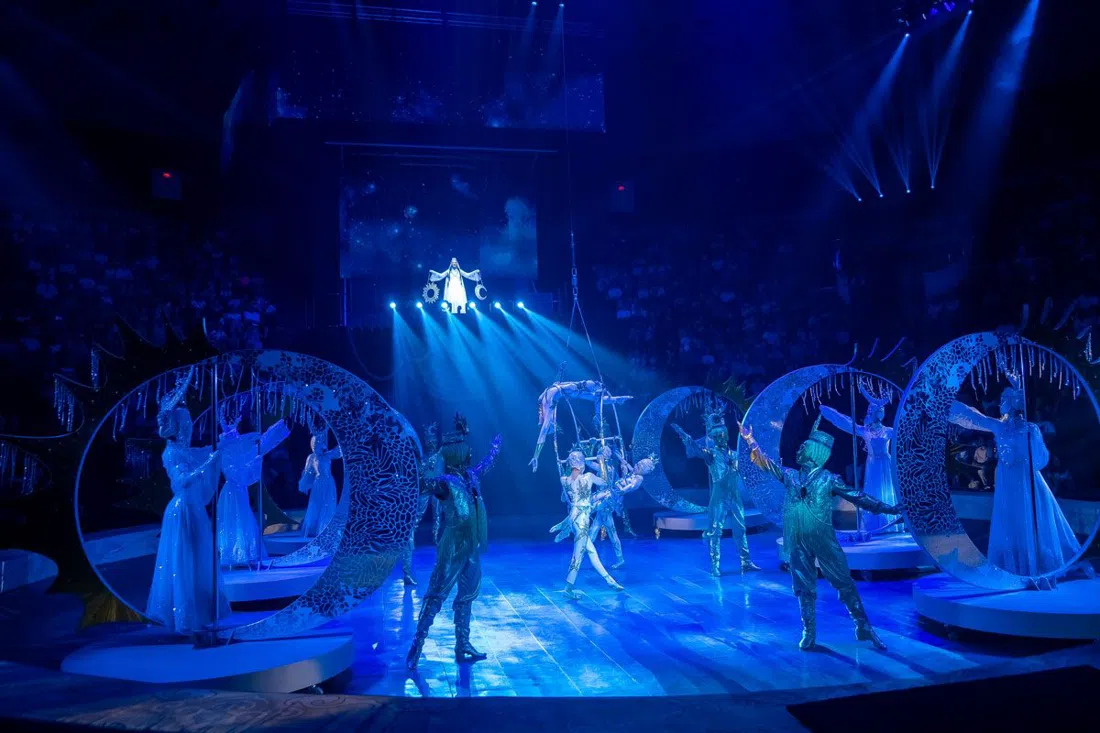
For the evening, Capital Circus of Budapest (Fővárosi Nagycirkusz) (Állatkerti körút, directly across the road from the bath door) is Central Europe's only permanent stone circus, currently running 'Mirázs – Örökség'. Seats run roughly 4,000 to 9,900 HUF depending on show and row, and there is a dedicated group desk that handles school and coach parties as routine. Soak, eat, circus. It is the most efficient day in the park.
Hot water then cold ice
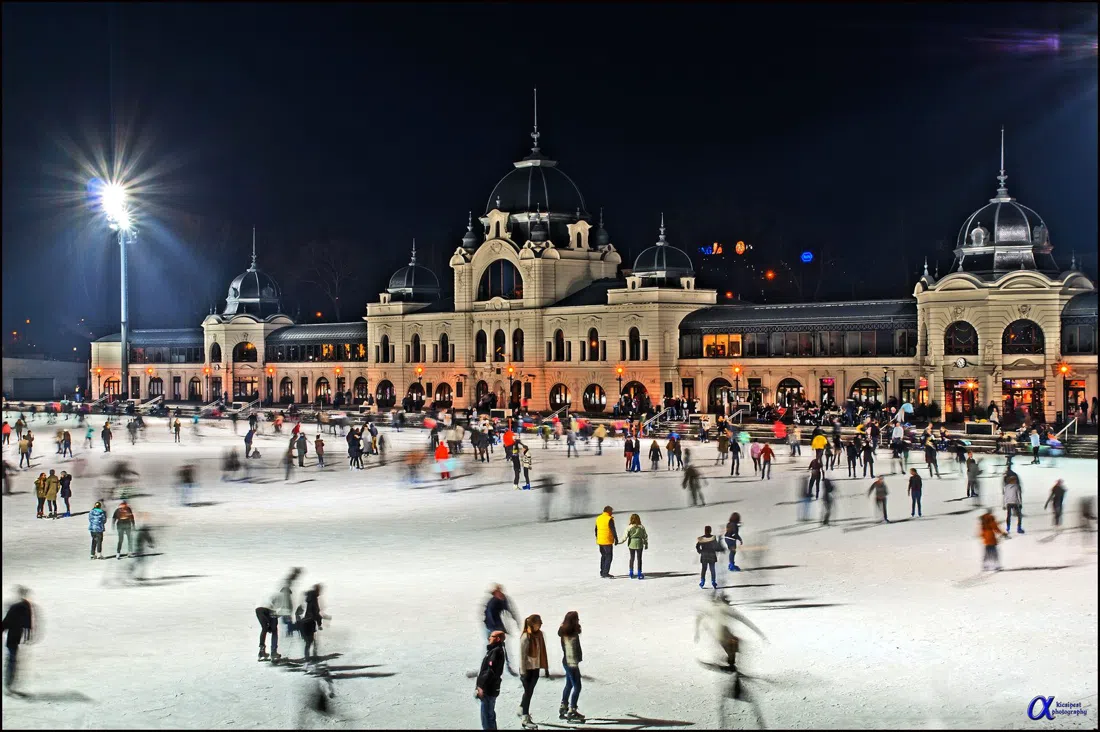
Városligeti Műjégpálya és Csónakázótó (City Park Ice Rink and Boating Lake) (City Park, five minutes from the bath) is one operator running two seasons. Ice from the week of 24 November into late winter, rowing boats in summer. Skating is roughly 2,500 to 4,000 HUF depending on the day, plus skate hire; a boat is from about 2,500 HUF an hour. Changing rooms and walkways have been refurbished for the new season. Thermal pool in the morning, ice rink in the afternoon is the classic double out here, and it is a five-minute walk between them.
Practical notes
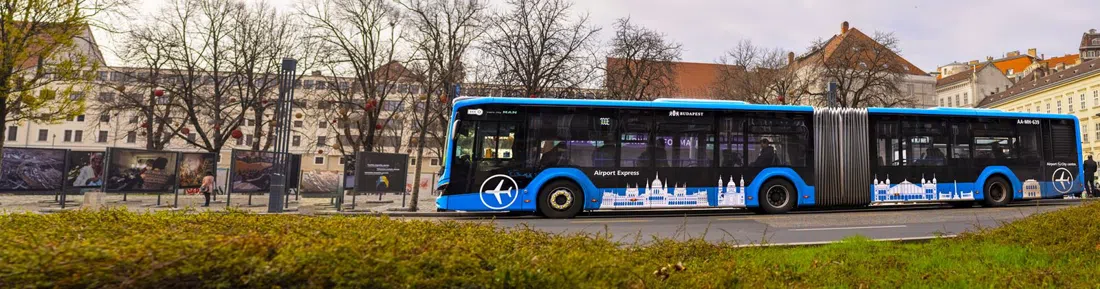
Take the Millennium Underground, Széchenyi fürdő station (M1), the yellow line under Andrássy út. It is continental Europe's oldest underground line, a sight in itself, and it deposits you at the bath door, which is why it beats a taxi into the park's traffic every time. The modernisation everyone talks about is still only in its procurement phase, so the line runs normally. A single BKK ticket is 450 HUF, about €1.15; a 24-hour travelcard is 2,500 HUF and pays for itself in six rides. The carriages are small and fill fast, so a group of ten should split across two.
You barely need cash. The bath's walk-up desk is card only, and the museums and restaurants all take cards. Carry a few thousand forint for locker tips, the odd kiosk and skate hire.
A day that works: pre-9am bath, out by 11:30, Ethnography roof or Vajdahunyad courtyard, lunch at Pántlika, House of Music in the afternoon, circus or ice rink in the evening. Skip the museums on a Monday and run the bath long instead.
A lean day is achievable: 10,500 HUF morning bath, 450 HUF metro, 3,500 HUF lunch, free castle courtyard and free museum roof, all of it under 15,000 HUF, around €38. A full one with a peak-price bath, two museums and dinner at Gundel will clear 45,000 HUF a head.
District VI and the Andrássy corridor put you on the M1 and ten minutes from the turnstile; compare rates with a Budapest hotel search before you commit to the park itself, which is quieter but further from dinner. For the rest of the city, start with the Budapest guide.