The Budapest issue
Plan Budapest So You Never Cross the Same Bridge Twice
Group Budapest by riverbank and by hill: Castle Hill, Gellért Hill, the Pest riverside, Andrássy út and the Jewish Quarter. The same list of sights then costs you half the walking.

By Marek NovákNeighbourhoods, baths and the slow way round
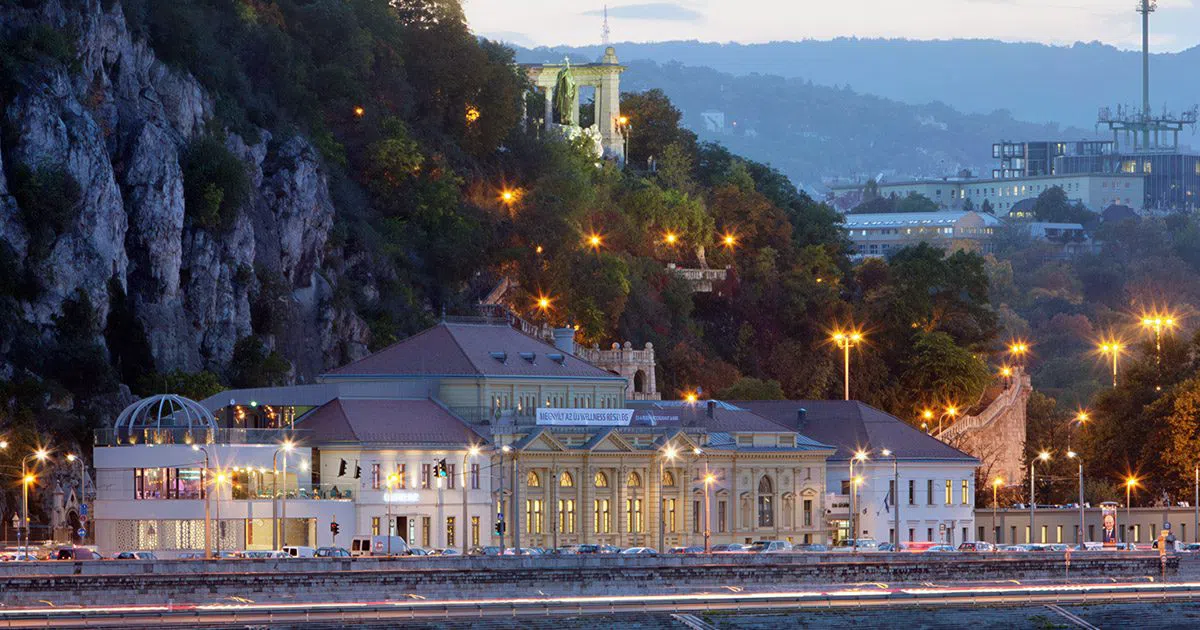
The Danube does most of the planning for you. Budapest grew as two towns, hilly Buda on the west bank and flat Pest on the east, and almost every wasted hour on a first visit comes from crossing between them more often than the day actually requires. Sort your week by bank and by hill, and nothing on your list disappears; it simply stops costing you travel time.
Read the river before you read the list
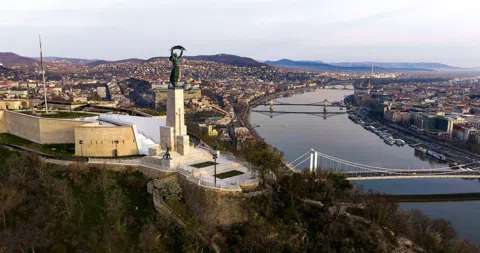
Three pieces of geography decide the shape of a Budapest trip. First, the Buda bank carries two separate high points, not one. Castle Hill in the north holds the church, the terraces and a bunker museum stacked on a single plateau. Gellért Hill sits roughly two kilometres south, with a fortress on top and a Turkish bath at its foot. On a map they look like neighbours. On foot they are two different mornings.
Second, Pest's sights fall along two straight lines. The riverside strip (Parliament, the basilica, the great market) is a flat walk of about forty minutes end to end. Andrássy út runs on a diagonal from the centre out to City Park, with the M1 metro underneath it, so anything on that avenue belongs to one day rather than three.
Third, the bridges are short but the decisions around them are not. A crossing costs you ten minutes and a change of mood, and doing it four times in a day is how people end up remembering Budapest as tiring. Give yourself a bank per day, or a hill per half-day. The Budapest guide sets out the districts in more detail; what follows is the order that keeps them from tangling.
Plan your Budapest trip
Live prices from our booking partners.
Free cancellation on many rooms. We may earn a commission when you book.
Castle Hill works as one climb, not three
The most common misstep is to go up Castle Hill for a photograph, come down, and return two days later for a museum. Everything on the plateau sits within ten minutes of everything else, which makes it a single visit of three to four hours.
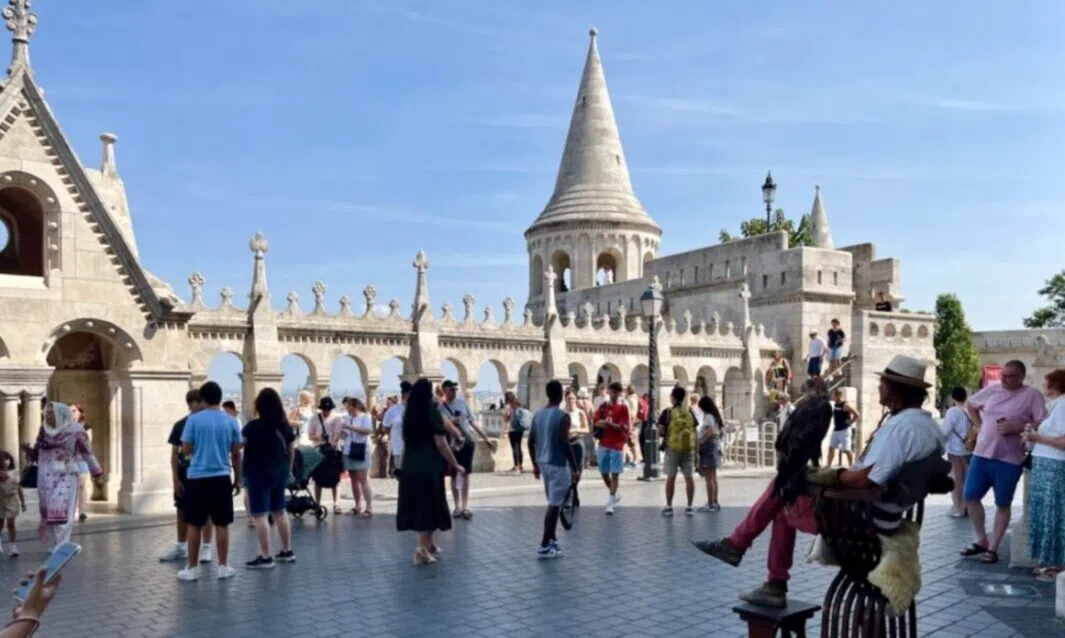
Start at Fisherman's Bastion (Castle Hill, District I, Buda). The lower terraces, meaning the white arcades and most of the river view, are free, open around the clock, with no booking and no cap on numbers. Only the upper towers are ticketed, from 9am to 7pm, and until 9pm in summer. Arrive before nine or after the ticket window shuts and you get the same panorama for nothing, with a fraction of the crowd. Between those hours you are paying a few euros to stand a storey higher than the free terrace below.
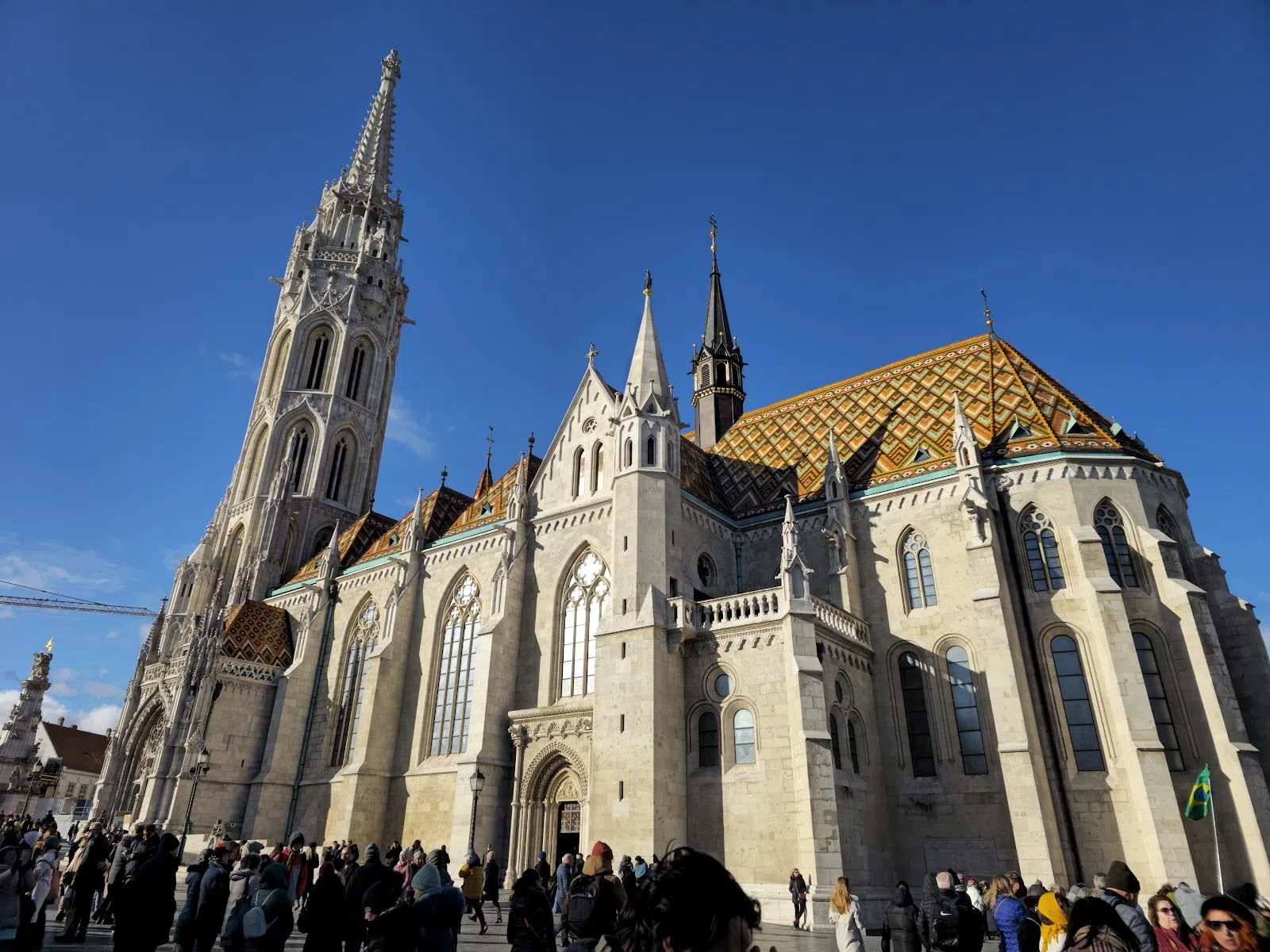
Fifty metres away stands Matthias Church (Castle Hill, Buda), which is the whole reason to treat this as one pass rather than two trips up. Groups are fine in the nave. The tower is not: a 197-step narrow staircase on timed tickets with a short guided commentary, which means a party of twelve will be split across slots and stretched across an hour. Couples and pairs should take it; larger groups are better served sending two or three people up while the rest stay below.

The indoor option is directly beneath your feet. Hospital in the Rock Nuclear Bunker Museum (Castle Hill, Buda) occupies the tunnel system inside the hill, used as an emergency hospital and later fitted out against nuclear attack. Entry is by guided tour only, hourly in English, running about an hour, with free audio guides in nine languages. Under-sixes are not admitted, and groups should book a slot rather than arriving hopeful. It holds around ten degrees year-round, so take a layer even in August. Because it is already on the plateau, it is the obvious rain plan for a day you were spending up here anyway.
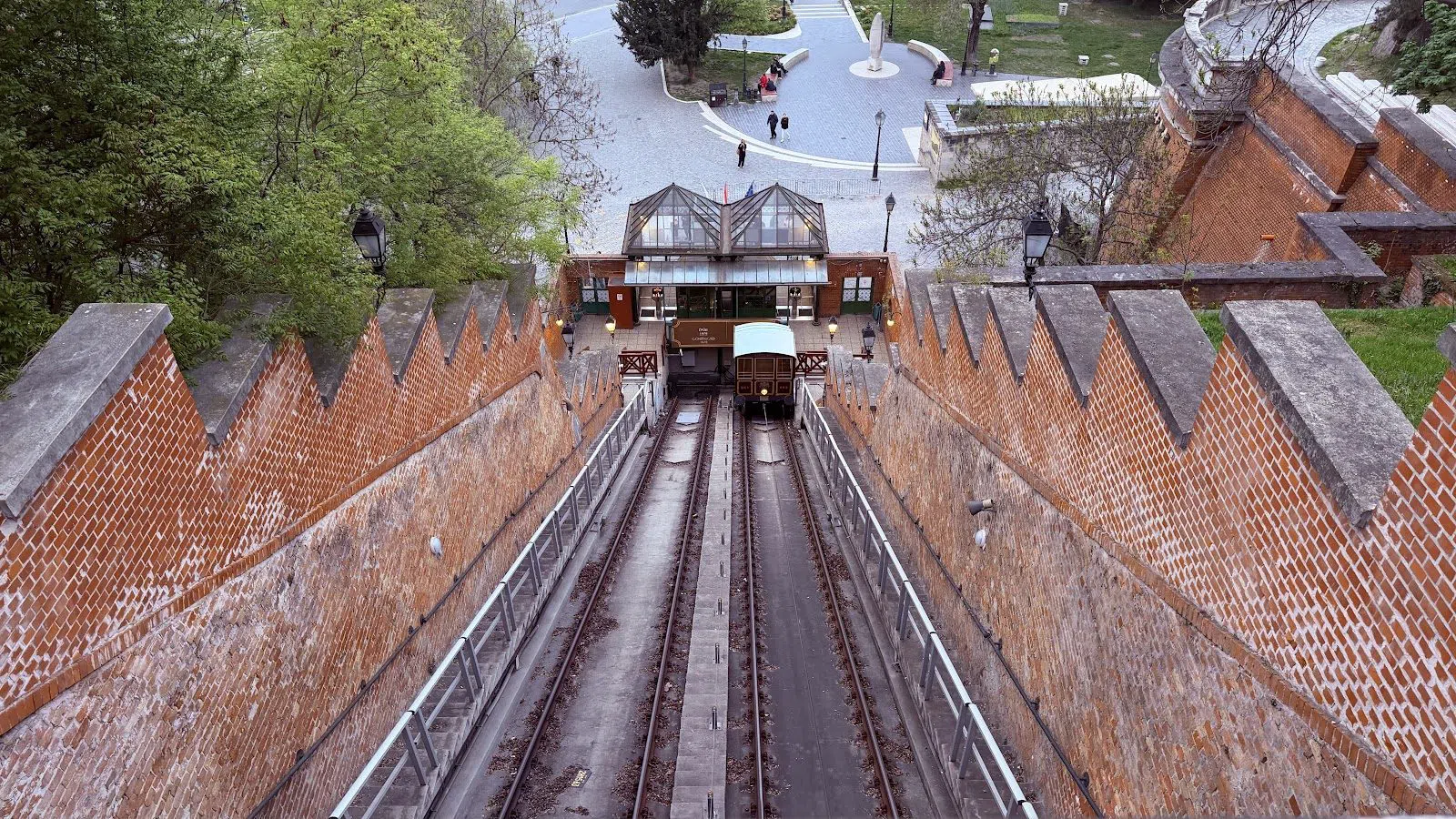
Getting up the hill is where money leaks. The Buda Castle Funicular (Buda riverside, at the Chain Bridge) costs 4,000 HUF one way and about 5,000 HUF return, which is roughly €10 to €13 for a ride of two minutes in a small cabin, usually after a queue. It also closes on Mondays of odd weeks for maintenance, unless a public holiday falls that day. The footpath alongside takes about ten minutes at an unhurried pace, and the number 16 bus does the same climb for a standard ticket. Ride it once if the cabins appeal; do not build a group of eight around it.
The market and Gellért Hill share a bridge
The second Buda high point deserves its own morning, and the sensible way to reach it is to start in Pest.
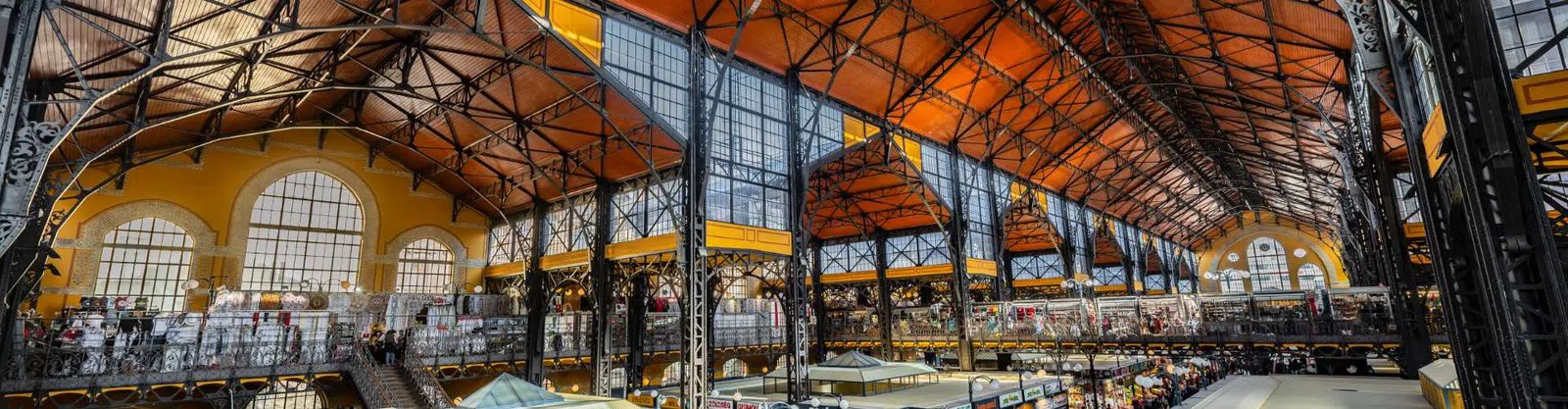
Great Market Hall (Fővám tér, District IX, Pest) opens the day well: free entry, no booking, and a hall large enough to absorb any group without friction. Ground level is produce, paprika, salami and pickles; the upstairs gallery is where lángos and street plates are sold for a few euros. Go before 10am or after 3pm, because the food gallery jams solid at lunch and the stairs turn into a standing queue. It closes on public holidays and runs quiet on Sundays with a limited number of vendors, so it is a weekday-morning stop rather than a flexible one.
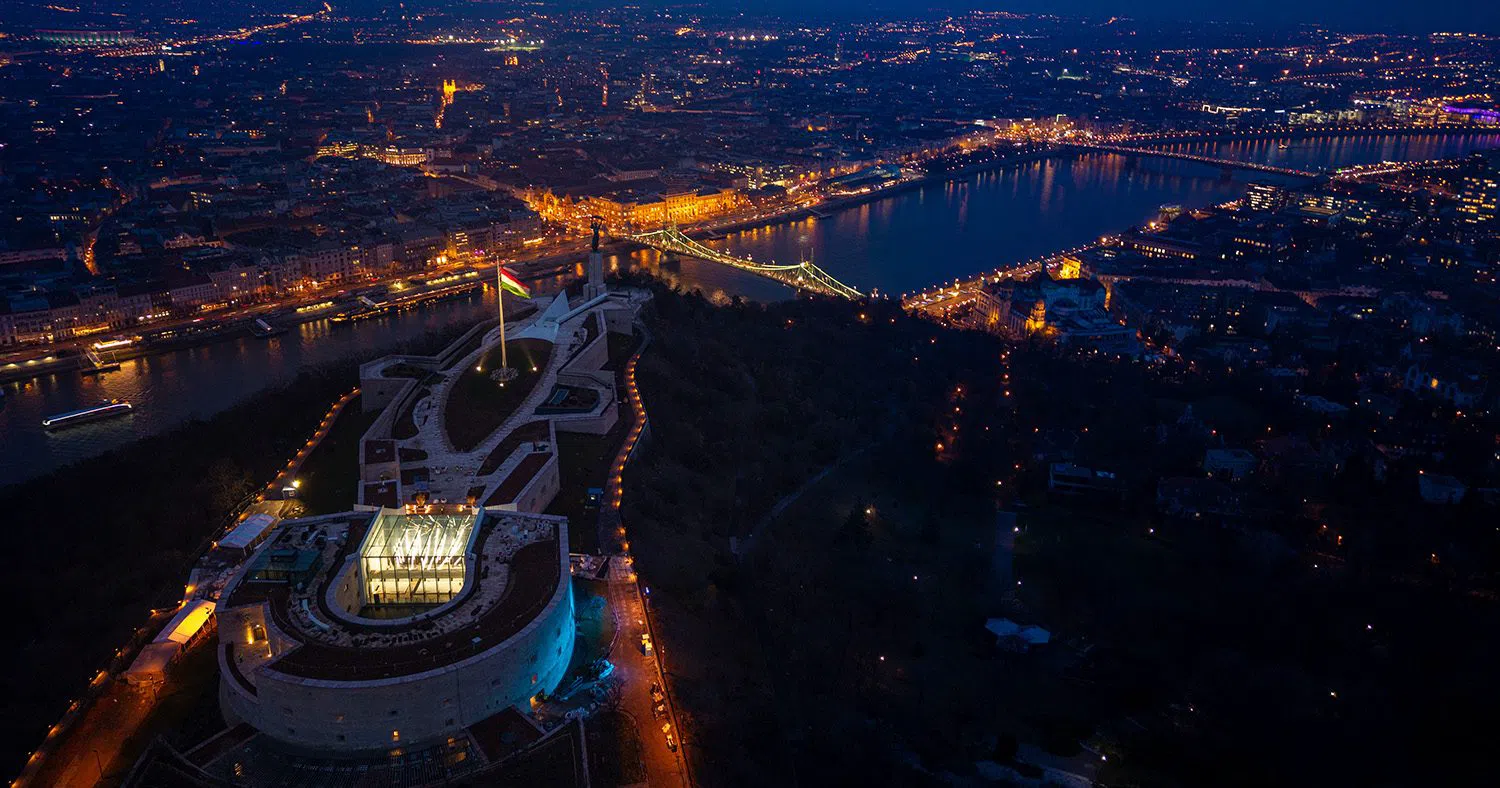
From the market, Liberty Bridge crosses in about five minutes and puts you at the base of the climb. Citadella (Gellért Hill, Buda) reopened in spring 2026 after eleven years behind fences, which is why plenty of older guidebooks still tell you to skip it. The inner park, the rampart walkways and the lookout terraces are free and uncapped. Only the Bastion of Freedom exhibition, in the western cannon tower, needs a timed ticket at 4,900 HUF, about €12. Allow twenty to thirty minutes upward on paths and steps from the bridge; it is a real climb, not a stroll, and worth doing in the morning rather than after a long lunch.
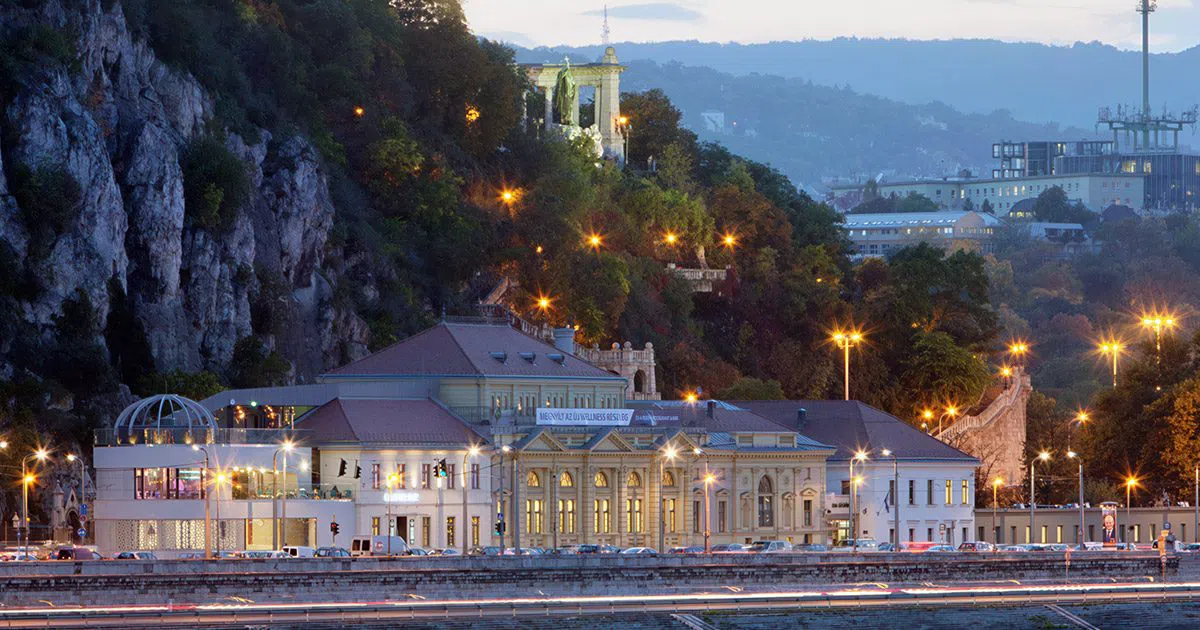
Come down the north side and you land at Rudas Thermal Bath (foot of Gellért Hill, Buda), which is the reason this half-day ends rather than restarts. It is walk-in friendly, open 6am to 10pm daily, with night bathing on Fridays and Saturdays from 10pm to 3am. Reckon on roughly €18 to €30 depending on the day and which sections you include. One detail matters before a mixed group turns up: the rooftop pool and wellness area are co-ed, but the historic Turkish pool runs single-sex on some weekdays. Check the day's schedule on the morning you plan to go.
Build the Pest riverside around one fixed slot

One place in Budapest sets your timetable instead of fitting into it. The Hungarian Parliament Building (Lipótváros, District V, Pest) can only be seen inside on a timed guided or audio tour, offered in 23 languages, with strictly limited places each day. In summer, book weeks ahead. Group rates exist, but group-sized blocks of tickets are exactly what sells out first. As of 1 January 2026 the price is 7,000 HUF for EEA citizens and 14,000 HUF for non-EEA visitors, roughly €18 and €36. Fix the slot, then build the rest of the day outward from it.
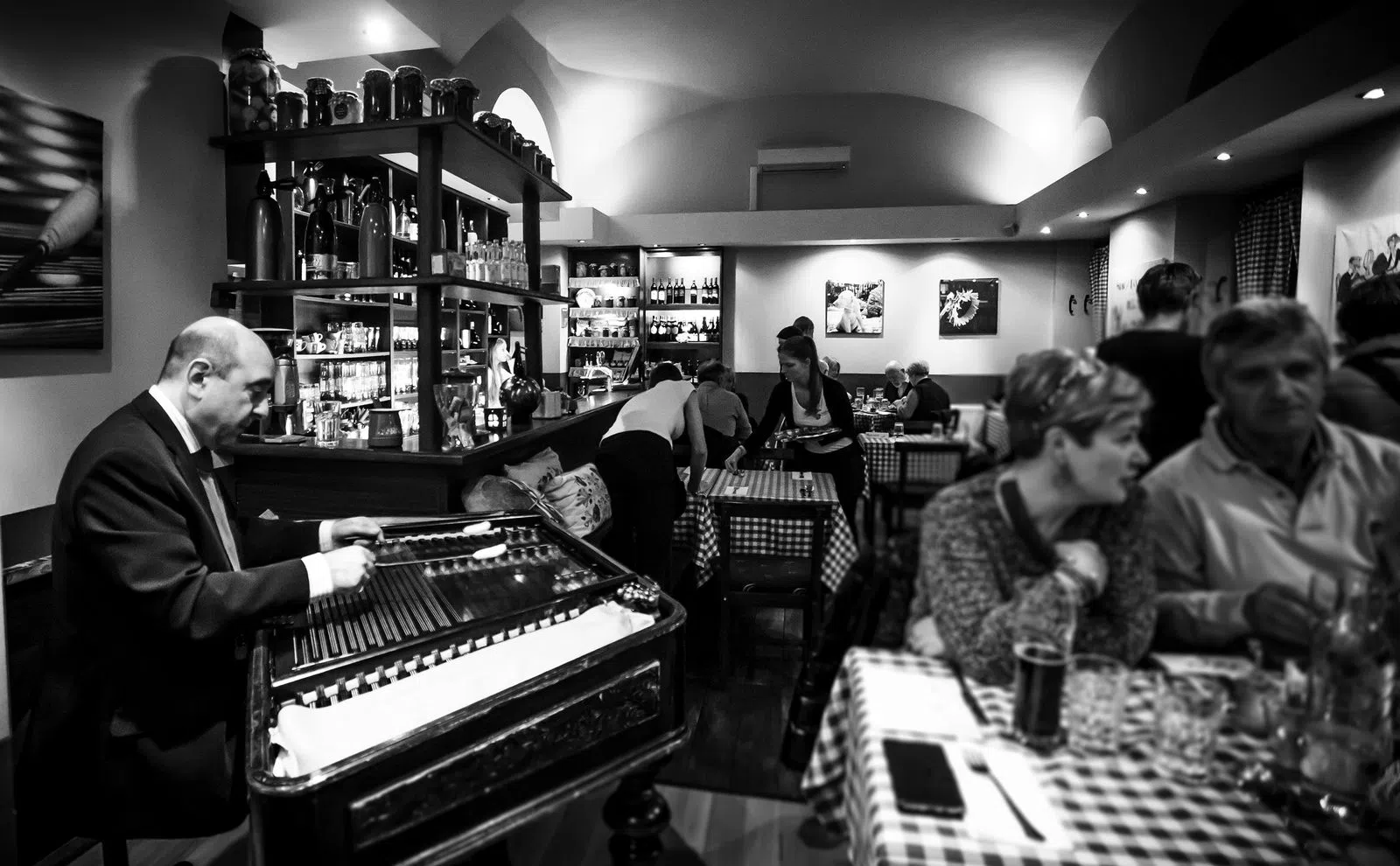
Lunch two minutes away removes the usual mid-afternoon trek back across town. Hungarikum Bisztró (Steindl Imre utca, Pest) takes online reservations only, with no walk-ins, and books out well ahead; larger tables have to be requested through the site's reservation system rather than negotiated at the door. Mains run about €10 to €20. Reserve it when you book the Parliament tour and the middle of the day is settled.

Walk south afterwards to St Stephen's Basilica (Lipótváros, Pest). It is walk-in, no reservation needed, and a lift removes the 304-step climb, which makes it the one high viewpoint that works for slower walkers and large parties alike. Entry to the church hall is 2,600 HUF, the panorama terrace with the treasury is 5,000 HUF, and the combined ticket is 6,800 HUF. It stands five minutes from the Chain Bridge in the middle of the Pest hotel district, so it costs you no travel time at all. That last point is also the argument for sleeping in this stretch rather than further out, worth keeping in mind when you run a Budapest hotel search.
Andrássy carries you out to City Park
The whole day fits along one avenue, with the M1 underneath it when legs give out.
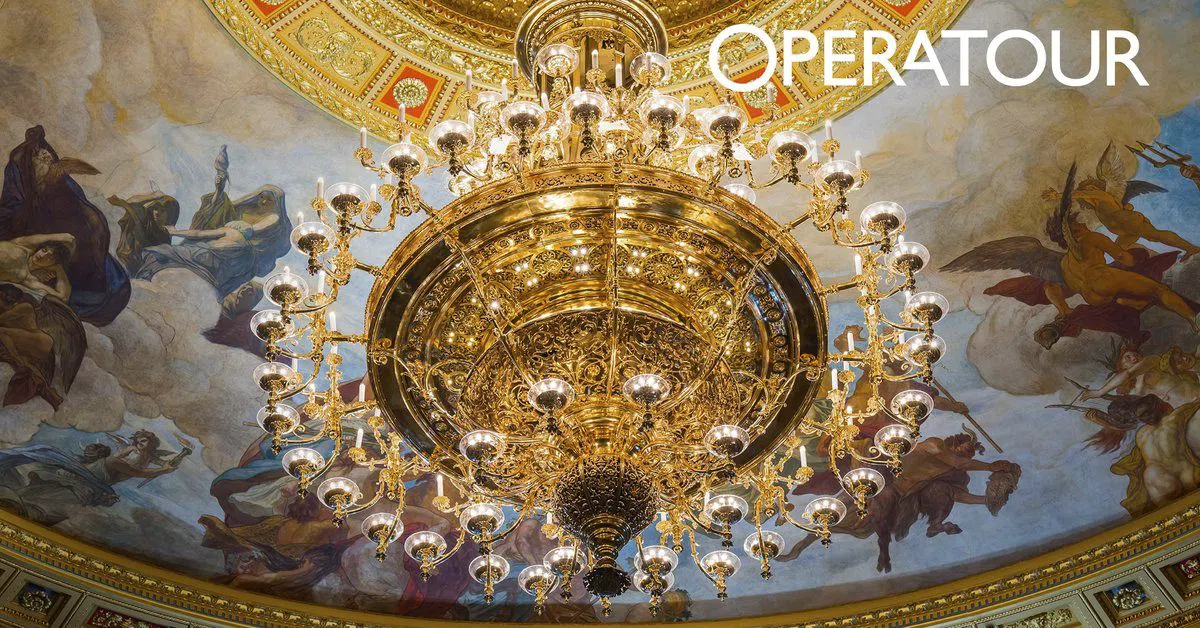
Hungarian State Opera House (Andrássy út, District VI, Pest) reopened in 2022 after a five-year restoration. The OperaTour runs daily at 13:30, 15:00 and 16:30 in English and ends with a short concert, at 10,500 HUF, around €28. Private tours are bookable for parties buying 15 or more tickets with a week's notice. If you would rather hear the building than be told about it, the performance season runs from September to June and standing-room tickets start at 3,000 HUF.
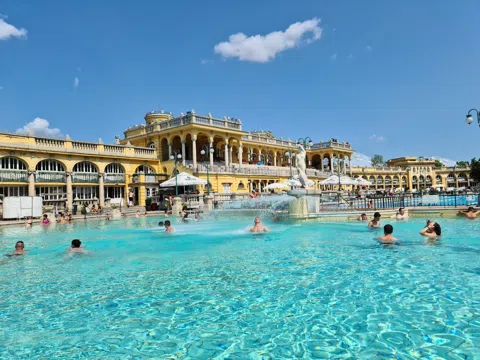
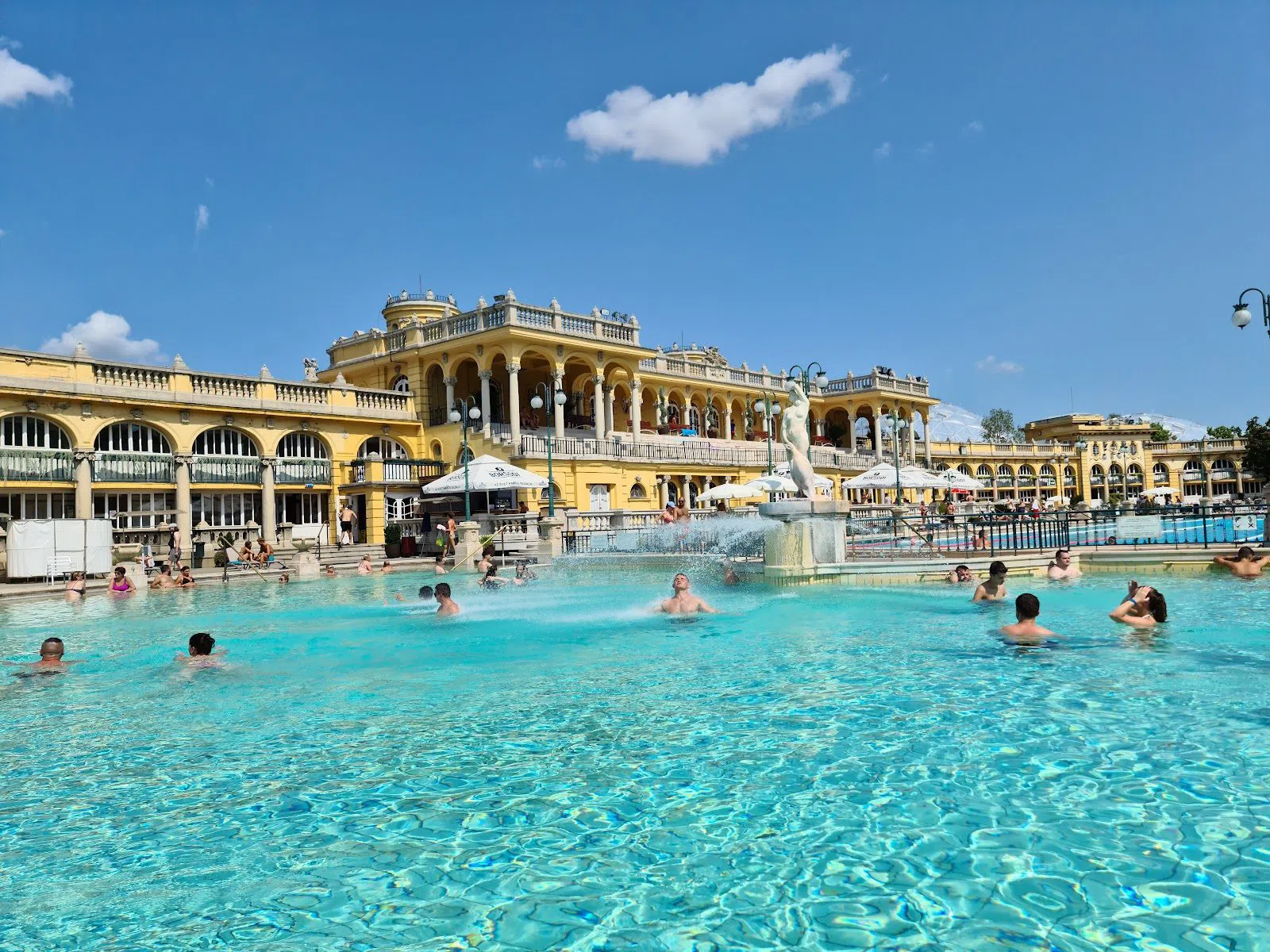
Continue out to Széchenyi Thermal Bath (City Park, District XIV, Pest), the yellow neo-baroque complex with the outdoor pools. A full-day ticket with a locker or cabin runs about €35 to €45, with higher rates at weekends. Book online rather than queueing at the cashier. Parties of twenty or more should arrange through the bath's group email, and the Saturday-night Sparty is 18-plus and genuinely designed for groups rather than tolerating them. Széchenyi sits a full metro line from Castle Hill, so pairing it with a Buda day is the classic self-inflicted backtrack.
Five minutes' walk away in the same park, House of Music Hungary (City Park, Pest) turns a bath visit into a full half-day without another journey. The exhibition runs on timed-entry tickets and concerts are ticketed separately, so decide which of the two you want and book it. A group arriving unbooked will usually end up doing neither.
The Jewish Quarter belongs to the evening
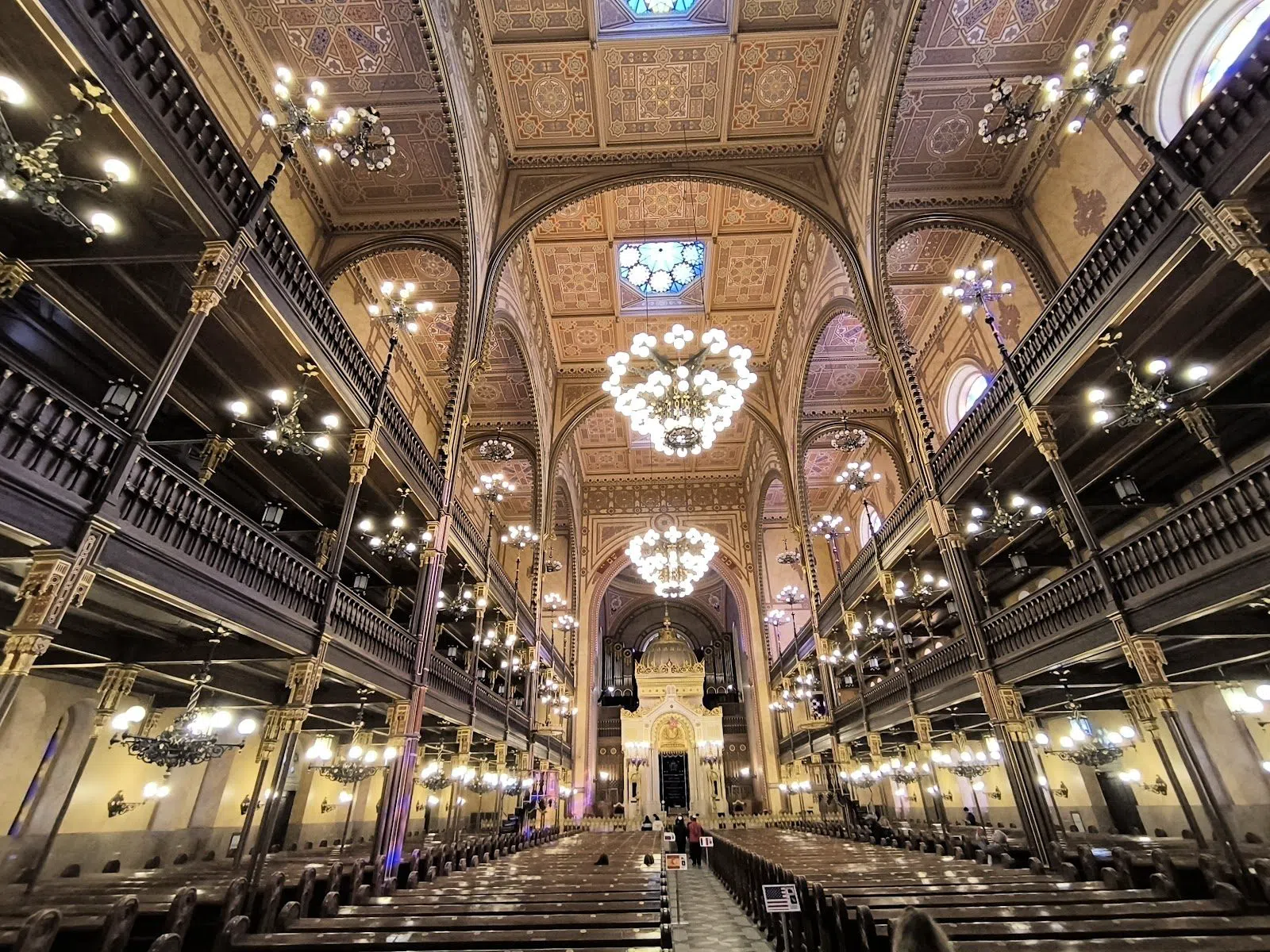
District VII is compact enough that the last stretch of a day can happen on one street. Begin with Dohány Street Synagogue (Erzsébetváros, District VII, Pest), the largest in Europe, where the ticket at roughly 8,500 to 9,000 HUF, about €23, covers a guided tour and the whole complex: the Jewish Museum, the Heroes' Temple and the Wallenberg Memorial Park. It closes every Saturday and on Jewish holidays, and those holidays fall in clusters, so check the 2026 dates before you commit a day to this quarter. Covered shoulders and knees are required.
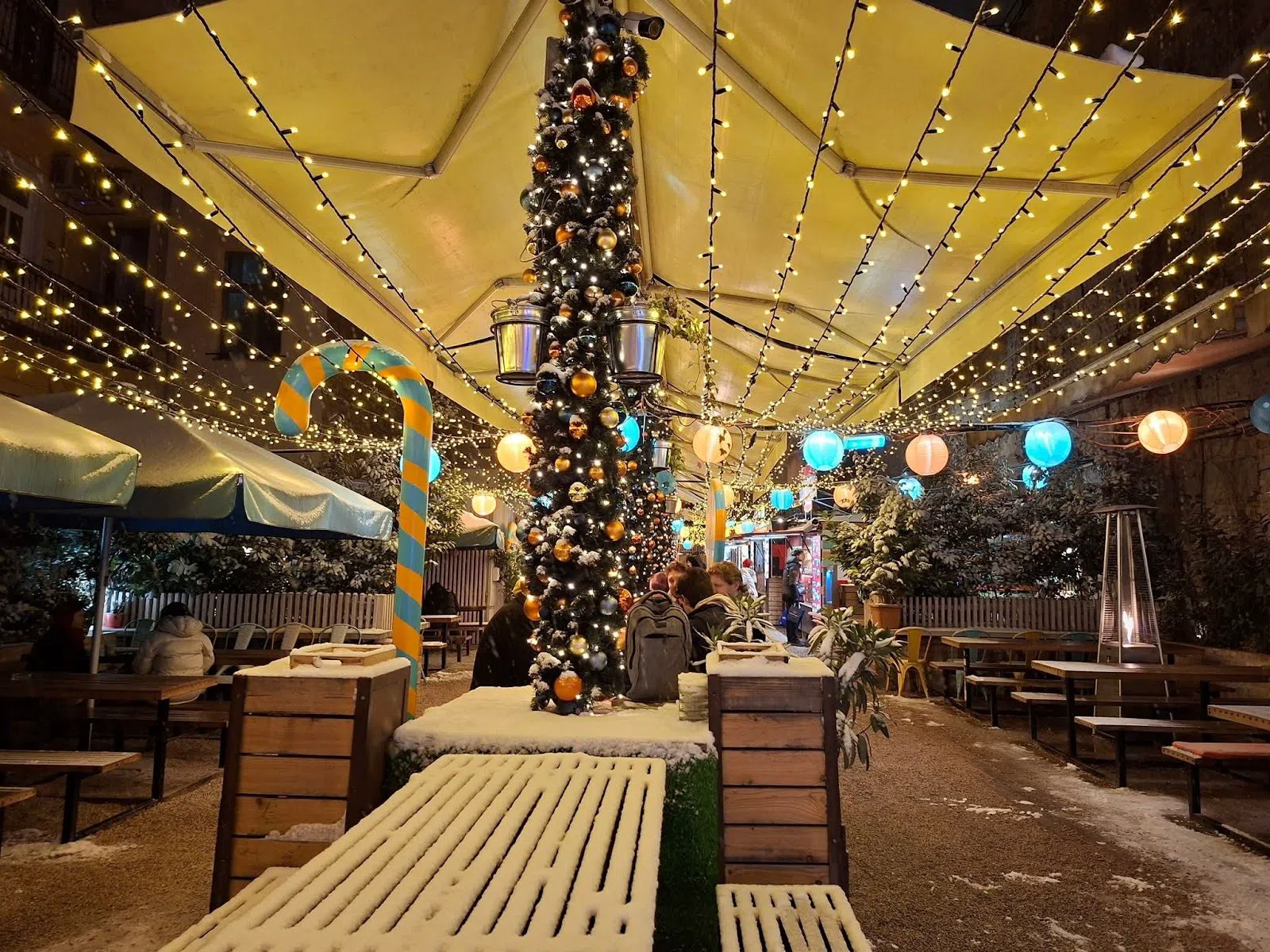
Dinner is a five-minute walk north. Street Food Karaván (Kazinczy utca, Erzsébetváros) is a self-service courtyard of stalls, open daily from 11:30am to midnight, with no reservations and plates at about €6 to €12, lángos through to vegan and Italian. It is the least stressful way to feed a group that cannot agree on a cuisine. One caution: the streetfoodkaravan.hu domain is now an unrelated blog, so ignore it when searching.
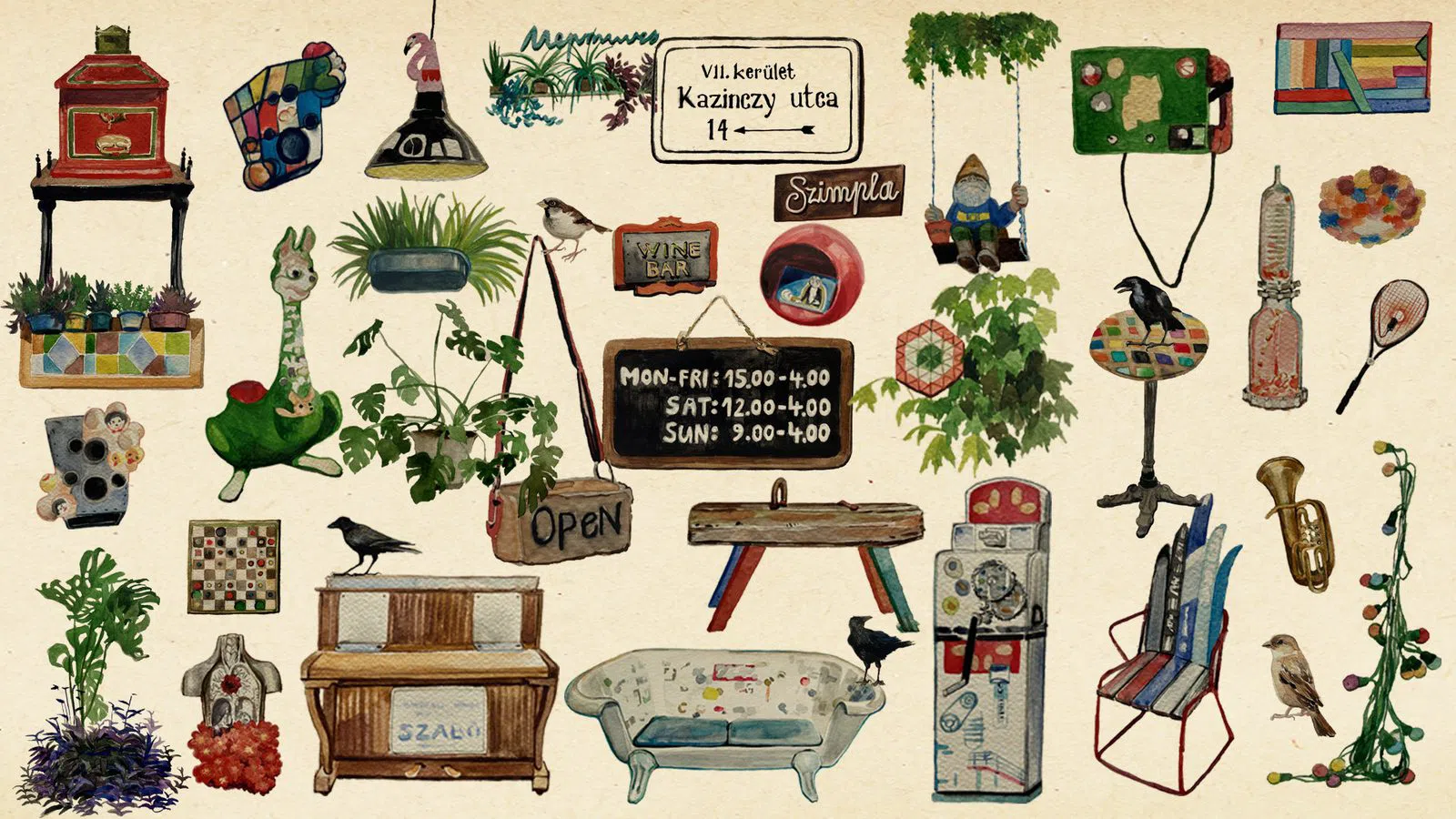
Four doors along the same street is Szimpla Kert (Kazinczy utca, Erzsébetváros), the original ruin bar and still in the same building after 22 years. Entry is free, there is no dress code, and both card and cash are fine. A large group fits comfortably before about 9pm; after that the courtyard is shoulder to shoulder and splits into ones and twos whether you intended it or not. Drinks run roughly €3 to €6. On Sunday mornings between 9am and 3pm the same courtyard hosts a farmers' market with thirty to forty Hungarian producers, which is a completely different and much calmer visit worth planning separately.
The dates that decide your week
Book in this order. Parliament first, since it is the only fixed point that cannot be moved. Then Hungarikum Bisztró for the same day. Then the Opera tour slot, the Hospital in the Rock tour, and the House of Music timed entry. Everything else takes you as you come: the bastion terraces, Citadella's ramparts, the market, Rudas, Szimpla.
Then check four closures against your dates. Dohány Street Synagogue is shut every Saturday and on Jewish holidays. The Great Market Hall closes on public holidays and thins out on Sundays. The funicular stops on Mondays of odd weeks for maintenance, unless a public holiday intervenes. The Opera performance season pauses over the summer, running September to June, though the daily tours continue. Rudas is the fifth thing to check, day by day, for the single-sex schedule in the Turkish pool.
Practical notes
Transport is cheap and dense, so buy a travel pass rather than single tickets and validate it as the rules require. The M1 under Andrássy út is the fastest way between the basilica end of town and City Park; bus 16 climbs Castle Hill for a standard fare; the tram along the Pest embankment covers the riverside line between the market and Parliament.
The currency is the forint, and cards work almost everywhere including the ruin bars and the food courtyard, though small market vendors are easier with cash. If a card terminal offers to charge you in your own currency, decline and pay in forint. Prices above are 2026 rates and the euro figures are approximations for comparison, not the price you pay at the door.
On timing, the free windows are real money. Fisherman's Bastion before 9am, the market before 10am, Rudas at opening or during Friday and Saturday night bathing, and Citadella's ramparts at any hour all cost nothing or close to it. On budget, a day that includes Parliament and the Opera tour will run past €60 a head before food; a day built on Castle Hill's free terraces, the market and Citadella's park can be done for the price of lunch and a bath ticket. Alternate the two and the spending evens out across the week.
Four days in this order cover everything above with three river crossings in total: Castle Hill, the market with Gellért Hill, the Pest riverside, and Andrássy with City Park, with the Jewish Quarter taking two evenings.
Before you go
How many days do I need to see Budapest without rushing?
Four full days is comfortable. One for Castle Hill, one for the Great Market Hall with Gellért Hill and Rudas, one for the Pest riverside around your Parliament slot, and one for Andrássy út and City Park, with the Jewish Quarter taking two evenings. Done in that order it needs only three river crossings in total.
What has to be booked in advance in Budapest?
The Hungarian Parliament Building above all: interior access is by timed tour only, places are limited each day, and in summer they go weeks ahead. Also book Hungarikum Bisztró, which takes online reservations only with no walk-ins, the Opera tour, the Hospital in the Rock tour slot, and timed entry at House of Music Hungary. Széchenyi is best bought online to skip the cashier queue.
Is Fisherman's Bastion free?
The lower terraces are free and open 24 hours with no booking, and that is where most of the river view is. Only the upper towers are ticketed, from 9am to 7pm and until 9pm in summer. Arrive before the ticket window opens or after it shuts and the towers are free too.
Which thermal bath suits my day better, Széchenyi or Rudas?
It depends on which side of the river you are on. Széchenyi sits in City Park on the Pest side, a full metro line from Castle Hill, and costs about €35 to €45 for a full day with a locker or cabin. Rudas is at the foot of Gellért Hill in Buda, roughly €18 to €30, walk-in friendly and open 6am to 10pm, so it closes a Buda day instead of starting a new journey. Check the Rudas day schedule, as the historic Turkish pool is single-sex on some weekdays.
Is the Buda Castle Funicular worth the money?
Rarely. It costs 4,000 HUF one way and about 5,000 HUF return for a two-minute ride in a small cabin, usually after a queue, and it closes on Mondays of odd weeks for maintenance unless a public holiday falls. The footpath beside it takes about ten minutes and the number 16 bus makes the climb for a standard fare.