The Budapest issue
Budapest Parks and Hills for a Slower City Break
Margaret Island, the reopened Gellért Hill park, walled gardens in Pest and a forest railway in the Buda hills: how to build Budapest days that leave you rested.

By Marek NovákNeighbourhoods, baths and the slow way round
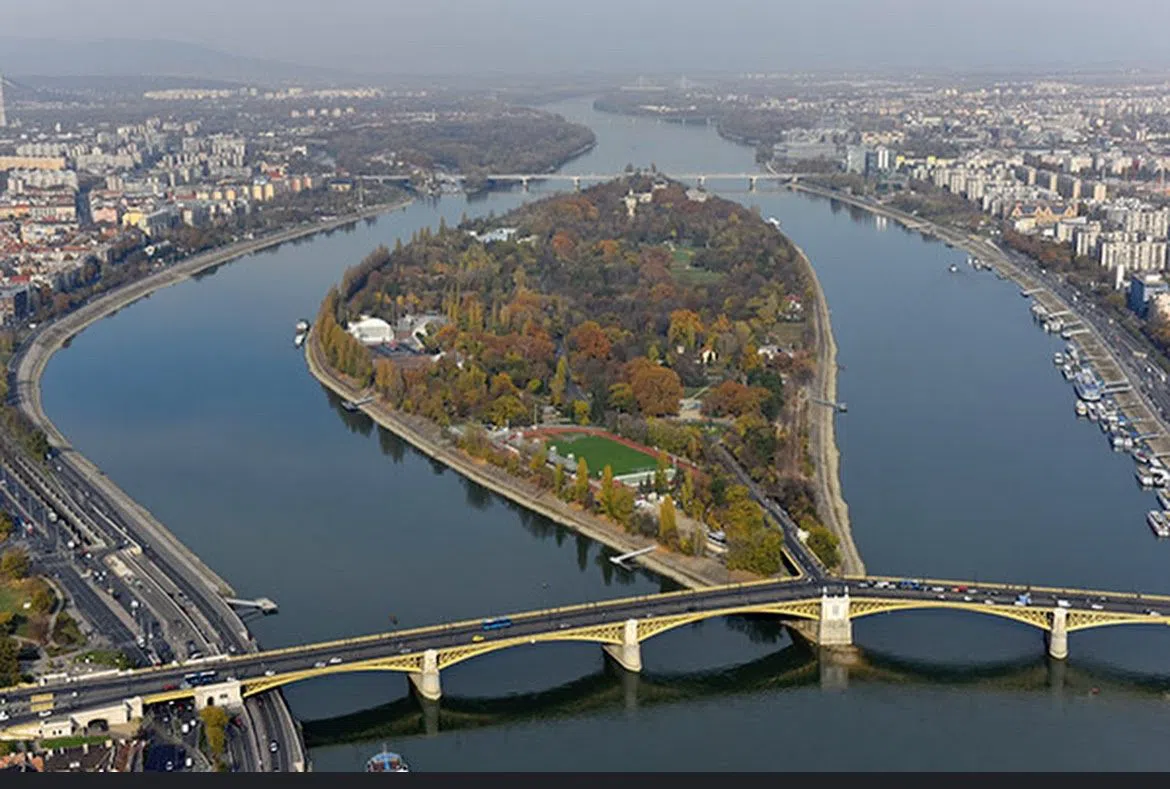
The Danube does something unusual in the middle of Budapest. It parts around a flat green island two and a half kilometres long with no private cars on it, where the loudest thing on a Tuesday morning is a sprinkler working across the rose beds. A city with this much stone, this many staircases and this dense a list of monuments also holds more open ground than most visitors ever walk on, and the difference between a tiring week here and a good one usually comes down to knowing where that ground is and when it is open.
These are not sights to tick off. They are places you can spend two hours or a whole day in without queueing, arranged so you can slot one into each day between the things you have already booked. The opening times and prices below are the current ones, and a few of them changed in 2026, so read them before you set out rather than after.
The island that sets the pace
Margaret Island (Margitsziget), moored in the river between Buda and Pest, is the single best slow day in the city. It is free, unfenced and open at all hours, it takes any size of group without a booking, and because it runs two and a half kilometres end to end it absorbs a summer crowd in a way a square never can. Private cars are kept off it entirely.
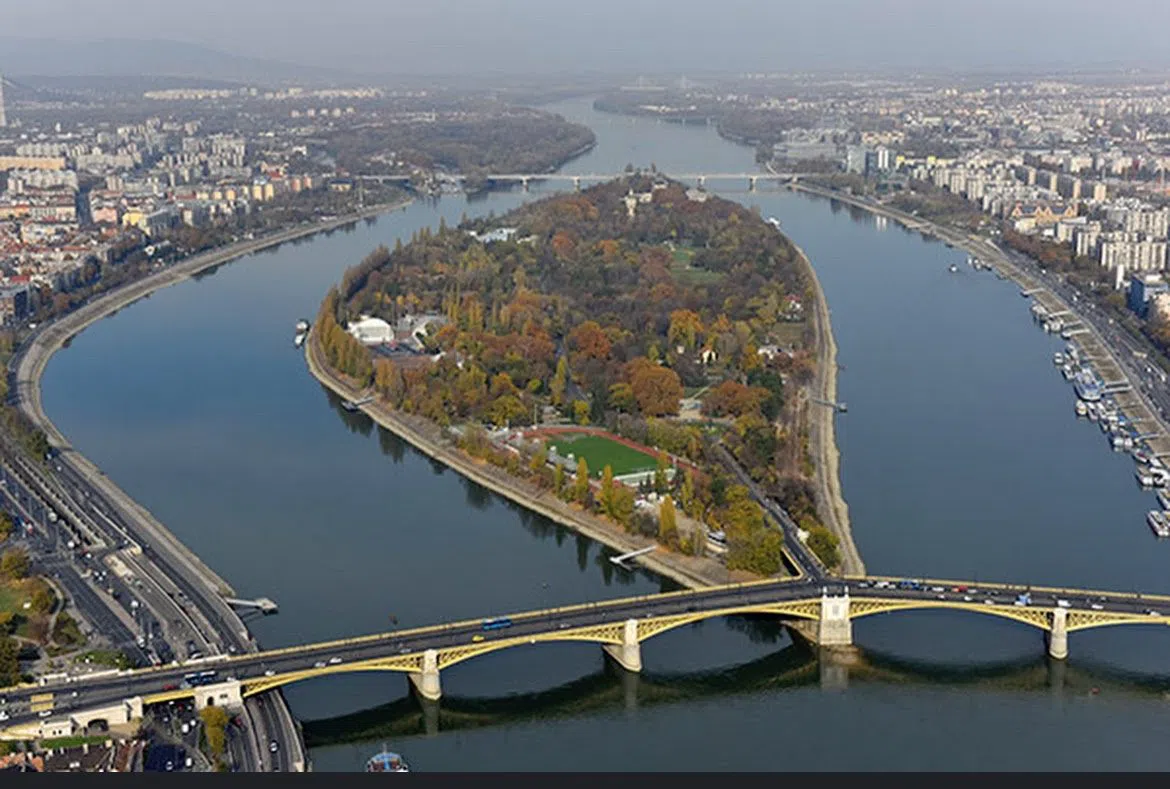
Come in from the southern end, where trams 4 and 6 stop on Margaret Bridge itself, and walk north. The musical fountain is the first thing you meet, running daily from 10:00 to 22:00 between 1 May and 31 October and switched off outside those dates, which matters if you are planning a winter visit around it. Beyond that the island loosens: the ruins of a thirteenth-century Dominican convent, where the king's daughter Margaret, who gave the island its name, spent her life; a small free petting zoo; a water tower; long lawns with nothing organised happening on them. The park itself costs nothing, though the individual attractions inside charge their own entry.
The island suits everyone, which is unusual. Couples get quiet paths on the Buda side, families get the zoo and the fountain, and larger groups can spread out without needing anywhere to sit down together. Walk it north to Árpád Bridge and pick up transport there rather than doubling back, and the whole thing takes a comfortable half day.
Plan your Budapest trip
Live prices from our booking partners.
Free cancellation on many rooms. We may earn a commission when you book.
Big parks on the Pest side
Városliget (City Park), in District XIV at the end of Andrássy Avenue, is over a hundred hectares and has been rebuilt across the past decade. Instead of treating it as a monument corridor and grinding through everything standing in it, take one museum and a long unhurried walk. The House of Music and the Museum of Ethnography are the two worth your time, each roughly 3,000 to 5,000 HUF, and both take group bookings in advance; the park around them is free with no limits on numbers. The lake carries rowing boats in summer and becomes an ice rink on the same water in winter, the same ground in either season, with nothing to plan around.
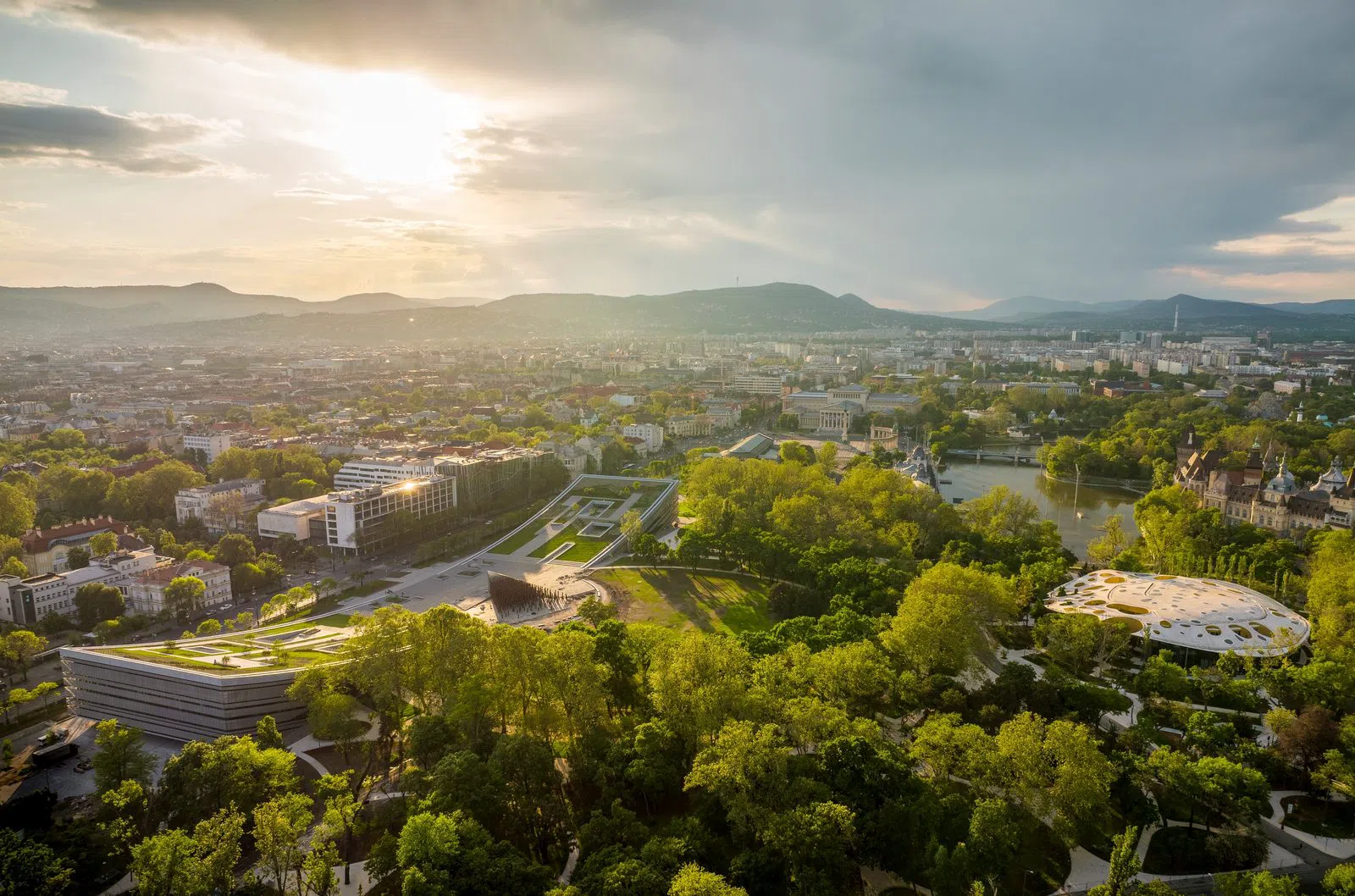

Inside Városliget, Budapest Zoo and Botanical Garden earns its slot as much for the botanical half and the century-old art nouveau pavilions as for the animals. It opens daily 09:00 to 18:00 on weekdays and until 19:00 at weekends, and entry is 5,900 HUF for an adult with the Biodome included. The Biodome is worth the detour: its one-hectare Urban Oasis opened on 1 July 2026 and gives you a warm green hour indoors when the weather has turned, which in Budapest it does properly in both directions. Group visits are arranged directly with the zoo.
Further south, Orczy Park in District VIII is one of inner Pest's largest green spaces and almost entirely local. It was rebuilt and reopened in 2018 around the Ludovika campus, and it now has a timed running track, an outdoor gym, sports pitches, boating and plain picnic lawns. Everything is free and unbooked for general use, which makes it the obvious choice for an active group that does not want a museum. It sits between two metro stops, so it is easier to reach than its low profile suggests.
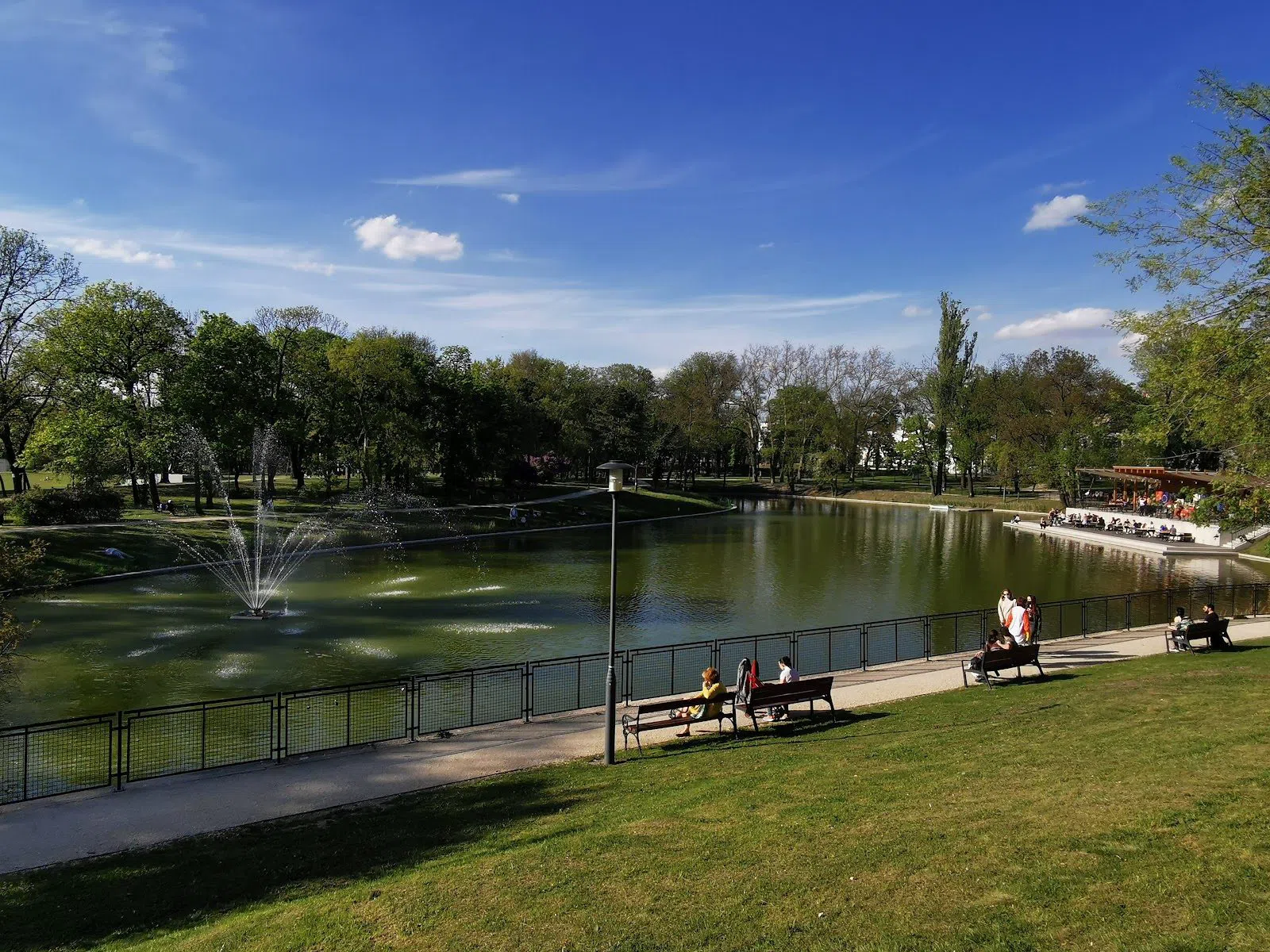
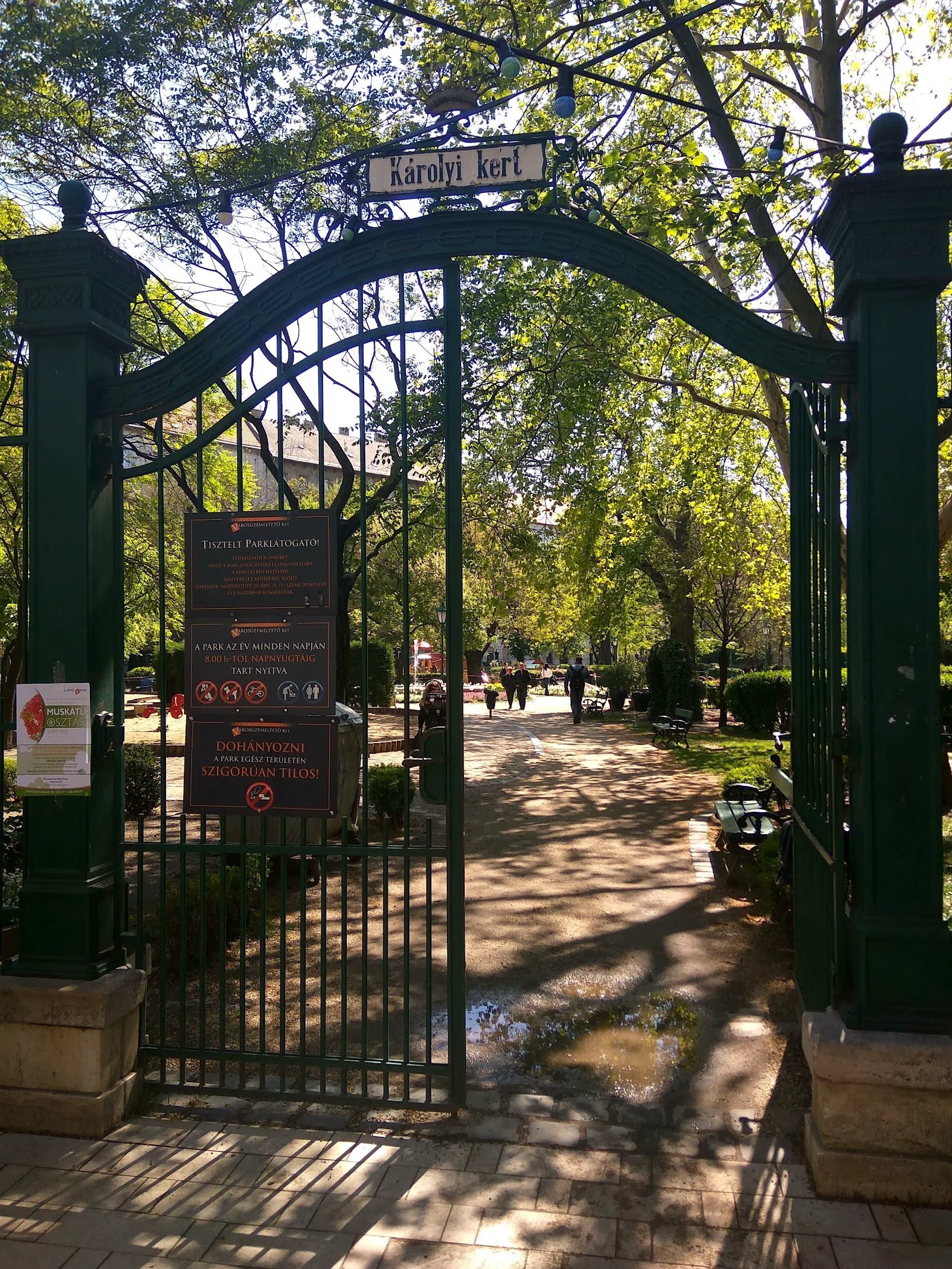
In the centre, Károlyi-kert in District V is the oldest surviving garden in the Fifth District and the best twenty-minute reset you will find between other places. It is small: fine for two or four people, no use at all to a coach party. It closes at dusk, roughly 8:00 to 21:00 in summer and to 17:00 in winter. Treat it as a pause, not a destination.
Gardens behind walls
Budapest's quietest green is fenced, and that is the point. Füvészkert – ELTE Botanical Garden, in District VIII ten minutes from the ring road, is Hungary's oldest botanical garden and holds over 8,000 species behind a wall. Entry is about 1,900 HUF, you can walk straight in, and outside cherry-blossom week it is close to empty. School and tour groups are accepted with advance notice and guided tours are arranged on request. It is the one place in Pest where the city stops.
Across the river, Budai Arborétum (MATE) in District XI is five minutes' walk from Móricz Zsigmond körtér and almost unknown to visitors. Entry is free within opening hours under the posted visiting rules, and informal groups are fine since there is no ticketing. Check which half you are aiming for: the Upper Garden opens on weekdays only, while the Lower Garden is open daily, 8:00 to 18:00 in summer and 8:00 to 16:00 from late October. A weekend trip that assumes both halves are open will end at a locked gate.
Millenáris Széllkapu, in District II two minutes from Széll Kálmán tér, is a new park rather than a restored one, and it fills a specific gap. It is free and open from 06:00 to 21:00, later in summer, groups are welcome, and the adjoining Millenáris halls run events. Use it as the stop between Buda Castle and the hills when what you want is shade, a bench and a cold drink rather than another sight.

The hill you can finally walk across
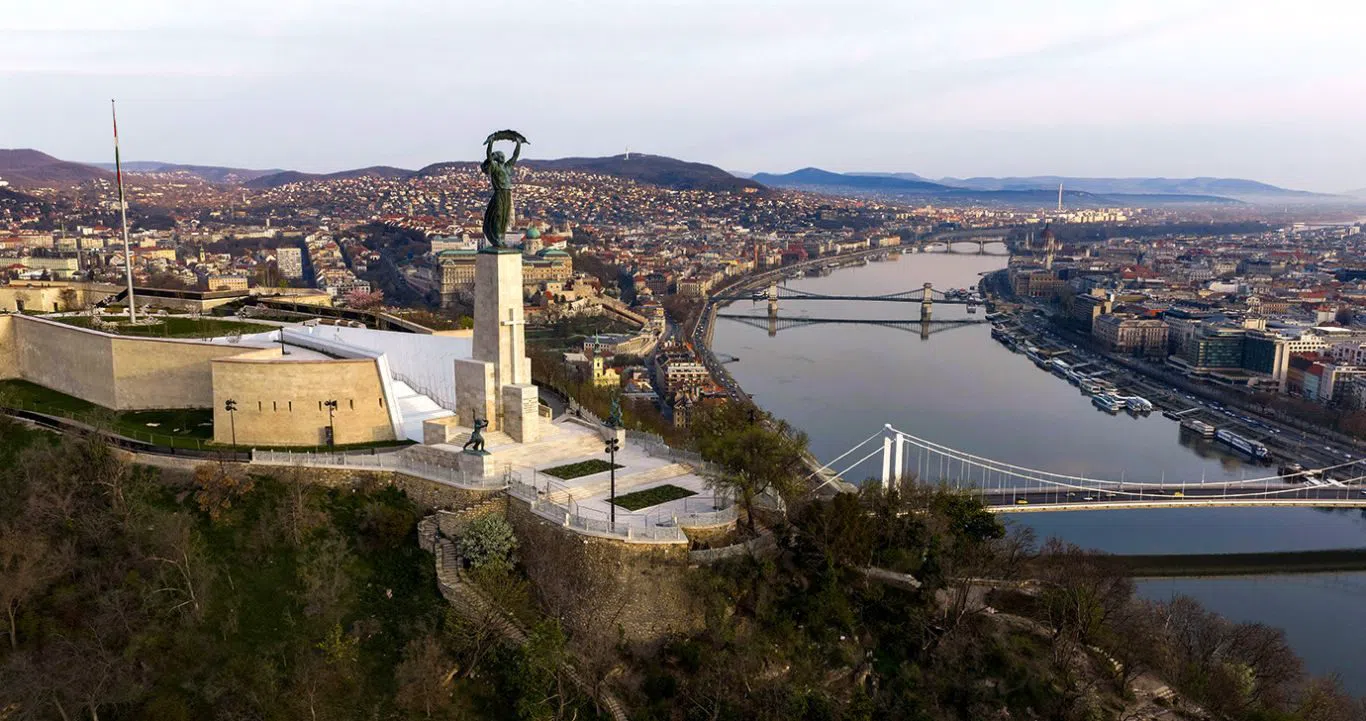
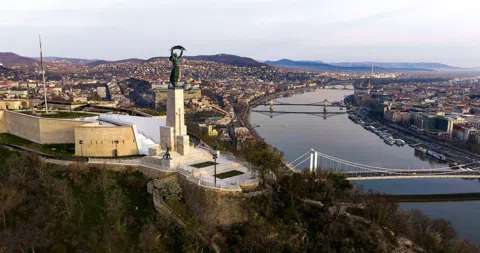
Citadella and Gellért Hill Park reopened on 28 March 2026 after eleven years behind hoardings, and it is a park now rather than a fenced fort. The rampart walkways, the Liberty Statue plaza and the paths between them are free and unticketed, which works for any size of group, and lifts and step-free routes make this the one big viewpoint in Budapest you can reach with a pushchair or without a long climb. If you want the indoor part, the Bastion of Liberty exhibition sells timed tickets at 4,900 HUF for an adult and includes a rooftop 360-degree viewpoint; group bookings are taken.
Go late in the afternoon. The hill faces the whole river bend, the light is best then, and unlike the castle district there is somewhere to sit down.
Into the Buda hills
The hills behind Buda are the part of the city most visitors miss entirely, and they are reachable on ordinary public transport in half an hour.
Normafa Park, in District XII, is the easiest real forest in Budapest: open hillside and colour-marked loops running from twenty minutes to half a day, reached by bus 21A or by the cogwheel railway. It is free to walk in, no permits, and groups simply arrive. Build your plan around one closure. The Erzsébet lookout tower on neighbouring János-hegy has been shut since February 2026 for structural repairs, so do not make climbing it the point of the walk.
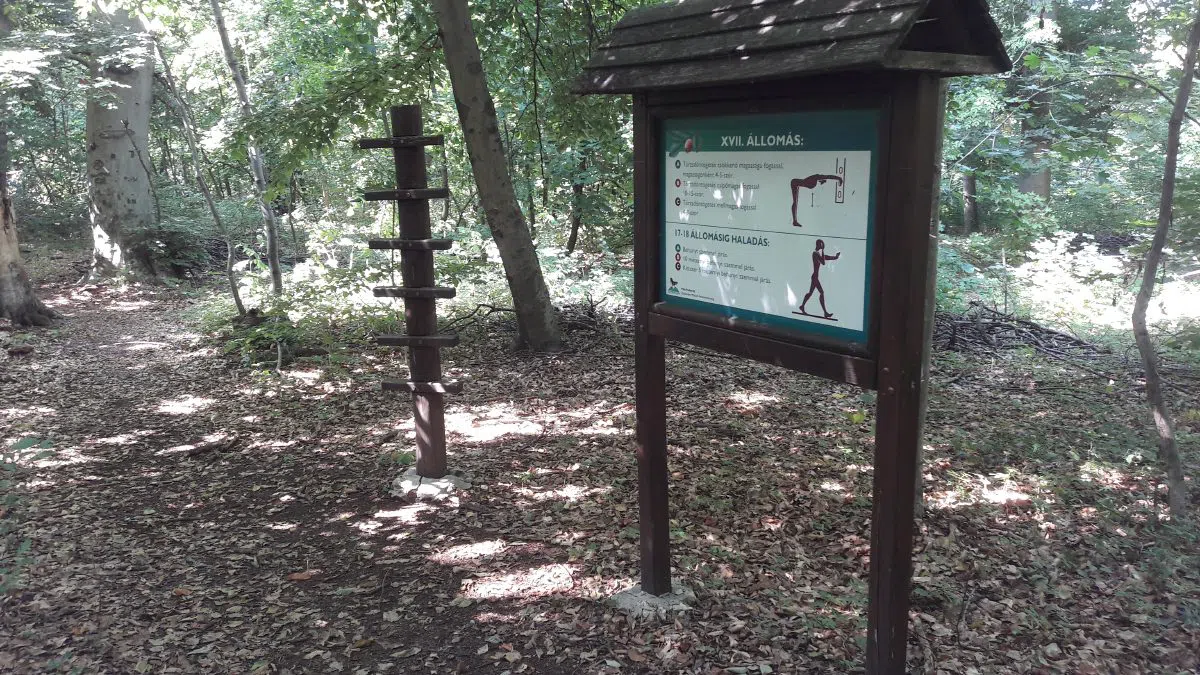
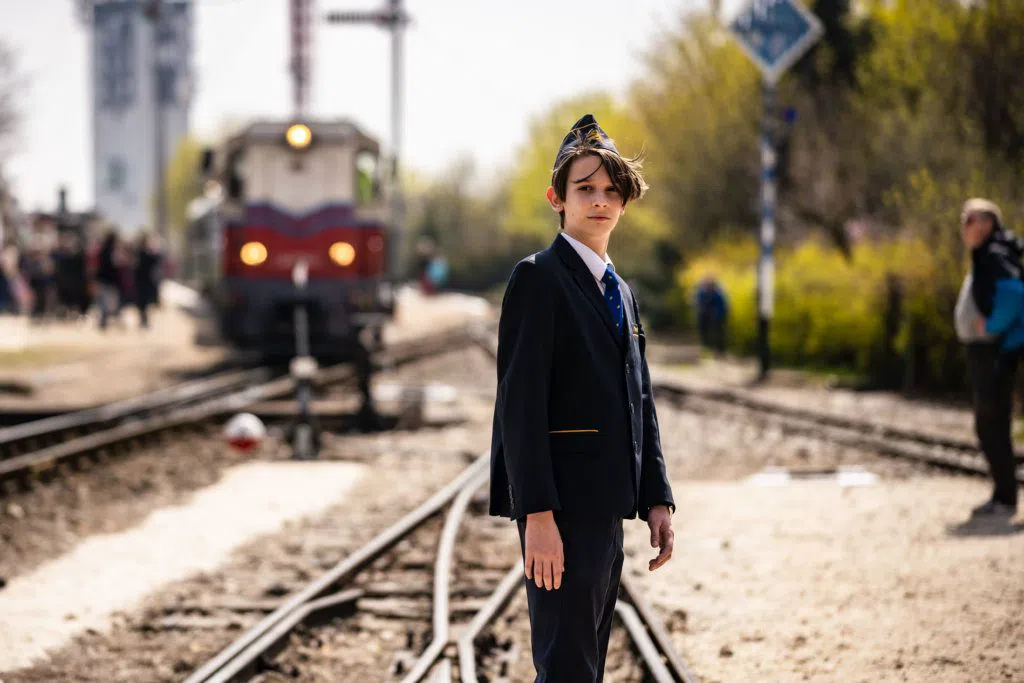
The Budapest Children's Railway (Gyermekvasút) is the cleanest way to string the ridge together without hiking all of it. The line runs 11.2 km through forest between Széchenyi-hegy and Hűvösvölgy, staffed by children under adult supervision, a survival of the 1948 pioneer railway that is still run with complete seriousness. Trains are hourly, tickets are walk-up and cost a few euros per leg, and it runs daily except Mondays from September to the end of April. Carriages are small, so a large group should contact the railway ahead rather than turn up together.
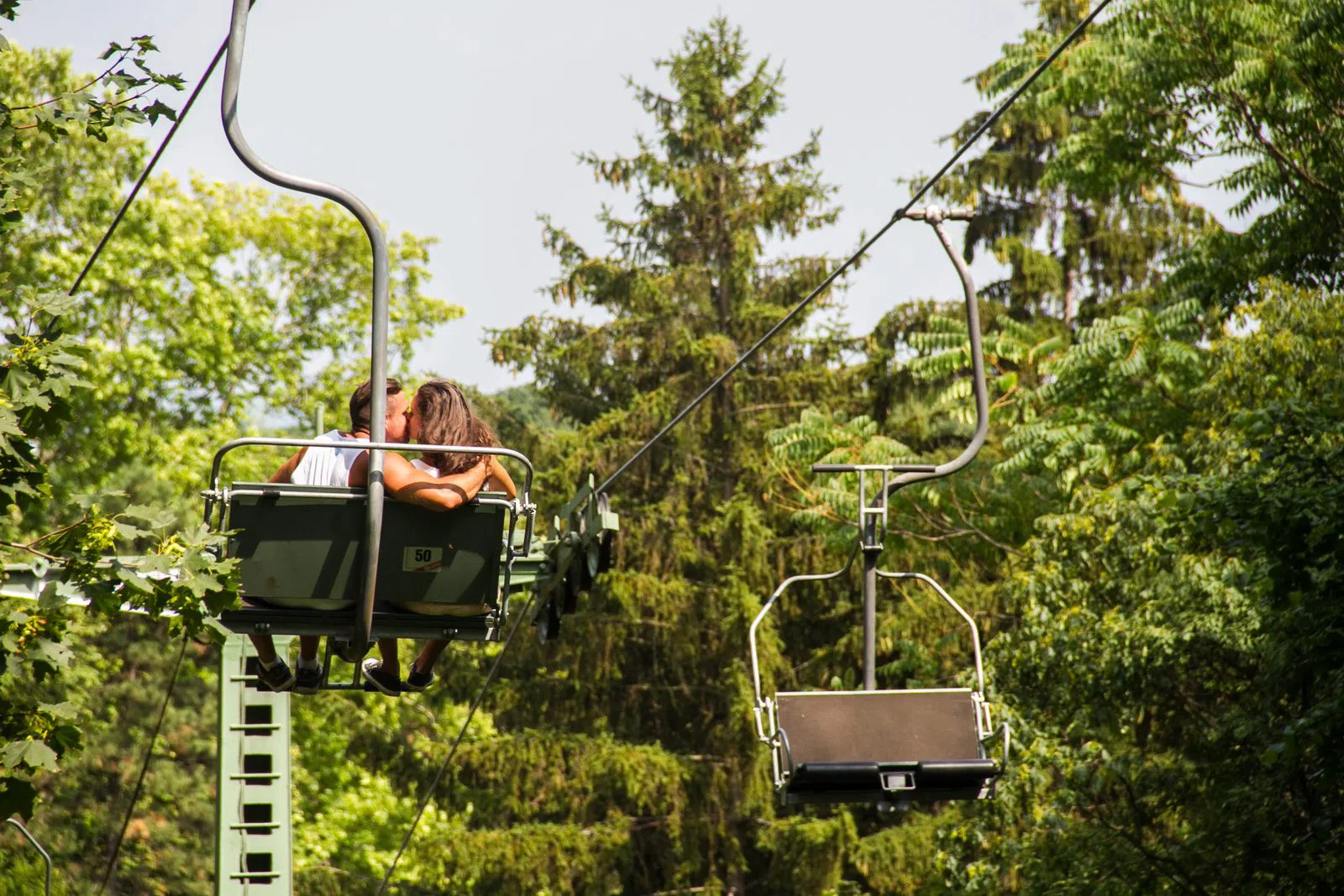
Its natural companion is the Zugliget Chairlift (Libegő), twelve quiet minutes up to János-hegy, the highest point in the city, at 3,500 HUF return, about €9. Loading is single-seat and continuous, so a group rides in sequence rather than together, and under-10s must be accompanied. It closes for maintenance on Mondays of even weeks. Put that alongside the railway's Monday closure and the rule is simple: do not spend a Monday in the hills.
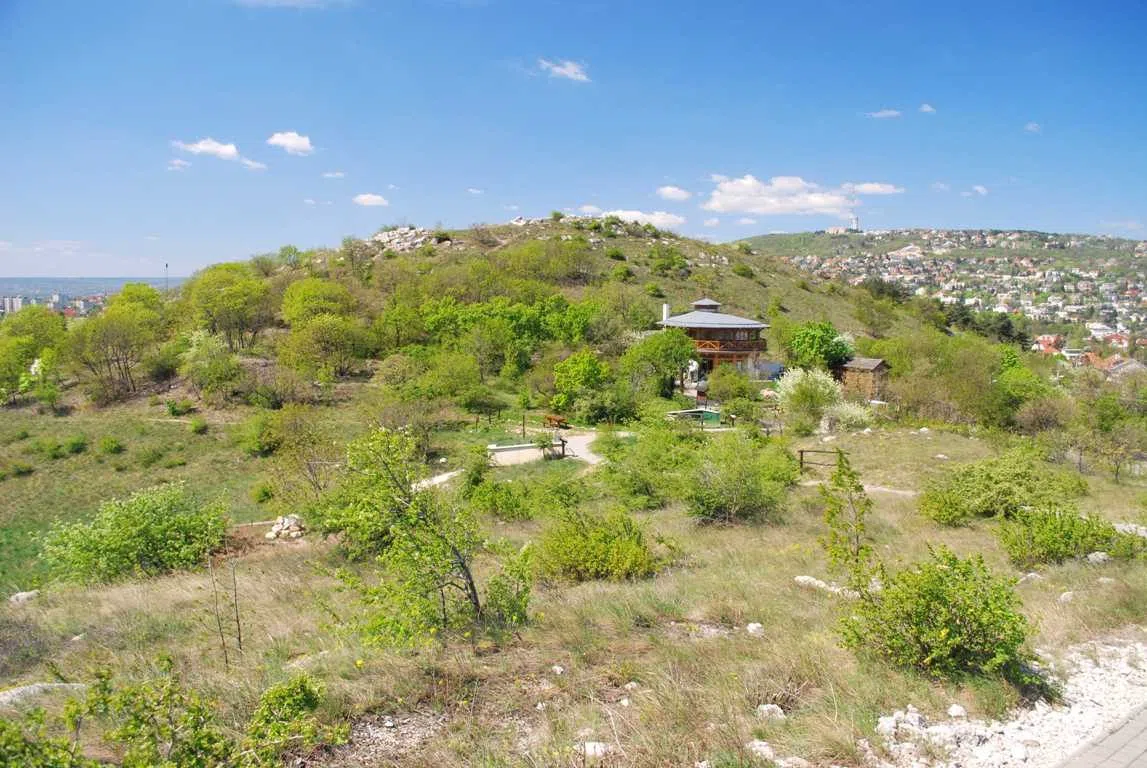
For something more deliberate, Sas-hegy Nature Reserve Visitor Centre in District XI protects a steppe hilltop inside the city, and its nature trail can only be walked with a guide. It opens March to October, weekends and holidays 10:00 to 18:00, at 2,400 HUF for the exhibition and guided tour. Groups can book weekday tours in advance, with English guiding available at 3,500 HUF a head. This one has to be planned rather than wandered into, and it is the most interesting hour in the list for anyone who cares what grows on these hills.
Two afternoons by the water
Kopaszi-gát / BudaPart, on the south Buda riverside in District XI, is ten hectares of free public parkland, car-free once you are past the car park. It is the most relaxed water's-edge afternoon in Budapest: lawns you can lie on with proper kitchens a few steps away, including two rooms in the MOL Campus listed in the Michelin Guide if you want to turn it into lunch. Restaurants along the strip take group reservations, and meals run roughly 5,000 to 12,000 HUF a head. Couples and families are equally at home here; it is the only entry on this list where the food is a genuine reason to come.

Római-part, on the Óbuda bank in District III, is the opposite register and the one locals actually use in summer. It is an open riverbank with no gate, reached by the flat Danube cycle path from the centre, lined with seasonal bistros and lángos huts that handle walk-in groups without fuss. The food is fried and unfussy rather than refined, a few thousand HUF will cover it, and most terraces are seasonal, so aim for warm months, daylight, and a weekday if you can.
When the city itself is too loud
One entry here takes a whole day. The National Botanical Garden, Vácrátót lies 35 km north and is reachable by train from Nyugati station. It holds Hungary's richest plant collection, opens daily 08:00 to 18:00 from April to October and until 16:00 in winter, and entry is a modest few euros. Groups and guided tours are accommodated with notice. If you have had four days of trams, ruin bars and thermal queues and the city is starting to grate, this is the correct response.

Practical notes
Transport. A single BKK ticket or a 24/72-hour pass covers trams, metro, buses and the cogwheel railway, and the network reaches every park above except Vácrátót. The chairlift and the Children's Railway sell their own tickets. Trams 4 and 6 run all night and stop on Margaret Bridge for the island.
Cash. Cards work almost everywhere, including most park kiosks, but the lángos huts at Római-part and some small stalls still prefer forint in cash. Keep a few thousand HUF on you. Prices are quoted here in forint; roughly 400 HUF sits near one euro, though the rate moves.
Timing. Mondays close the Children's Railway and, on even weeks, the chairlift. The musical fountain on Margaret Island only runs 1 May to 31 October. Sas-hegy is March to October and weekends only for individuals. The Budai Arborétum's Upper Garden is weekdays only. Everything else on this list is open year-round.
Budget. Most of it is free. A full green day (a park, one paid garden and a chairlift ride) lands around 8,000 to 10,000 HUF a head before food, and lunch at Kopaszi-gát can double that if you want it to.
Where to base yourself. Districts V, VI and VII put you within a tram ride of Margaret Island, Városliget and Gellért Hill; District XII is quieter and better if the hills are your priority. Compare rates and areas through Budapest hotel search, and for thermal baths, food and the rest of the city, start with the Budapest guide.
Before you go
Which Budapest park is best if I only have one free afternoon?
Margaret Island. It is free, open at all hours, closed to private cars and long enough at 2.5 km that it never feels crowded. Enter at the Margaret Bridge end on tram 4 or 6, walk north past the musical fountain and convent ruins, and leave at Árpád Bridge rather than doubling back.
Is the Citadella on Gellért Hill open again?
Yes. The park, rampart walkways and Liberty Statue plaza reopened on 28 March 2026 after eleven years of works and are free and unticketed. The indoor Bastion of Liberty exhibition, which includes a rooftop 360-degree viewpoint, costs 4,900 HUF for an adult on timed tickets.
Can I visit the Buda hills on a Monday?
It is the worst day to try. The Children's Railway does not run on Mondays during its September-to-April season, and the Zugliget Chairlift closes for maintenance on Mondays of even weeks. Normafa Park itself is open hillside and always accessible, though the Erzsébet lookout tower on János-hegy has been closed since February 2026 for structural repairs.
Which green spaces work for a larger group?
Margaret Island, Városliget, Orczy Park, Kopaszi-gát and Római-part all take any number without booking. Sas-hegy is built for groups but needs advance booking for weekday guided tours, at 3,500 HUF a head with English guiding. Károlyi-kert is too small for more than a few people, and the Children's Railway has small carriages, so contact it ahead.
Is there a green option for cold or wet weather?
Two. The Biodome at Budapest Zoo and Botanical Garden opened its one-hectare Urban Oasis on 1 July 2026 and is warm and green indoors, included in the 5,900 HUF adult ticket. Failing that, pair a short walk in Városliget with one museum inside it, roughly 3,000 to 5,000 HUF.