The Budapest issue
Budapest with Kids Away From the Tourist Spine
Half-days in Budapest for people who live in cities: a railway run by schoolchildren, a cave with 400 steps, pedal cars on a traffic-free island, and lunch where the office workers eat.

By Marek NovákNeighbourhoods, baths and the slow way round
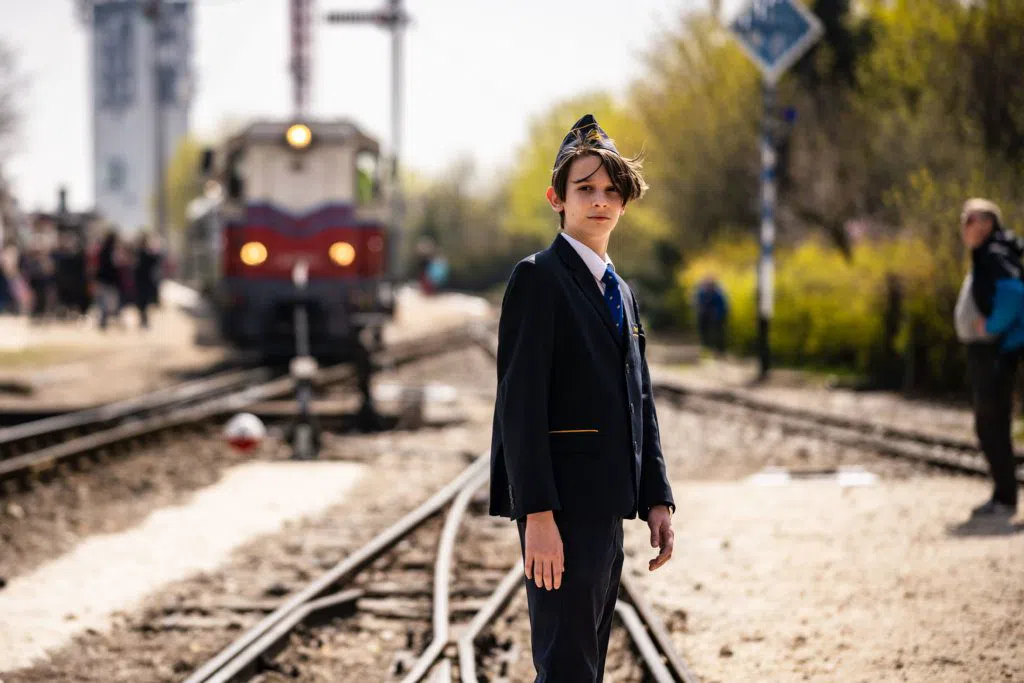
Twenty minutes above the Danube, in the beech woods on the Buda side, a ten-year-old in a peaked cap dispatches a narrow-gauge train. Down at river level the same morning, families queue for the same three photographs everybody else takes home. Budapest's own parents solved this a long time ago: they go uphill, underground, out to the open-air railway park or across to the island with no cars on it, and they eat lunch where the office workers eat.
What follows is a set of half-days rather than a list of sights. Each one is grouped by where it sits, so you can pair two of them in a day without crossing the city twice, and each carries the awkward details (the closed Mondays, the height limits, the seasons) that decide whether a trip out is worth making with a tired seven-year-old in tow.
A morning in the Buda Hills
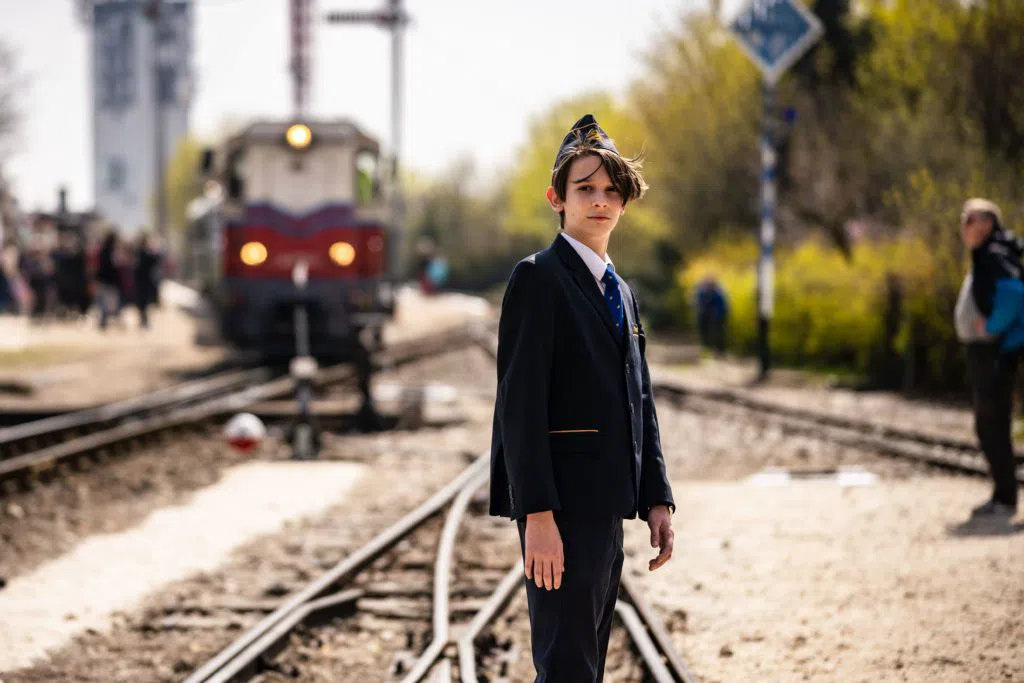
The Budapest Children's Railway (Gyermekvasút) runs 11 km through the hills of Buda, from Széchenyi-hegy to Hűvösvölgy, and schoolchildren have staffed it since 1948. They sell the tickets, work the signals, announce the stations and check the carriages; the adults supervise and drive. None of it is staged for visitors, which is why it works. Children watch other children doing a real job with obvious seriousness, and adults tend to enjoy it just as much. A single is roughly 1,500 to 2,200 HUF, with family tickets available, so about €4 to €6 a head.
Getting up there is half the trip. Tram 59 or 61 to Városmajor, then the cogwheel railway to Széchenyi-hegy, both on a standard city ticket, then a short walk to the terminus. Carriages are open seating and school parties are routine, so a family slots in easily; larger groups should check the daily timetable code before setting off, because capacity on each service is fixed. The line runs all year, but not on Mondays from September to the end of April. Confirm the day before you commit to the climb.

Ride as far as János-hegy, walk the ten minutes up to the summit at 528 m and the stone lookout tower, then come down the other way on the Zugliget Chairlift (Zugligeti Libegő) in Zugliget. Fifteen minutes of dangling over the treetops, two to a chair, with no booking and no timed slot. Chairs load continuously, so a party of twenty clears the queue in minutes. A return is around 2,000 to 3,000 HUF and one-way is cheaper, which is the sensible choice here since you have already come down the hill. It shuts for maintenance on alternate Mondays, and it closes for longer spells in April and late summer. Buses run from the lower station back towards the Buda side.
Plan your Budapest trip
Live prices from our booking partners.
Free cancellation on many rooms. We may earn a commission when you book.
An hour underground on Szépvölgyi út
Pálvölgyi Cave (Pál-völgyi-barlang) sits at the foot of the same hills on Szépvölgyi út, and it is one of the few real adventures inside the city limits. Tours are guided only, leave hourly and last about an hour, with more than 400 steps, some narrow passages and a steady cool temperature underground. Adults pay 3,900 HUF, concessions 2,800 HUF, roughly €10 and €7.
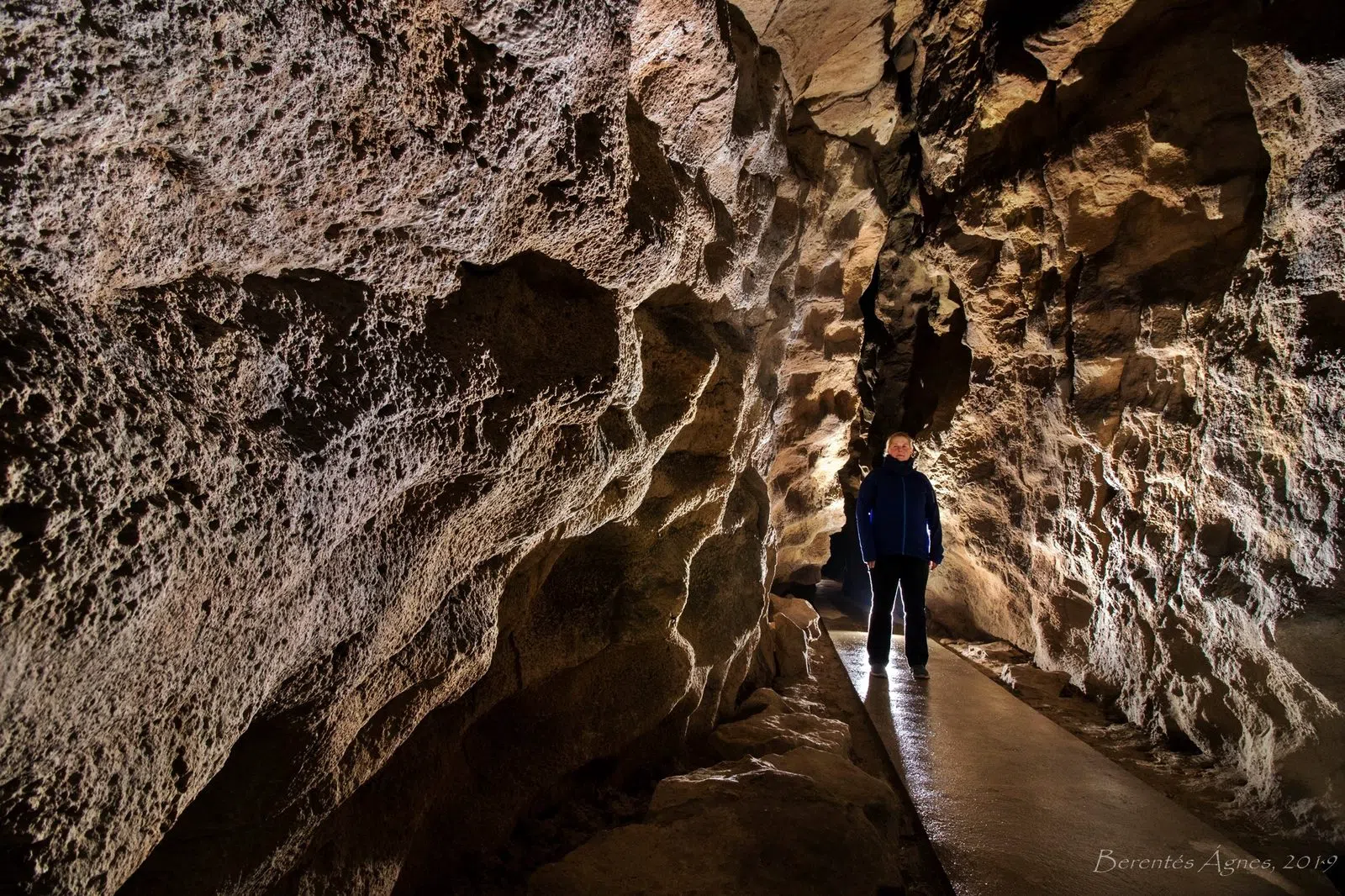
The cut-off is strict and enforced at the door: no children under five, and nobody shorter than 115 cm. Measure at home rather than finding out after the trip out. Groups of ten or more must pre-register by phone, and weekday school groups get ten per cent off. Take a jumper and shoes with grip; the handrails are there for a reason, and a child who is already worn out from the hills will not enjoy the stairs. Morning tours suit families better than late ones.
City Park on a wet day
Budapest Zoo and Botanical Garden (Fővárosi Állat- és Növénykert) in City Park opened in 1866 and has spent the last few years turning itself into somewhere you can spend a rainy day rather than only a bright one. The Biodome's Urban Oasis hall opened on 1 July 2026 after a long stalled construction: a hectare of indoor jungle, thirty life-sized prehistoric reptiles and 13,000 plants, all under cover. Adults are 5,900 HUF, children 4,200 HUF, about €15 and €11. School and tour parties are standard here; book by phone or email for group rates, and reckon on most of a day if the weather keeps you inside.

A few minutes' walk away, the House of Music Hungary (Magyar Zene Háza) gives restless children something to do with their hands, which most museums do not. The underground permanent exhibition hands every visitor headphones that respond to where they are standing, so the soundtrack changes as they wander; the Sound Dome and the creative Sound Lab do the rest. Screenings are in Hungarian, but the experience is almost entirely non-verbal, so the language rarely gets in the way. Tickets run about 3,500 to 4,500 HUF for adults with child discounts. Entry is timed and the Dome and Lab have limited capacity, so book a slot rather than turning up and hoping.
Three museums that hold a seven-year-old
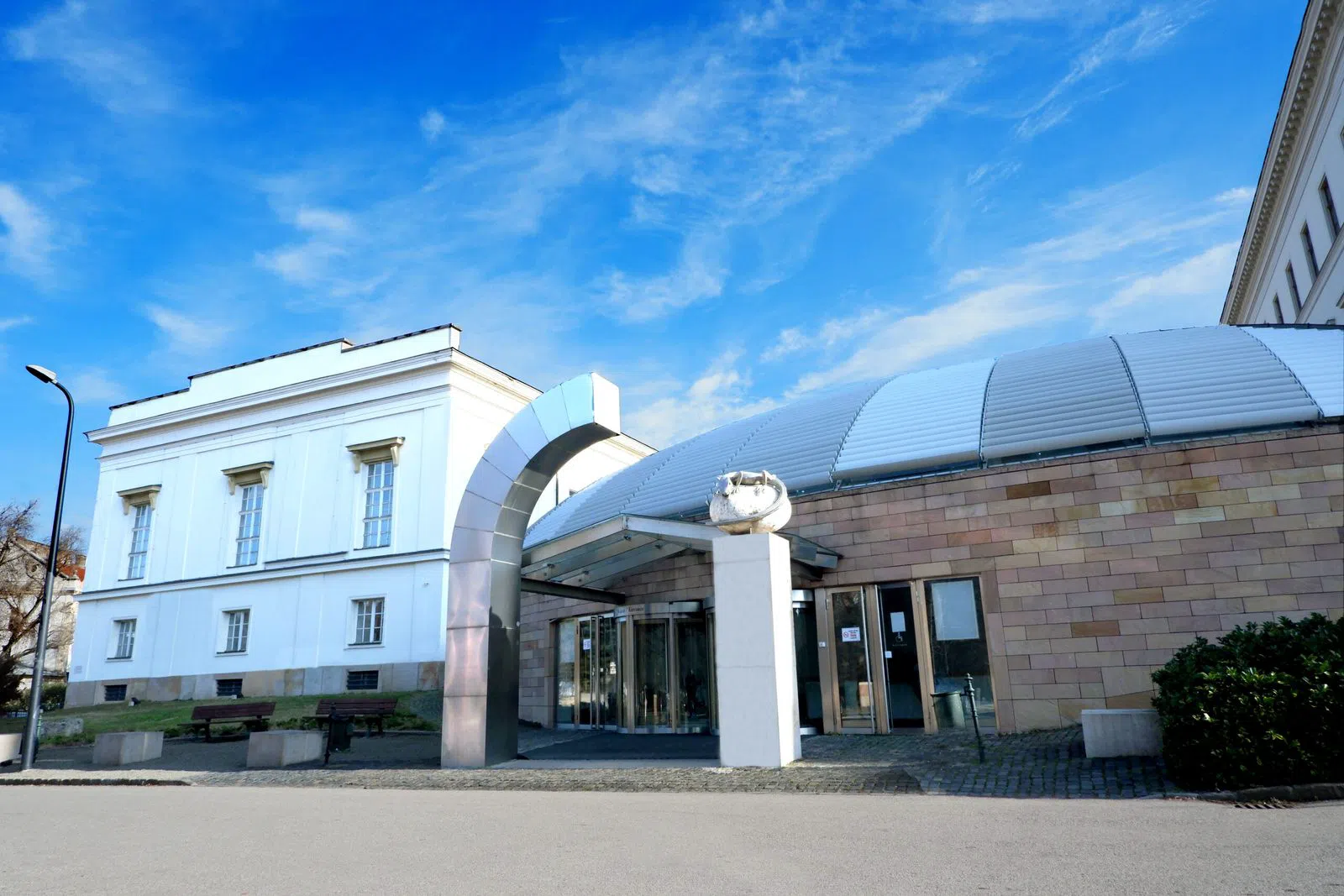
The Hungarian Natural History Museum (Magyar Természettudományi Múzeum) sits out at Ludovika tér, away from the tourist spine, and stays quiet because of it. Small children take to it without any coaxing: you walk on a glass floor above a coral reef, and the Lost Worlds hall puts Hungarian dinosaurs at eye level. Adults pay around 2,000 to 3,000 HUF, children less, and you can book online through Jegymester, with guided sessions available. There is a reason to go sooner rather than later. The collection is slated to leave the capital around 2030, so the building as it stands will not be there to visit much longer.
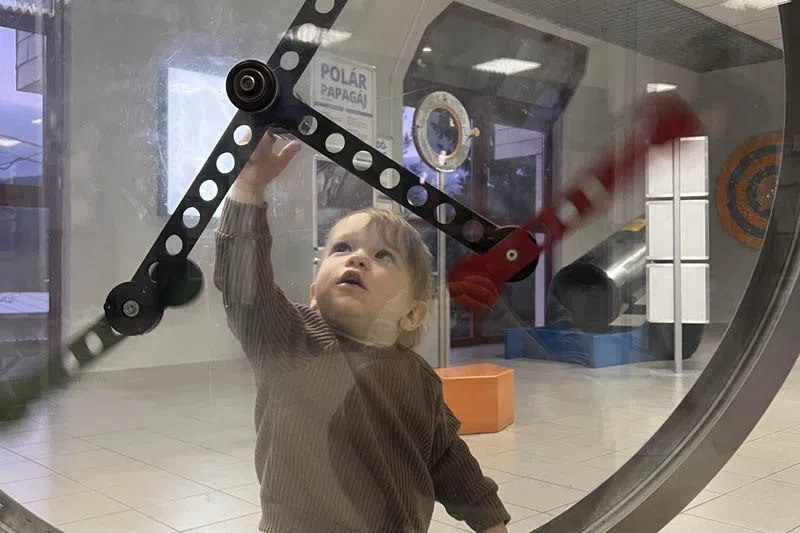
Csopa Science Centre (Csodák Palotája) is the one for the seven-to-fourteen bracket that most museums lose. More than 250 hands-on machines, all of them meant to be touched, plus four live experiment shows a day in the Öveges lecture hall. Expect 4,500 to 6,500 HUF a head. It is built for groups, with preschool, class-excursion and camp packages and a registration form, so a birthday-sized party is no trouble. Note the address: it is now at Mátyás király út 24 in Óbuda, not the central site older listings still give.
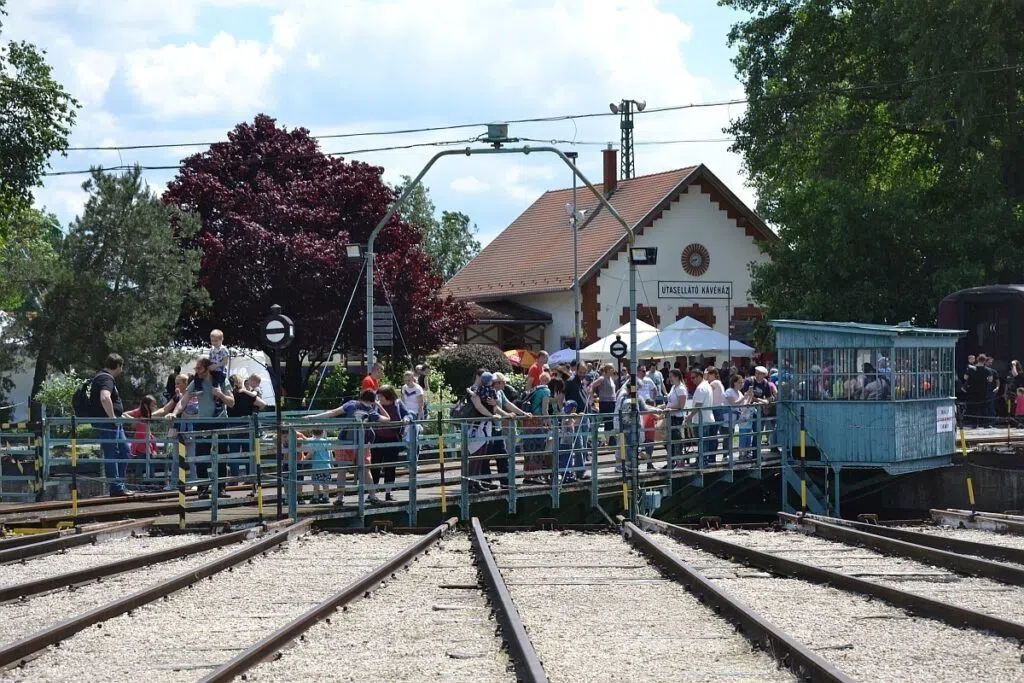
The Hungarian Railway Museum (Magyar Vasúttörténeti Park) in north Pest is open-air, and children pump a handcar along a siding, climb into locomotive cabs and ride the garden railway, none of which an indoor museum can match. Adults 3,200 HUF, children aged 3 to 18 1,500 HUF, a family ticket for two adults and two children 8,700 HUF, with ride extras at 1,600 to 2,200 HUF each. Parts of the site are still fenced off for dismantling works after Planet Budapest. Tickets are discounted to reflect that, and you should not expect full access. Large groups are fine, given the space.
Water that works in any season
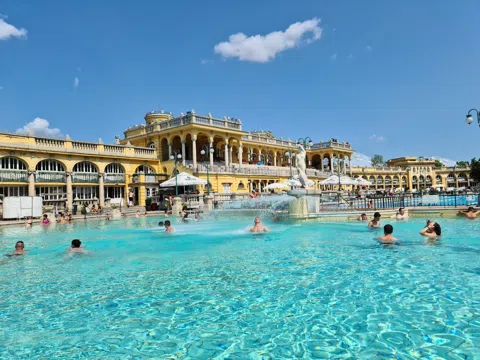
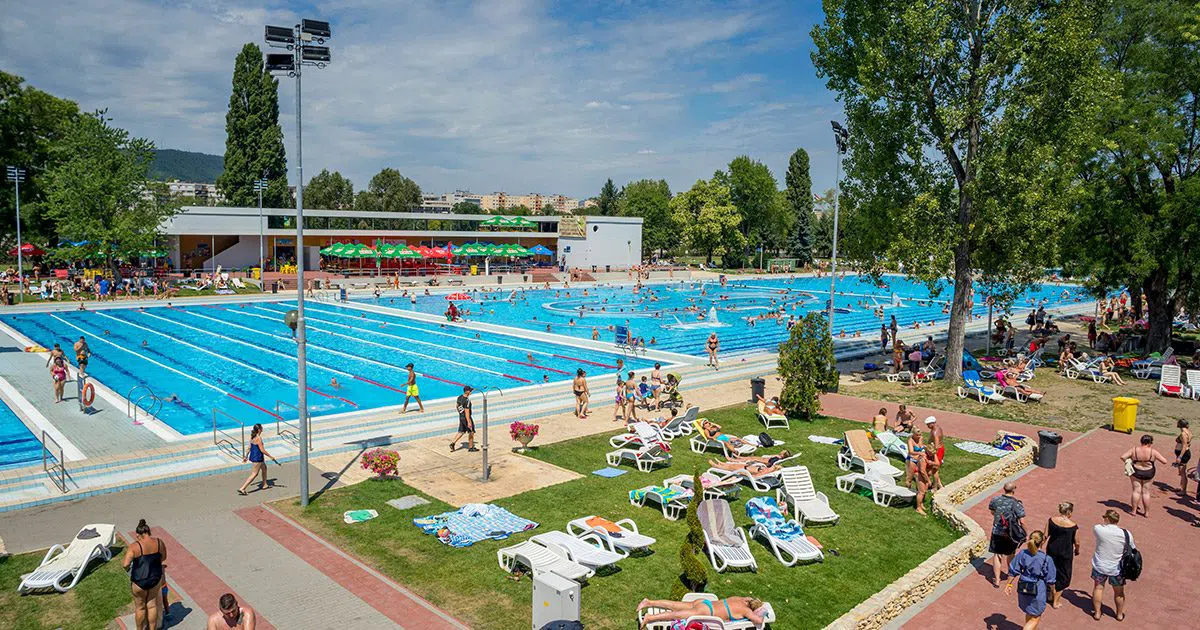
Palatinus Strand on Margaret Island is the one thermal complex in the city built around children rather than tolerating them. A wave pool, slides and a shallow kids' pool sit alongside the thermal water, so nobody has to be quiet. Adults are 6,000 HUF on a weekday and 6,500 HUF at weekends, children 4,500 to 5,000 HUF, under-threes free. Capacity is very large and lockers and cabins are taken on arrival, so families and groups rarely have a problem. The catch is the calendar: the outdoor season runs from late April to the end of August, and that is the whole of it.
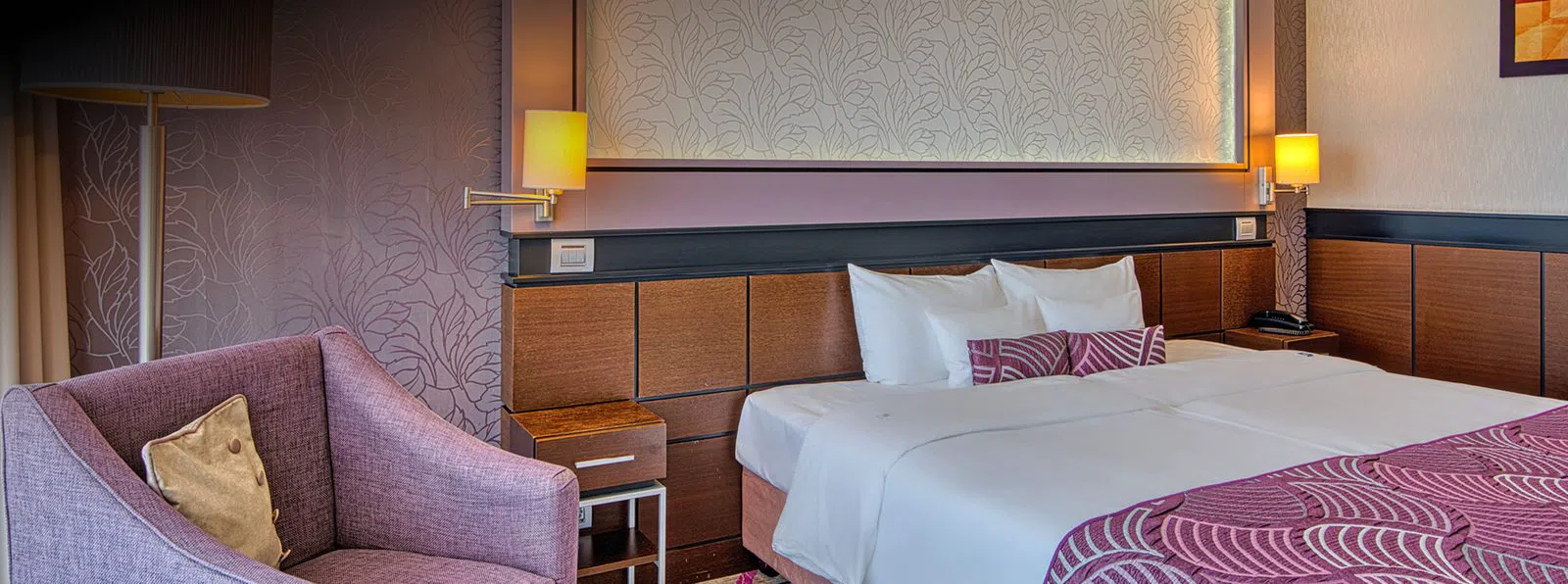
For the rest of the year, Aquaworld Budapest out at Íves utca in north Pest is indoor, open all year, and large enough to absorb a school group or a sports team through its events desk. Day tickets run about 9,000 to 13,000 HUF for adults with lower child rates, which is not cheap, so treat it as a deliberate half-day rather than a fill-in. Guests at the attached hotel get unlimited free access, which changes the sums considerably if you are staying several nights.
The far south of Buda
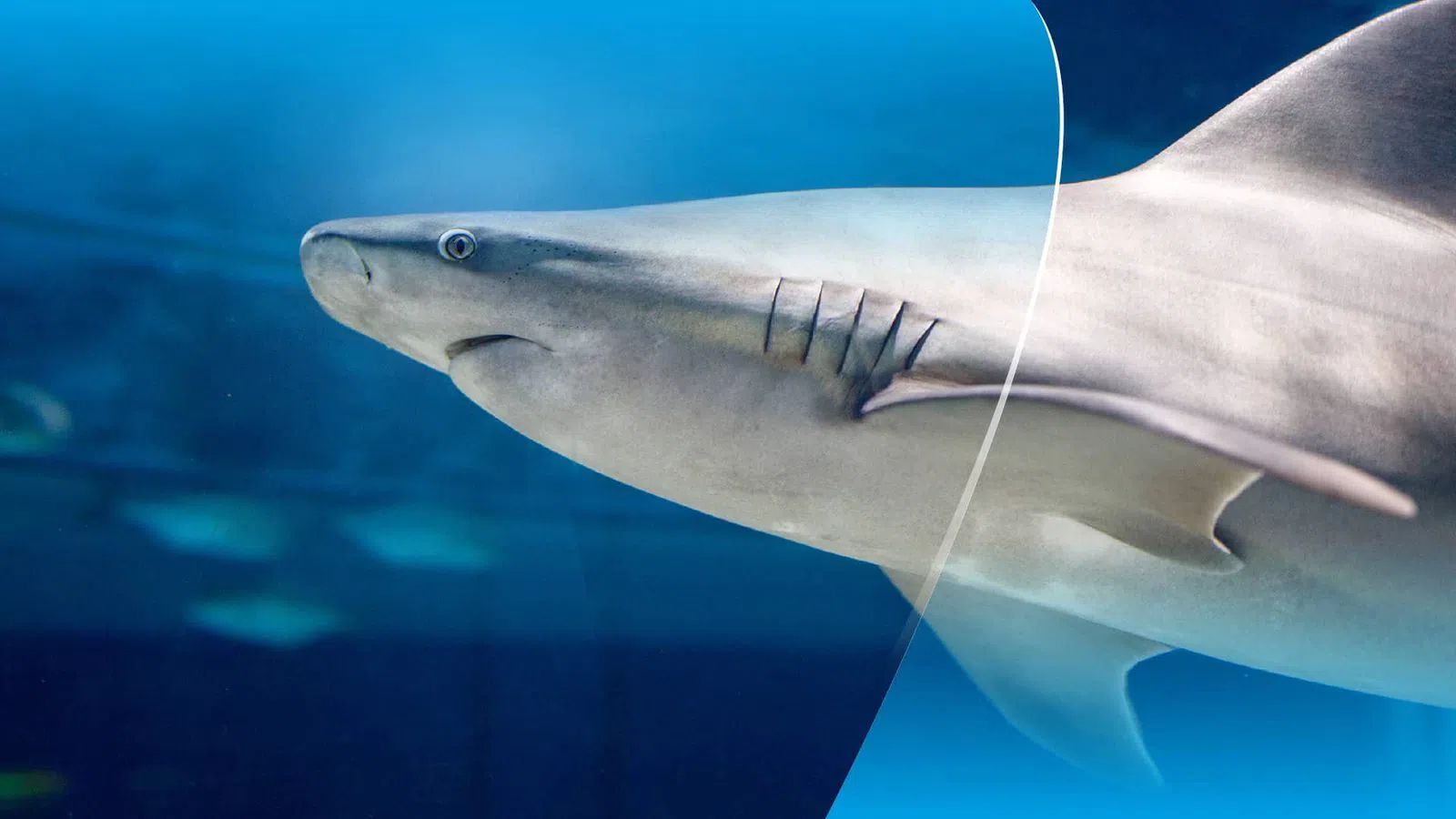
Tropicarium sits at Campona in the far south of Buda, and the distance from the centre works in its favour: it stays calm on the afternoons when everything downtown is heaving. Two things get talked about on the way home, the hourly simulated rainforest downpour, thunder included, and the pool where children can put a hand in the water and touch a passing ray. Adults are 4,700 HUF on weekdays and 5,500 HUF at weekends, children 3,500 to 4,000 HUF. There is a group discount for fifteen or more and a dedicated booking form; the building comfortably absorbs a coachload, so it does not feel crowded even when it is busy.
Pedal cars on Margaret Island
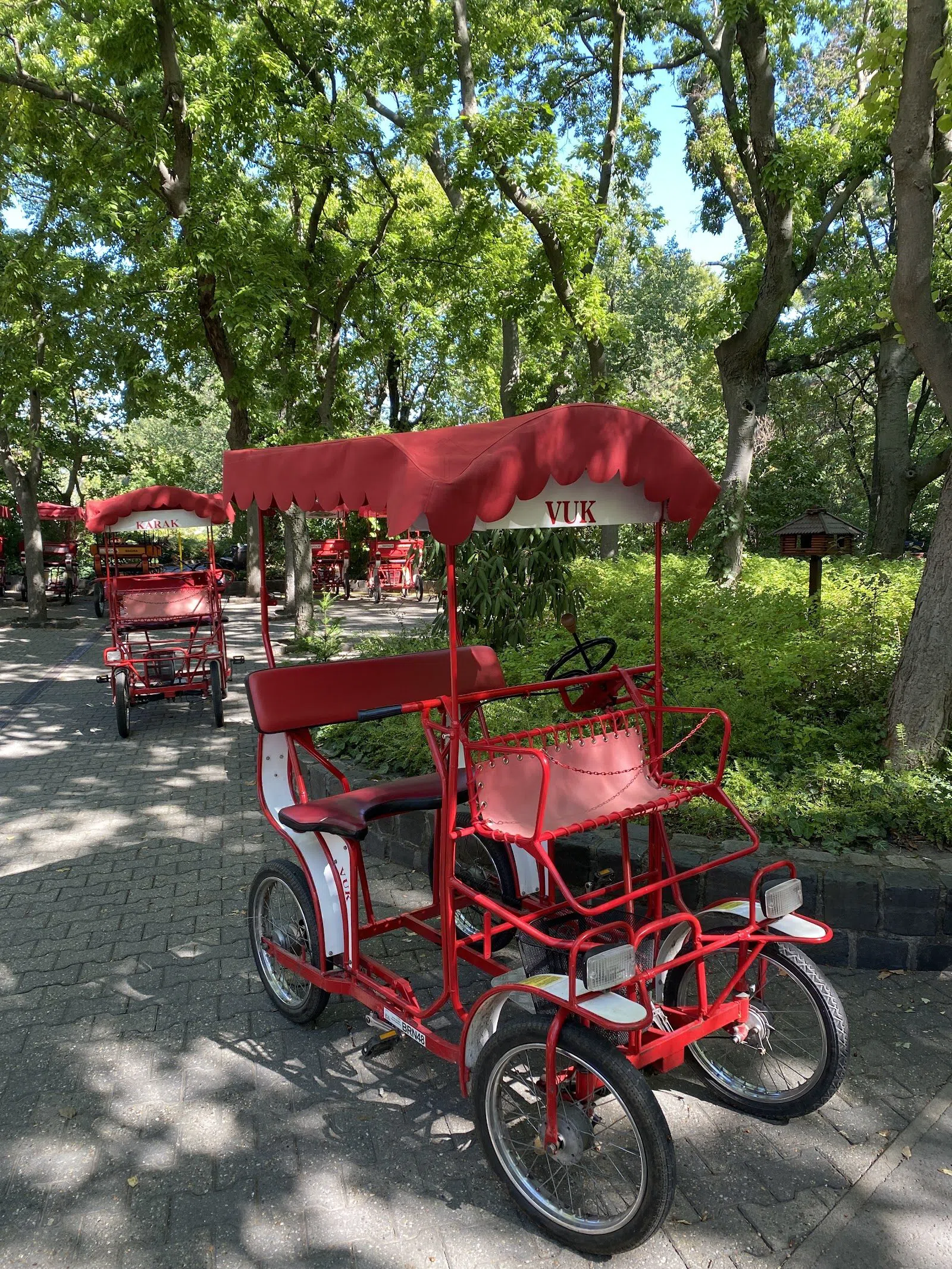
Margaret Island has been a retreat since the thirteenth century, when a royal daughter was sent to the convent whose ruins are still there in the grass. It is now the one part of Budapest with no through traffic, which is why letting a child steer is relaxing rather than nerve-shredding. Bringóhintó hires out pedal quadricycles that seat two adults plus two children, at 6,900 HUF for 30 minutes, 9,000 HUF for an hour and 21,900 HUF for three, roughly €17 to €55 per vehicle rather than per person. Hire is walk-up, and a party can simply take several vehicles. Stands open daily from 09:00 to sunset, though most close over winter. An hour is plenty for a loop with stops; three hours is for a family that wants to spend the whole afternoon there, and it pairs neatly with Palatinus in summer.
An evening that suits teenagers
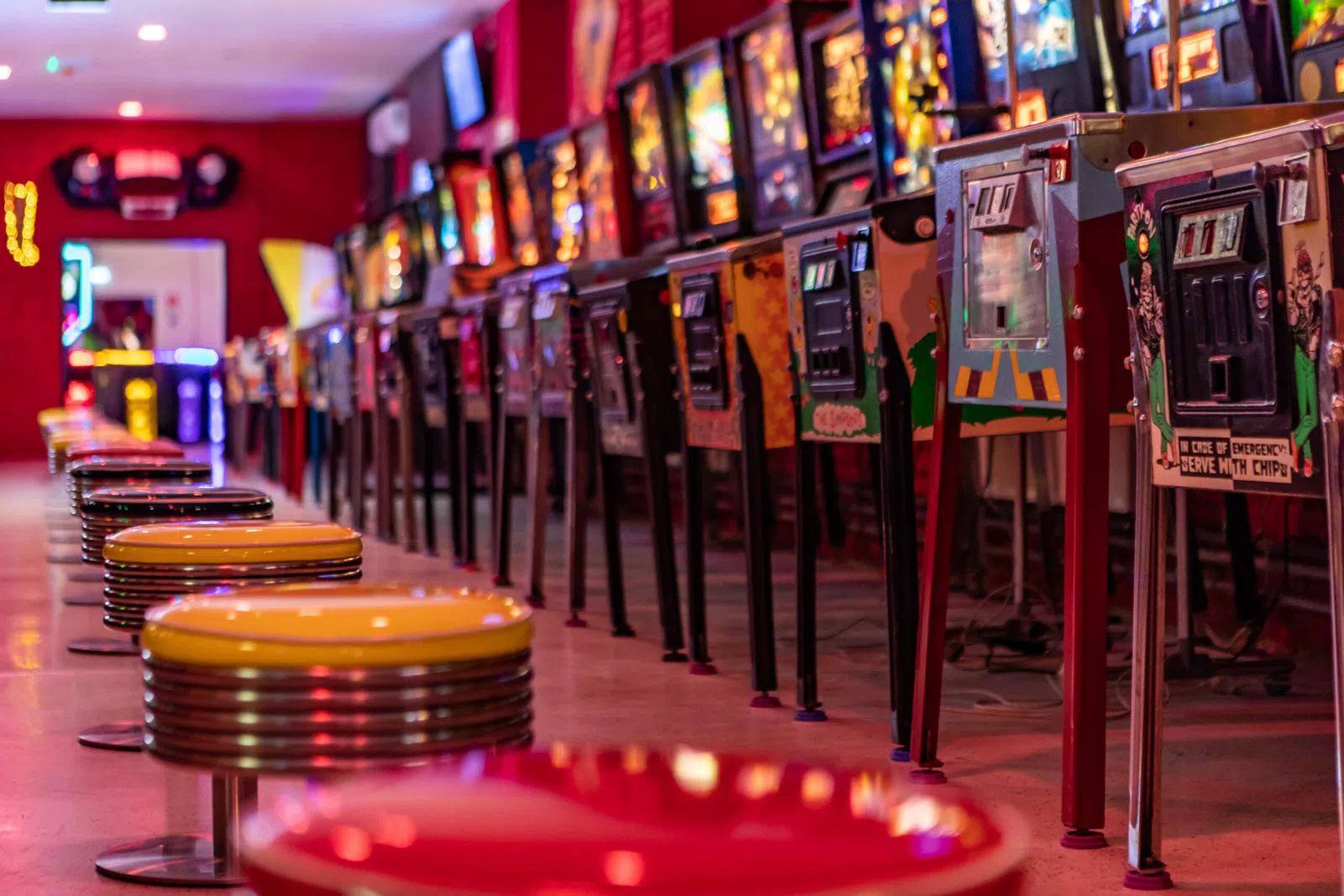
The Budapest Pinball Museum (Flippermúzeum) holds a fourteen-year-old and a grandparent in the same room, which is the hardest thing to arrange on a family trip. One entry price of about 5,000 to 6,000 HUF covers unlimited play on every machine, so there is no queueing at a till and no rationing of coins. It does not open until 16:00 midweek, so it is an evening plan and never an afternoon rescue. It is also a standard birthday and stag venue, so the later it gets, the more adult the room becomes. Arrive when the doors open and you will have the place largely to yourselves.
Where to eat without a standoff
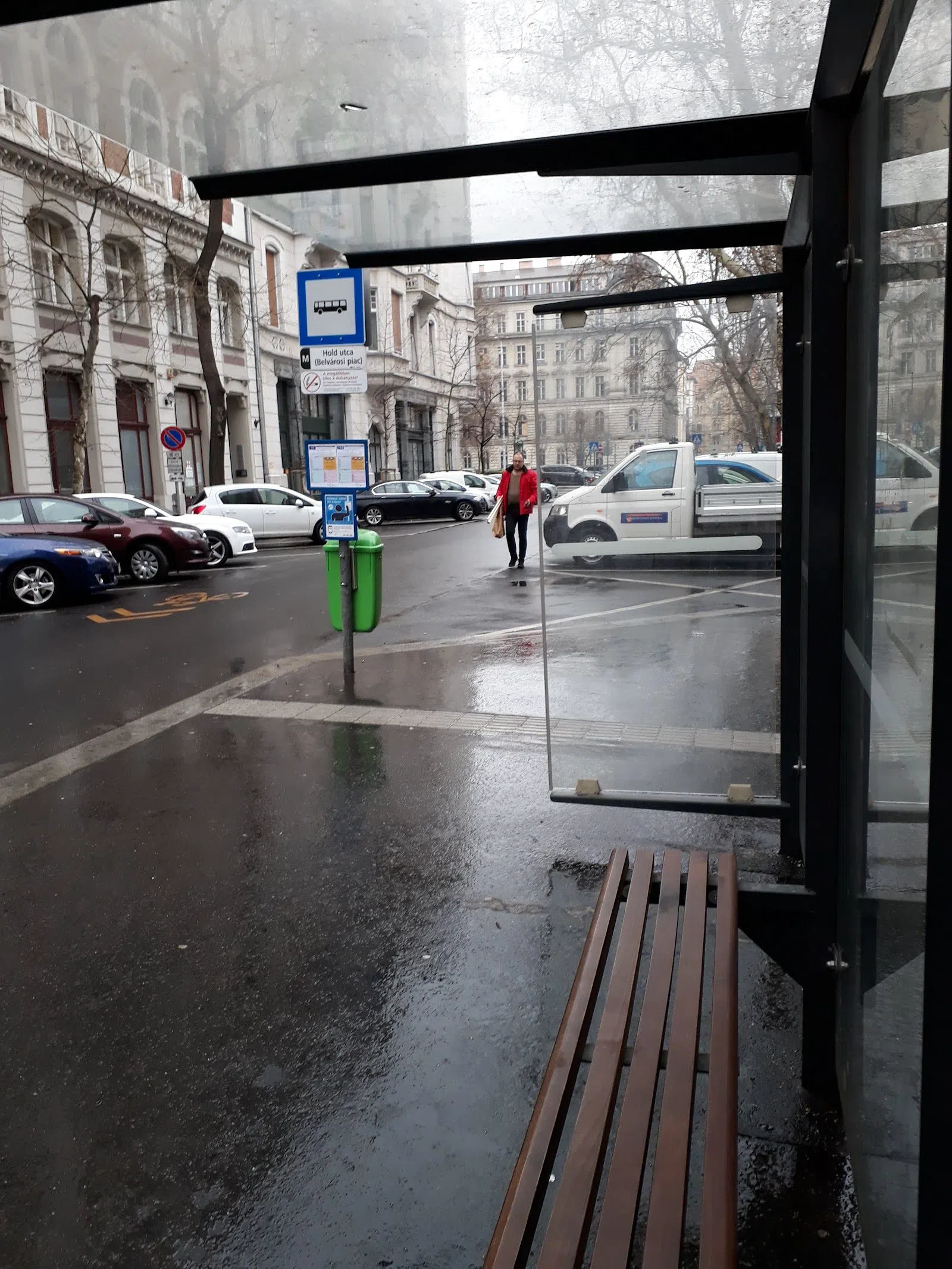
Belvárosi Piac (Hold utcai vásárcsarnok) is a working market hall near the ministries in the fifth district, and its upstairs gallery has filled with small kitchens serving paprikash, soups and daily menus to civil servants. That clientele is why prices stay honest: lunch plates run roughly 2,000 to 4,000 HUF. Seating is informal and shared, so a family walks in without booking, while a large party should split across two or three stalls rather than trying to sit together. It closes at 18:00 on weekdays and 14:00 on Saturday, and all day Sunday. Lunch only.
Stand25 Bisztró at Attila út 10 in Buda is the one proper meal worth planning around. Tamás Széll and Szabina Szulló cook classic Hungarian food at a fraction of tasting-menu money, mains roughly 5,000 to 8,000 HUF, and children are fed without ceremony or fuss. The room is small: book ahead, and call rather than book online if there are more than eight of you, because that is a stretch for them. Ignore older listings that put it in the Hold utca market. It moved.

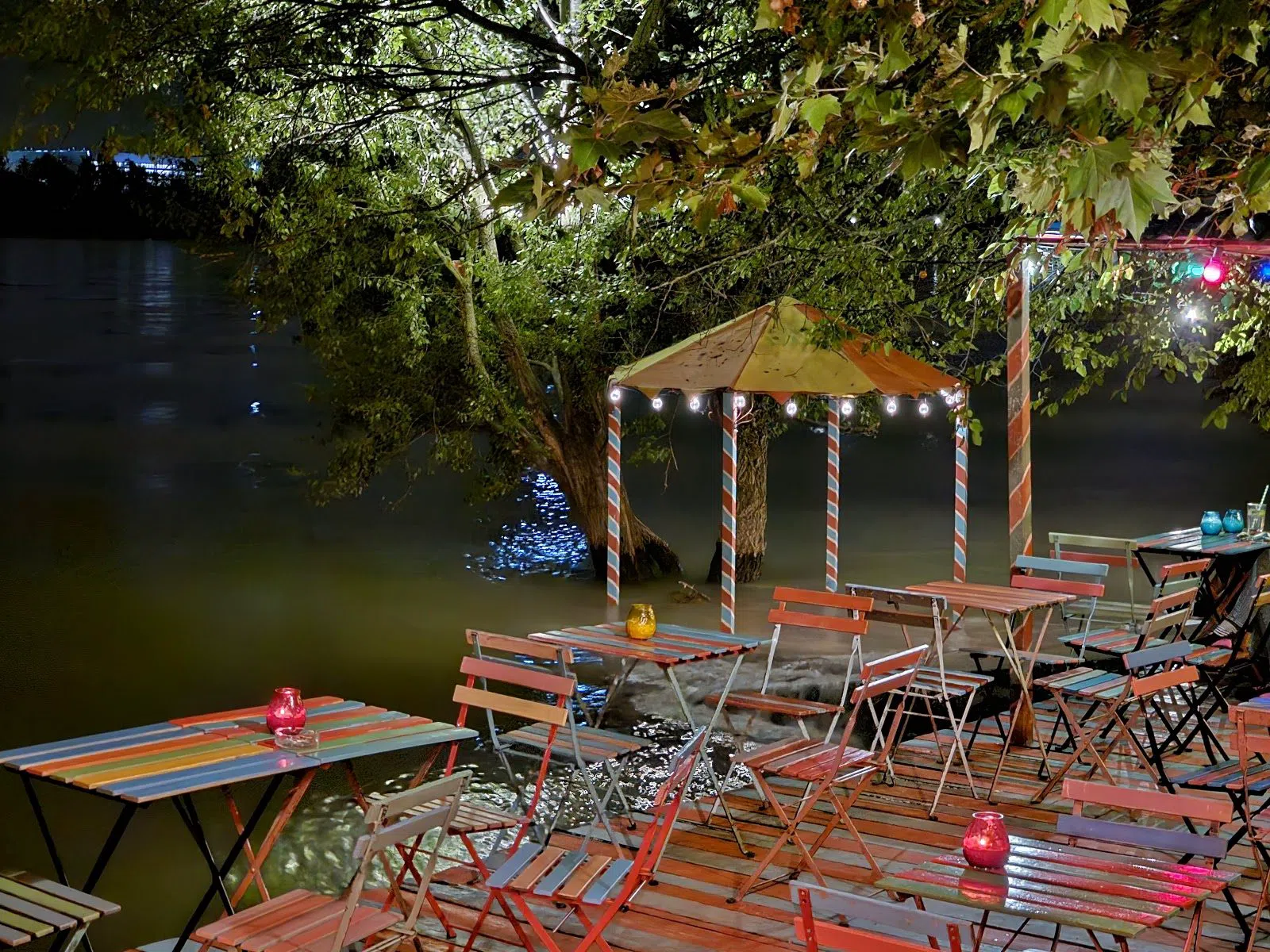
In summer, Fellini Római Kultúrbisztró on the Roman-era riverbank north of the centre is where the day ends. There is a children's menu, a play boat, and enough space for children to run about while the adults sit still, plus weekly outdoor cinema, concerts and a mobile library. Drinks and grilled plates come in around 1,500 to 4,000 HUF, groups arrive by bike, boat or on foot, and there is no door policy to speak of. It runs roughly May to early October, so a winter trip should leave it out entirely.
Practical notes
Transport is the easy part. A 24- or 72-hour BKK travelcard covers trams, buses, the metro and the cogwheel railway, and children under six travel free. The Children's Railway and the chairlift are priced separately and are not covered by city tickets. Distances look large on the map but the tram network is fast; the two long hauls are Tropicarium in the far south and Aquaworld in the north, and neither should be attempted on the same day as anything else.
Cards work almost everywhere, including museum desks and the baths. Keep a few thousand forint in cash for market counters, the draisine rides and the chairlift kiosk. Prices are in forint only, so if a card machine offers to charge you in your own currency, decline it. Mondays are the day to watch: the Children's Railway does not run on Mondays from September to April, the chairlift closes on alternate Mondays, and several museums take the day off. Build Monday around the zoo, the water or the market instead.
As a rough budget, a family of four should reckon on 20,000 to 30,000 HUF for a hills morning including tickets and lunch, and 25,000 to 40,000 HUF for a full indoor day at the zoo or a water park. Staying in Buda near the hills suits a trip weighted towards the railway, the cave and the chairlift, while central Pest puts City Park, the market and the trams within reach. Compare both in our Budapest hotel search, and see the wider Budapest guide for the rest of the city. Book the House of Music slot and the Stand25 table before you fly; everything else here can be decided on the morning, which with children is usually how it goes anyway.
Before you go
Which Budapest attractions for kids are closed on Mondays?
Monday is the awkward day. The Children's Railway does not run on Mondays from September to the end of April, the Zugliget Chairlift closes for maintenance on alternate Mondays, and several museums take Monday off. The zoo, Palatinus Strand in summer, Aquaworld and Belvárosi Piac are the reliable Monday options.
How much does a day out with children in Budapest cost in 2026?
For a family of four, a Buda hills morning with the Children's Railway and chairlift plus lunch comes to roughly 20,000 to 30,000 HUF. A full indoor day at the zoo or Aquaworld runs closer to 25,000 to 40,000 HUF. Market lunches at around 2,000 to 4,000 HUF a plate keep the total down.
Is there a height or age limit at Pálvölgyi Cave?
Yes, and it is enforced. No children under five, and nobody shorter than 115 cm. Tours are guided only, leave hourly, last about an hour and involve more than 400 steps, so bring a jumper and shoes with grip. Groups of ten or more must pre-register by phone.
Where can families swim in Budapest in winter?
Aquaworld Budapest at Íves utca in north Pest is indoor and open all year, with adult day tickets around 9,000 to 13,000 HUF. Palatinus Strand on Margaret Island is the better and cheaper choice for children, but it only runs outdoors from late April to the end of August.
Do children pay for public transport in Budapest?
Under-sixes travel free on BKK trams, buses, the metro and the cogwheel railway. A 24- or 72-hour travelcard covers the adults across all of those. The Children's Railway and the Zugliget Chairlift are priced separately and are not included in any city ticket.