The Budapest issue
Getting Around Budapest Without Buying the Wrong Ticket
Which ticket to buy, where contactless stops working, and which hill lines a 500 HUF ticket covers.

By Bálint ErdősRuin bars, boat parties and the last round at 4am
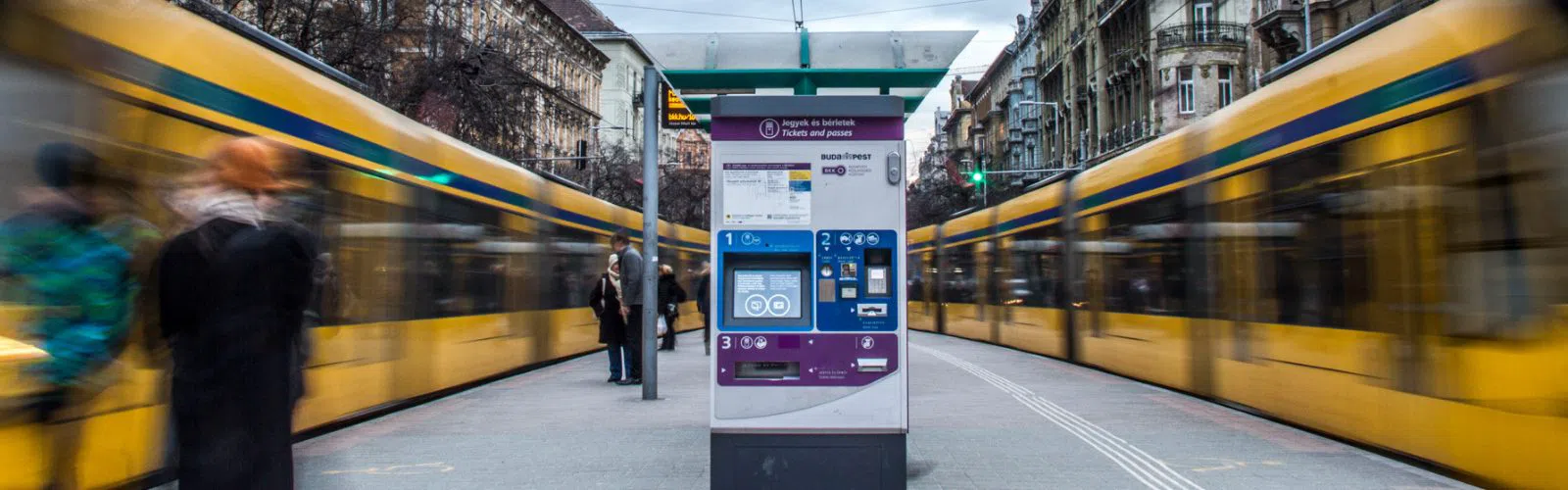
Nine steps below the pavement on Andrássy út there is a tiled platform that looks like a Victorian hotel corridor, and a small yellow train pulls in every couple of minutes. That is a normal metro line here, on a normal 500 HUF ticket. Budapest moves people better than cities with three times its budget. The one thing that trips up first-timers is the fare system, and it trips up almost everyone.
Sort the ticket before you touch a tram
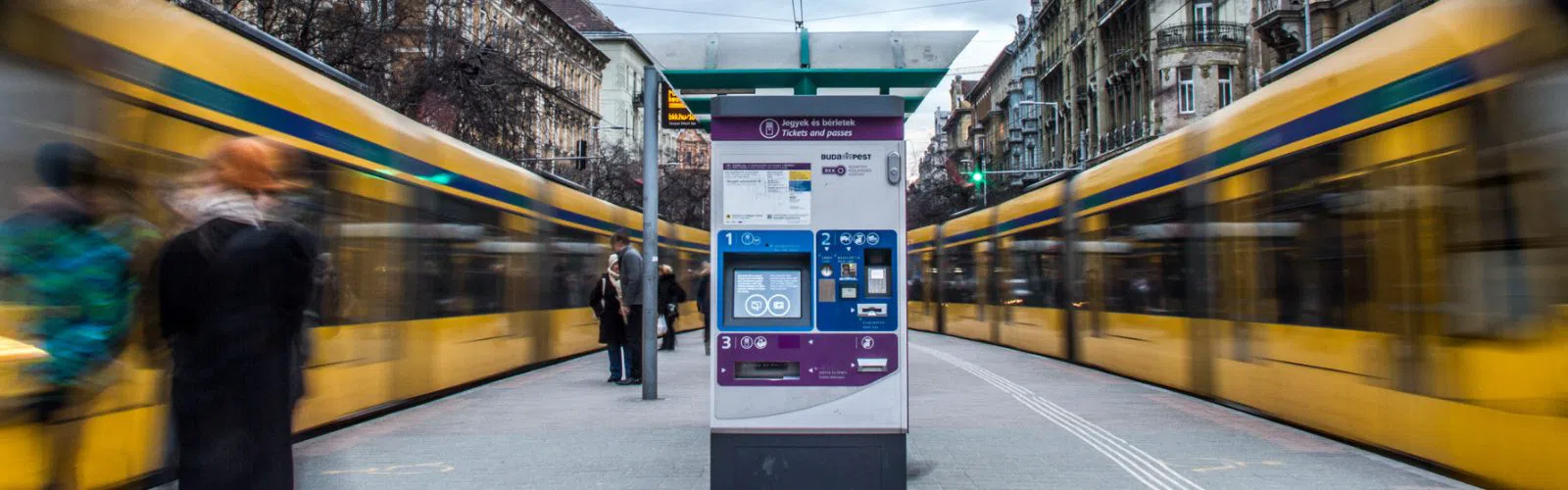
BKK — BudapestGO app & Budapest Pay&GO (citywide, the whole fare system) runs everything on wheels or rails inside the city. Download BudapestGO at the airport gate, not on the platform. A single ride is 500 HUF, or 700 HUF from a driver, which is the tax on being unprepared. A 24-hour travelcard is 2,750 HUF, so it pays for itself on the sixth ride of the day. That is easy if you are sightseeing hard, less obvious if you are walking Pest and riding twice. There is a discounted book of ten singles if you are here three days and would rather not think in passes. Fares last rose on 1 June 2025, so these numbers are current.
The trap catches people daily. Budapest Pay&GO, tapping a contactless bank card straight onto the reader, works on metro lines M1 to M4 and on the 100E airport bus. That is the entire list. On trams, buses, trolleybuses and the suburban HÉV trains there is no reader waiting for you; you need an app ticket or one bought from a machine before you board. Tap onto the metro, get comfortable with the idea, step onto a tram with the same instinct, and you are riding without a ticket.
Groups: one phone can buy tickets for everybody in the app, which is the painless way to keep six people legal. But each traveller needs their own ticket, and the 24- and 72-hour travelcards are strictly per person. You cannot pass one back through the doors.
Plan your Budapest trip
Live prices from our booking partners.
Free cancellation on many rooms. We may earn a commission when you book.
Getting in from the airport
Airport buses 100E and 200E (Budapest Airport, District XVIII) are the only two answers worth considering. 100E is the direct one: 2,500 HUF, about 40 minutes to Deák Ferenc tér in the middle of Pest via Kálvin tér, proper luggage space, and a contactless tap at the door, so you can board before you have finished wrestling with the app. If you already hold a Budapest or Hungary pass it drops to a 1,000 HUF add-on. Under-14s and over-65s ride it free.
200E is the cheap way in at a standard 500 HUF: a normal city bus to Kőbánya-Kispest, where you pick up M3 straight up the spine of Pest. It works and it costs a fifth as much, but it is a normal bus with normal seats, and two large suitcases at 08:00 will make you unpopular. At night 200E terminates early at Határ út, where night buses 914 and 950 carry on into town.
The metro lines that do the actual work
Budapest Metro lines M2, M3 and M4 (citywide) are the skeleton of any itinerary. M2 is the one to memorise: it links both main railway stations, Keleti and Déli, crosses the river, and drops you at Batthyány tér for the HÉV suburban train north along the Danube. M3 runs the full length of Pest and ends at Kőbánya-Kispest where the airport bus waits. Its five-and-a-half-year rebuild is finished, so ignore any advice about replacement buses. M4 is the newest, and its stations are worth the fare on their own: raw concrete, deep shafts, skylights dropping daylight onto the platforms.
Capacity is never the problem. Comfort is. Between 07:30 and 09:00 the trains belong to people going to work, and you and your wheeled suitcase are the obstruction. At weekends M2 and M3 run right through the night.
A working line from 1896

M1 Millennium Underground (Földalatti) (under Andrássy út, District VI) is continental Europe's oldest underground and UNESCO-listed, and neither fact is the reason to ride it. Ride it because it is an ordinary working line on an ordinary 500 HUF ticket that runs the length of Andrássy út to Hősök tere, which is where you were walking anyway. Four minutes, no queue, no separate attraction ticket. It is the best-value sightseeing in the city by a distance.
The carriages are small and short. A party of more than six will not stand together, so split across two doors and regroup on the platform. A full renovation and extension is at the procurement stage only, so the line runs normally through 2026.
Two trams worth planning your day around
Tram 2 (Pest Danube embankment) (District V riverside) is routinely rated one of the most scenic tram rides in Europe and costs a standard ticket. It runs Jászai Mari tér to Közvágóhíd along the water, past Parliament, under the bridges, with the Castle on the far bank most of the way. Get a seat on the river side or you have wasted the trip. Skip 17:00 to 18:30, when it stops being scenic and becomes a commuter tram.
While you are looking at the water, one correction to older guides: the cheap BKK Danube 'cruise' they recommend no longer exists. BKV's Danube cruiser boat service is suspended, and the only surviving public boat is the D14 cable ferry between Csepel and Soroksár, which is excellent if you live there and useless to you.
Trams 4 and 6 (Nagykörút / Grand Boulevard) (the Grand Boulevard, Districts VI to IX) are the opposite kind of ride: pure utility, superbly done. These are some of the longest passenger trams in the world, working the city's busiest surface corridor from Keleti past Nyugati and over the river at Petőfi and Margaret bridges. Level boarding, wide doors, and enough length to swallow a crowd, so a group of ten boarding together is a non-event. Tram 6 runs 24 hours, which makes it the default way home long after the metro has closed.
Up into the Buda Hills for the price of a bus ride
Half a day above the city, most of it on ordinary tickets. Cogwheel Railway (Fogaskerekű, line 60) (Városmajor, District XII) is a rack railway open since 1874 and, unusually, a fully integrated tram line. Your standard 500 HUF ticket carries you 3.7 km up to Széchenyi-hegy, where the hill trails start. It runs year-round, roughly 05:00 to 23:00. One catch before you plan a sunrise or a last run down: the first and last departures of the day are on demand and need a call to BKK at least 30 minutes ahead.
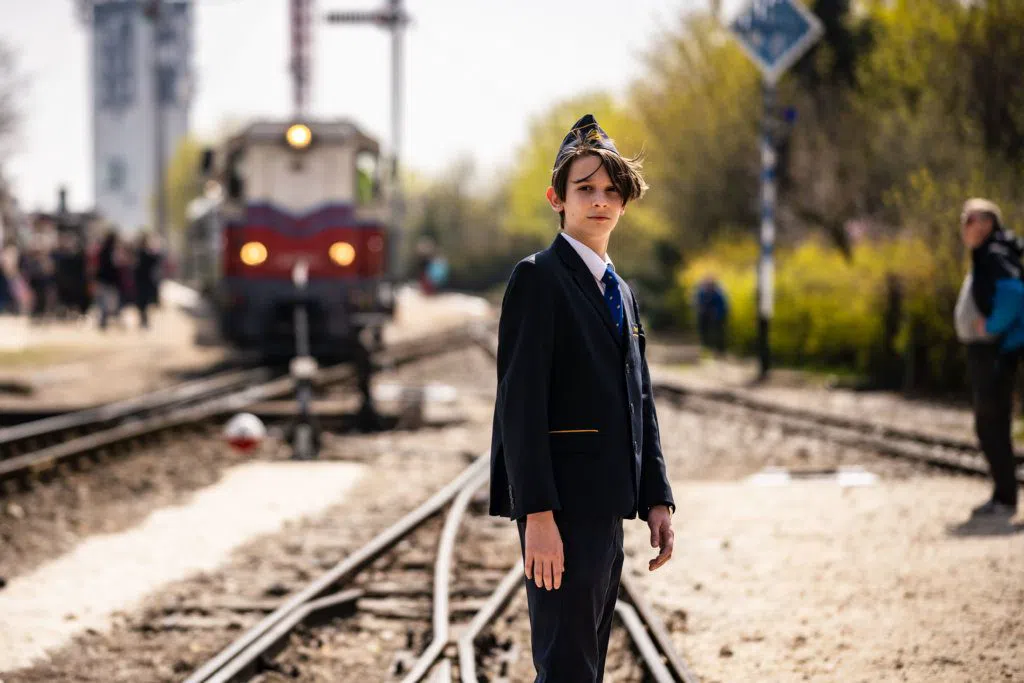
At the top sits Children's Railway (Gyermekvasút) (Széchenyi-hegy to Hűvösvölgy, Buda Hills), 11.2 km of narrow gauge staffed almost entirely by 10- to 14-year-olds under adult supervision. It holds a Guinness record, and it is genuinely charming rather than twee. The kids take the job seriously and it shows. Your BKK ticket is not valid here; it belongs to the national railway, not the city. Budget roughly 1,200 to 2,500 HUF per leg, plus a supplement on heritage steam runs. It operates all year but closes on Mondays from September to the end of April, so an autumn visit needs a Tuesday-to-Sunday slot. Big parties should book ahead.
Zugliget Chairlift (Libegő) (Zugliget, District XII) is the third piece: fifteen open-air minutes up to János-hegy, the highest point in Budapest, and the Elizabeth Lookout Tower. Own fare, roughly 2,000 to 2,500 HUF one way, and BKK passes do not cover it. It loads two at a time continuously, so a group of any size gets through, slowly, and with no shelter if the weather turns. It closes for maintenance on Mondays of even weeks, with extra 2026 closures including 1 and 15 September.
The classic loop is chairlift up, walk the ridge to the lookout, then Children's Railway and the cogwheel back down. Check both Monday rules before you commit to the day.
The funicular buys you a view, not a shortcut
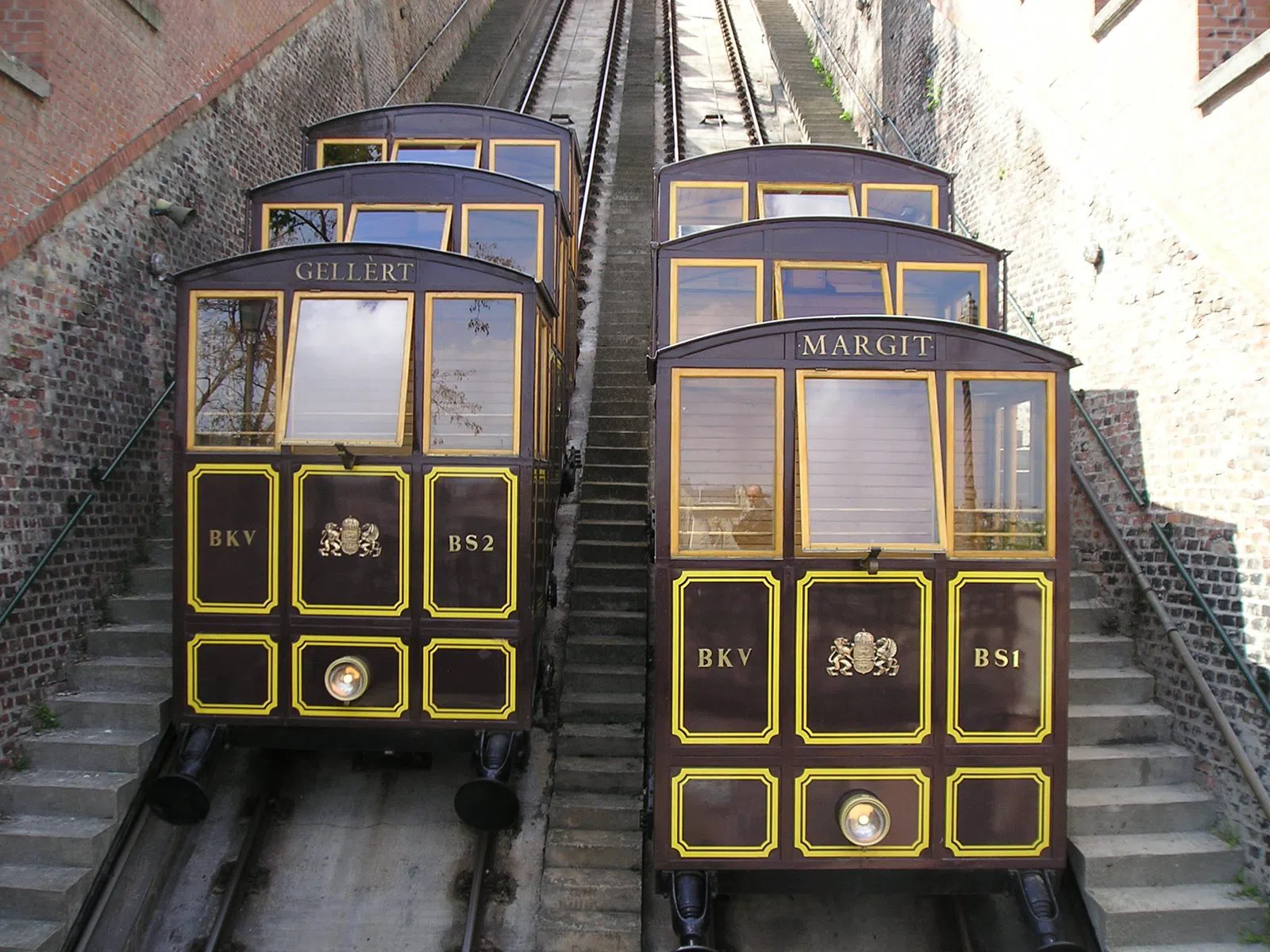
Buda Castle Funicular (Budavári Sikló) (Clark Ádám tér, District I) has climbed the 95 metres from the bridgehead to the Castle since 1870, it is UNESCO-listed, and the ride lasts ninety seconds. It is also about 5,000 to 5,500 HUF return for an adult and 2,000 to 3,000 HUF for children aged 3 to 14, and it is not covered by BKK passes or the Budapest Card. That is a lot of money per metre.
Take it for the machinery and the view out of the front window, not as transport. The path up beside it is ten easy minutes on foot. Each cabin holds 24 and departs every five to ten minutes, so groups clear faster than the queue suggests; midday is when the wait gets silly. It closes for maintenance on Mondays of odd-numbered weeks, which is the opposite week to the chairlift.
Getting home when the metro has stopped
Budapest night bus network (900-series) (citywide, roughly 23:30 to 04:45) is not a token service. Every route numbered from 9 covers the whole city properly, the fare is the same 500 HUF single, and travelcards stay valid. If you are out in the District VII bars, this is your ride home, and it is the reason you never need to negotiate a fare at three in the morning.
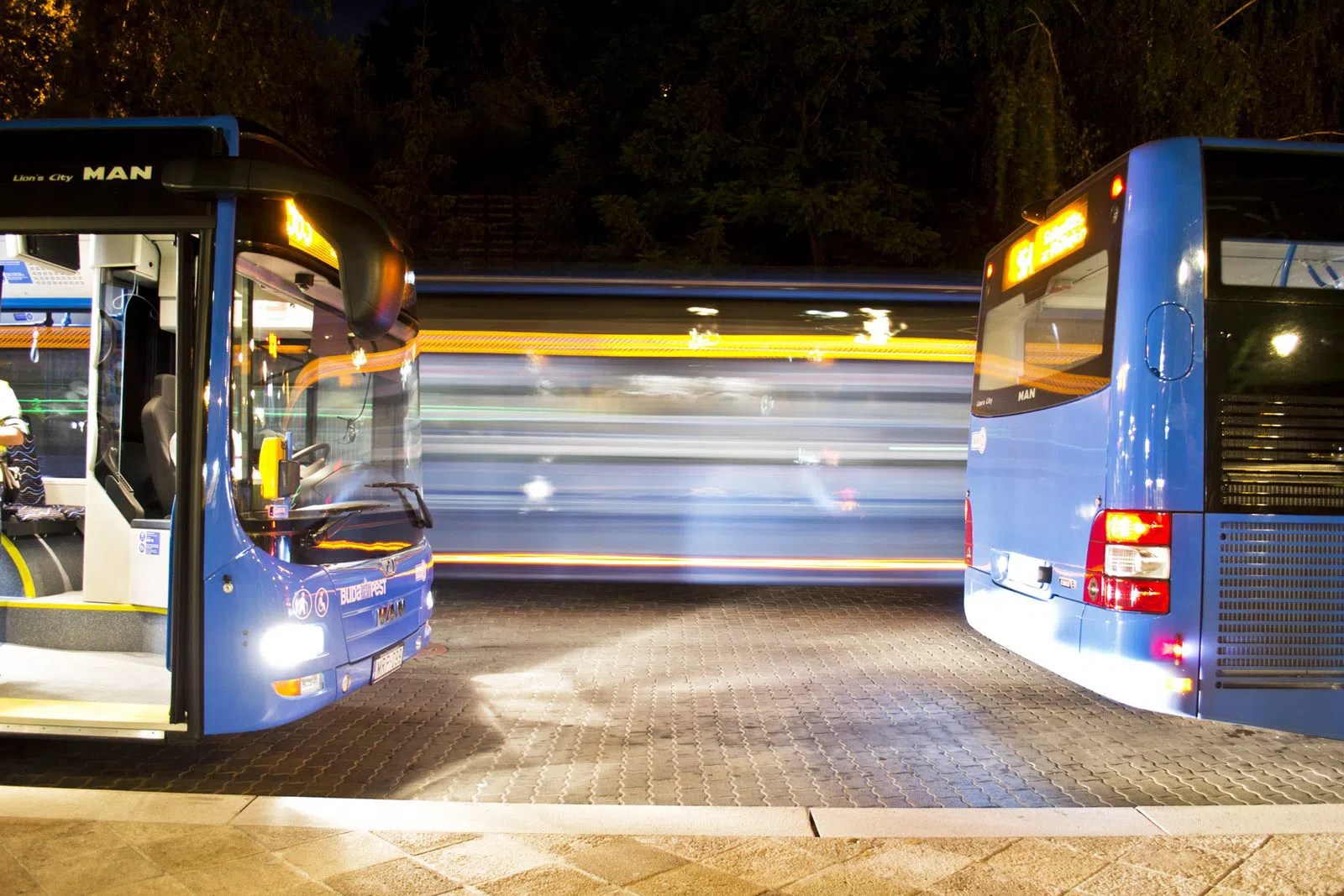
One hard warning: the entire night network was reorganised on the night of 1 to 2 July 2026. Printed guides, old blog posts and other people's memories are all unreliable now. Put your destination into the BudapestGO planner and trust nothing else.
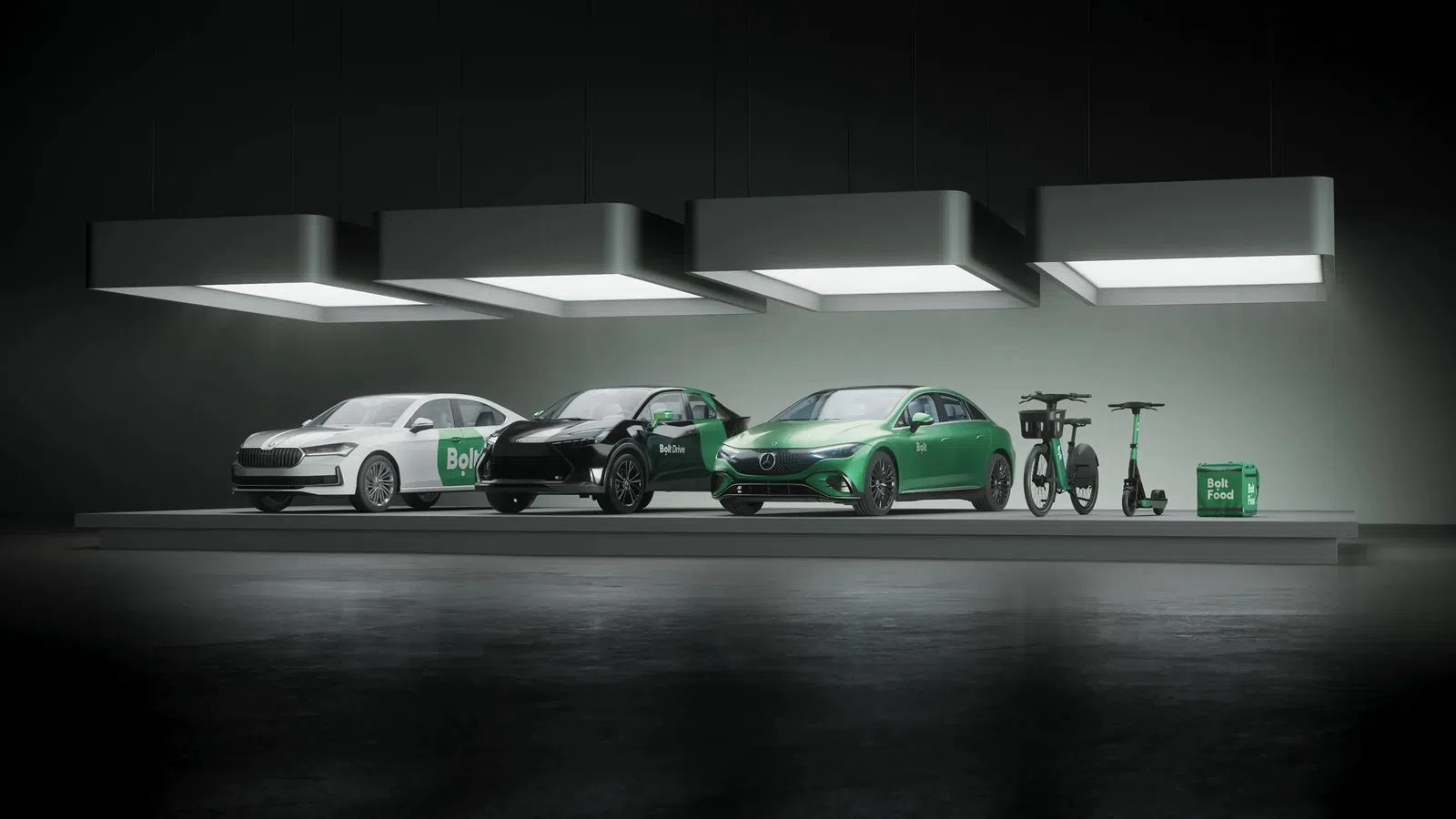
When you do want a car, use an app. Bolt (citywide, app only) is the anti-scam pick rather than a sightseeing one. Hailing on the street is where visitors get fleeced, and an app fare is fixed before you get in. Taxi tariffs have been regulated citywide since 1 August 2026: 1,300 HUF to start, 520 HUF per kilometre, plus an 800 HUF airport surcharge. Uber operates here again but dispatches licensed Főtaxi yellow cabs at the same regulated rate, so there is no cheaper app to hunt for. Standard cars seat four and there is no larger tier, so six people means two cars. Order both at the same time.
Bikes, if the docks cooperate
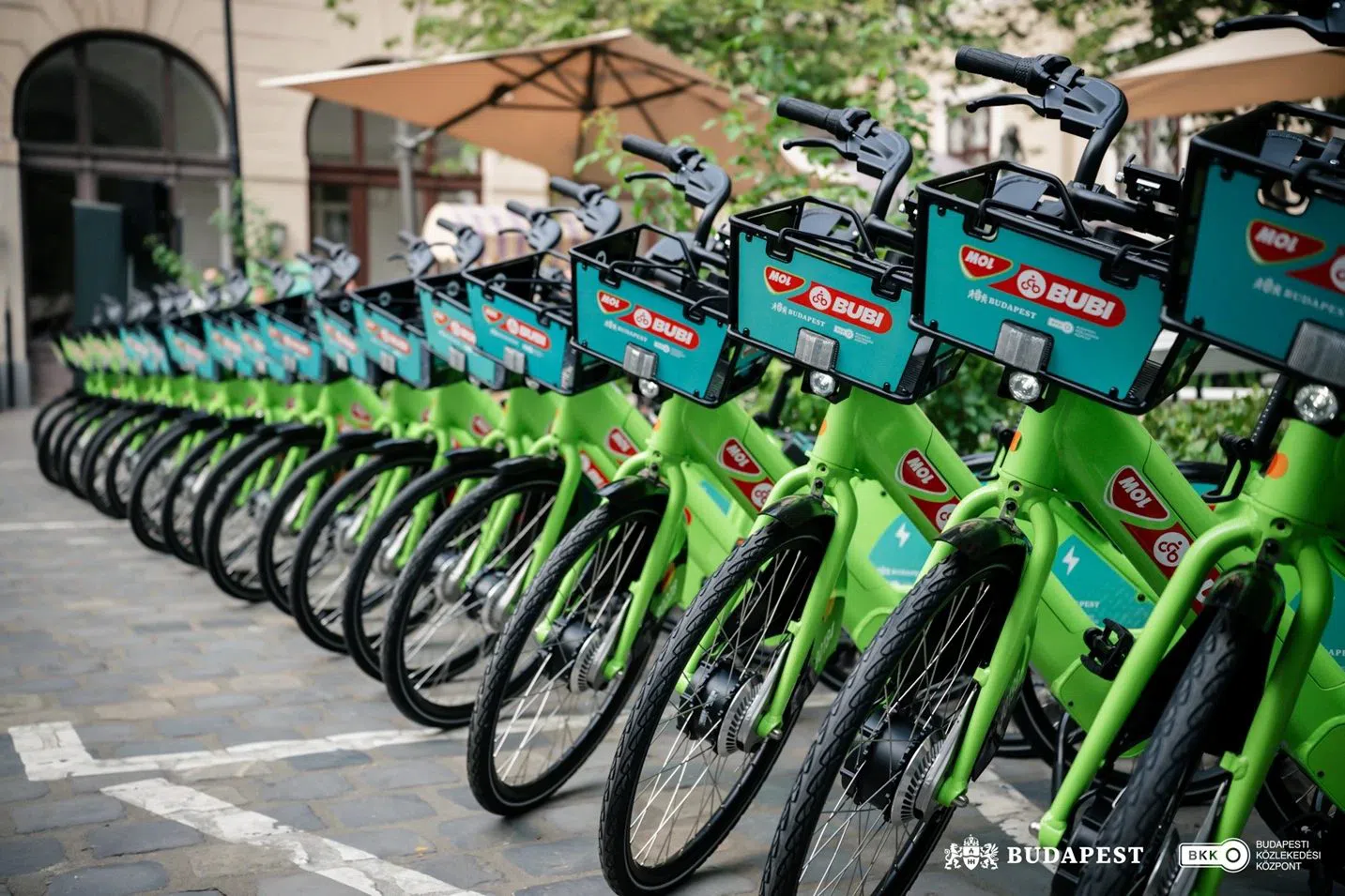
MOL Bubi (docking stations across both banks) opened its third-generation system to everyone, tourists included, on 3 August 2026: about 3,300 bikes, 800 of them electric-assist, and no local registration to fight through. Download the MOL Bubi app, unlock, ride. Pay-as-you-go is 60 HUF per minute, which is fair for a fifteen-minute hop across a bridge and expensive for an afternoon. A monthly pass starts at 2,500 HUF, or 2,000 HUF if you hold a BudapestGO pass, and can pay off even on a week's stay.
Check stock in the app before you send six people to one rack. A station with two bikes left is a standard way to lose twenty minutes. And finish the ride inside an official station: ending outside one costs a 10,000 HUF surcharge, more than most visitors spend on transport in a week.
Getting out of the city for the day
MÁV-START (Hungarian State Railways) (Nyugati and Keleti stations) covers everything the city itself cannot: the Danube Bend north along the river from Nyugati, the palace out on the H8 line, and the EuroCity west to the Austrian capital in about 2h40 from around €20. Domestic day-trip fares run roughly 1,500 to 3,000 HUF each way. Buy through the MÁV app or website, both in English, and reserve seats on the international services, which fill in summer. MÁV also runs the Children's Railway, which is exactly why your city pass is worthless up in the hills.
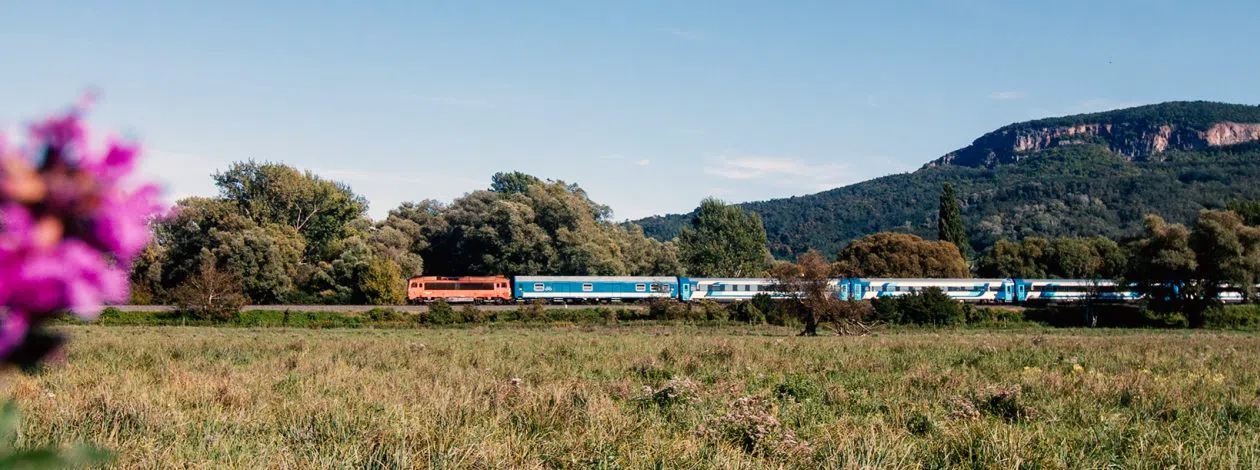
Volánbusz (Újpest-Városkapu, District IV, at the end of M3) is the other half of the day-trip answer. Lines 880 to 889 leave roughly hourly for the Danube Bend and cost about 1,100 to 1,600 HUF depending how far along the river you go. They are the practical way to the citadel trails and the riverside hills. Coaches are the reliable option there for a reason: the Danube Bend passenger boats are weather-dependent, and MAHART PassNave suspended its sailings from 13 July to 13 September 2026 on low water. On summer weekends, board at the origin terminus; buses fill, and standing for an hour with a picnic bag is nobody's day out.
Where you sleep matters more than the district's reputation. Being a short walk from M2, M3 or the 4/6 tram line is worth more than any address. Our Budapest hotel search is the quickest way to filter for that, and the wider Budapest guide covers what to do once you have got there.
What it costs and when to go
Get BudapestGO installed and a card loaded before you land. Buy metro tickets in the app even if you plan to tap, because the moment you step onto a tram the tap stops being an option. Buying from a driver is 700 HUF instead of 500 HUF.
Everything is priced in forint, and forint is what ticket machines and the hill railways expect. Euros will not help you at a window in Széchenyi-hegy. The app takes a bank card, which is the simplest route for most rides.
On timing, avoid 07:30 to 09:00 with luggage and 17:00 to 18:30 on Tram 2. Mondays are the hazard day up the hill: the funicular closes on odd weeks, the chairlift on even weeks, and the Children's Railway every Monday from September to the end of April. Between 23:30 and 04:45 the night buses and Tram 6 have you covered; at weekends M2 and M3 stay open too.
A 24-hour travelcard at 2,750 HUF covers metro, tram, bus and night bus, and beats singles from the sixth ride. Add 2,500 HUF for the 100E in from the airport, around 2,500 HUF for the chairlift one way and 1,200 to 2,500 HUF per Children's Railway leg on your hills day, and about 5,000 HUF if you insist on the funicular. A full first day of hard sightseeing lands between 5,000 and 8,000 HUF a head, less than one bad taxi.
Before you go
Can I just tap my contactless bank card in Budapest?
Only partly. Pay&GO contactless works on metro lines M1 to M4 and on the 100E airport bus, and that is the whole list. Trams, buses, trolleybuses and the HÉV suburban trains have no card readers, so buy your ticket in the BudapestGO app or from a machine before you board.
Is the 24-hour travelcard worth it?
It is 2,750 HUF against 500 HUF for a single, so it pays for itself on your sixth ride of the day. Six is easy on a museum-and-baths day, harder if you are mostly walking central Pest. Travelcards are per person, so you cannot share one across a group.
What is the cheapest way from Budapest Airport into the centre?
The 200E bus to Kőbánya-Kispest on a standard 500 HUF ticket, then M3 into town. It is a normal city bus, though, and awkward with big suitcases at rush hour. The 100E costs 2,500 HUF, takes contactless at the door, has real luggage space and runs direct to Deák Ferenc tér in about 40 minutes.
Do BKK tickets cover the funicular, chairlift and Children's Railway?
No. The Buda Castle Funicular (about 5,000 to 5,500 HUF adult return) and the Zugliget Chairlift (roughly 2,000 to 2,500 HUF one way) charge their own fares, and the Children's Railway belongs to the national railway, so it costs roughly 1,200 to 2,500 HUF per leg. Only the cogwheel railway takes a normal 500 HUF city ticket.
How do I get home after the metro stops?
The 900-series night buses run roughly 23:30 to 04:45 across the whole city on the standard 500 HUF fare, and Tram 6 runs 24 hours along the Grand Boulevard. At weekends M2 and M3 also run overnight. Check routes in the BudapestGO planner: the night network was reorganised on 1 to 2 July 2026, so older sources are wrong.