The Budapest issue
Two Days in Budapest at a Walking Pace
A calm, bookable plan for a first visit: one bank a day, a bath, an hour on the Danube, and enough slack left over to sit down.

By Marek NovákNeighbourhoods, baths and the slow way round
The Danube does the organising in Budapest. Buda rises on the west bank in cobbles, wooded slopes and a castle ridge; Pest lies flat on the east in boulevards, courtyards and lit café windows; the bridges between them are short enough to cross without planning for it. Two full days will not show you the whole city, and this plan does not pretend otherwise. It gives you one bank a day, a bath, an hour on the water, and enough slack to sit down.
Book the Parliament before anything else
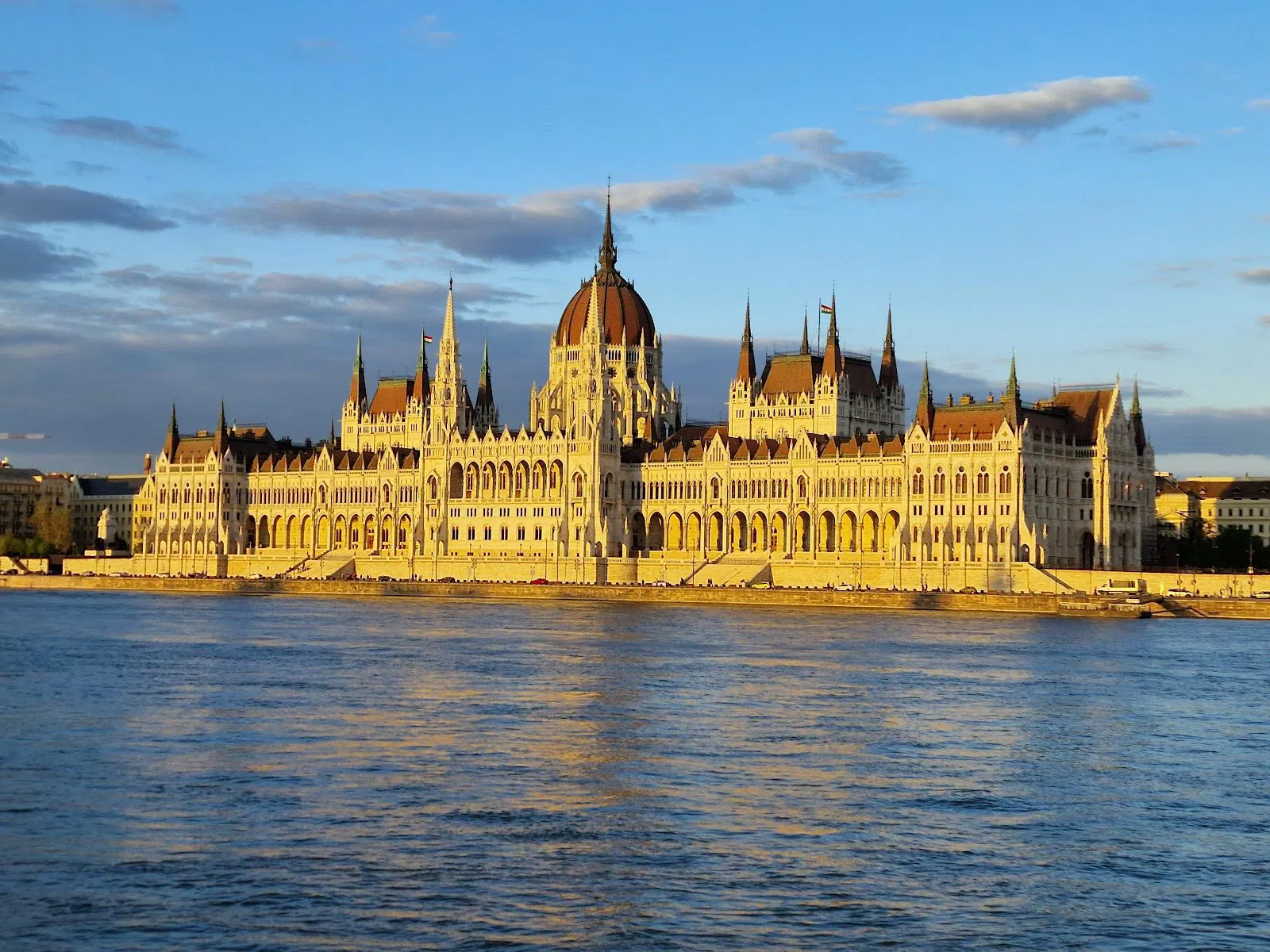
The Hungarian Parliament Building (Lipótváros, on the Pest embankment) is the one stop here that will turn you away if you improvise. You can only see the interior on a guided route at a fixed timed slot, and slots on jegymester.hu go weeks ahead through most of the year. First-timers assume they can walk in, then end up photographing it from the outside and moving on. Tickets are 4,000 HUF for EU and EEA citizens and 8,000 HUF for everyone else, roughly €10.50 and €21, so carry the document that matches the price you paid.
Groups are welcome, but the tours run to a schedule with a guide, so anything above a handful of people should reserve a dedicated slot instead of scattering across whatever is left at the end of the day. The visit itself is short: you are back out on the square within the hour, which is why it works as an anchor. Fix it for mid-morning on your first day and the rest of the two days arranges itself around that single pin in the calendar.
Plan your Budapest trip
Live prices from our booking partners.
Free cancellation on many rooms. We may earn a commission when you book.
Day one on the flat side of the river
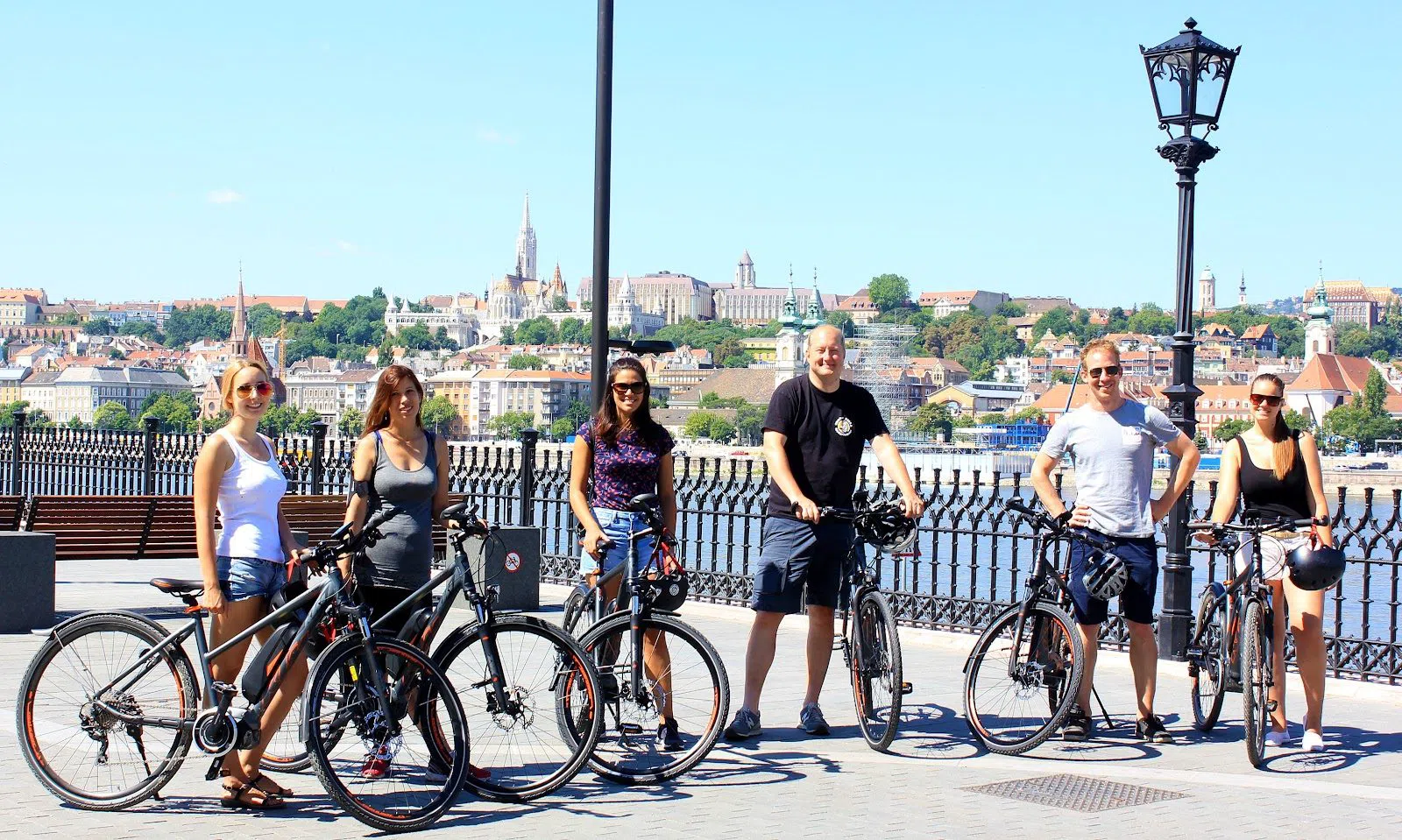
Pest is big, level and far better covered on wheels than on legs that have to last until midnight. Yellow Zebra Budapest (central Pest) has been running guided small-group tours since 1999, in English, with licensed guides and a choice of bikes or e-bikes, at roughly €30 to €40 per person. Take the standard daytime city tour, not the evening one: the evening slot collides with the river cruise below, and with only two nights you cannot spend both of them the same way. Three hours in the saddle turns the boulevards, the park and the embankment into one joined-up map instead of a list of unrelated metro stops. Private group departures are bookable if you are travelling as a party.
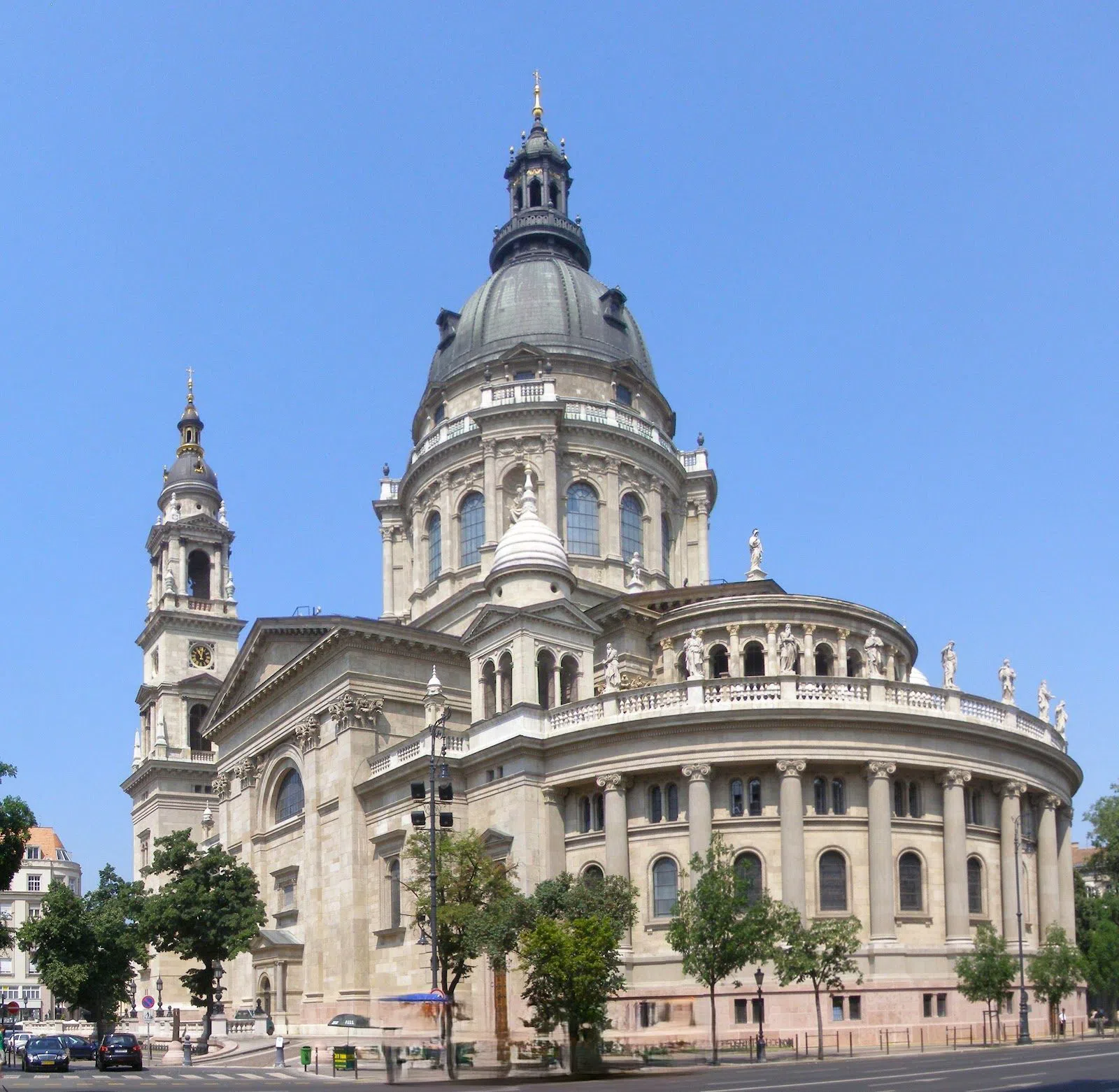
After the Parliament slot, walk five minutes inland to St. Stephen's Basilica (Lipótváros). The nave takes groups comfortably at about 2,600 HUF; the panorama terrace and treasury run to about 5,000 HUF, and a combined ticket is around 6,800 HUF. Either take the lift or climb the 200 steps to a terrace that puts the Parliament dome, the Opera roof and the Buda hills in a single frame. The walkway at the top is narrow and one-way, so it jams at midday and large groups have to go up in waves. Come at nine in the morning or late in the afternoon and you get a viewpoint instead of a queue.
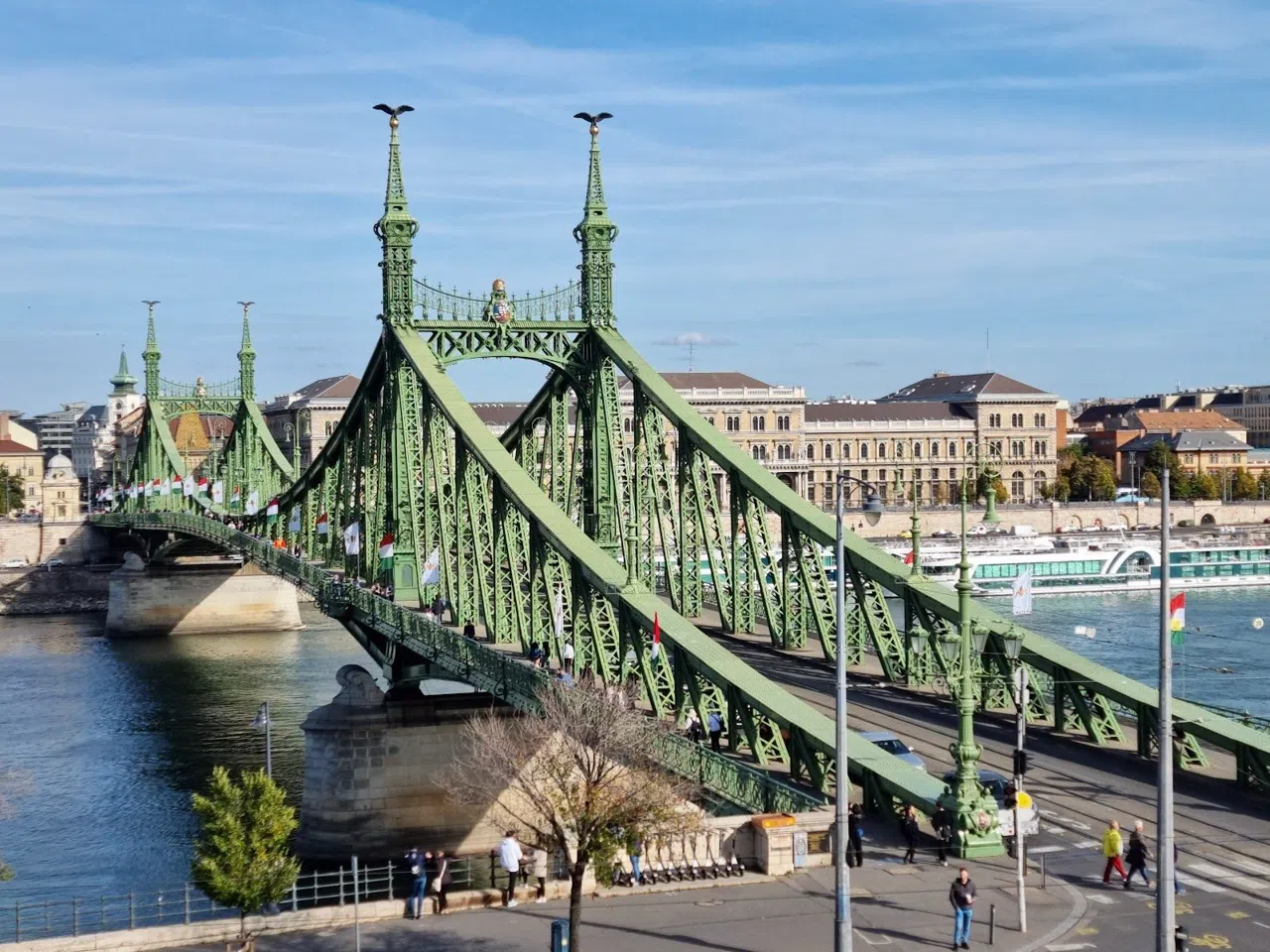
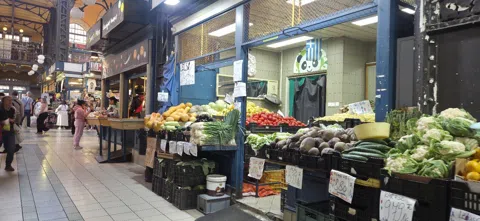
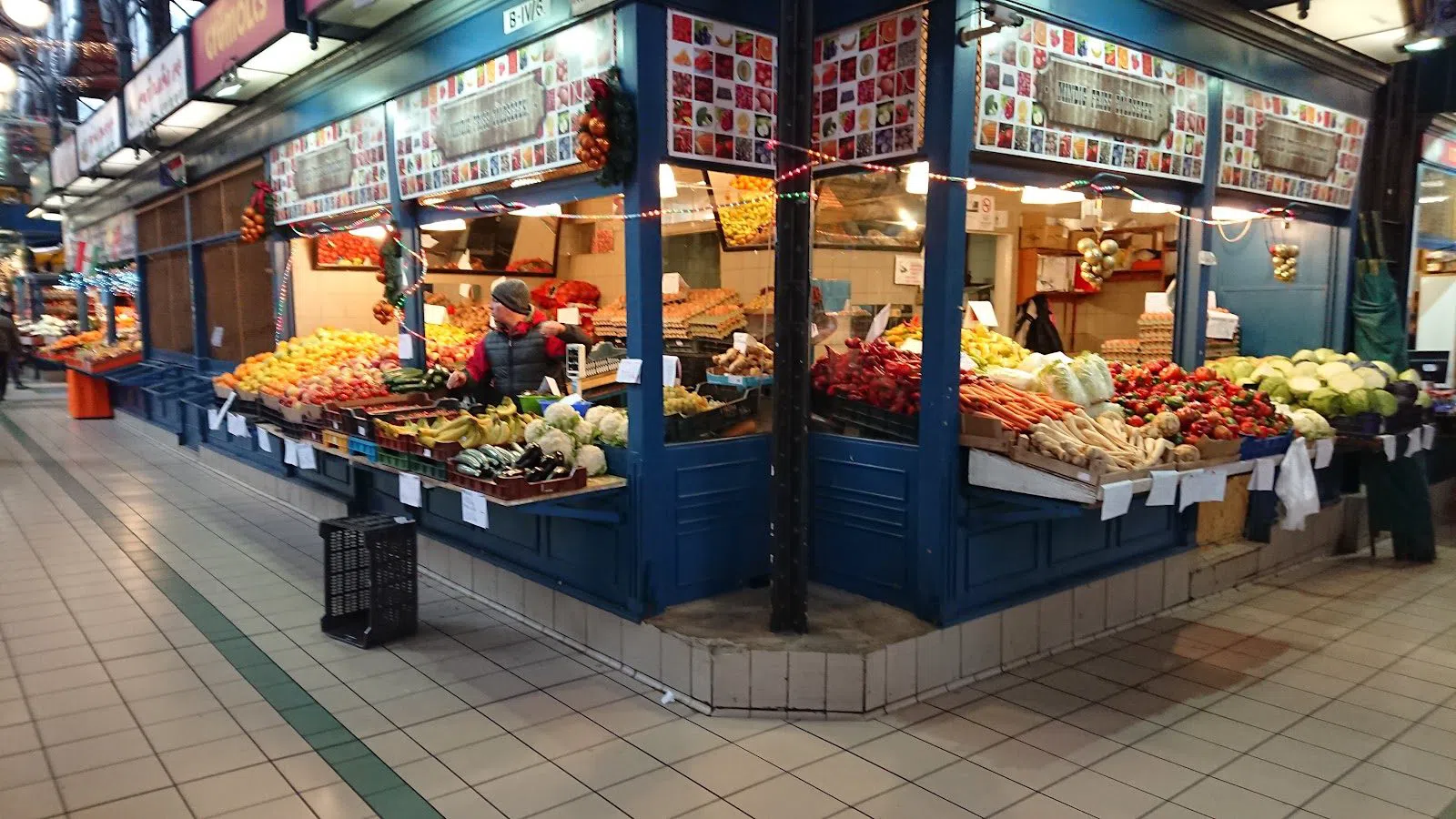
Drift south along the river in the late afternoon to the Great Market Hall (Fővám tér, at the Pest end of Liberty Bridge). Entry is free, the ground floor is a working market of paprika, sausage and pickles, and the upper gallery is mostly souvenirs with a row of food counters. Lángos and street food land between 1,500 and 4,000 HUF. The aisles are tight at lunchtime, so a group is much happier here early in the day or after two.
Sunset on a roof, then an hour on the water
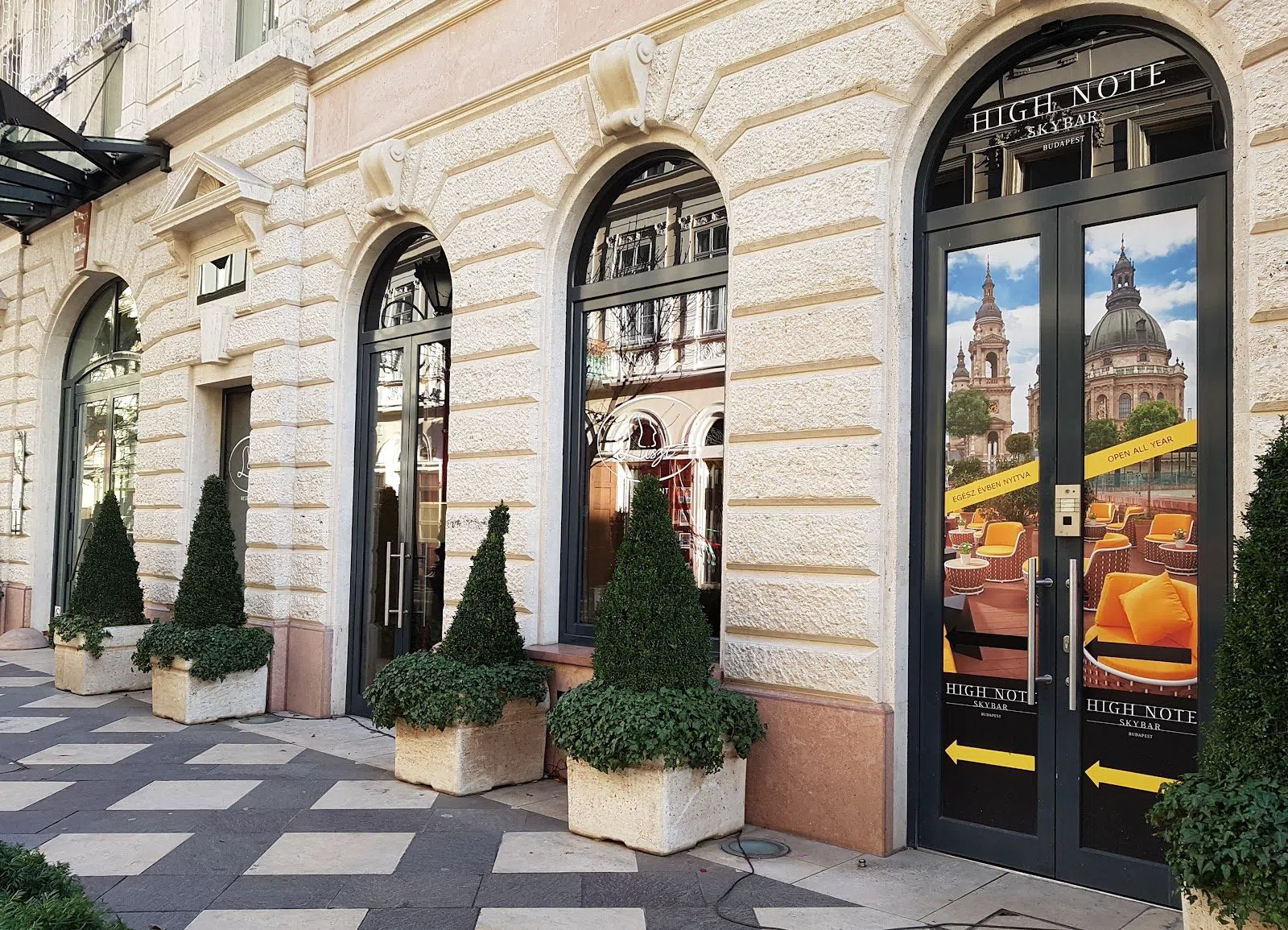
Walk back up the promenade for a drink at High Note SkyBar (Lipótváros, directly opposite the Basilica). It is the only rooftop in the city with a front-row view of the dome, it stays open year-round thanks to a heated indoor bar, and signature cocktails cost 5,500 to 5,900 HUF, around €14 to €15. Reservations are essential for anything larger than a couple, and the smart-casual dress code is enforced rather than suggested: no gym wear, no flip-flops. One drink at sunset is enough.
Then go down to the water. Legenda City Cruises (Dock 7, Jane Haining rakpart, in front of the Marriott) runs a one-hour evening cruise at roughly €18 to €25, with an audio guide in 30 languages and one drink included. The boats seat well over a hundred, so group bookings are routine rather than a favour. This is the cheapest way to see every bridge and both lit banks in one sitting, and because it happens after dark it costs you no daylight, which is why it belongs in a two-day plan.
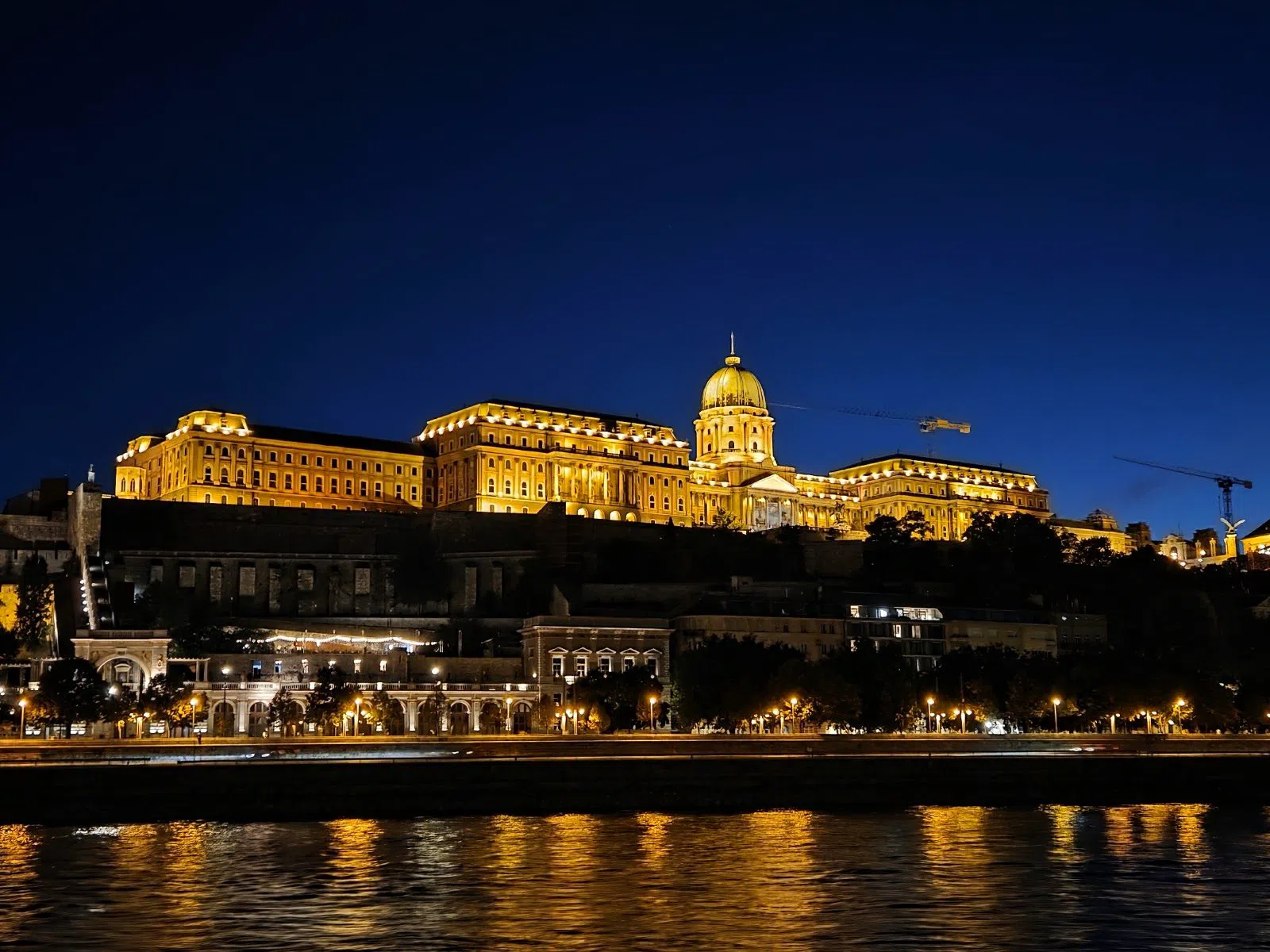
Day two starts on Castle Hill before nine
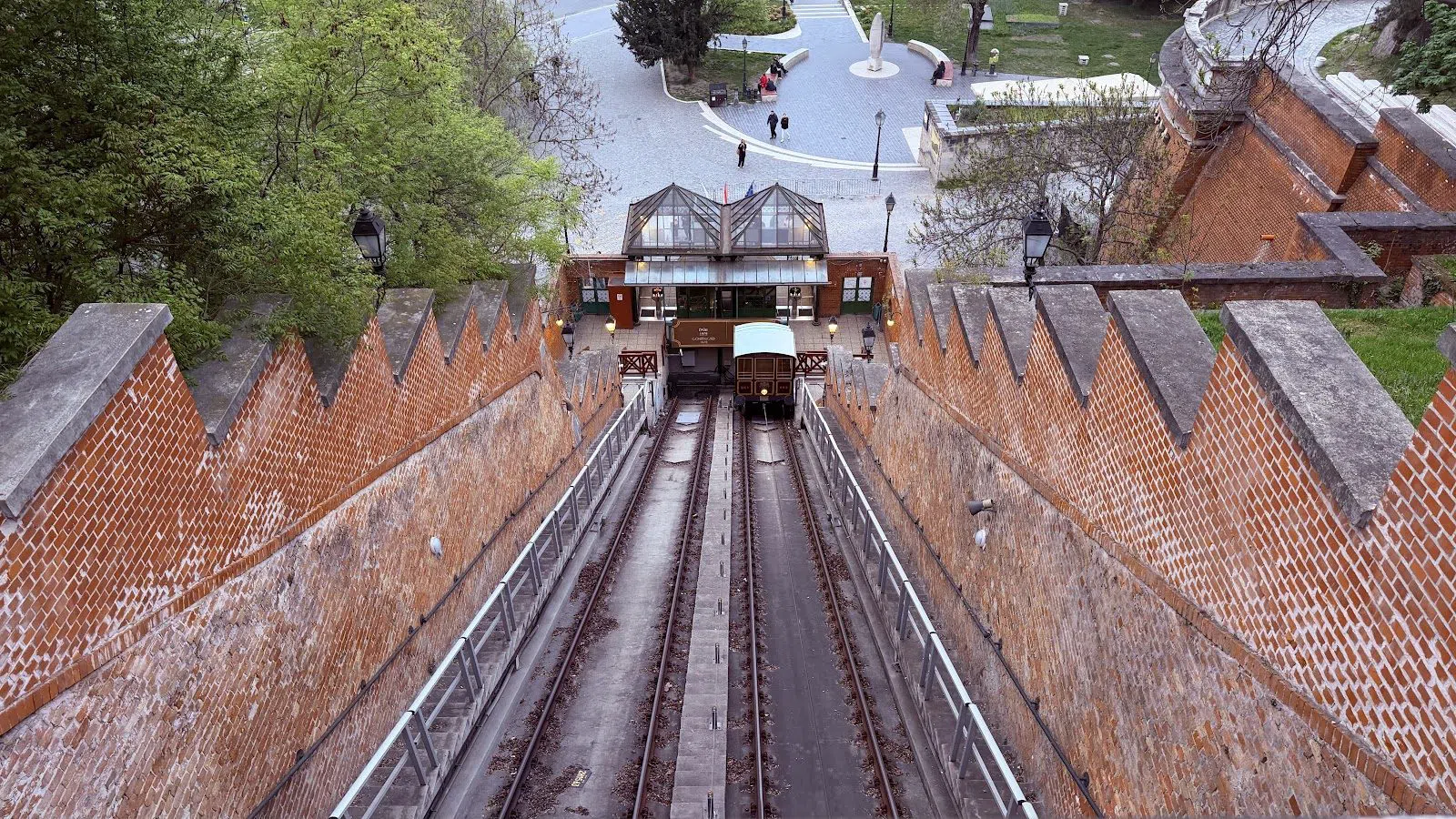
Cross to Buda early. The Buda Castle Hill Funicular (Clark Ádám tér, at the Buda foot of the Chain Bridge) has been hauling passengers up the hillside for 155 years; cabins leave every few minutes, there is no reservation, and it costs about 4,000 HUF one way or 6,000 HUF return. The cabins are small, so a large group simply splits across departures. Check two closures before you rely on it: maintenance takes it out on the Mondays of odd-numbered weeks, and there is an extended shutdown from 5 to 16 October 2026. The stepped path beside the track is about ten minutes of steady uphill, and it is the backup you should have in mind anyway.
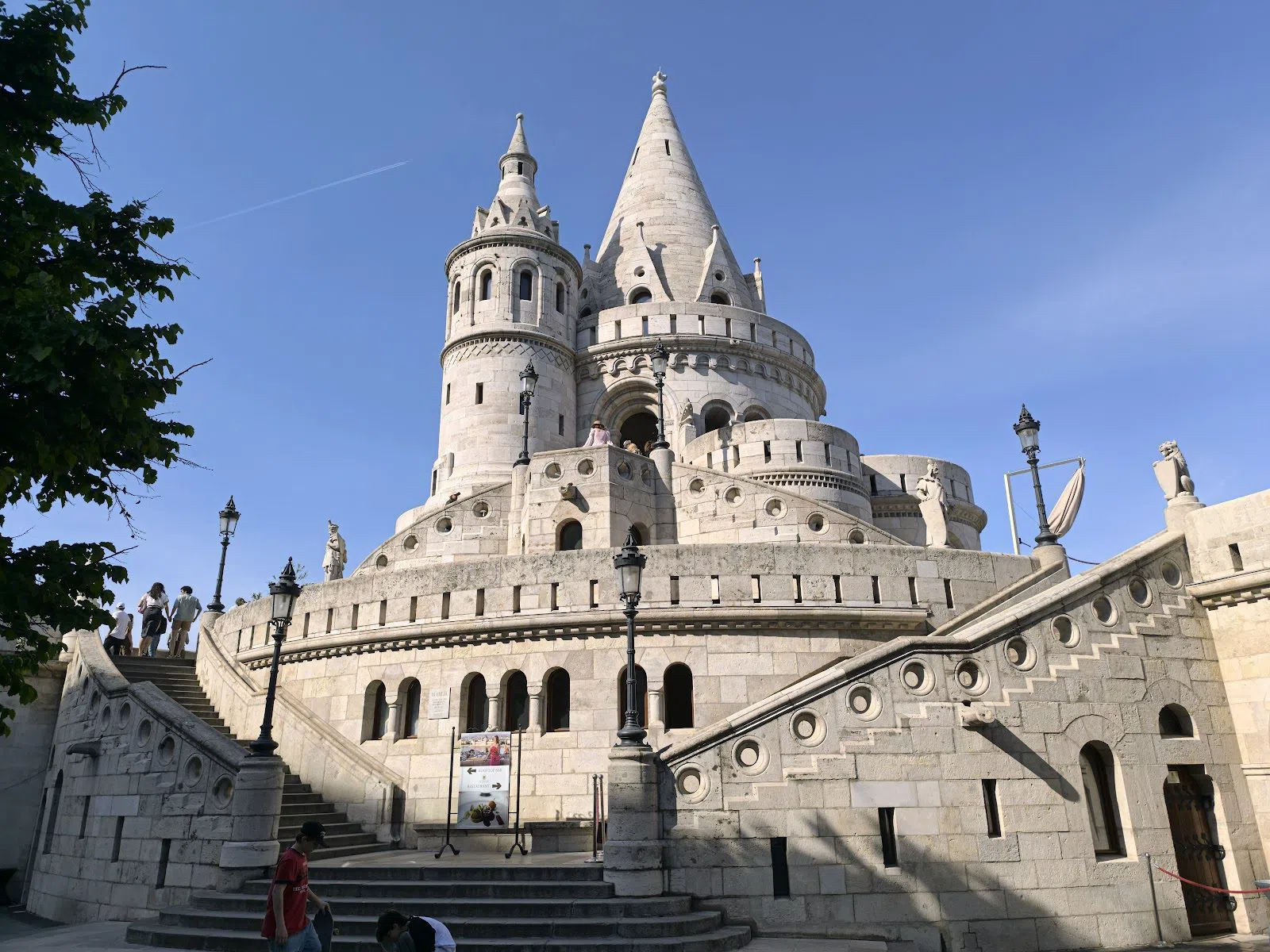
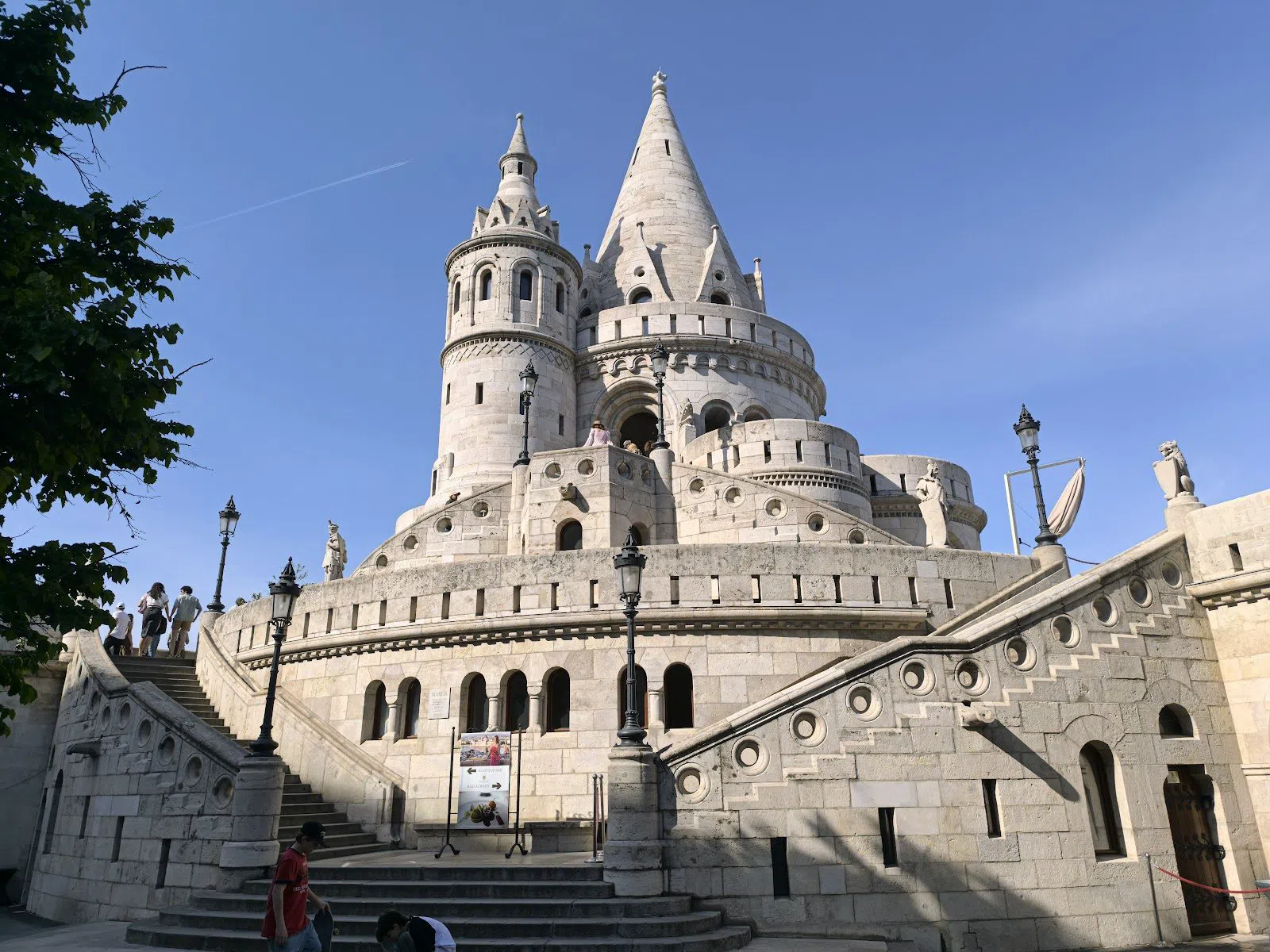
At the top, Fisherman's Bastion (Castle Hill, Buda) is the reason for the early start. The lower terraces are free and open, with no door policy and no limit on group size. The upper towers are ticketed at 1,700 HUF, about €4, between 9:00 and 21:00 in high season, so before nine in the morning and after nine in the evening the same towers are free and, more to the point, empty. Low sun on white stone and an empty parapet is a different experience from the midday scrum.
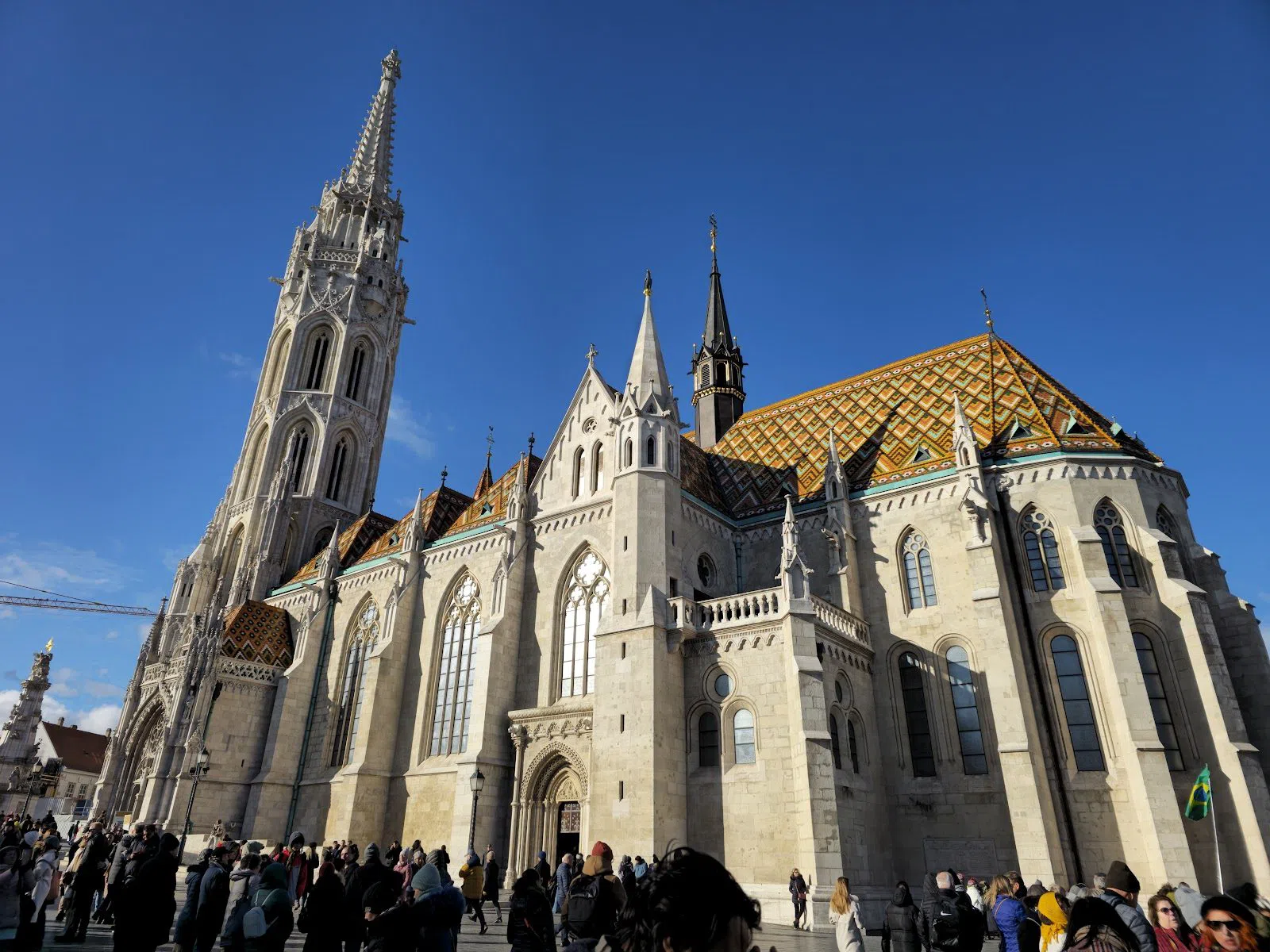
Matthias Church (Castle Hill, immediately beside the Bastion) costs no extra walking at all, and the painted interior, geometric and saturated, closer to a manuscript page than a cathedral, is unlike anything else in Central Europe. Entry runs about 4,000 to 7,000 HUF, with the tower ticketed separately. It is a working Catholic church, so access closes for mass, concerts and weddings. Check the schedule before you commit a time slot, because groups turning up on spec during a wedding is a common and entirely avoidable disappointment.
The ridge walk to Gellért Hill
From Castle Hill you can keep to the Buda side and walk south along the ridge to the Citadella and the Bastion of Liberty (Gellért Hill, Buda), which reopened on 28 March 2026 after eleven years behind hoardings. Most guidebooks still describe it as a building site, so ignore anyone who tells you the climb is not worth it. The panorama is the best in the city, with both banks, the bridges and the Parliament laid out below in one sweep.
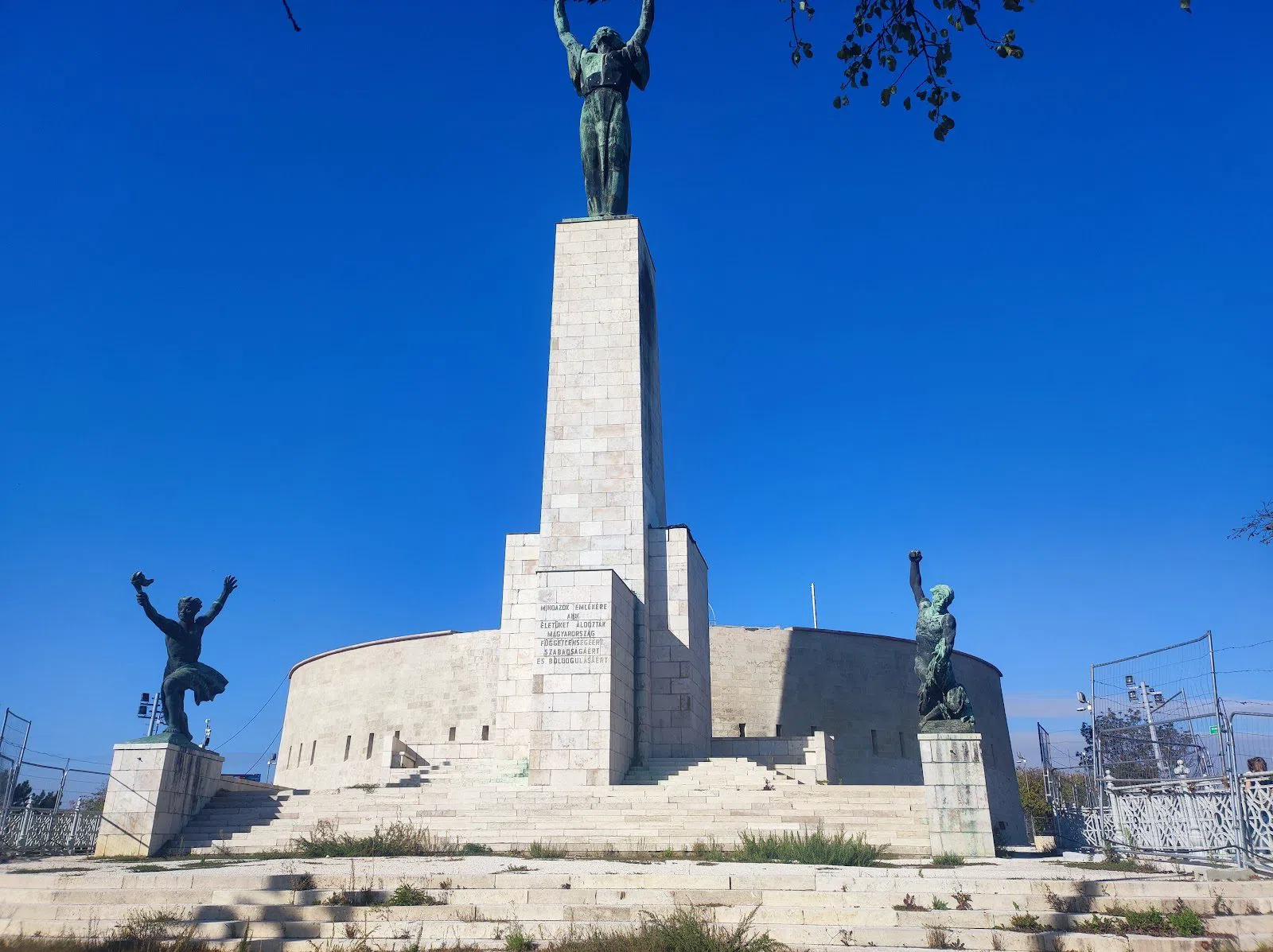
The park and terraces are free and unrestricted, so the view itself costs nothing. The Bastion of Liberty exhibition inside works on timed entry with capped numbers, 4,900 HUF for adults and 2,450 HUF for students and seniors, and groups must pre-book slots instead of arriving together and hoping. Allow around 40 minutes for the ridge walk, or come up from the river side if your legs have already done Castle Hill.
Choosing between two very different baths
You have time for one bath, not two, and the choice comes down to who you are travelling with.
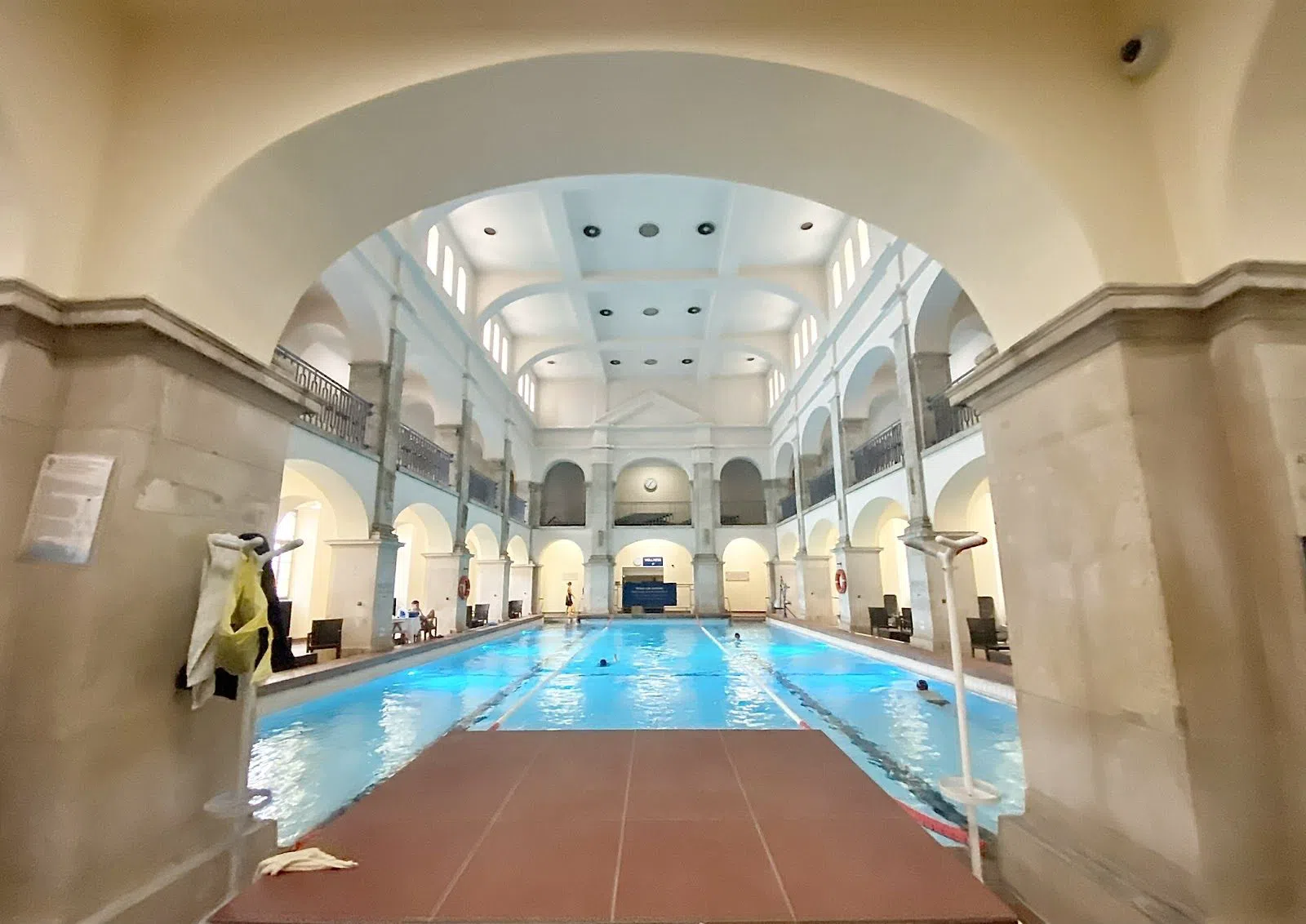
Rudas Baths (at the foot of Gellért Hill, Buda) sits at the bottom of the descent, which makes it the natural end to a Buda day. The rooftop tub is the river view the city is sold on, and with the Gellért shut this is the historic Turkish bath still working. All-zone entry is around 12,000 HUF on weekdays and 15,000 HUF at weekends; night bathing on Fridays and Saturdays costs 15,000 HUF, is sold online only and reliably sells out. It takes groups, but there are no under-14s at all, so it is a couples-and-adults choice rather than a family one. Go at opening or on a night session; at any other hour the roof is shoulder to shoulder.
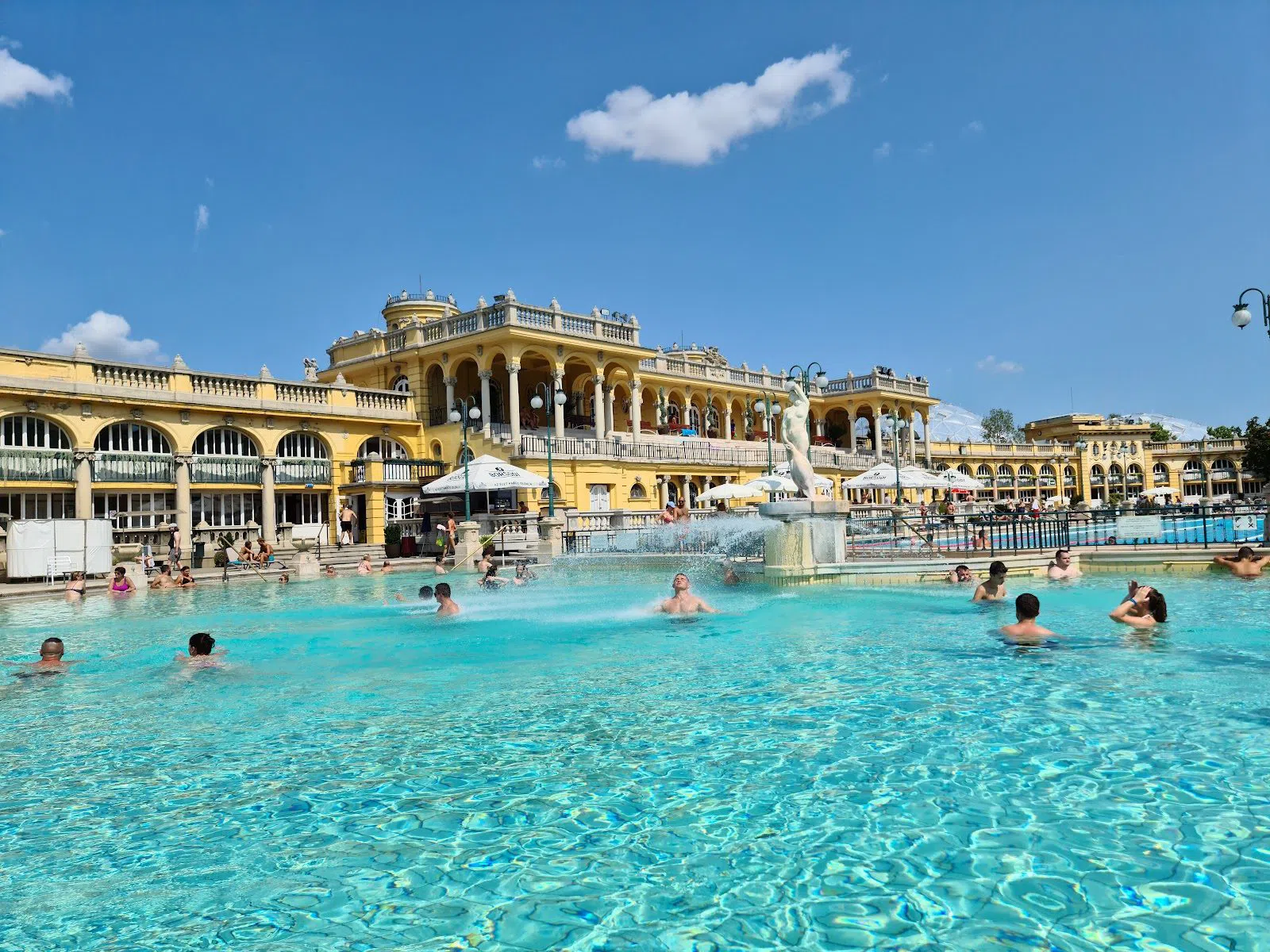
Széchenyi Thermal Bath (City Park, Pest side) is the other kind of day out: Europe's largest medicinal bath complex, 18 pools, the yellow neo-baroque courtyard everybody pictures when they picture Budapest. It is very group-friendly with no door policy, at roughly 9,500 HUF on weekdays and 10,500 HUF at weekends with a locker, about €24 to €27. Buy timed tickets online and note that lockers and cabins are booked per person, not per party. The pool-area refurbishment that ran from 20 April to 3 June 2026 is finished; if you are reading this ahead of a 2027 trip, check the maintenance notice again before booking.
An evening in the Jewish Quarter
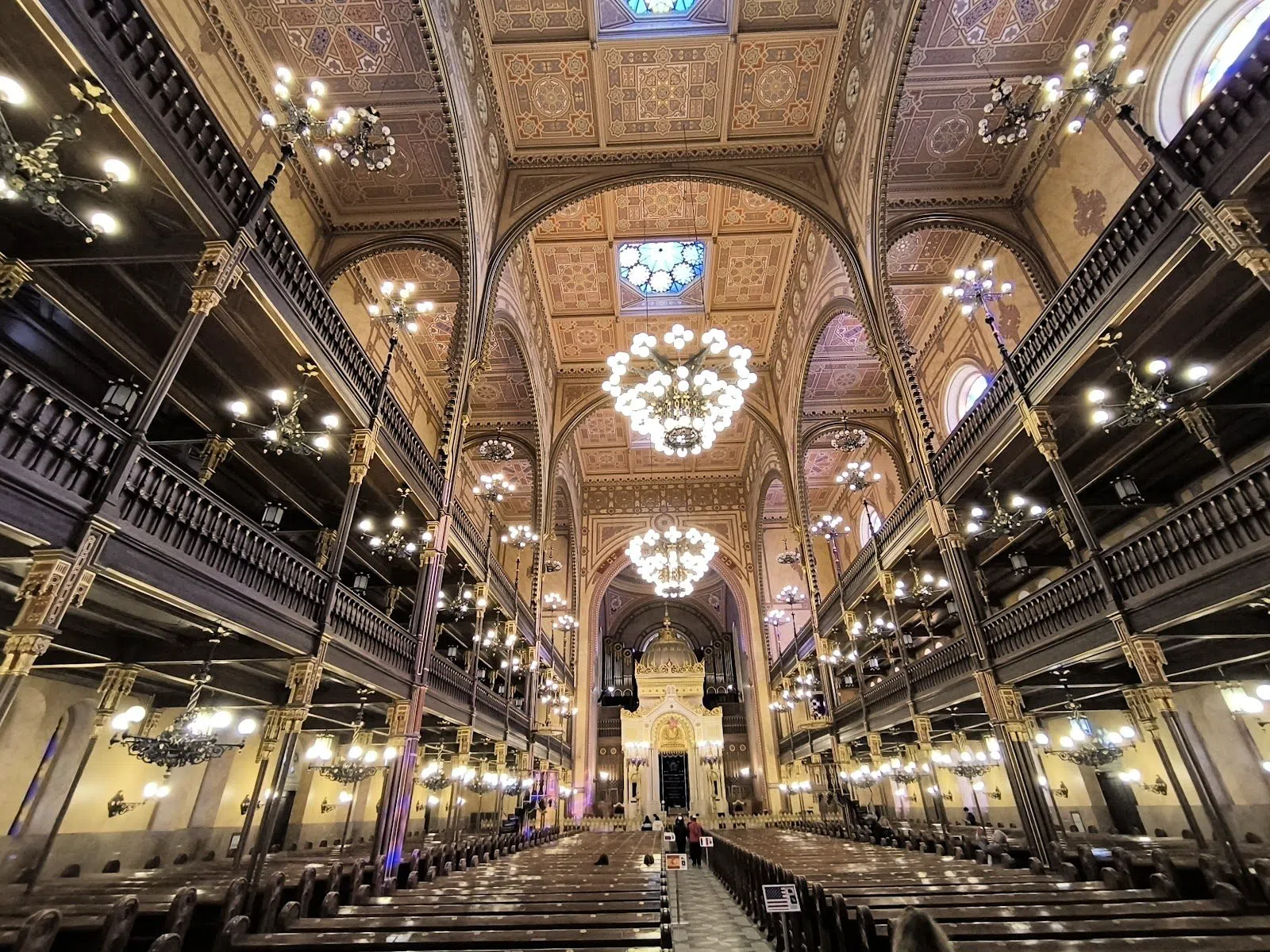
The Dohány Street Synagogue (Erzsébetváros, District VII) is the largest synagogue in Europe and the emotional centre of the district you will be walking through anyway. Entry is by timed guided tour only, so pre-booking is not optional for a group; the ticket is around 9,000 HUF, about €24, and stays valid for 90 days, covering the Jewish Museum, the ghetto exhibition and the Wallenberg memorial garden behind it. The dress code is strict, shoulders and knees covered for everyone, and the complex is closed on Saturdays for Shabbat, which catches out a lot of weekend visitors.
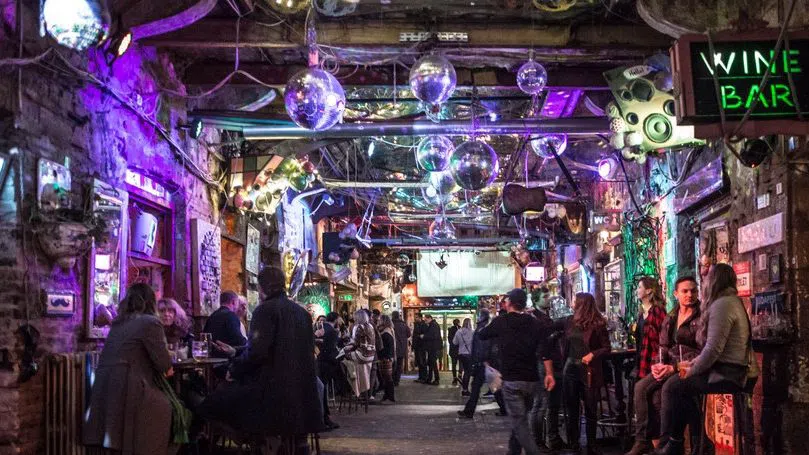
A few streets away, Szimpla Kert (Kazinczy utca, Erzsébetváros) has occupied the same derelict stove factory since 2002 and remains the original ruin bar. There is no dress code, no cover charge and no door policy; the place is enormous inside, so even a large group finds a corner among the bathtub sofas and the wall of salvaged junk. Drinks run roughly 1,500 to 3,000 HUF. Go in the early evening. After ten it becomes a crush, and the crush is the least interesting version of it.
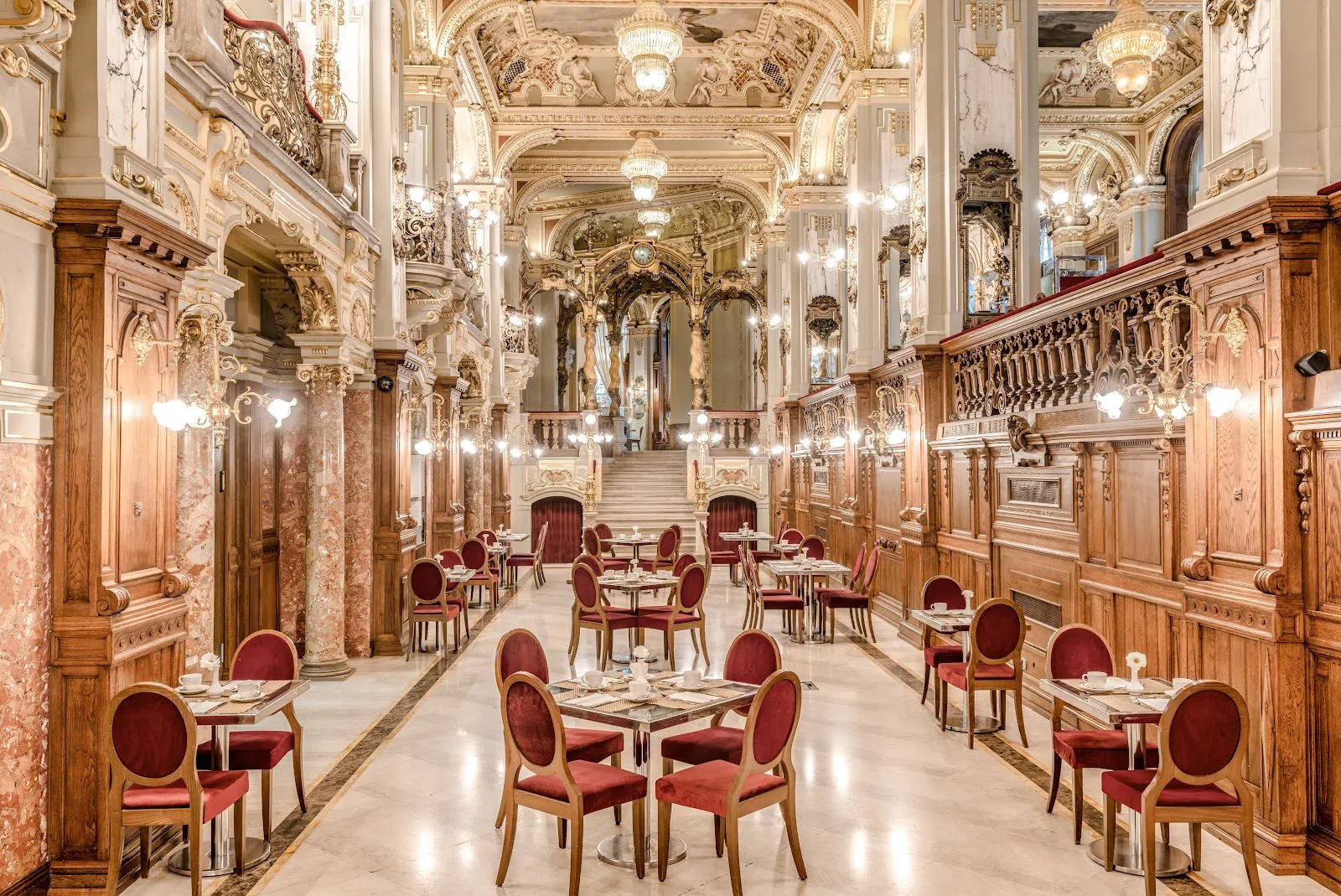
For a slower stop, New York Café (Erzsébetváros) is inside the Anantara New York Palace and is routinely called the most beautiful café in the world. Coffee and cake come in at roughly 4,000 to 8,000 HUF and mains sit higher; it is priced as a spectacle rather than a coffee stop, and you should decide which of those you are buying. It takes reservations and groups. Without a booking, expect to stand in line for 30 to 60 minutes.
The unhurried hour on Margaret Island
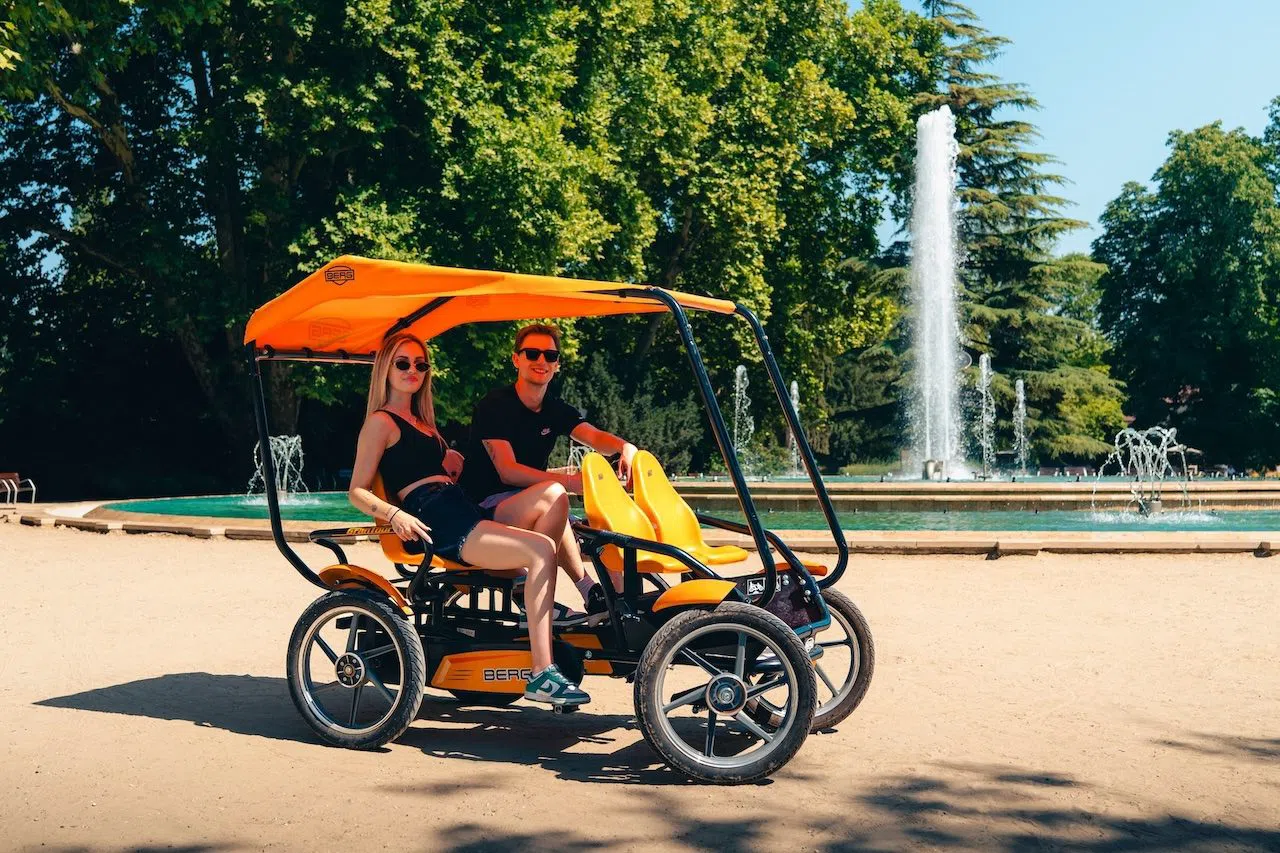
If the two days have gone well, you will have one loose hour left, and the best place to spend it is Go Mobility (Margaret Island), the rental hut on the car-free island in the middle of the river. Bikes start at 3,900 HUF per 30 minutes and quadricycles (four seats, pedals for everyone, no dignity required) at 6,900 HUF per 30 minutes, with 15% off online and walk-ins accepted. It opens daily at 9:00 and runs until sunset. The island itself is free to enter, and the 5km loop past the rose garden and the ruins of the Dominican convent is the one genuinely unhurried stretch in a two-day itinerary. Tandems and singles are there for couples; the quadricycle exists for groups who have stopped taking themselves seriously.
Where to base yourself
Stay on the Pest side, in District V, VI or VII. Everything in this plan except Castle Hill and the baths is then within a 20-minute walk, the tram and metro lines converge there, and you can go back to the room in the afternoon instead of carrying a day bag until midnight. Compare rates and locations through Budapest hotel search, and read the Budapest guide for a wider view of the districts if you are staying longer than two nights.
Practical notes for two days
Transport runs on one ticketing system across the metro, trams and buses. A 24-hour or 72-hour travelcard pays for itself on day one and removes the fiddle of single tickets. Trams run along both embankments and are worth taking simply for the river. Order taxis by app or phone; they run on the meter.
The currency is the forint, not the euro. Cards work almost everywhere, but keep a few thousand forint in cash for market counters, lockers and small bars. If a card terminal offers to charge you in your own currency instead of forint, decline. The exchange rate applied is always worse than your bank's.
Book in this order: the Parliament slot first, then the bath, then the synagogue tour. Everything else can be decided on the morning. Keep the first hour of day two free of tickets so that an early start on Castle Hill stays cheap and quiet.
For a budget, two full days of sights, one bath, one cruise and one rooftop drink lands somewhere around 45,000 to 60,000 HUF per person, roughly €115 to €150, before food and accommodation. Cut the funicular and the tower tickets and you save a useful chunk without losing anything you came for.
Before you go
Is two full days enough for a first visit to Budapest?
It is enough to see the city properly if you split it by bank, Pest on one day and Buda on the other, and accept that you will choose one bath rather than two. Two days covers the Parliament, Castle Hill, Gellért Hill, a thermal bath, the Jewish Quarter and an evening on the Danube without a single rushed transfer. It does not cover the outer districts or a second museum day.
Do I have to book the Hungarian Parliament tour in advance?
Yes. You can only see the interior on a guided tour at a fixed timed slot, booked through jegymester.hu, and slots commonly go weeks ahead. Tickets are 4,000 HUF for EU and EEA citizens and 8,000 HUF for everyone else, so bring the document matching the price you paid. Groups should reserve a dedicated slot rather than turn up and hope for spare places.
Széchenyi or Rudas — which bath suits a two-day trip?
Széchenyi in City Park suits groups and families: 18 pools, no door policy, around 9,500 HUF on weekdays with a locker, and timed online tickets. Rudas at the foot of Gellért Hill is the adult one, with a rooftop tub over the river, all-zone entry around 12,000 HUF on weekdays, and no under-14s. Rudas is also the better fit if your second day ends on the Buda side.
Is the Castle Hill funicular worth taking, and when is it closed?
It is a 155-year-old ride as much as a lift, about 4,000 HUF one way, and it saves the climb. It closes for maintenance on the Mondays of odd-numbered weeks, and for a longer shutdown from 5 to 16 October 2026. The stepped path alongside takes about ten minutes on foot, so keep that as your backup either way.
How much cash do I need, and are cards accepted?
The currency is the Hungarian forint and cards are accepted almost everywhere, including baths and museums. Carry a few thousand forint for market counters, lockers and smaller bars. If a terminal offers to bill you in your home currency rather than forint, decline it: the rate applied is consistently worse than your own bank's.