The Budapest issue
The Gilded Cup: Budapest's Coffee Houses and the Century They Shaped
How Budapest's coffee houses became the parliament of a city's writers and revolutionaries — and where, more than a century on, you can still order the exact torte they argued over.
By Giulia FerraroMarkets, lángos and long lunches
There was a time when a poet in Budapest didn't need an apartment, only a café — a marble table by the window, a waiter who'd float a loan against next month's fee, and an ink pot that never ran dry. The coffee house was newsroom, salon, debating chamber and second home, and the whole restless century of the city was drafted at these tables in pencil and cigarette smoke. What's remarkable in 2026 is how much of it survives: not as a museum behind glass, but as rooms you can still walk into, order in, and linger far longer than anyone would dare in Vienna.
That lingering is the point. Budapest inherited the Central-European café from the Habsburgs but bent it to its own temperament — longer hours, more cake, less hurry. In Vienna the ritual is brisk and buttoned; here it sprawls. You come for one espresso and stay for three, a slice of torte arrives without much ceremony, and nobody rushes the bill. Understanding that rhythm is the difference between ticking a café off a list and actually spending an afternoon the way the city intends.
The showpieces: dazzle, queues and a cathedral of coffee
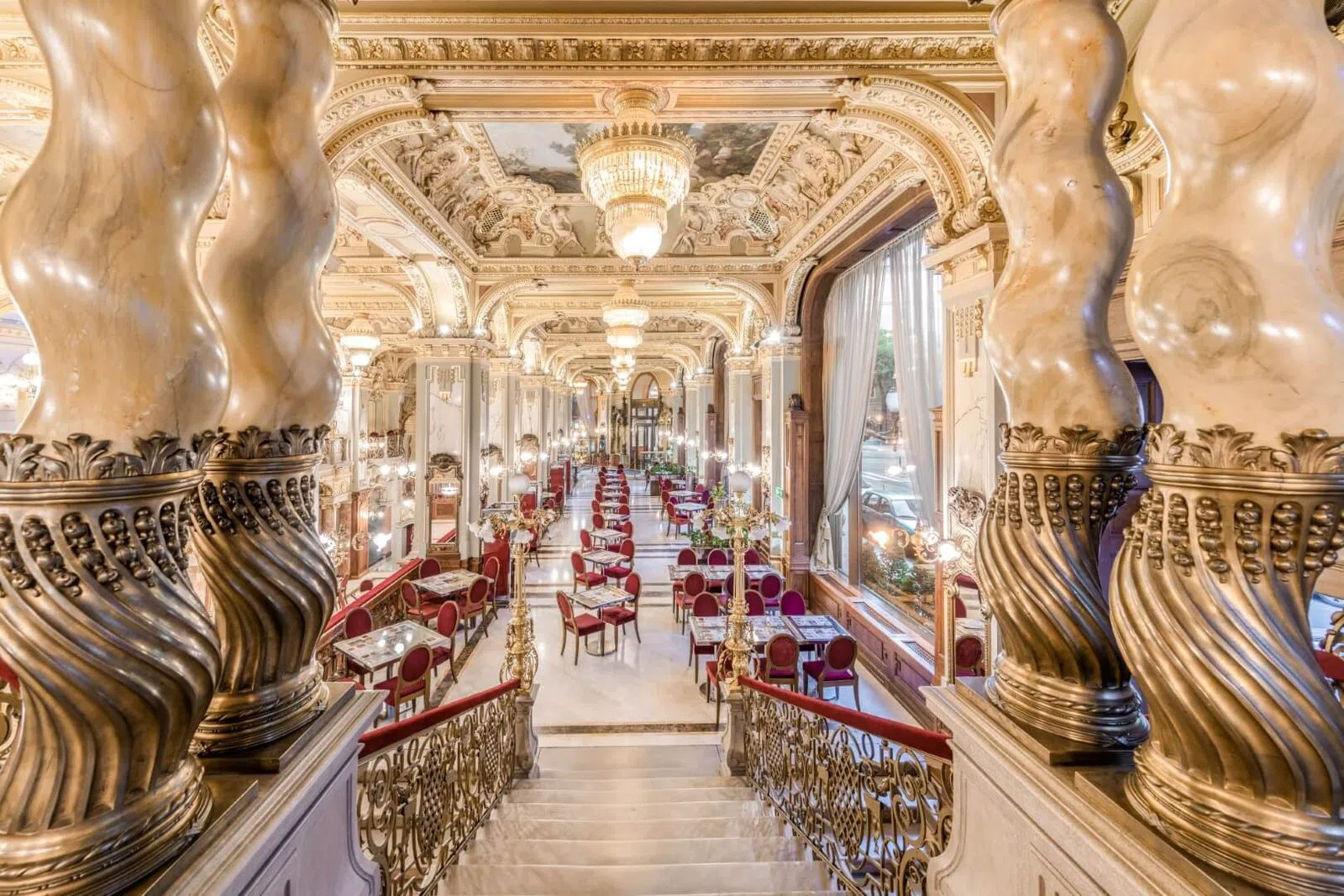
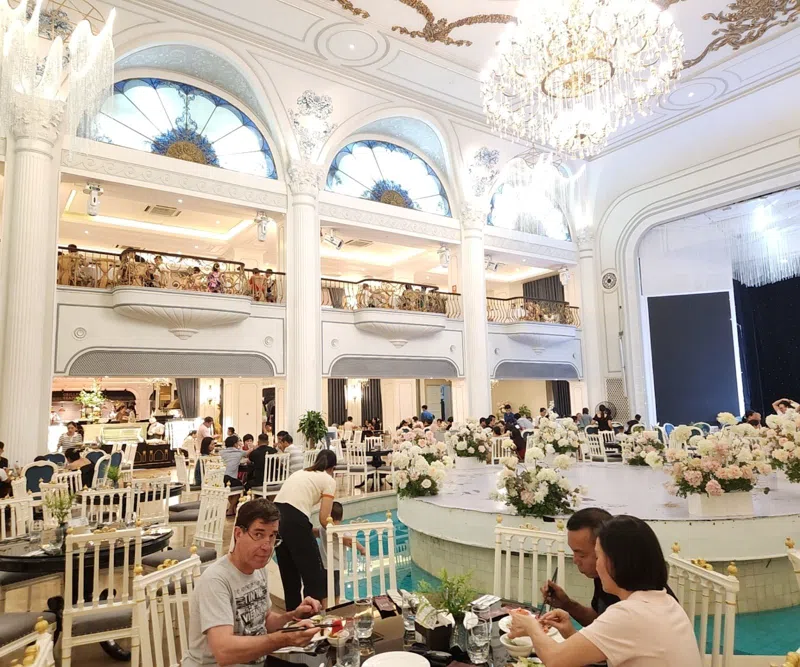
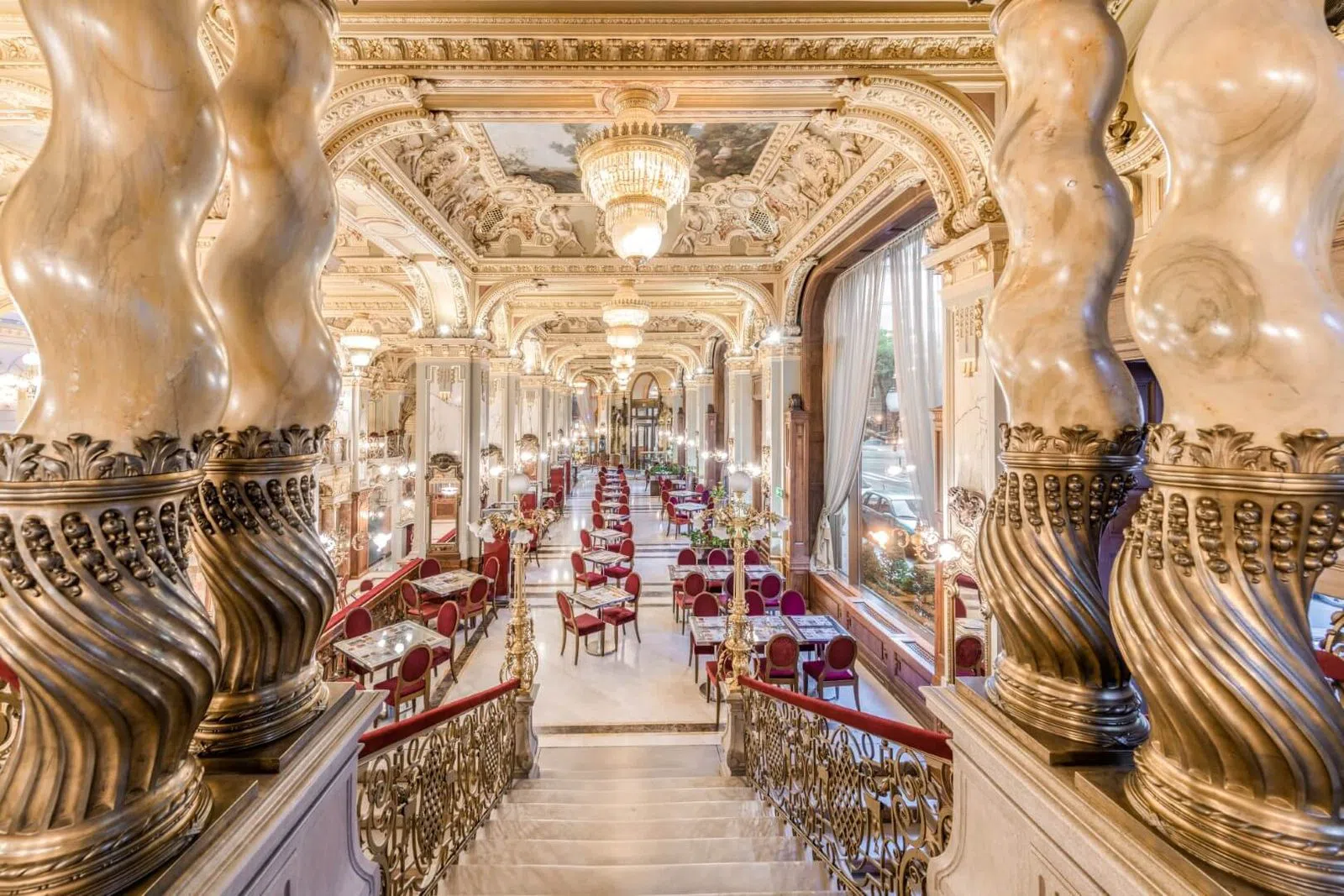
Start where everyone starts, because it earns the crowds. New York Café (Erzsébetváros, on the Grand Boulevard) has been billed for over a century as the most beautiful café in the world, and the gilded, frescoed, chandelier-heavy room still makes newcomers stop mid-sentence in the doorway. It was the beating heart of literary Budapest — the legend has it a young writer threw the café's keys into the Danube so it could never close — and today it leans hard into that grandeur. Expect it to be busy, always; expect a queue if you walk in without a booking. Reservations are strongly advised, the room takes groups and large parties comfortably across its balconies, and there's no dress code, though people tend to lift their game to match the ceilings. Pricing is firmly €€€ — a coffee and cake here runs well above the city average, and you're paying for the room as much as the cup. The upside for 2026: it now stays open late, to 1am at weekends, so an evening visit sidesteps the worst of the daytime tour crush.
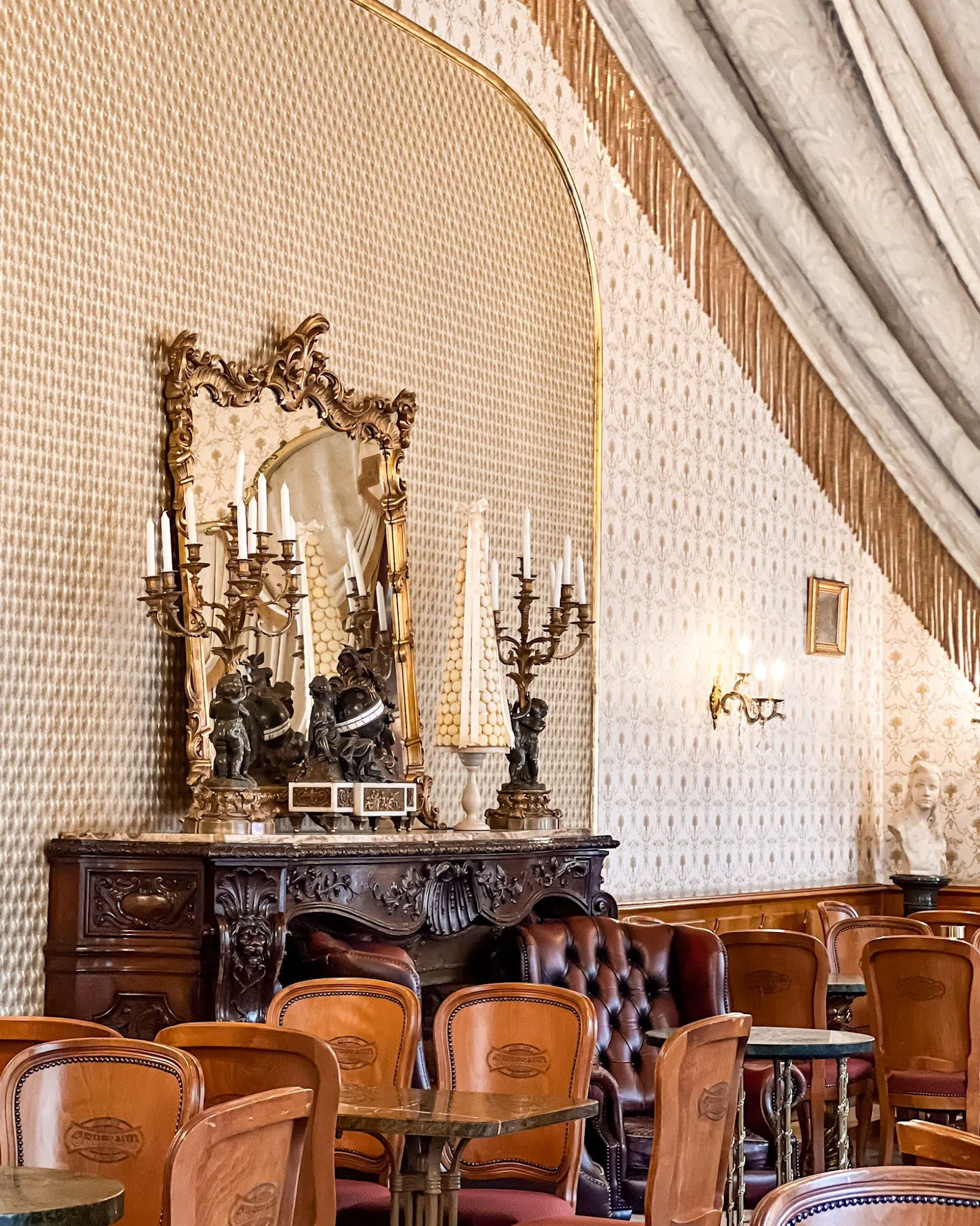
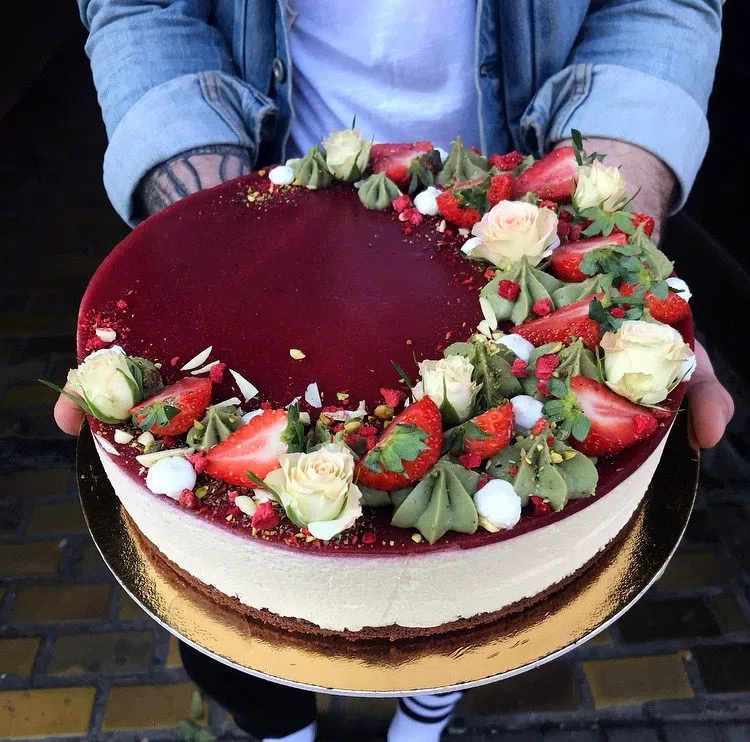
The other benchmark house sits on Vörösmarty tér in the heart of the Belváros. Café Gerbeaud is the definitive grand-café-on-the-square: a spacious warren of high-ceilinged rooms and, in season, a terrace that swallows big tour parties whole. This is the place to understand what you're eating, because Gerbeaud is the reference standard for Budapest's two signature cakes. Order the Dobos torte — five thin sponge layers, chocolate buttercream, a lid of hard caramel you crack with your spoon — or the Esterházy torte, its almond-meringue layers and cognac-spiked buttercream fingered with that unmistakable white-and-brown feathered glaze. It is touristy and it is expensive (€€€, and noticeably pricier to sit in than to take away from the counter), but the multi-room layout handles large groups better than almost anywhere, and the cakes are the real thing. If you only sit down at one grand café for the confectionery, and you have a crowd, make it this one.
Plan your Budapest trip
Live prices from our booking partners.
Free cancellation on many rooms. We may earn a commission when you book.
The literary survivors: where the pens actually moved
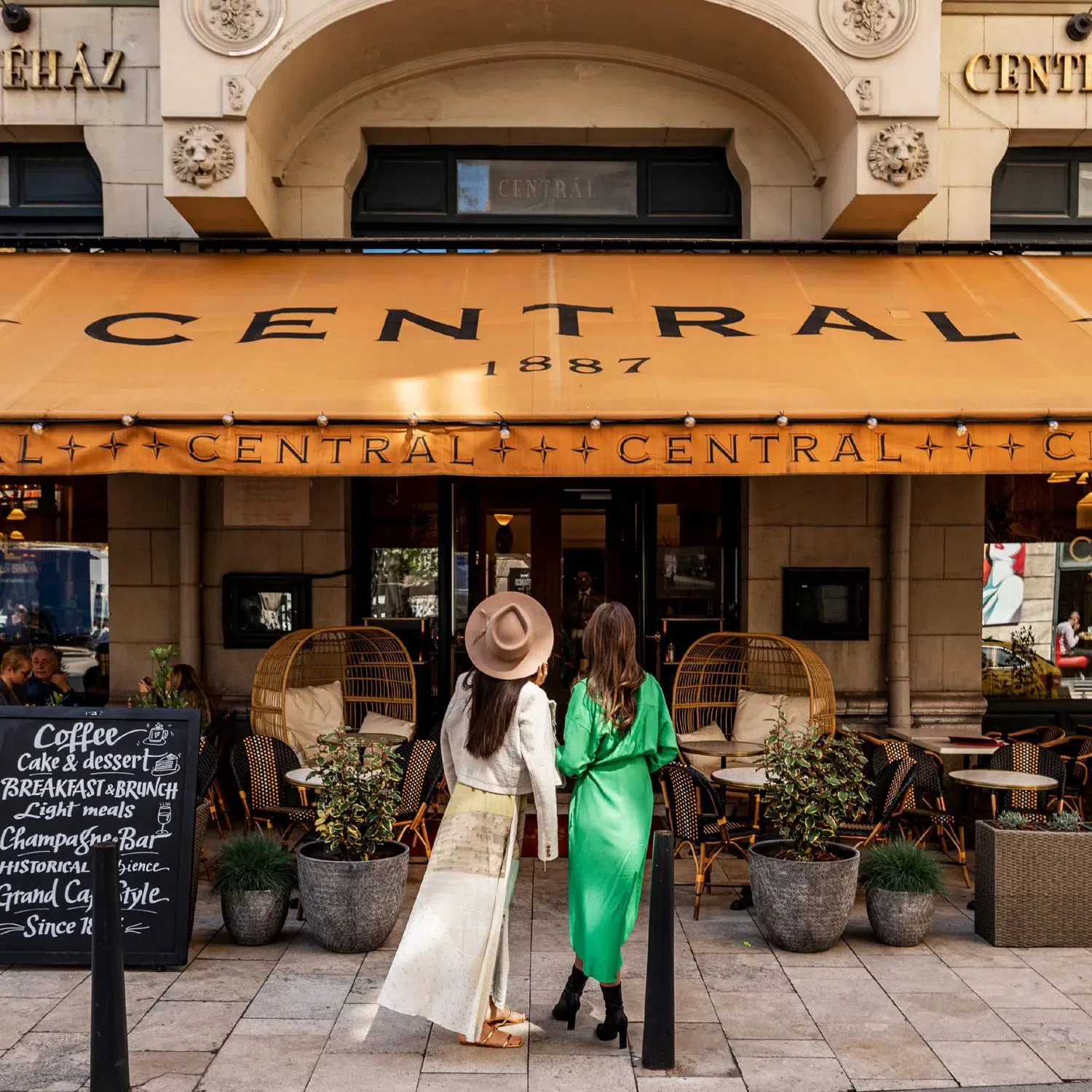
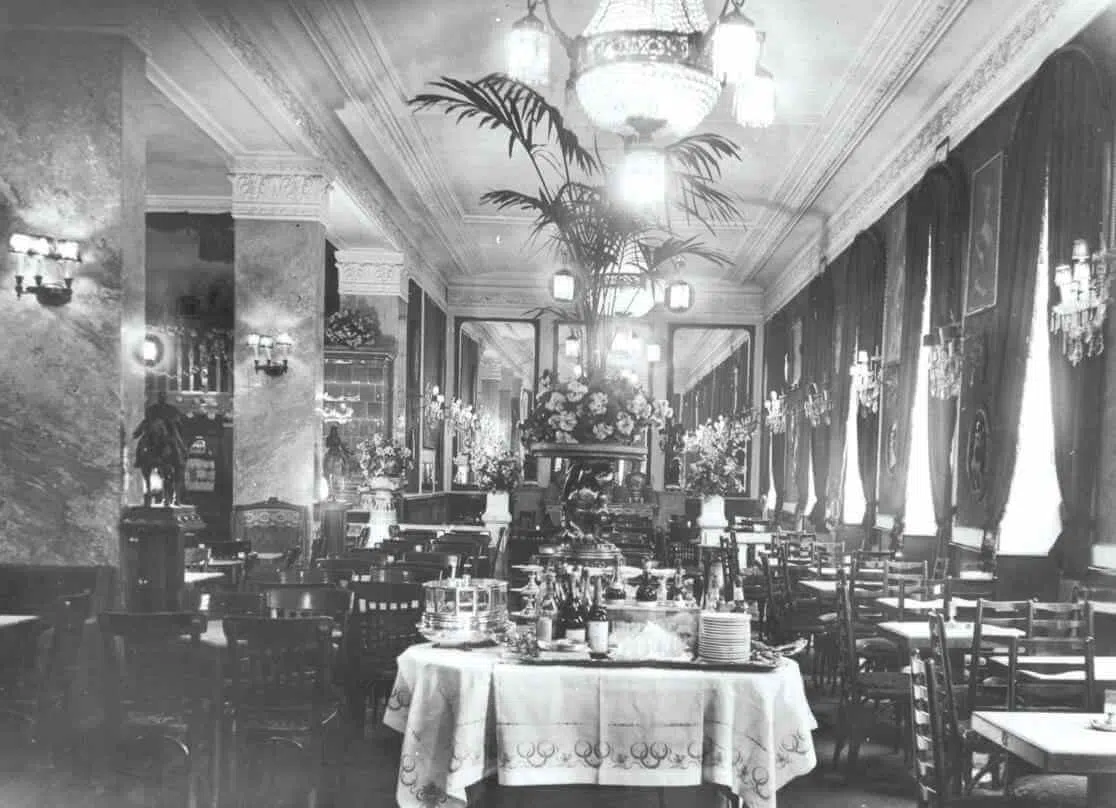
The showpieces dazzle; the survivors have soul. Centrál Grand Café & Bar (Belváros, near Ferenciek tere) was once the headquarters of the Nyugat generation — the literary magazine and the newspapers that shaped modern Hungarian letters were, in a real sense, run from these tables. It wears that history lightly now: several floors, a lived-in warmth, and a door far more relaxed than New York's. It takes reservations for parties and is genuinely group-friendly across its levels, but it's also the place to come alone with a book and not feel like you're occupying a stage set. Pricing is €€ — historic-café rates, gentler than the showpieces — which makes it my pick for an unhurried second coffee when the crowds across town start to grate.
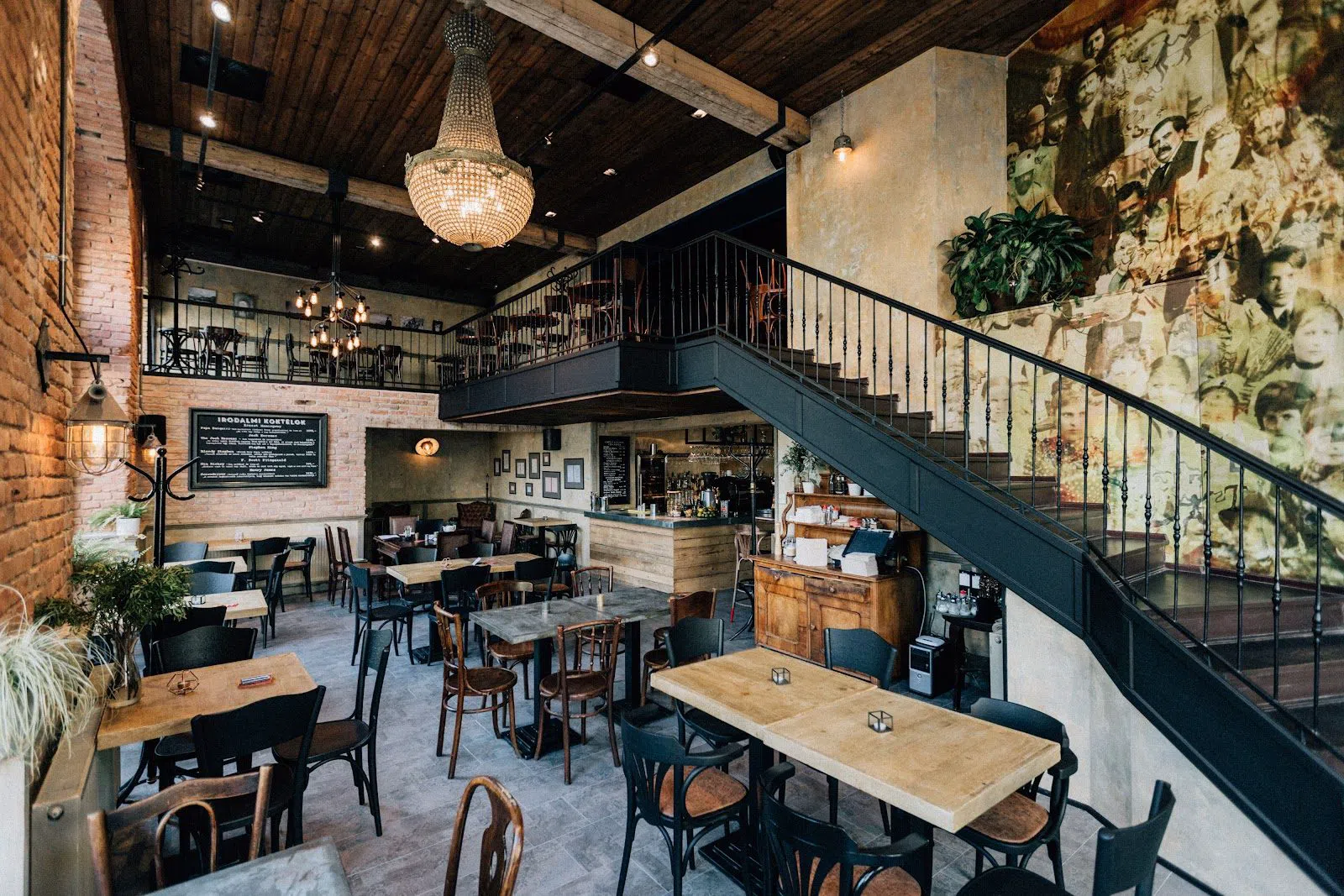
Cross the river for the other kind of survivor. Hadik Kávéház (Buda, on Bartók Béla út) was Frigyes Karinthy's haunt, and unlike so many cafés that trade purely on dead writers, Hadik is still a living literary café — it hosts readings, discussions and art nights rather than framing them. The door is casual and welcoming, it handles groups and literary events well, and the pricing is honest €€. If you want to feel what these rooms were actually for — argument, performance, community — rather than just photograph what they looked like, this is the address. It rewards an evening more than a rushed daytime stop; check what's on before you go.
Curtain-up: the Opera-district cafés
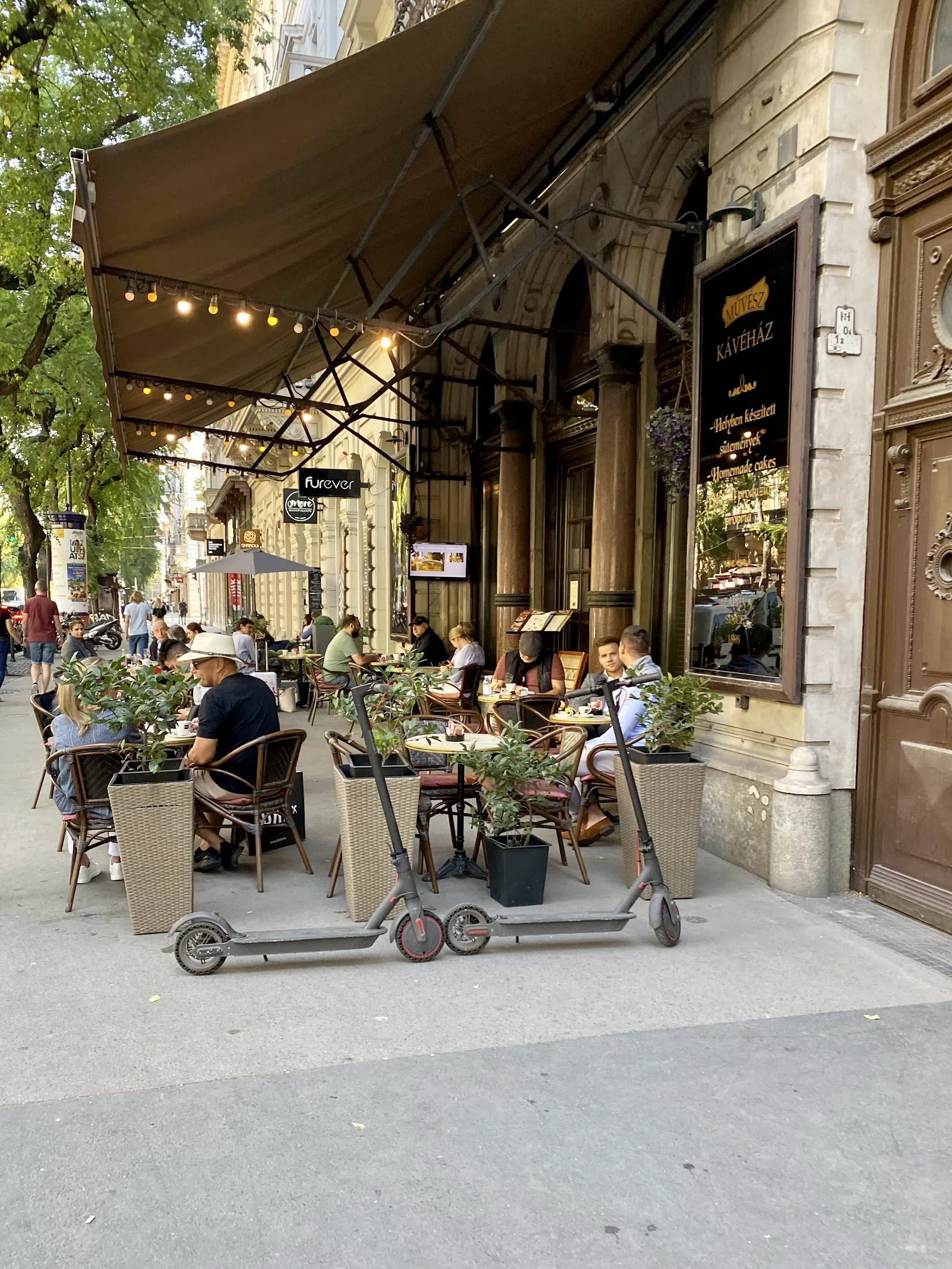
Some cafés live by the rhythm of the Opera House, filling before the performance and again after the final bow. Művész Kávéház (Terézváros, steps from the Opera on Andrássy út) is the classic pre-curtain address — a 120-year survivor, back in full operation after a recent scare, and rightly famous for its cakes. This is a confectionery-minded grand café: small tables that suit couples and pairs, with a terrace that takes larger parties when the weather holds. There's no real reservations culture, so the move is to arrive off-peak — mid-afternoon, or the quiet hour before a show — rather than roll up with eight people at 7pm expecting a table. Pricing is fair €€. Come for a torte and an espresso before curtain-up; it's exactly what the room was built for.
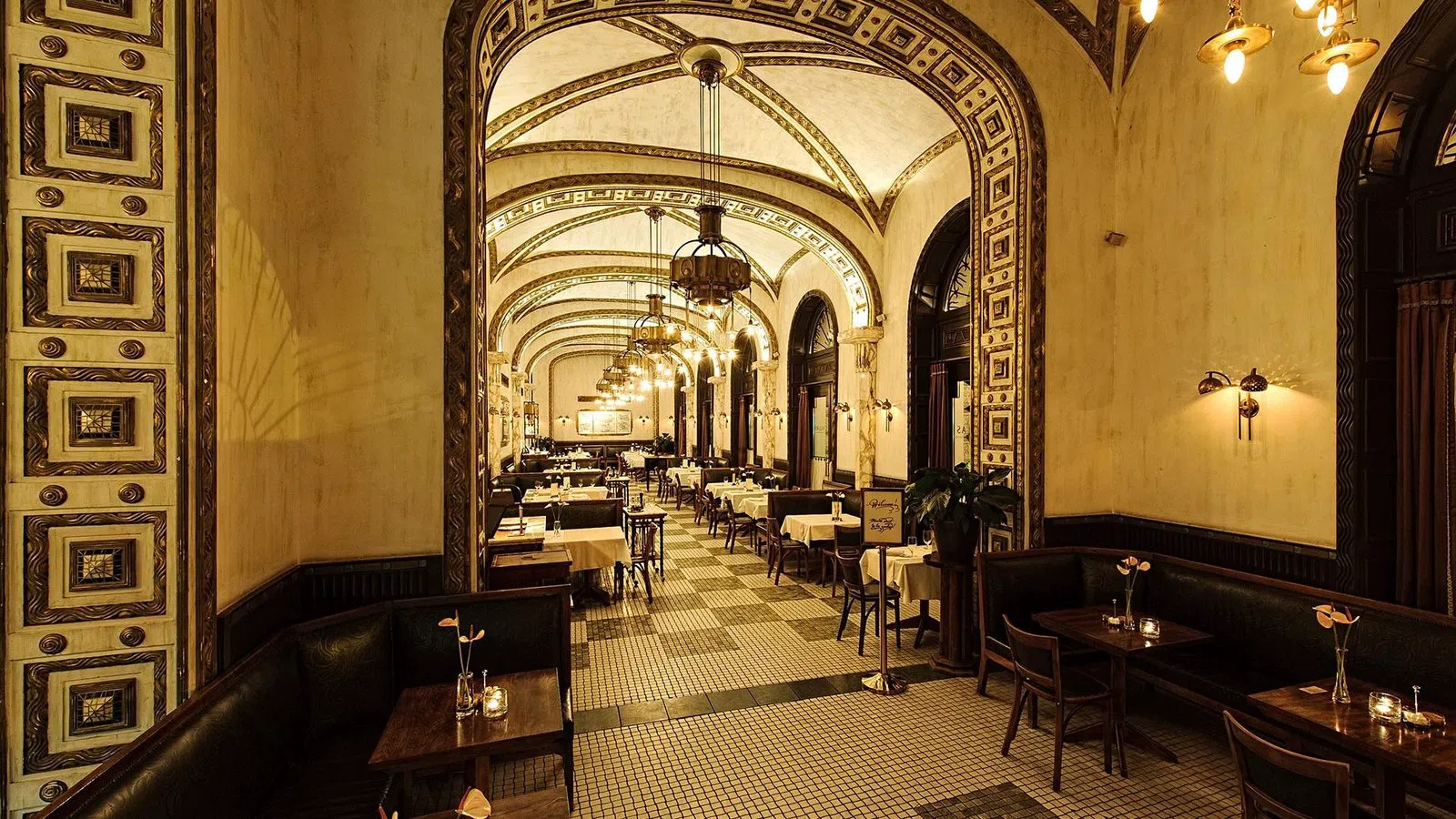
A few doors along, Callas Café & Restaurant (Terézváros, right beside the Opera) plays the same location two ways. By day it's coffee and cake in an elegant Art Nouveau room; by night it's a proper café-restaurant table for the pre- and post-performance crowd. It's comfortable for groups, it takes reservations — genuinely useful if you're timing dinner around a show — and the door is smart-casual. Pricing sits at €€€, upper-mid, because you're getting a full restaurant rather than just a counter. If Művész is where you grab cake standing on ceremony, Callas is where you sit down and make an evening of it. Book ahead on performance nights.
The confectioner's counter: locals, not tour buses
Not every sweet tooth needs a chandelier. Auguszt Cukrászda (Belváros branch, in the city centre) is a 150-year confectionery dynasty — the family has been baking since 1870 — and it's the locals' authentic counterpoint to the grand rooms. This is small and intimate, best for a couple of people rather than a party, with limited seating and a takeaway trade that many regulars prefer. Note the hours before you plan around it: it's closed Sunday and Monday. Pricing is €€ and fair for the quality, which is exactly the point — you come here for the craft of the pastry, not the theatre of the room. If the grand cafés start to feel like a performance staged for visitors, an hour at Auguszt is the corrective.
The third-wave chapter: Budapest's coffee grows up
The century-old story isn't finished — it's gaining a new paragraph. Over the past fifteen years a serious specialty-coffee scene has grown up alongside the grand houses, and it's no footnote. Espresso Embassy (Belváros, near Bajcsy-Zsilinszky út) is the flagship: ranked #17 in Europe's 100 Best Coffee Shops for 2026, it's a genuine single-origin destination where the filter list is read as carefully as any wine menu. It's counter-service and casual, small groups are fine, but there are no reservations and it gets properly busy at peak — go mid-morning or mid-afternoon. Pricing is €€, specialty rates. This is where you taste what the cup itself can do when the room stops competing for attention.
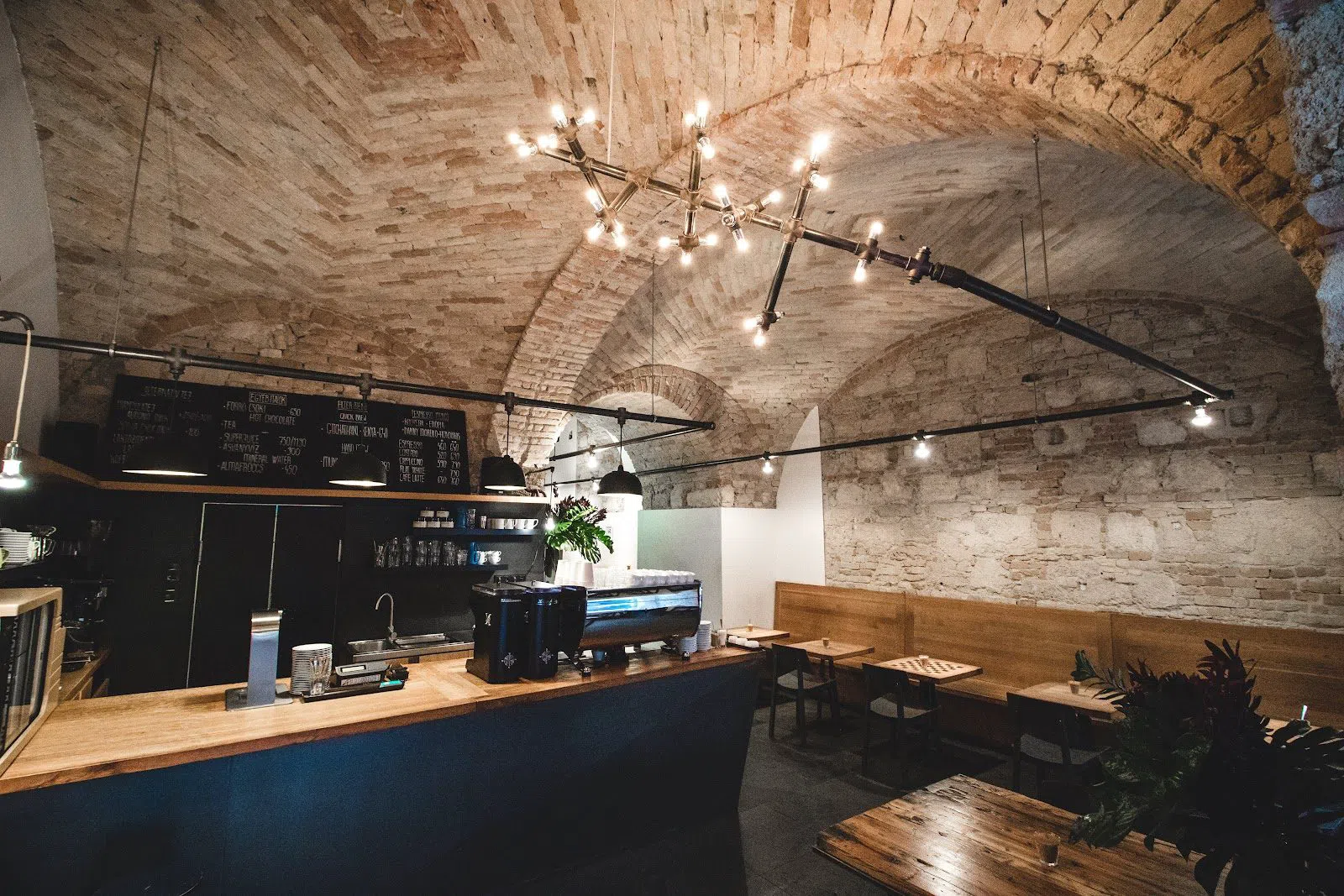
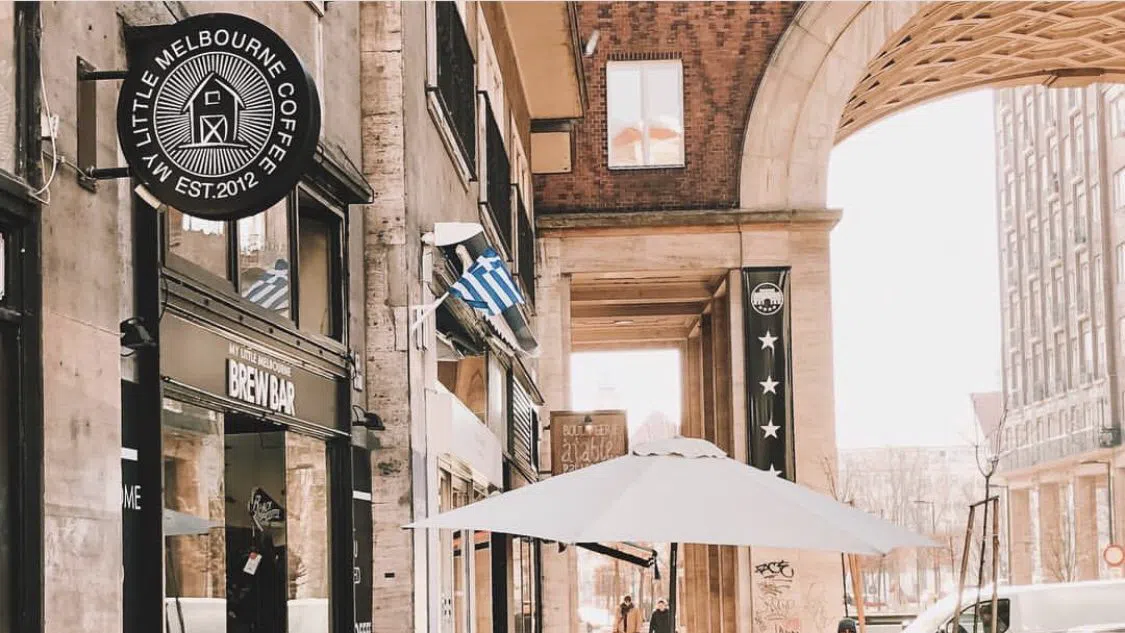
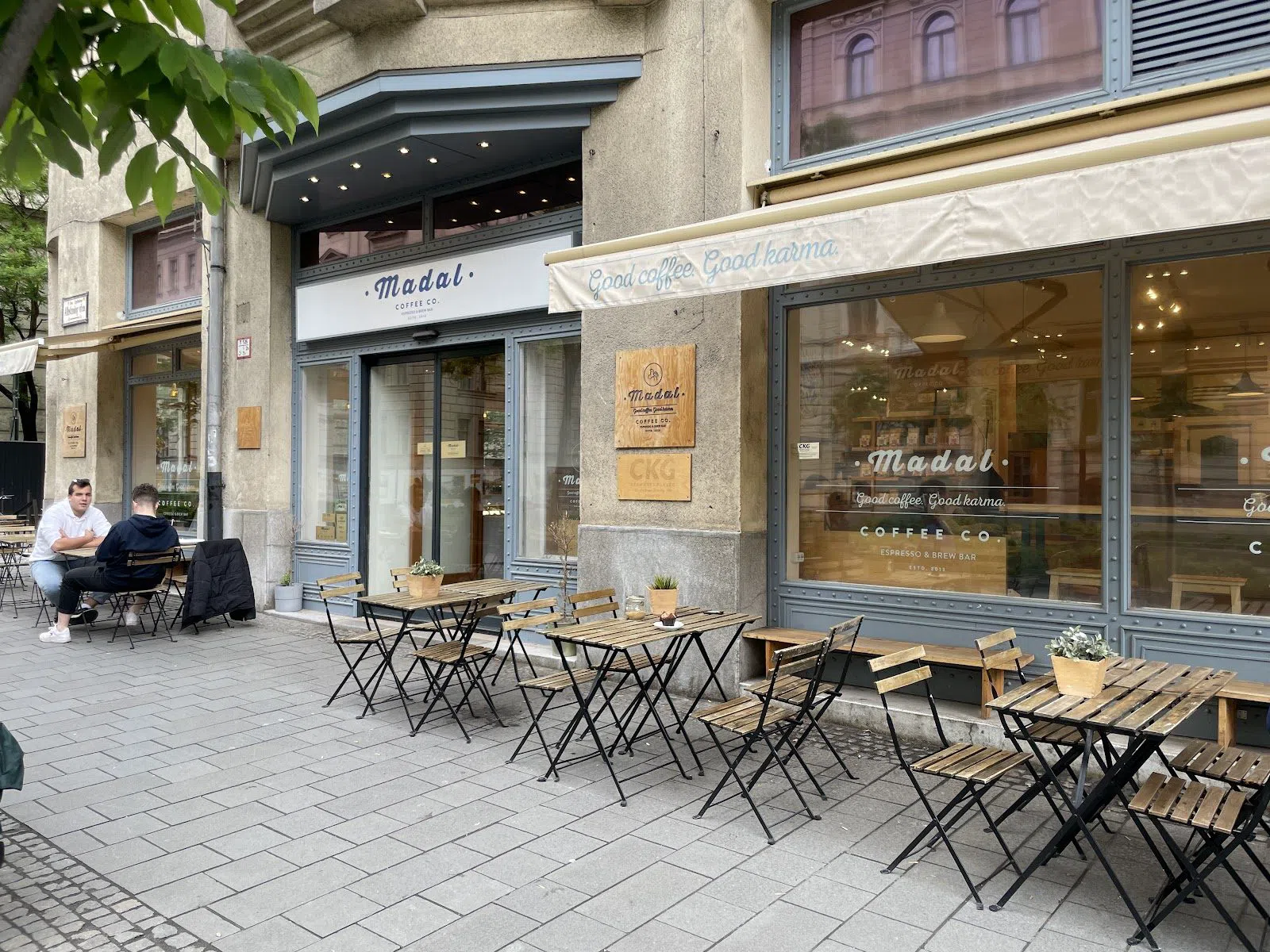
For the accessible, welcoming face of the same movement, Madal Café (several central branches) is a homegrown mini-chain roasting its own beans under the Beyond Within label. The multiple locations spread the demand, it's laptop- and small-group-friendly, and the vibe is relaxed order-at-the-counter — an easy €€ default when you want good coffee without a pilgrimage. My Little Melbourne Coffee (Erzsébetváros, near Madách tér) is the pioneer that started it all: Hungary's original specialty shop, opened in 2012, bringing a Melbourne flat-white sensibility to a city that only knew the grand café. It's very small — best for pairs or a couple of friends — counter-service, no reservations, and €€. Come for the flat white and a sense of where the whole new wave began.
And for the modern café as neighbourhood living room, Fekete (Belváros, off Múzeum körút) pairs precise filter coffee with all-day brunch in a tucked-away courtyard. The courtyard seating makes it a rare third-wave spot that actually suits groups in warm months; it's casual, and brunch runs till mid-afternoon. Pricing is €€, specialty plus brunch. It's the closest the new wave comes to the old café's original function — somewhere you settle in, order more than once, and let the afternoon go.
The ritual, and how to do it right
Here's the thread that connects the gilded rooms to the single-origin bars: in Budapest, the café was never just about caffeine. It was about staying. So resist the tourist reflex to photograph and flee. Order a coffee and a slice of something — Dobos or Esterházy at the grand houses, whatever's freshest at Auguszt, a filter and brunch at Fekete — and give it an hour. Match the room to your group: showpieces and Gerbeaud for crowds and occasion, Centrál and Hadik for lingering and conversation, Auguszt and My Little Melbourne for intimate pairs. The city's whole coffee century is built on the assumption that you have time; the least you can do is take some.
Practical notes
Getting around. Nearly everything here is walkable within central Pest, strung along or just off Andrássy út and the Grand Boulevard, with the metro (Line 1, the historic yellow line, runs under Andrássy) and trams filling the gaps. Hadik is the outlier across the river in Buda — tram 47/49 or a short ride over gets you there.
Cash and cards. Cards are accepted almost everywhere, but Hungary uses the forint (HUF), not the euro — prices are quoted in forint, and it's worth carrying a little cash for tips and the smaller counters. A modest tip (rounding up or roughly 10%) is normal for table service.
Timing. The grand cafés — New York above all — are busiest midday through late afternoon; go early, go late, or book. New York's new 1am weekend close makes an evening visit far calmer. Check Auguszt's closed days (Sunday–Monday) and Hadik's events calendar before you plan around either.
Budget. A coffee-and-cake at a €€ café is an easy, affordable treat; the €€€ showpieces (New York, Gerbeaud, Callas) are a deliberate splurge where you're paying for the room and the occasion as much as the cup. Do one showpiece properly, then spend the rest of your coffees among the survivors and the third-wave bars.
Where you rest between cafés matters too — see our Budapest hotel search for somewhere central enough to walk it all, and the wider Budapest guide for the rest of the city beyond the cup.
Before you go
Which is the most beautiful coffee house in Budapest?
New York Café in Erzsébetváros has been billed for over a century as the most beautiful café in the world — a gilded, frescoed, chandelier-heavy room that still stops newcomers in the doorway. It's premium-priced (€€€) and always busy; reserve ahead, or visit late, as it now stays open to 1am at weekends.
What cake should I order in a Budapest café?
Order a Dobos torte — five thin sponge layers with chocolate buttercream under a crackable caramel lid — or an Esterházy torte, almond-meringue layers with cognac buttercream and a feathered white-and-brown glaze. Café Gerbeaud on Vörösmarty tér is the reference standard for both.
How is Budapest's coffee culture different from Vienna's?
Budapest inherited the Central-European café but made it slower and sweeter: longer hours, more cake, and far less hurry. Where Vienna's ritual is brisk, Budapest expects you to linger — one espresso can easily become an unhurried afternoon, and nobody rushes the bill.
Do I need to book a table at Budapest's coffee houses?
For New York Café, booking is strongly advised — walk-in queues are common. Centrál, Callas and Hadik take reservations and are group-friendly. Művész, Espresso Embassy and My Little Melbourne have no reservations culture, so arrive off-peak; Auguszt is small and closed Sunday–Monday.
Where do locals go for coffee in Budapest instead of the tourist cafés?
For confectionery, Auguszt Cukrászda — a family dynasty baking since 1870 — is the locals' authentic pick. For the modern specialty scene, Espresso Embassy (ranked #17 in Europe for 2026), homegrown roaster Madal Café, courtyard brunch spot Fekete, and pioneer My Little Melbourne Coffee are where the city actually drinks.