
Budapest was two cities before it was one, and the river between them is still the spine everything else hangs off. Nine bridges now stitch Buda to Pest, from a 1849 chain-and-stone crossing built by a count who could not swim to a 2008 ring-road cantilever most visitors never see. Walk the historic four by day, ride the river tram for the same view at transit prices, or watch the whole set lit up from a Danube cruise after dark — this is how to cross the river properly, whichever bank you start on.
The Historic Four: Chain, Liberty, Margaret and Elisabeth
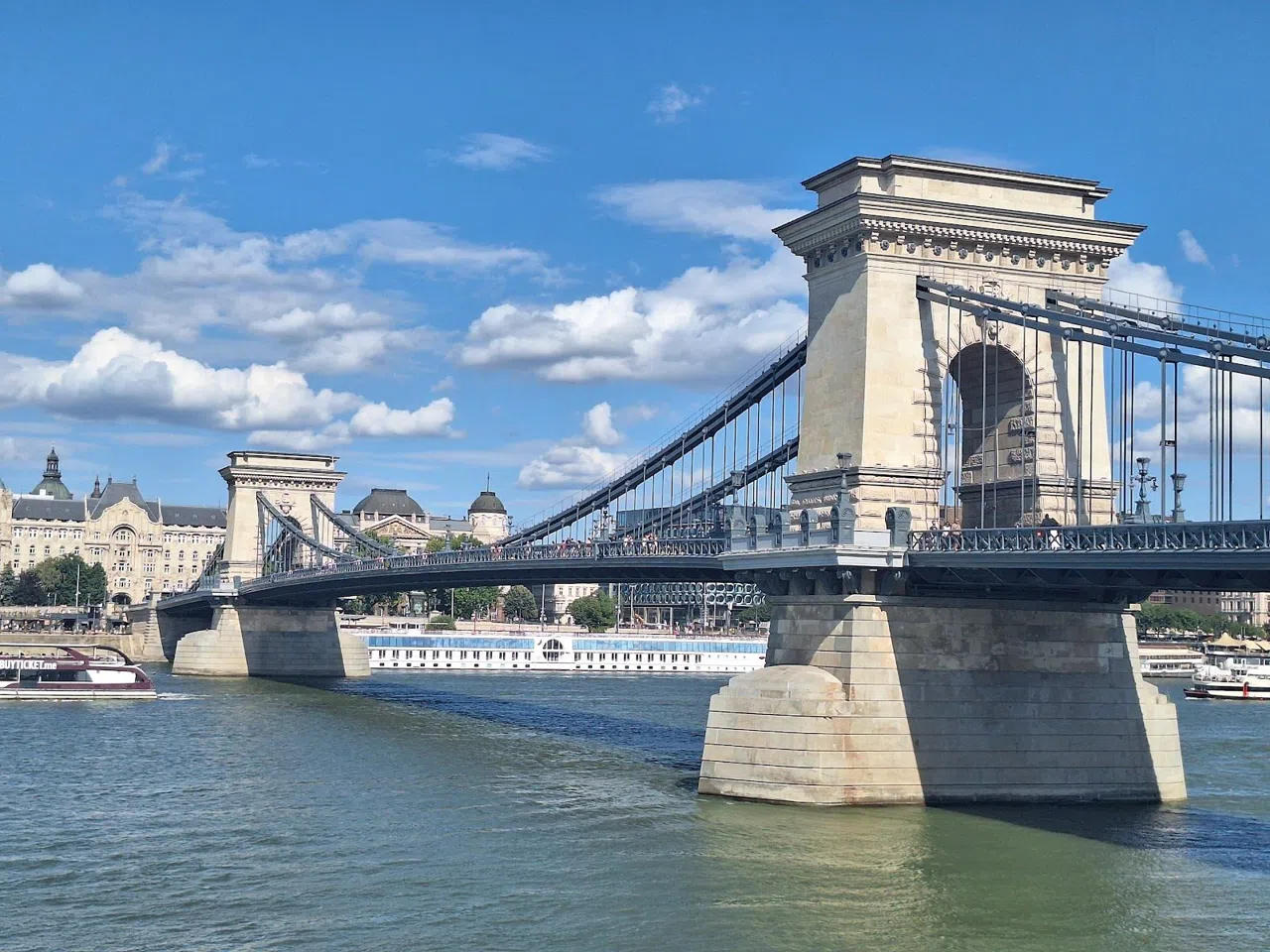
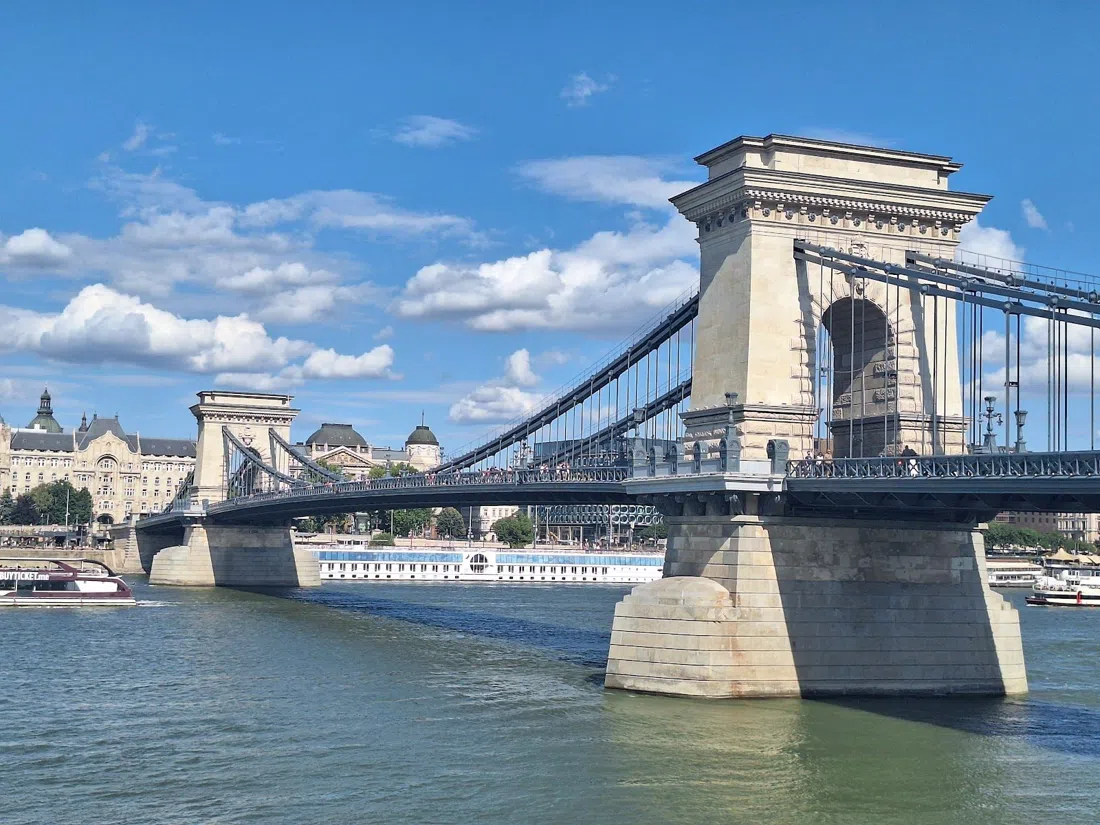
The Széchenyi Chain Bridge (Széchenyi Lánchíd), linking Pest's Széchenyi tér to Clark Ádám tér on the Buda side, is where the story starts and where most visitors take their first photo of the city. Opened in 1849, it was Budapest's founding river crossing — the first permanent link between what were then two separate towns — and it is still free, open to pedestrians around the clock, and closed to private cars, which makes the wide stone sidewalks genuinely walkable rather than a dash between traffic. It has fully reopened after its renovation and is lit from dusk to midnight, which is reason enough to cross it twice: once at midday for the views up and down the river, once after dark for the lions, the chain ironwork and the Castle behind it. There is no booking and no capacity limit, so it handles a coach group and a couple on an evening walk equally well.
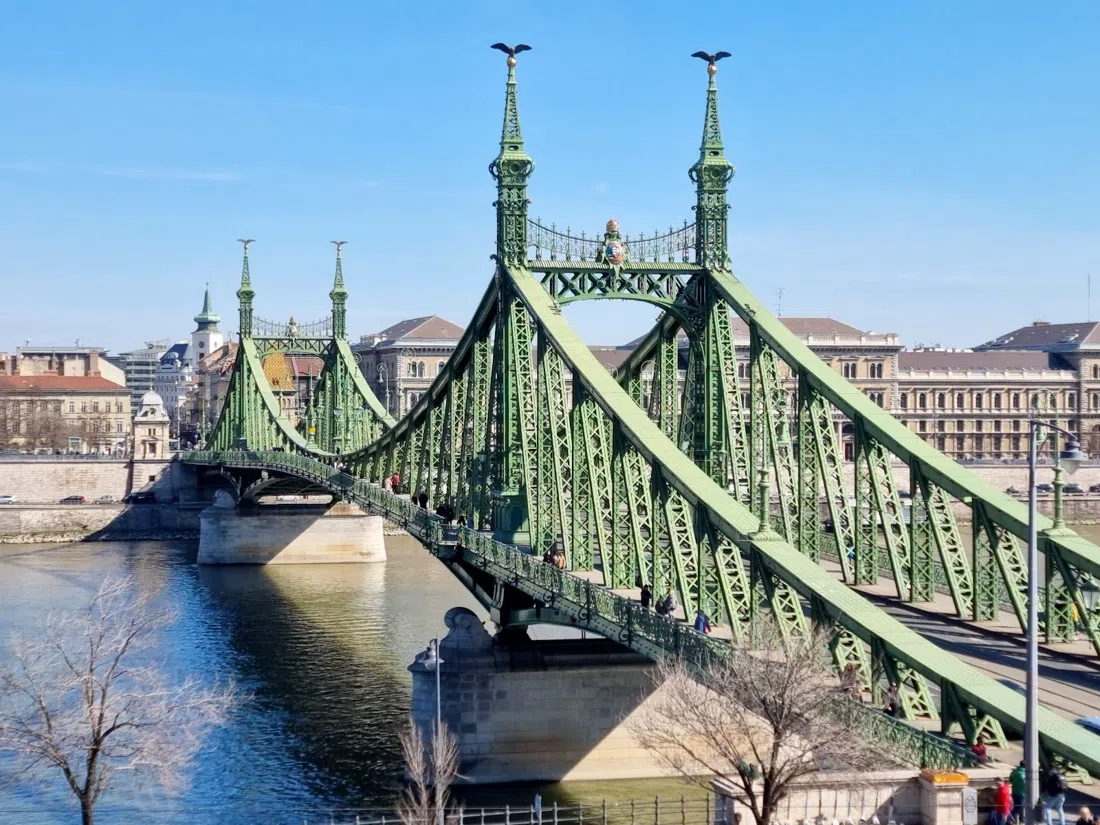
South of it, crossing to Buda near the Great Market Hall, the Liberty Bridge (Szabadság híd) is the shortest and most ornate of the four historic bridges, built for the 1896 Millennium anniversary and decorated with turul birds at each tower. It is a free pedestrian crossing with a wide walkway, and in summer it doubles as informal seating — locals sit on the ledges over the water in the evening, worth joining rather than photographing from a distance. Its Buda end drops you almost directly at the foot of Gellért Hill, so pairing the crossing with the climb up to the Citadella (below) is the natural order rather than backtracking.
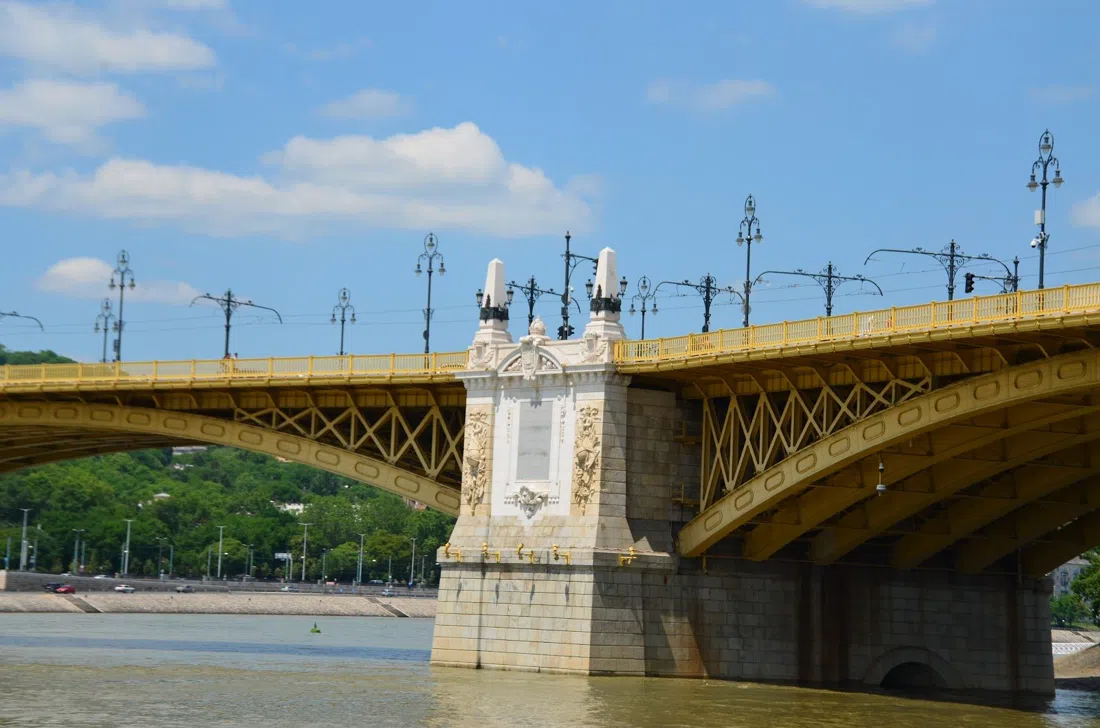
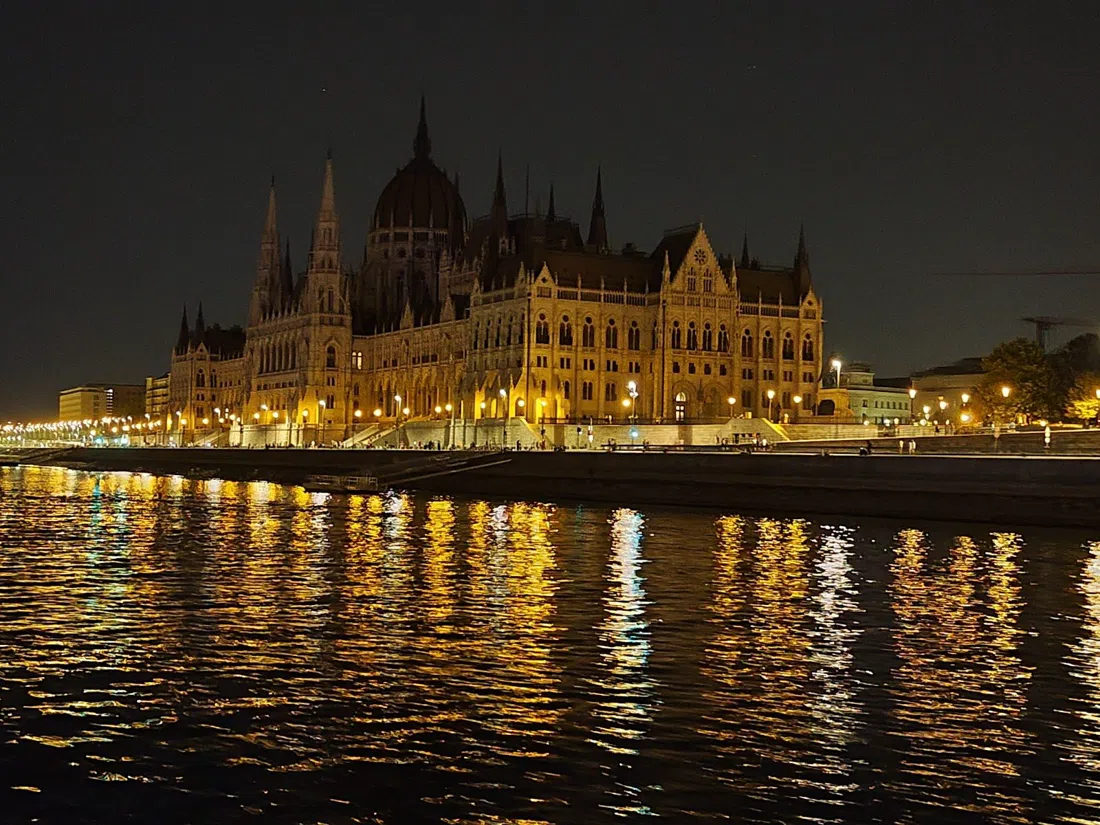
Further north, linking the embankments just below Parliament with a spur onto Margaret Island, the Margaret Bridge (Margit híd) carries the widest sidewalks of any bridge in the city, both pedestrian and cycle lanes, which makes it the easiest of the four for a larger group to cross without breaking into single file. It is also the only one of the nine crossings that doubles as an island exit ramp — a spur partway across drops onto Margaret Island, so a walk over Margaret Bridge is the natural way to start or end an island afternoon rather than a river crossing in its own right.
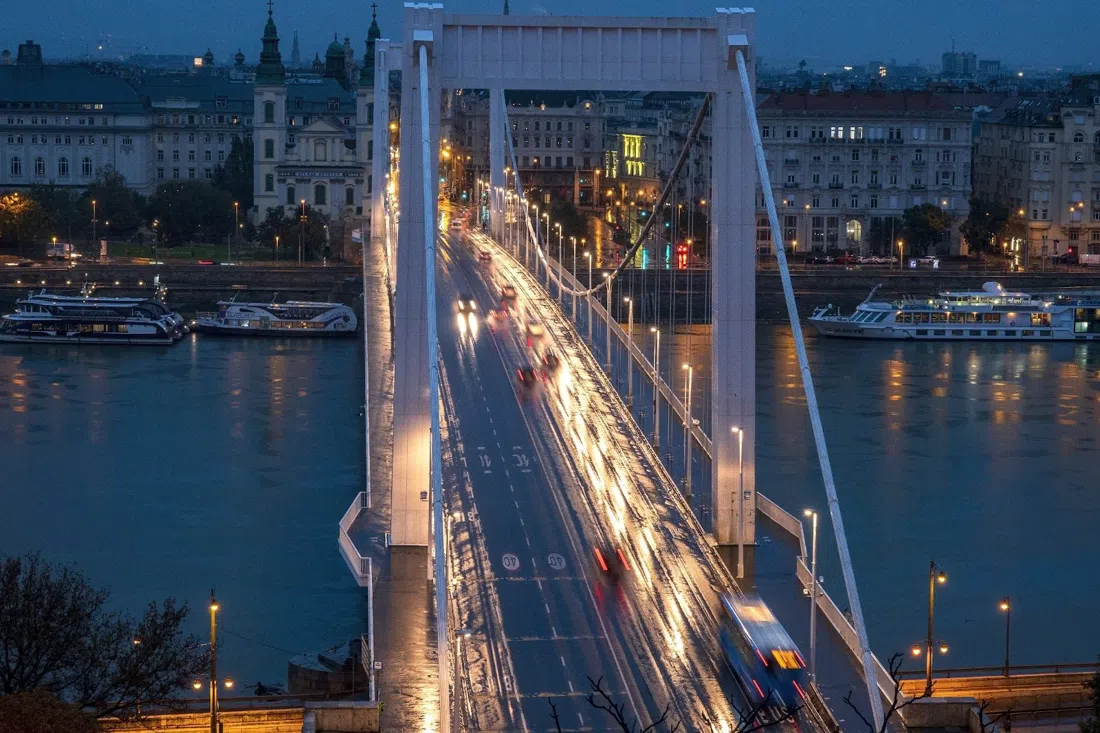
Between Liberty and the Chain Bridge, in the Inner City, sits the Elisabeth Bridge (Erzsébet híd), the odd one out of the group. The original 1903 bridge was destroyed in the Second World War; what stands now was rebuilt in 1964 in a stark, minimalist style that has nothing in common with the ironwork and stonework of its three neighbours. During the day that reads as plain; after dark, lit white against the sky, it is arguably the most striking of the four, and it is worth timing a night walk specifically to see the contrast between its clean lines and the Chain Bridge's Victorian ironwork a few hundred metres upstream. All four historic bridges are free, unbooked, open-access pedestrian crossings — the only real planning decision is which order to walk them in and whether to do it twice, once by day and once lit.
Views From the Banks: Gellért Hill and Fisherman's Bastion
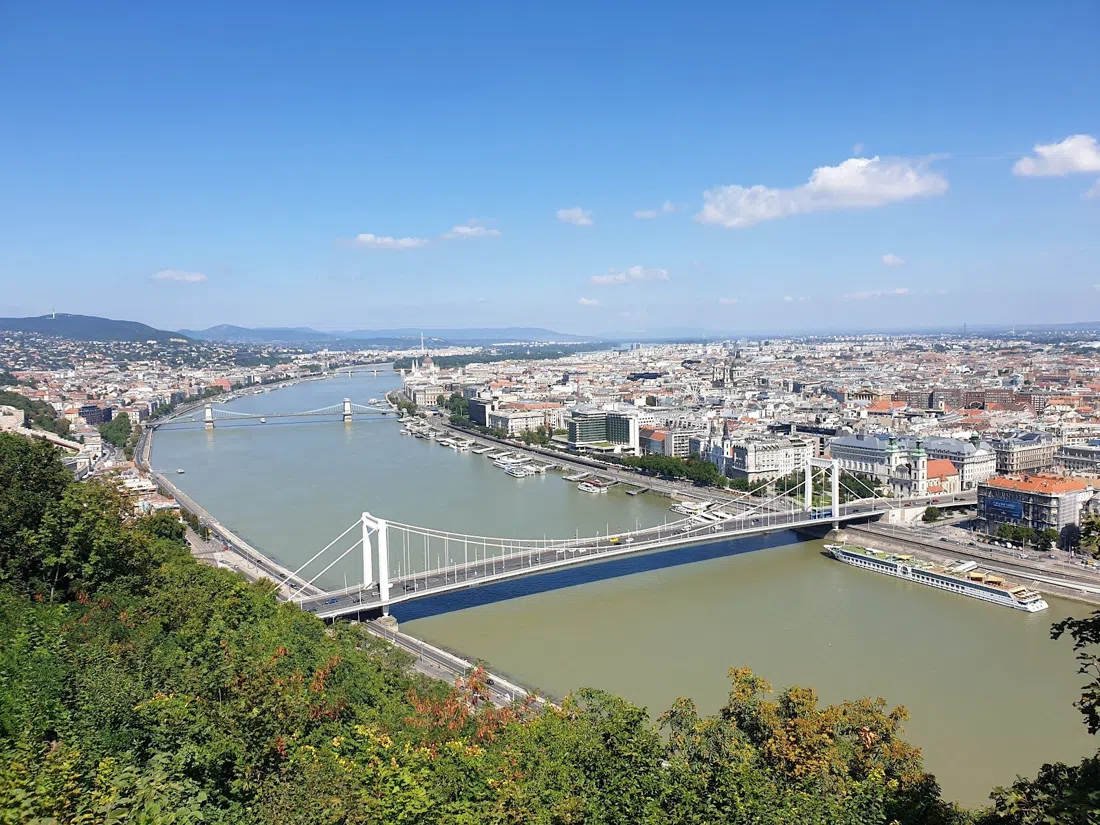
Walking a bridge tells you what it looks like at eye level; the two hill viewpoints on either bank are what put the whole set in context. On the Buda side above Liberty Bridge, the Citadella & Gellért Hill Lookout reopened in March 2026 after an 11-year closure, and it is now the single best elevated vantage point over the Chain, Liberty and Elisabeth Bridges together, seen in one sweep with the Parliament building visible downstream. The park and open terraces are free and take large groups without trouble; the Bastion of Freedom exhibition inside the fort itself is ticketed at roughly 4,900 HUF (about €12) for anyone who wants the history rather than just the view. Go up for sunset if the timing works — the terraces face west across the river, so the light hits the bridges rather than blinding you.
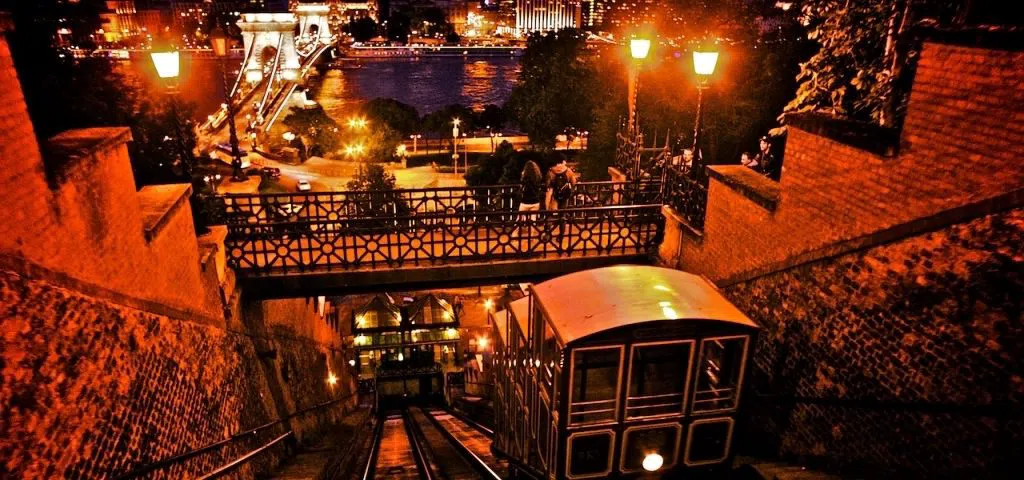
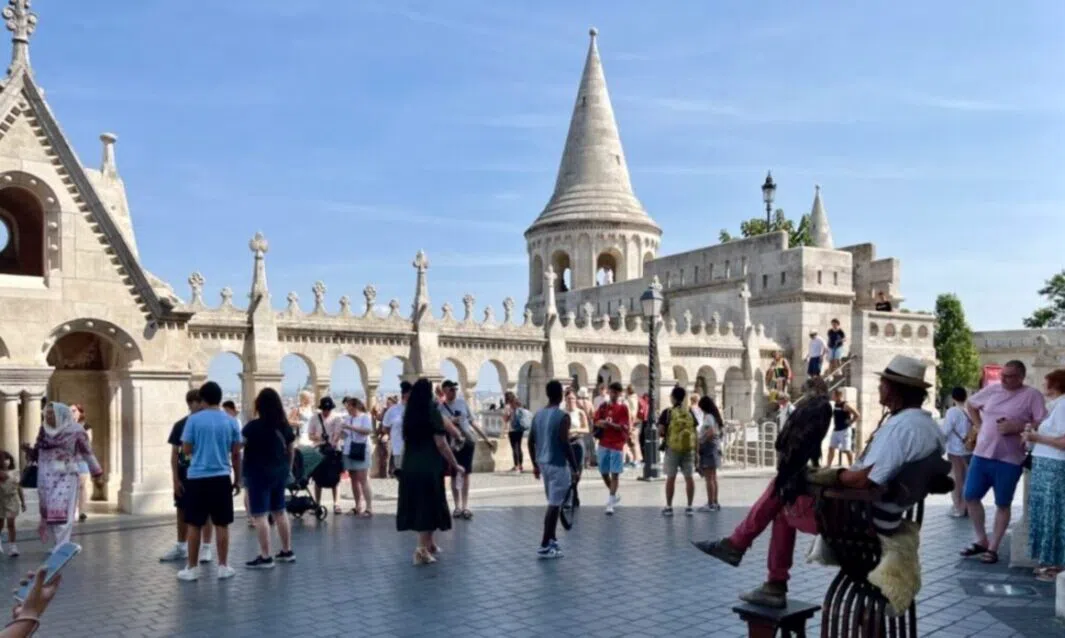
The Buda-side counterpart is Fisherman's Bastion (Halászbástya) on Castle Hill, whose terraces are free and open 24 hours, though the upper towers are ticketed — roughly €7-8 — and staffed only from 9am to 9pm. Visiting before opening or after closing gets the same view for nothing, and it is also when the terraces are least crowded, since most coach groups arrive mid-morning. The straightforward way up from the Chain Bridge is the Budapest Castle Hill Funicular (Budavári Sikló), which departs from Clark Ádám tér at the Buda end of the bridge and is the second-oldest funicular in Europe, running since 1870. It costs 4,000 HUF (about €10) one way, with return tickets available, runs continuously rather than on a schedule, and handles queues reasonably well outside peak season — though in July and August the line at the base can be long enough that walking up via the Castle Hill switchbacks is faster.
By River Tram, Water Bus and Night Cruise
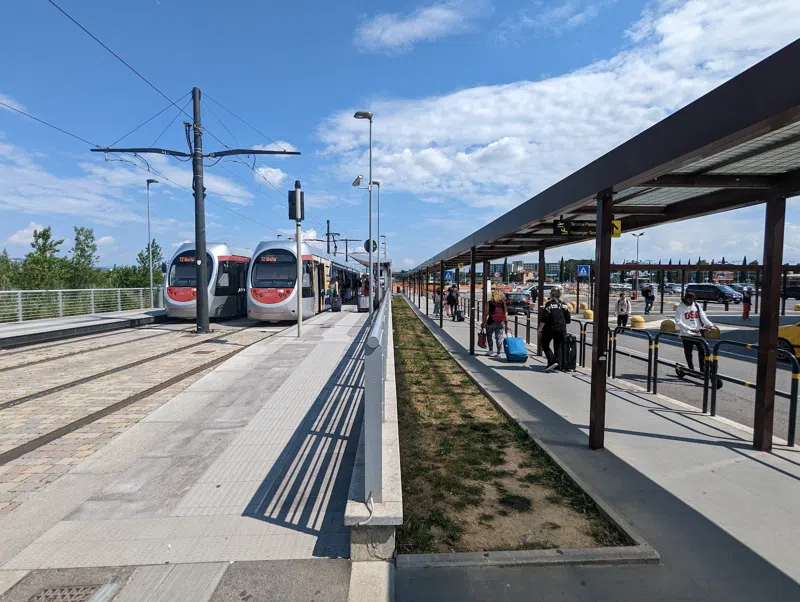
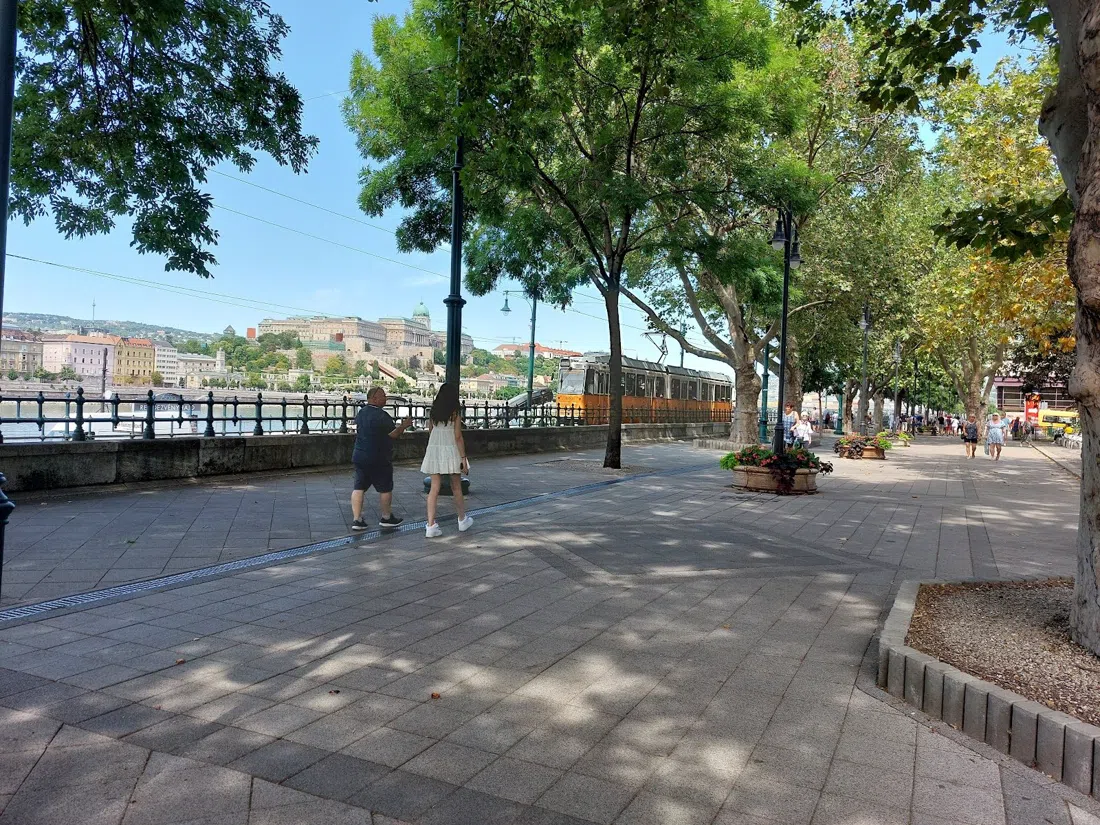
The cheapest way to see every central bridge from water level is not a cruise ticket at all. Tram Line 2 (BKK), running along the Pest embankment past the Parliament, under the Chain Bridge, past the Liberty Bridge and on toward the National Theatre, has been ranked among the world's most scenic tram routes by National Geographic. A single fare is around 500 HUF (about €1.30), or it is covered by any standard Budapest travel pass, and there is no booking — you simply board like any other tram. For a first pass at the bridges without spending on a tour, riding Tram 2 end to end and back is the honest budget option.
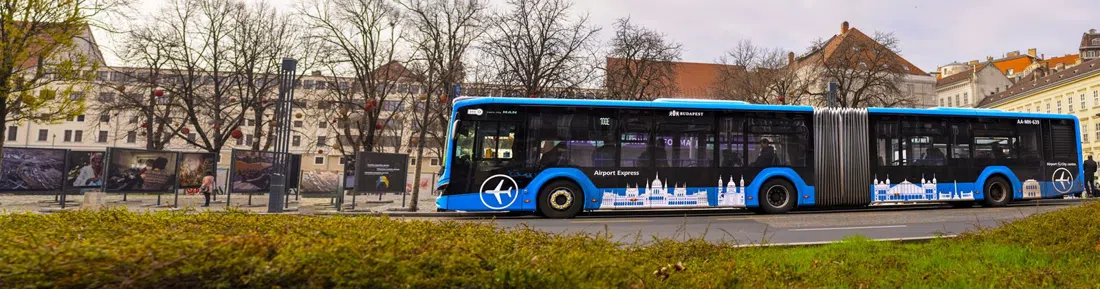
For an actual river-level view rather than the embankment, the BKK Danube Water Bus (hajóbusz, lines D11/D12/D2/D14) runs the same corridor on the water itself, on a standard BKK fare and free with most travel passes on weekdays. It is public transport rather than a tour — no commentary, no photo stops — which suits independent travellers and small groups who want the view without the sales pitch, though it is worth checking which of the four lines is running on the day, since not all operate on weekends.
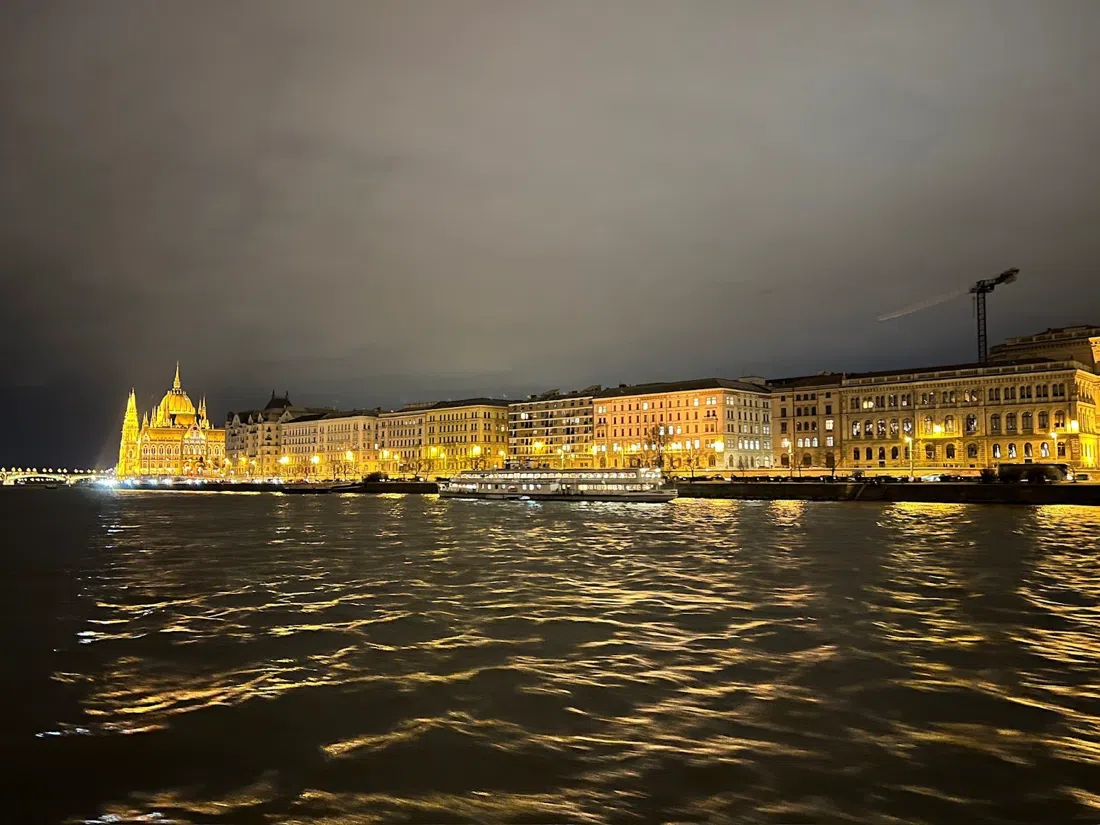
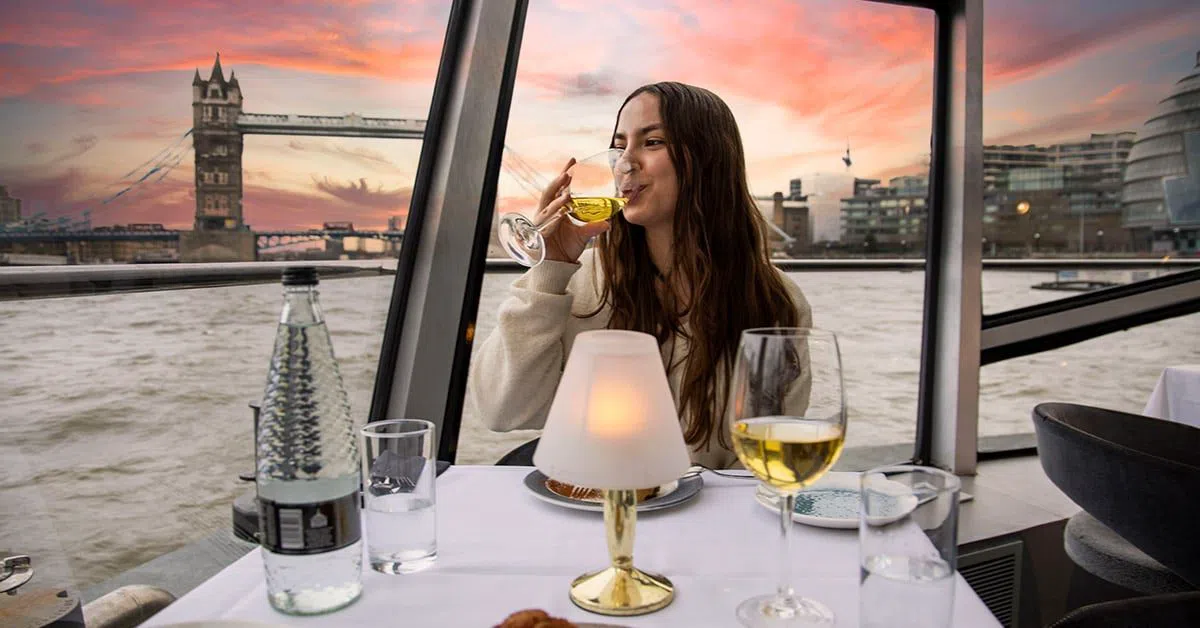
The commercial alternative, and the one that actually covers the night angle, is the Legenda Danube Sightseeing Cruise, docking by the Marriott near Elisabeth Bridge — the boarding point is marked with a large blue-and-white "7" that is easy to spot from the promenade. The standard evening cruise runs about an hour, costs from roughly €18-25, and comes with a multilingual audio guide covering 30 languages, which makes it the practical choice for mixed-language groups or anyone travelling with people who don't want to stand on a bridge in the cold to see it lit up. It takes group and private bookings, and the 2026 season timetable is worth checking directly, since departure times shift with sunset. Between the three, the honest hierarchy is: Tram 2 for free-ish daytime views, the water bus for a quieter unguided river-level pass, and Legenda for the one evening you actually want commentary and every bridge lit at once.
The Other Five Crossings: Workhorses, the Ring Road and the Rail Line
Four bridges get postcards; the other five explain how the city actually functions day to day, and they are worth a paragraph even though none of them are destinations in themselves.
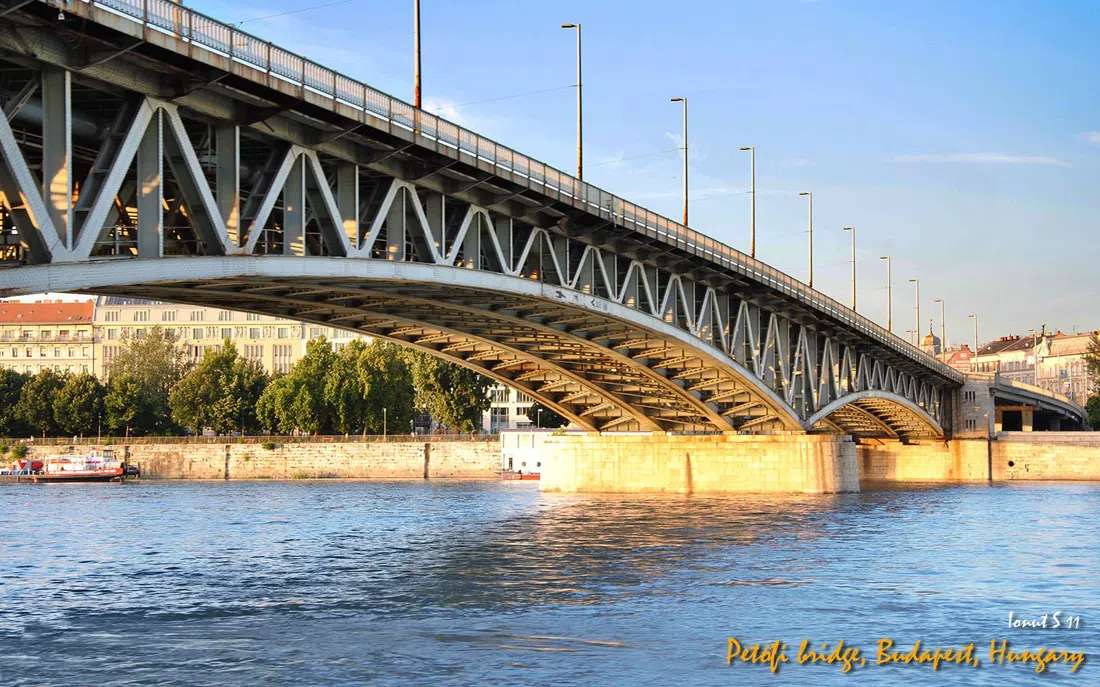
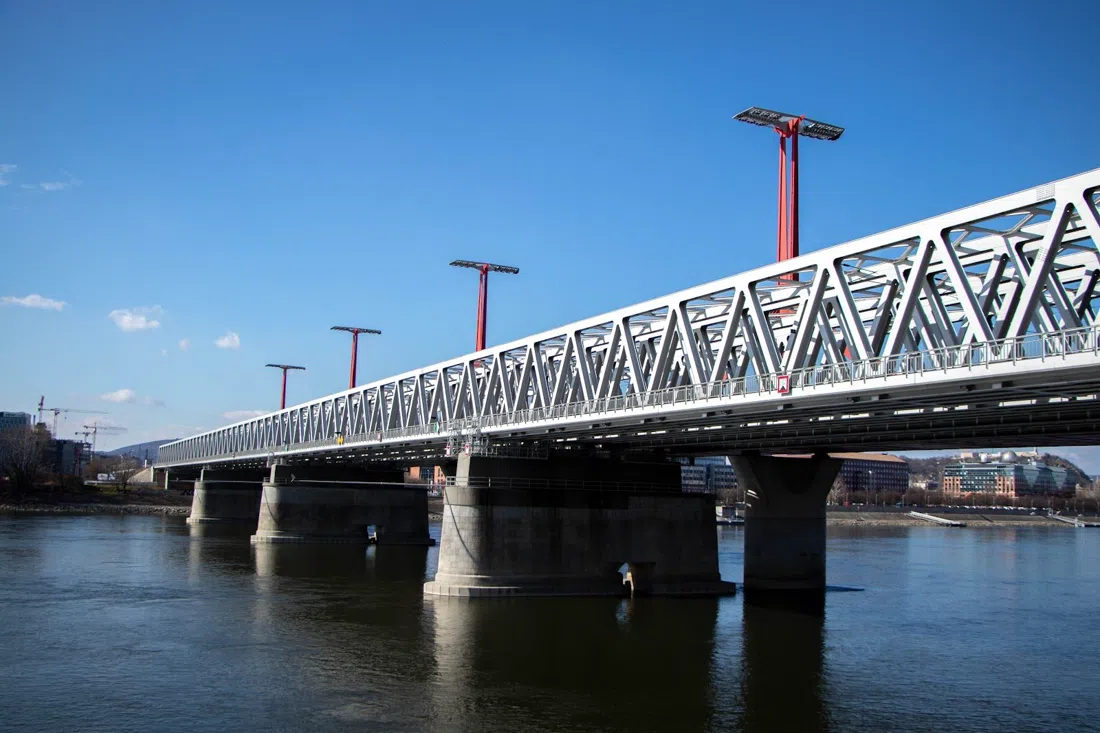
South of Liberty Bridge, linking Ferencváros on the Pest side to Buda's XI district, the Petőfi Bridge (Petőfi híd) is the workhorse counterpart to the ornate historic four — a 1937 structure rebuilt in 1952 with none of the decoration of its neighbours, open to pedestrians and cyclists 24 hours a day and free like every other crossing in the city. North of Margaret Bridge, linking Óbuda to Újpest, the Árpád Bridge (Árpád híd) carries more daily traffic than any other Danube crossing in Budapest; it was built under Communist rule as the "Stalin Bridge" before being renamed in 1958, and it marks the point where the story moves from 19th-century monument-building into 20th-century infrastructure. Further south again, linking Ferencváros to Lágymányos, the Rákóczi Bridge (Rákóczi híd) — known until its renaming as the Lágymányosi híd — is the youngest central Danube crossing, built in 1995, a clean bookend showing that the city kept adding bridges well after Communism ended.
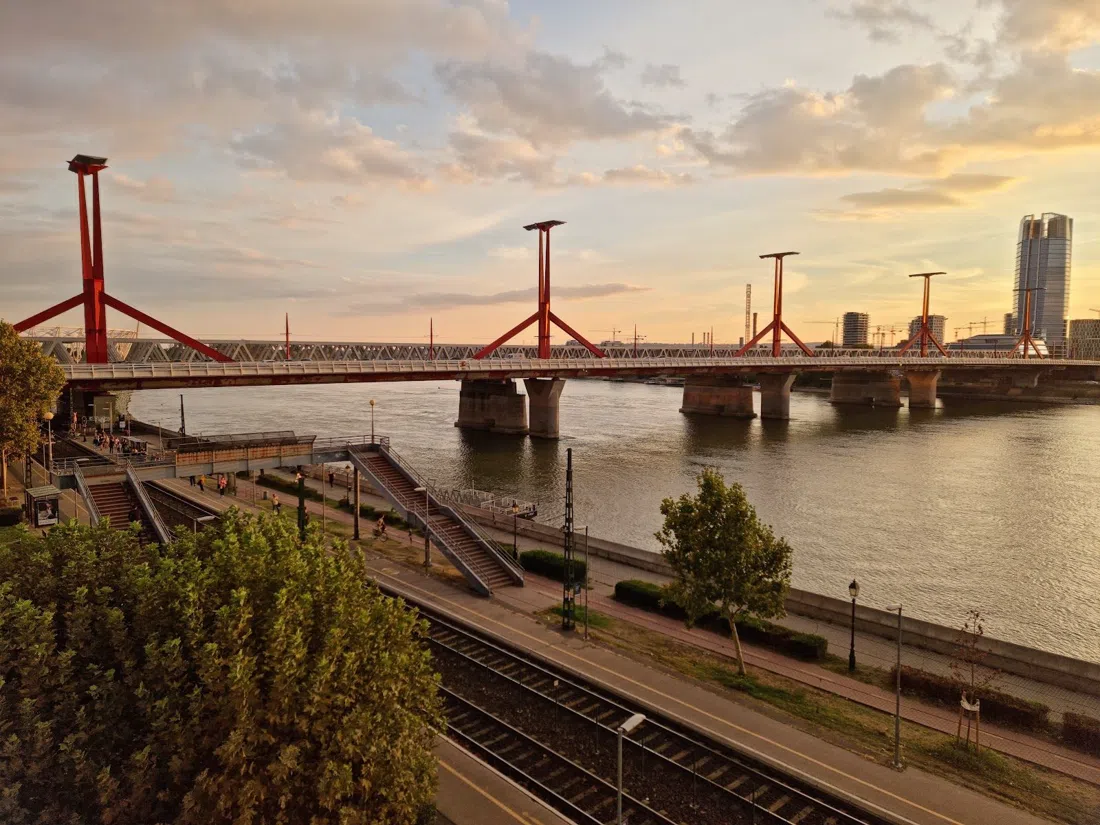
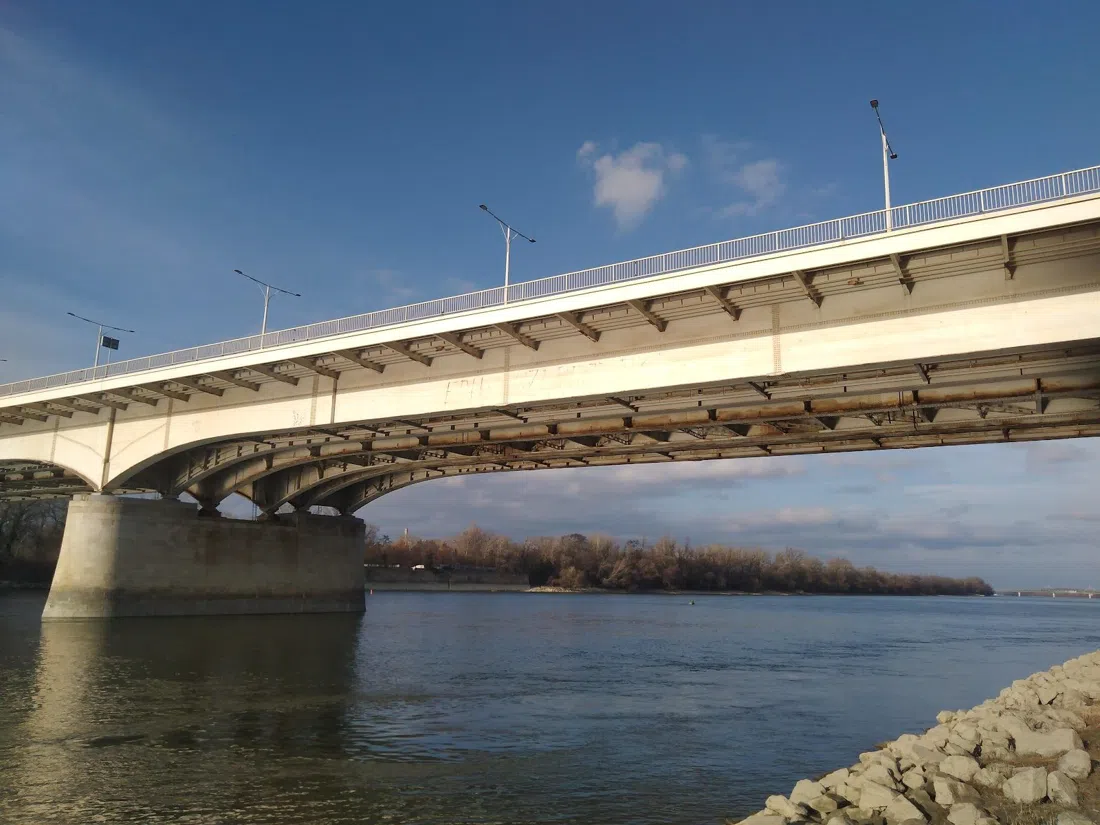
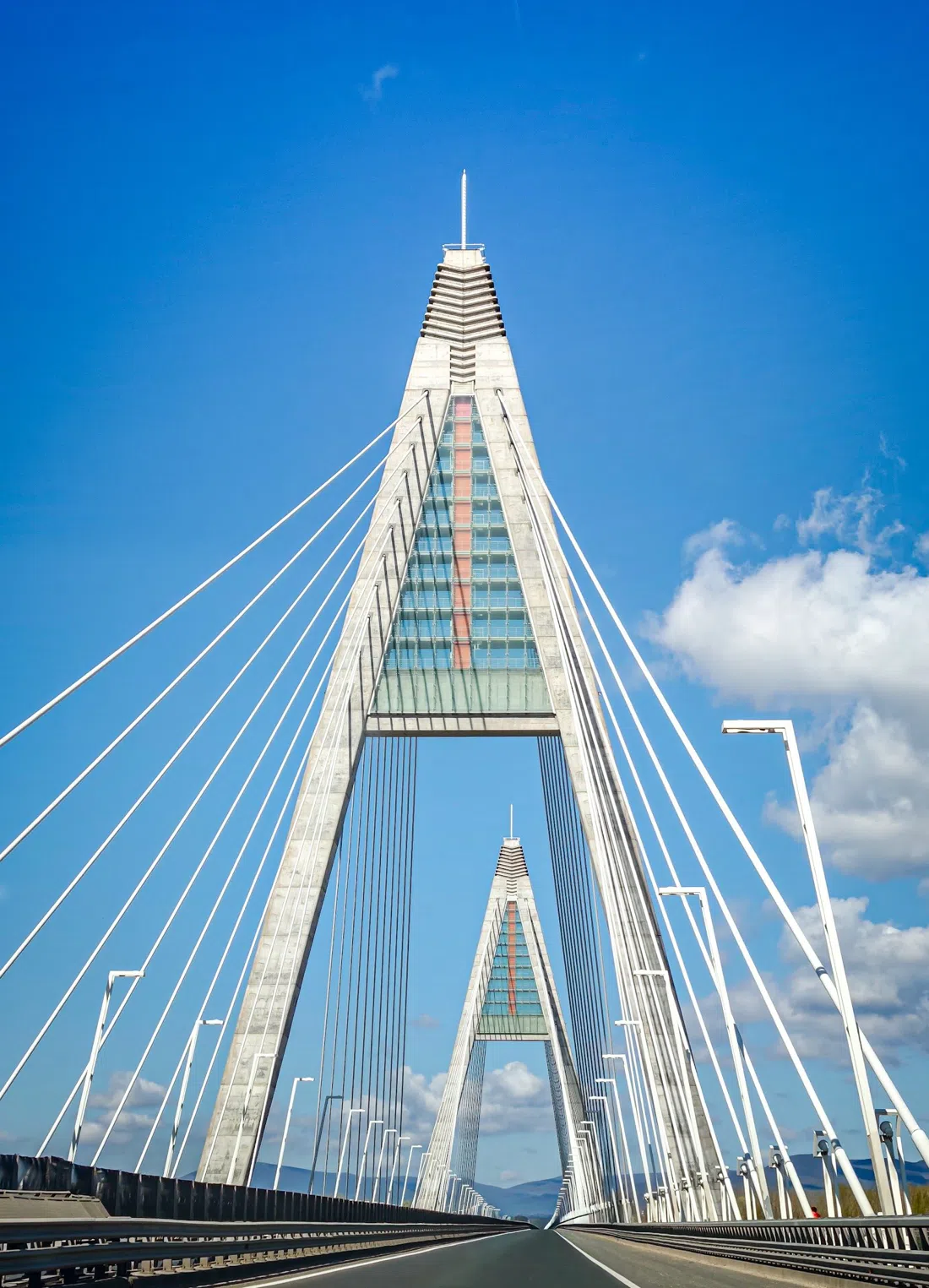
Two more complete the count of nine but are not walking destinations. The Megyeri Bridge (Megyeri híd), opened in 2008 on the M0 ring road at the city's northern edge, is toll-free but has no pedestrian tourism infrastructure at all — it is best appreciated from the riverbank or a passing car, included here for scale against the 1849 Chain Bridge rather than as a stop. And the Southern Connecting Railway Bridge (Déli összekötő vasúti híd), in the south of the city near Kelenföld, fully renovated and reopened in 2022, is not walkable either — it carries roughly 90% of Hungary's east-west rail traffic and is visible only from the embankment or from a train crossing it. Between them, the nine crossings map the city's growth from a single 1849 chain bridge to a 2008 ring road, with a working rail bridge holding the national network together in between.
The Danube Promenade: Stringing It All Together
The Danube Promenade (Duna korzó) on the Pest embankment, running roughly from Vigadó tér down past the Legenda dock toward Liberty Bridge, is the connective spine that makes a day of bridge-hopping work as a single walk rather than a set of separate trips. It is free, open-air, unbooked and takes any size of group, and it puts the Chain Bridge, the Elisabeth Bridge crossing point and the Legenda dock all within a twenty-minute walk of each other. A practical route for a first visit: start at the Chain Bridge in the morning light, walk the promenade south past the Elisabeth Bridge, cross Liberty Bridge onto the Buda side, climb Gellért Hill for the daytime overview, come back down and ride Tram 2 north along the embankment, then return after dark for the Legenda cruise from its dock by the Marriott. That single day covers all four historic bridges, both viewpoints and both the tram and a river cruise, without needing a car or a taxi anywhere in the sequence.
If you are basing yourself centrally for a few nights to do this properly, a Budapest hotel search for the Inner City or the Castle District puts most of this within walking distance; the wider Budapest guide has the rest of the city beyond the river for anyone building the bridges day into a longer trip.
Practical Notes
Transport: All nine bridges are free to cross on foot; only the funicular, the upper towers of Fisherman's Bastion, the Citadella exhibition and the commercial cruise charge anything. Tram Line 2 and the Danube Water Bus both run on standard BKK fares and are covered by any Budapest travel pass, so a 24- or 72-hour pass covers most of this itinerary along with the rest of the city's public transport.
Cash: Hungary uses the forint (HUF); cards are accepted almost everywhere, including on BKK transport and at the funicular and cruise ticket windows, but it is worth carrying a small amount of cash for anything informal on the promenade.
Timing: The Chain Bridge and Elisabeth Bridge are lit from dusk, so any night walk should start after sunset rather than at dusk itself — winter, from around 4pm, gives an early evening cruise slot without a late night, while summer pushes the same view to 9pm or later. Fisherman's Bastion is quietest before 9am or after 9pm, when the upper towers are unstaffed and free. The Citadella and Gellért Hill terraces face west, so late afternoon light suits them better than morning.
Budget: A day covering all four historic bridges, both viewpoints and the funicular costs roughly 9,000-12,000 HUF (about €22-30) per person once the Bastion of Freedom exhibition, the funicular and Fisherman's Bastion's upper towers are all included; add another €18-25 for an evening Legenda cruise, or nothing at all if Tram Line 2 and the water bus are enough.