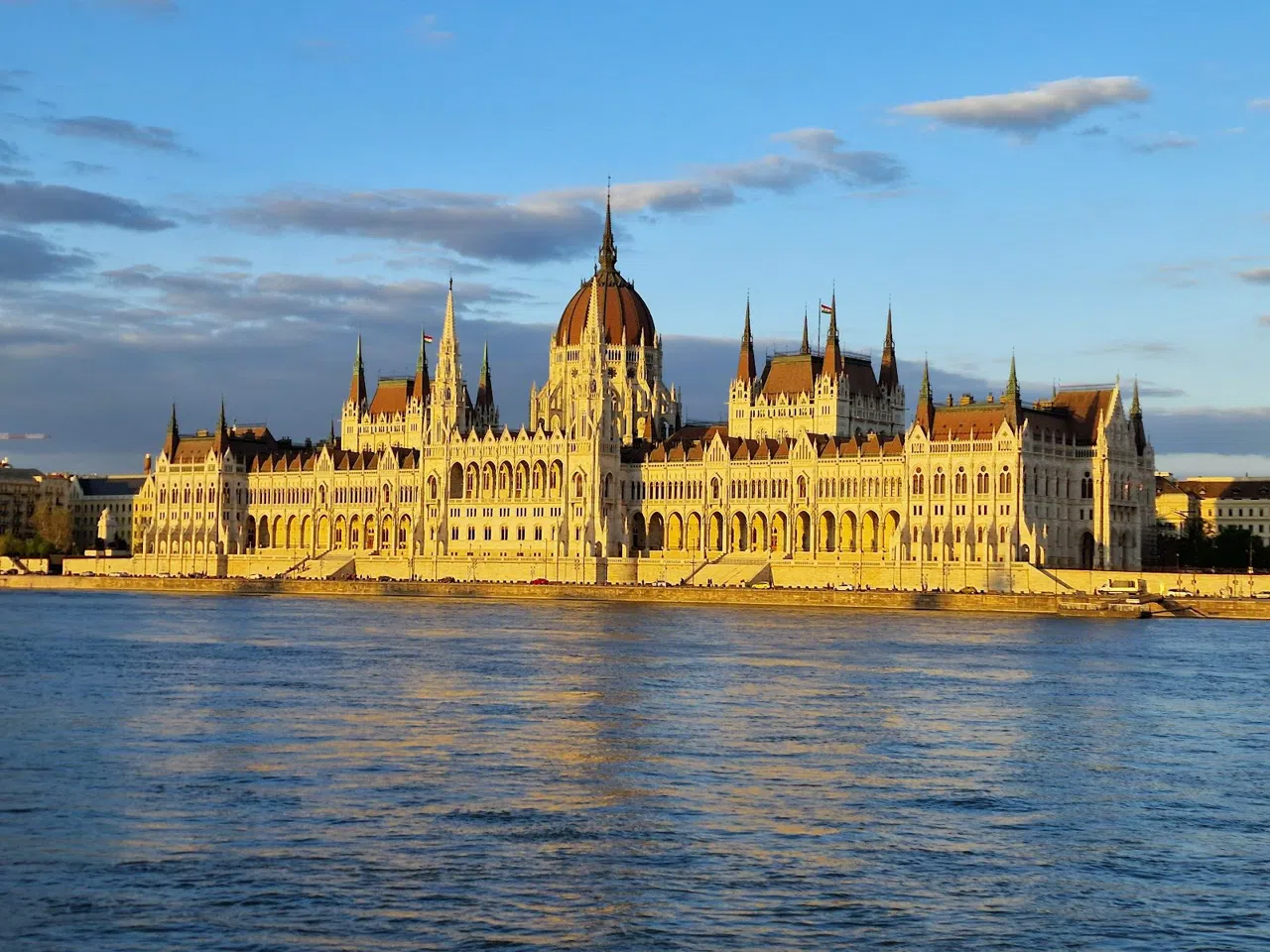

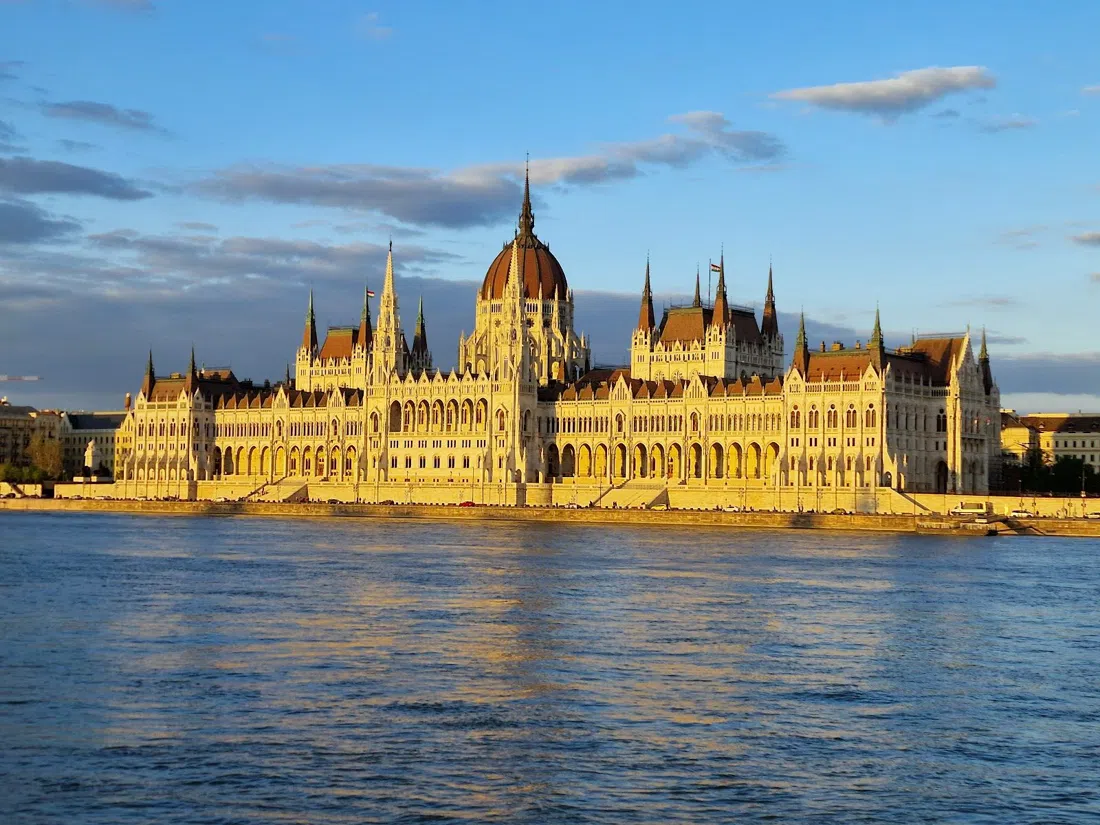
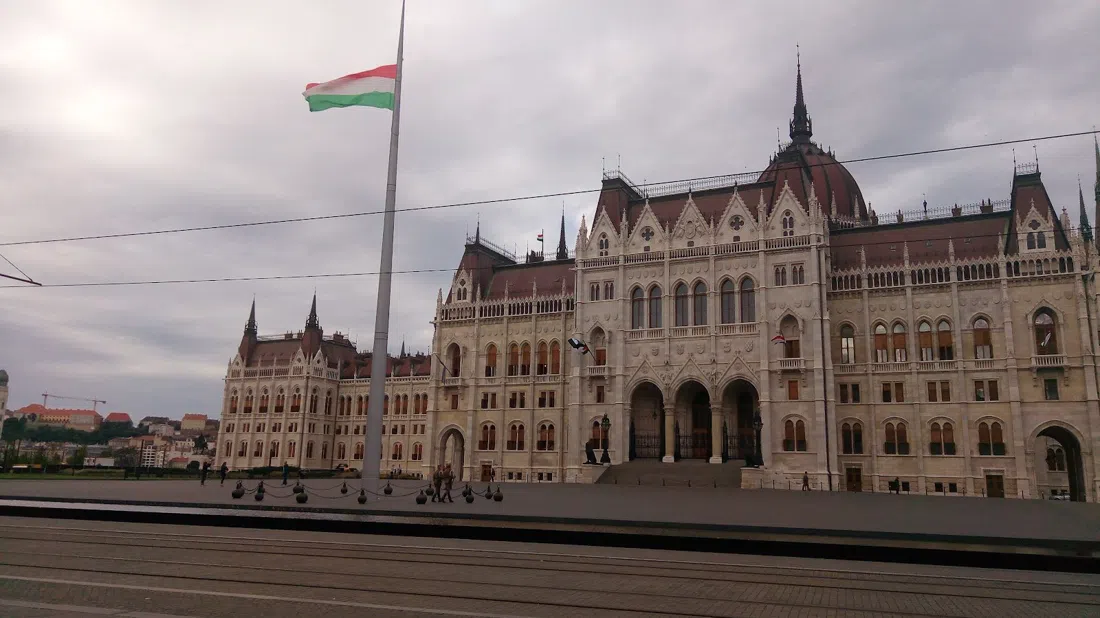
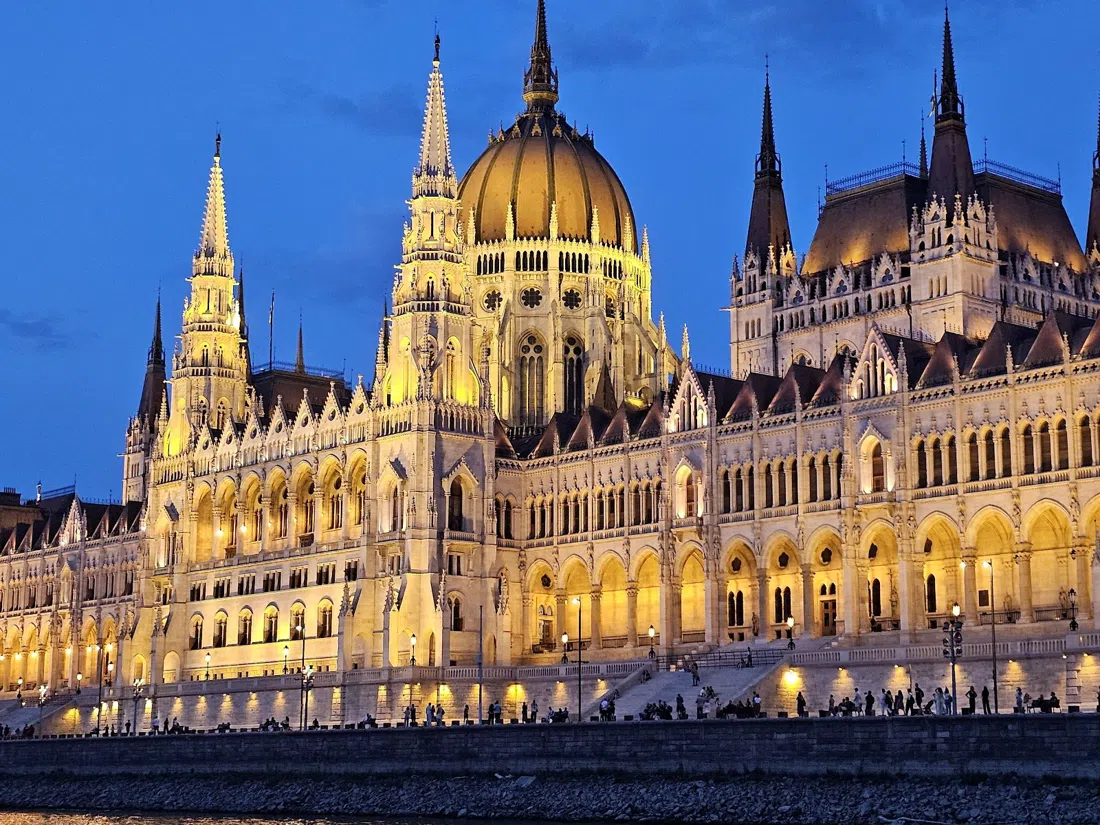
Imre Steindl's Parliament was designed to be read from the water, a kilometre of pale spires and buttresses facing Buda across the Danube, closer to a cathedral than to an office block. Inside, the visit is short and tightly marshalled: forty-five minutes, a fixed group, one ceremonial staircase and one domed hall doing most of the work. That makes the hours either side of your slot matter almost as much as the tour itself.
What you see inside
The Hungarian Parliament Building (Országház) is on Kossuth Lajos tér in Lipótváros, District V, and it is an active seat of government rather than a museum. You cannot wander and you cannot walk up and browse. Entry is by timed guided tour only, roughly 45 minutes, booked in advance, in a fixed-size language group that leaves on the half-hour.
The route is compact. You clear airport-style screening at the underground Visitor Centre on the north side of the square, then come up into the main ceremonial stair, with its red carpet, gilding, granite columns, painted ceiling and daylight through stained glass. From there the group moves into the Dome Hall, the sixteen-sided centre of the building, where the Holy Crown of Hungary sits under the permanent watch of the Crown Guard. That room is why most people come, and it is where the camera goes away. Photography is not permitted in the Dome Hall, and the guards enforce it without discussion.
After the dome you are shown the old Upper House chamber, the mirror twin of the working National Assembly chamber, which you do not enter. The small details in between are what people tend to remember: the numbered cigar holders in the lobby corridor, where members parked a lit cigar before going in to vote and came back to find it still smouldering. That is where the Hungarian expression about a speech being worth a whole cigar comes from.
The building rewards a little background. Steindl won the design competition in the 1880s, construction ran from 1885 to 1904, and the result was the largest building in Hungary when it opened. Steindl died in 1902, his eyesight already failing, two years before it was finished. The dome reaches 96 metres, matching St Stephen's Basilica, a deliberate nod to 896 and the Magyar arrival in the Carpathian basin, so church and state have exactly the same ceiling.
How long the visit really takes
Budget more than the forty-five minutes on the ticket. Screening at the Visitor Centre takes time, groups assemble before the guide appears, and the walk from the square down into the centre is longer than it looks. An hour and a quarter door to door is realistic for a couple; an hour and a half for anything larger.
Groups are the normal unit here rather than the exception. Fixed-size language groups depart on the half-hour, and the Visitor Centre operates dedicated group check-in with group rates, so a school party or a coach tour is handled routinely. The trade-off is that you move at the group's pace and stop where the guide stops. If you dislike being shepherded, this is not the visit for you. It is a working government building, and the escorting is the point.
What it costs and why the price splits in two
Ticket prices depend on where you hold citizenship. An adult from the EEA pays 7,000 HUF (about €18); an adult from outside the EEA pays 14,000 HUF (about €36). Students aged 6 to 24 pay half of whichever rate applies to them, and under-sixes go free. Carry the passport or ID card that supports the cheaper rate, because the reduction is checked rather than assumed.
Book the slot ahead. Timed tickets in a specific language are finite, the popular English departures in the middle of the day go first, and there is no queue you can join to fix a missed slot. Two things also remove dates from sale entirely: plenary session days, when the Assembly is sitting, and major national holidays. Both are published in advance, but both catch people who planned around a date rather than a ticket.
Rules, security and access
Screening is airport-style: bags through a scanner, no large luggage, and a cloakroom for what cannot come with you. Arrive early enough that the queue at the scanner is not eating into your departure time. Inside, stay with the guide, keep the camera down in the Dome Hall, and expect the Crown Guard to be exactly as still and as serious as they look.
If anyone in your party has mobility needs, raise them when you book rather than on the day. The tour route uses the grand staircase as a set piece, and the Visitor Centre can tell you what the lift arrangements are for your specific departure.
The free half-hour before your slot
If you arrive early, two free spaces are directly beneath the square. The In memoriam 1956. október 25. Memorial and Exhibition, with the Kőtár Lapidarium, is reached by stairs down from Kossuth Lajos tér in Lipótváros, and costs nothing. The memorial covers the shooting on the square in October 1956; the Lapidarium is the only place you can stand nose to nose with the Parliament's own carved stonework, replaced piece by piece over the building's long restoration. Both keep seasonal hours, and the stone tunnel closes for a technical break in the middle of the afternoon, so it works best as a filler before a morning or late slot. They are small. A handful of people at a time is comfortable; a coach party cannot go in together.
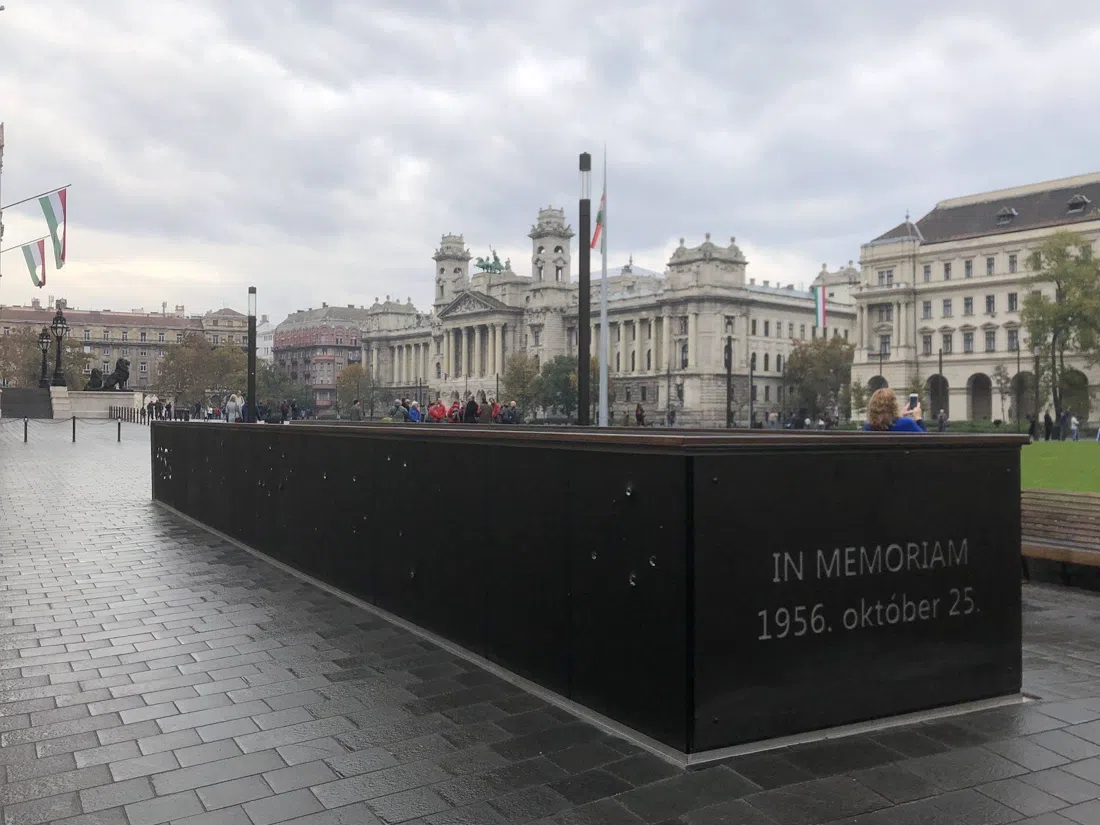
Above them, Kossuth Lajos tér in Lipótváros is where you photograph the building, and where walking groups assemble before a tour. The square was returned to its pre-war layout and pedestrianised, which is why it now reads as a setting rather than a car park. Around midday the flag guard changes, a short ceremony most visitors come across by accident rather than by plan.
Coffee, lunch and a terrace on the square
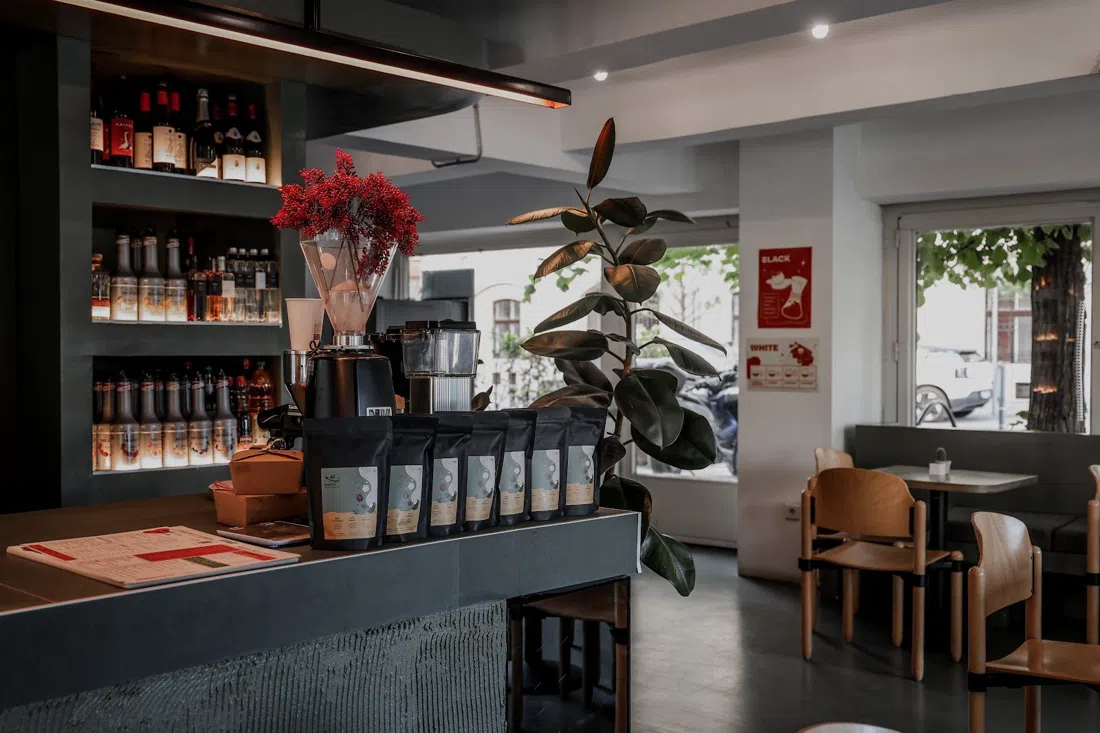
Smúz Café at Kossuth Lajos tér 18 in Lipótváros is the closest way to spend an hour with the building in front of you: open 10:00 to 21:00, later on Friday and Saturday, brunch plates and coffee at roughly 1,500 to 3,500 HUF, cocktails higher. It takes table reservations and rents the room for private events, so a small group is welcome, but the terrace fills quickly in good weather and nobody is holding it for you.
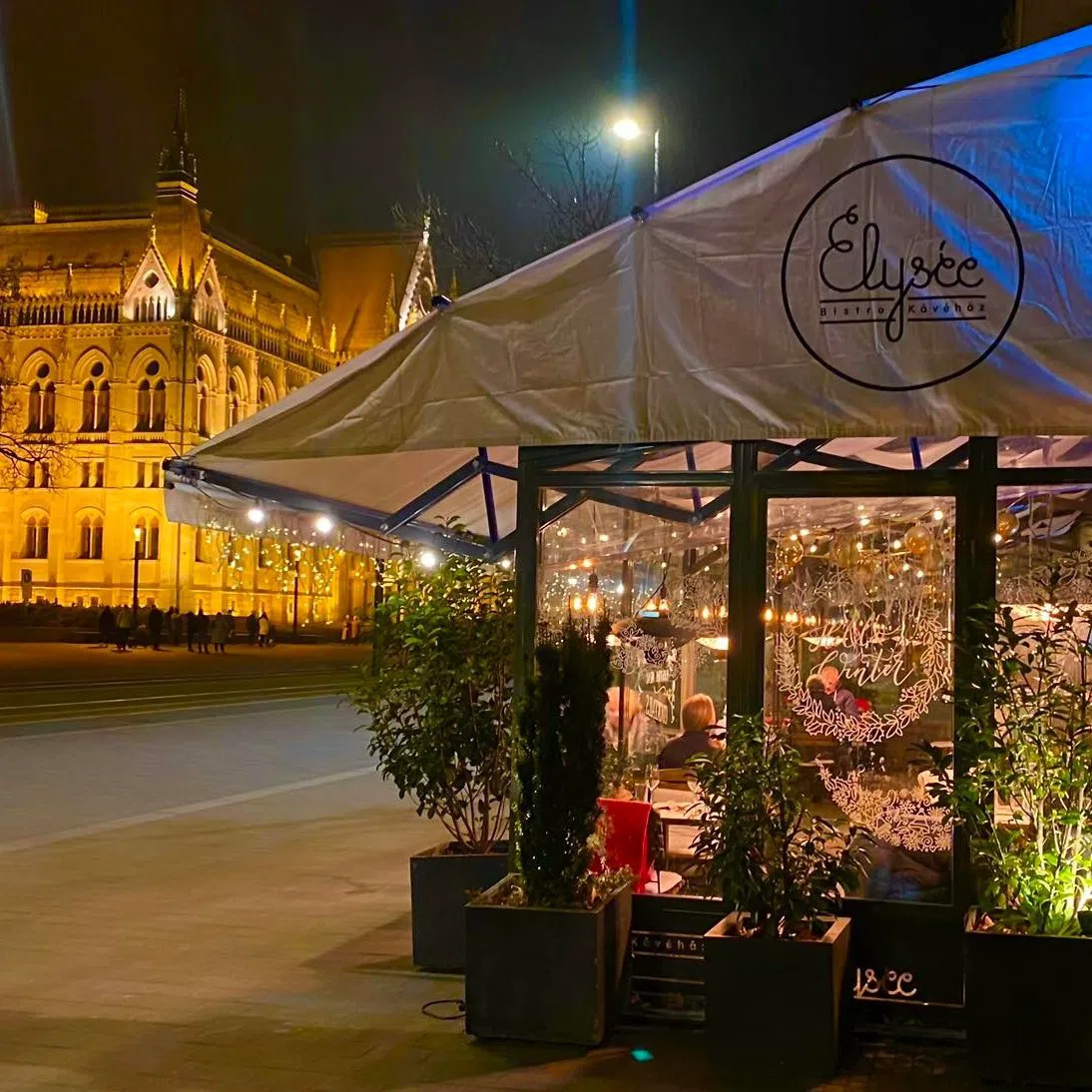
Elysée Bistro & Kávéház at Kossuth Lajos tér 13-15, also Lipótváros, is the grown-up option and the easiest booking to build a group around, with a 09:00 to 23:00 day that covers any tour slot. It is the successor to a Budapest café that opened in 1931, the cooking is Hungarian-French bistro, mains land around 5,000 to 9,000 HUF, and there are live acoustic sets on Thursday and Saturday evenings. Reservations and private events are handled directly by the restaurant.
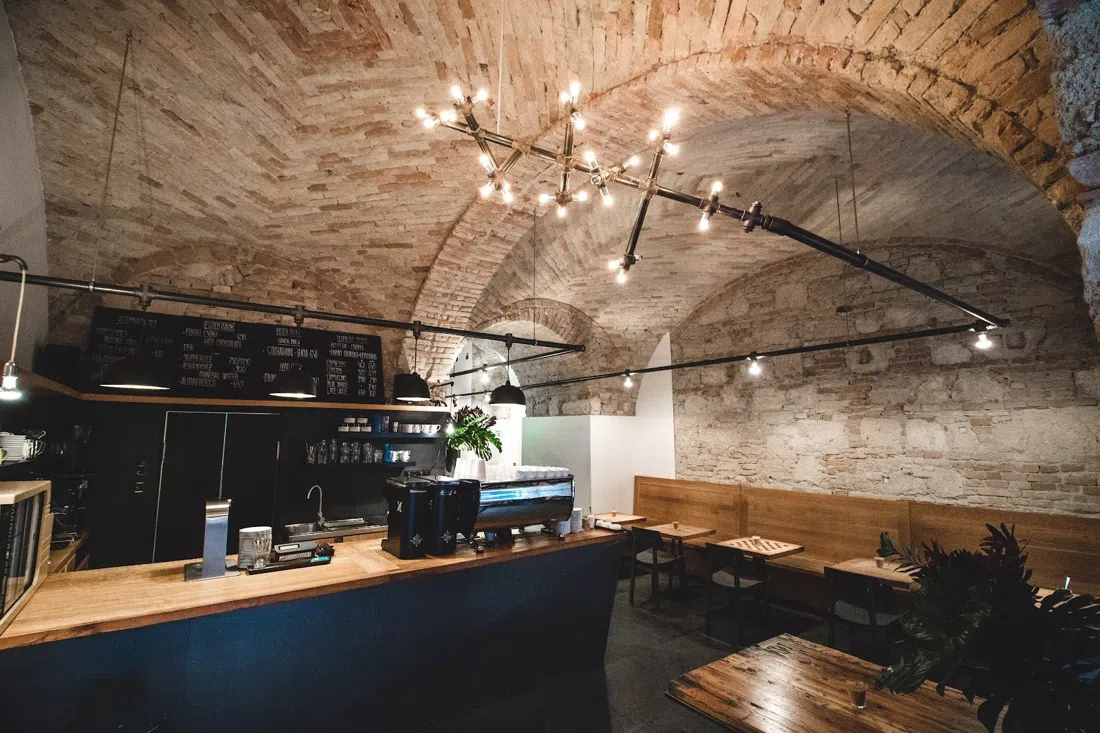
For coffee on its own, Espresso Embassy is a ten-minute walk from the Visitor Centre, in the streets behind the square in Lipótváros. It has been Hungary's specialty-coffee reference point since 2012 and was still on European shortlists in 2026. It is a small counter-led room at roughly 1,200 to 2,200 HUF a cup, with weekend queues, and it closes at 17:00, so it is a before-the-tour stop rather than an after-dinner one. Couples and pairs fit; a group does not.
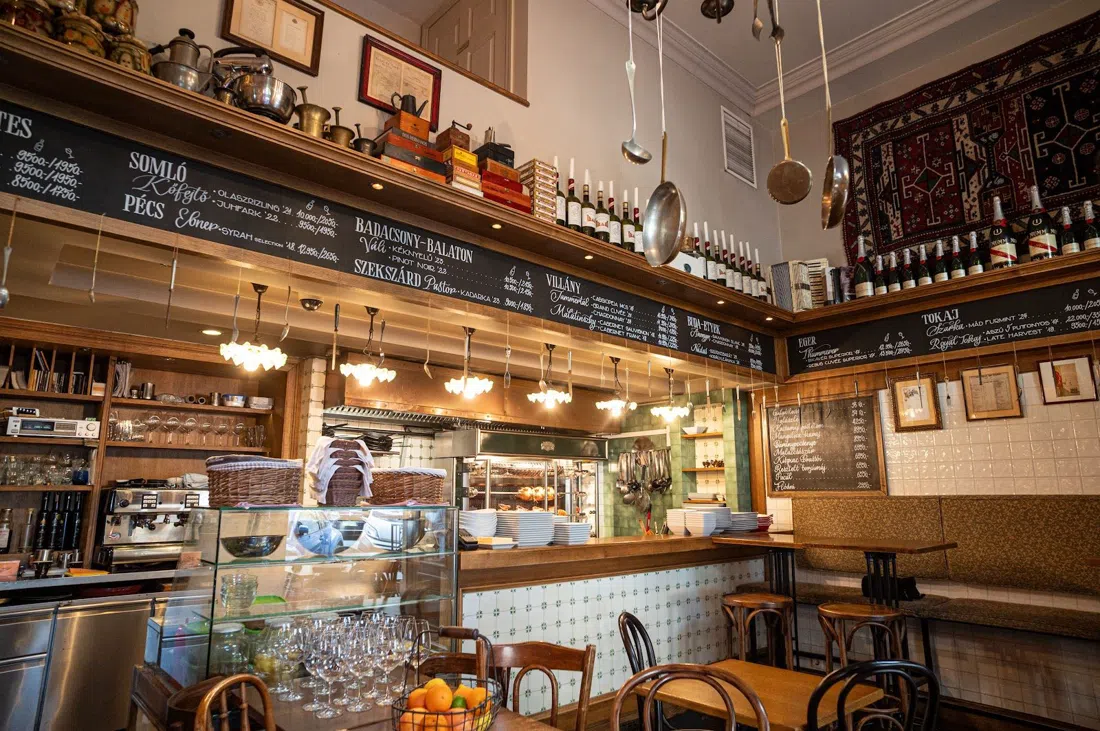
For lunch, Kispiac Bisztró on Hold utca in Lipótváros is the honest Hungarian answer near Parliament: duck, pork belly, breaded liver, mains around 5,000 to 8,000 HUF, Tuesday to Saturday with a 12:00 to 16:00 lunch service that lines up neatly with a morning tour. It is very small. Book ahead by phone, treat six people as already a big ask, and forget it entirely for a coach group. Worth knowing before you walk over: the Hold utca market hall next door no longer operates as a market, so the restaurant is the reason to take that street.
The short walk that frames the building
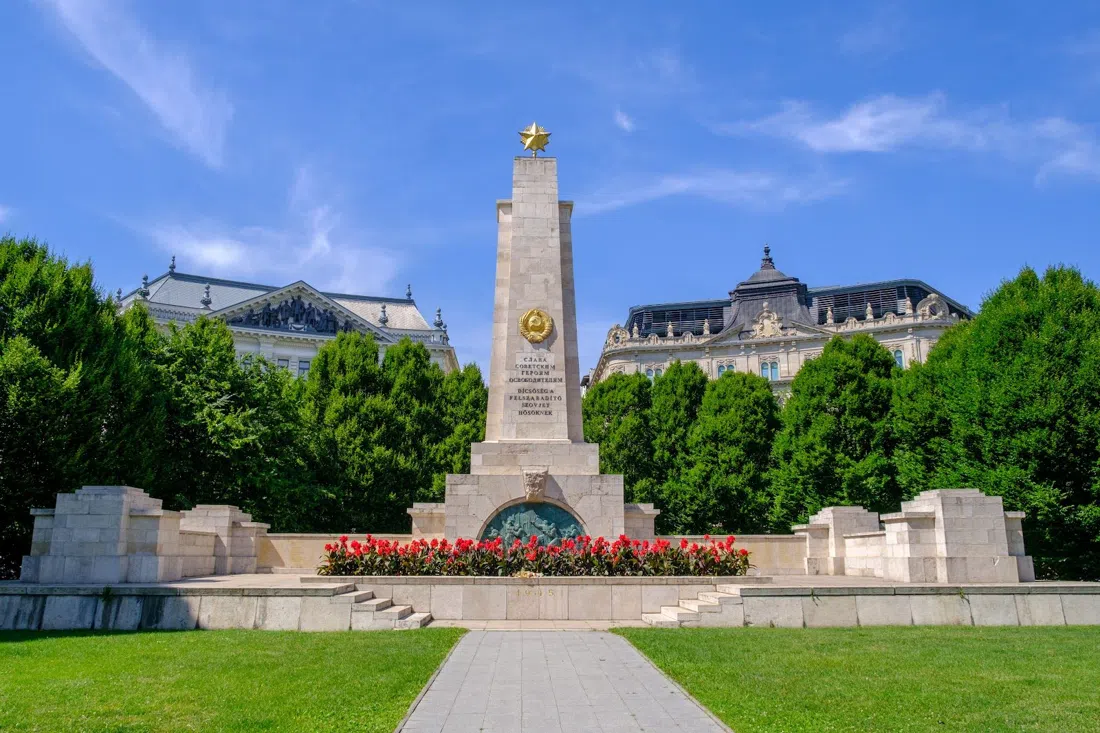
Five minutes south, Szabadság tér in Lipótváros is the best short walk in the district and a standard stop on guided neighbourhood walks. One open square holds a Soviet monument (modified during a 2025 renovation rather than removed), a US embassy, a statue of Ronald Reagan and a contested Second World War memorial. It is twentieth-century Hungarian history being argued out in bronze, in public, and it makes more sense of the Parliament than any caption inside will.
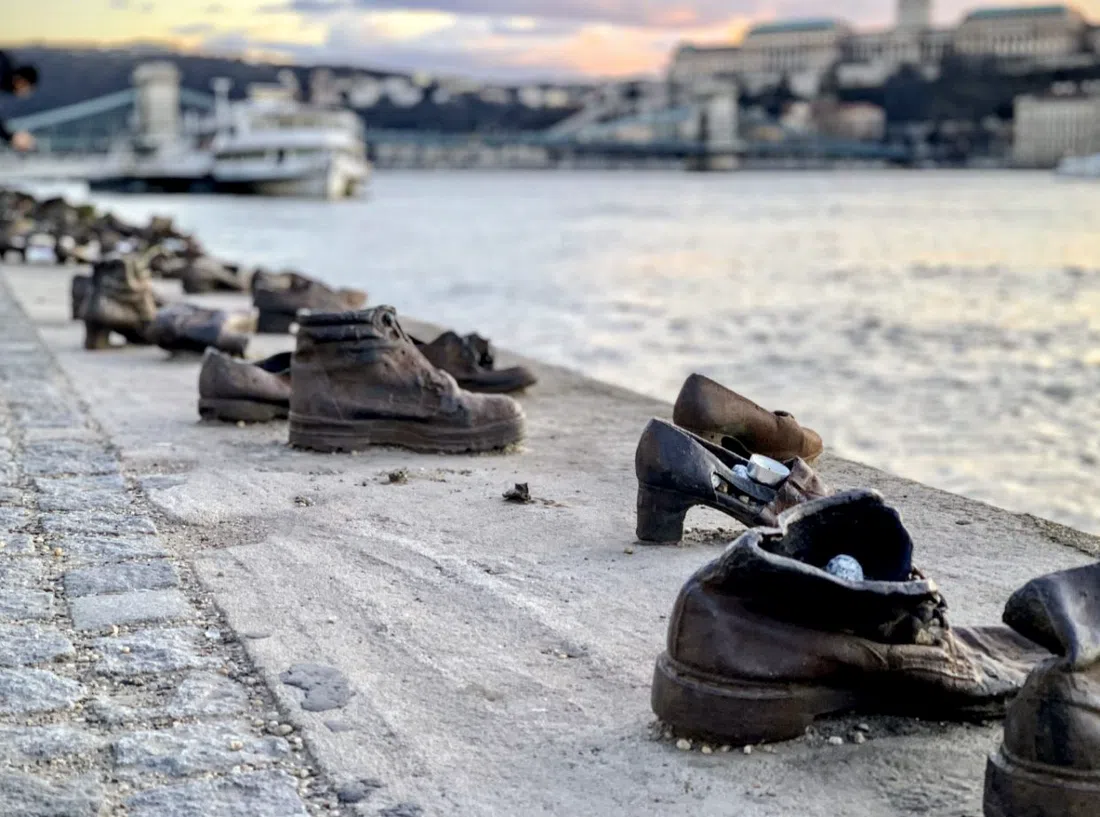
Another five minutes, roughly 300 metres south of the Parliament along the quay, brings you to Shoes on the Danube Bank on the Pest embankment. Gyula Pauer and Can Togay's 2005 memorial, sixty pairs of iron shoes at the water's edge, marks the Jews shot into the river in 1944-45 by the Arrow Cross. It is open riverside, free, and there at any hour. Guides bring groups here routinely, but it is a quiet place; keep voices down.
Where the building looks best from outside
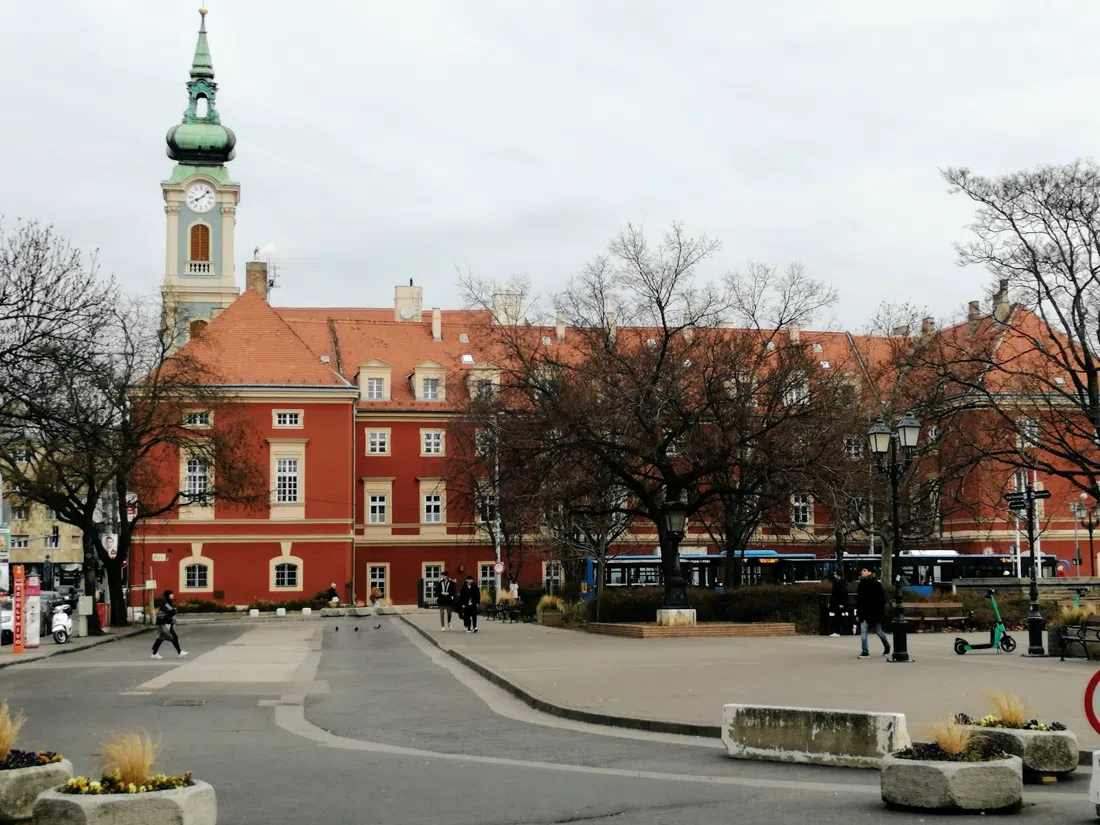
Kossuth tér gives you the facade at an angle. For the head-on, parallel view, cross to Batthyány tér in Víziváros on the Buda side, one stop on the M2, with the HÉV interchange right there, so a group moves in and out easily. Be on that promenade about half an hour before sunset, when the floodlights fade up while there is still colour in the sky.
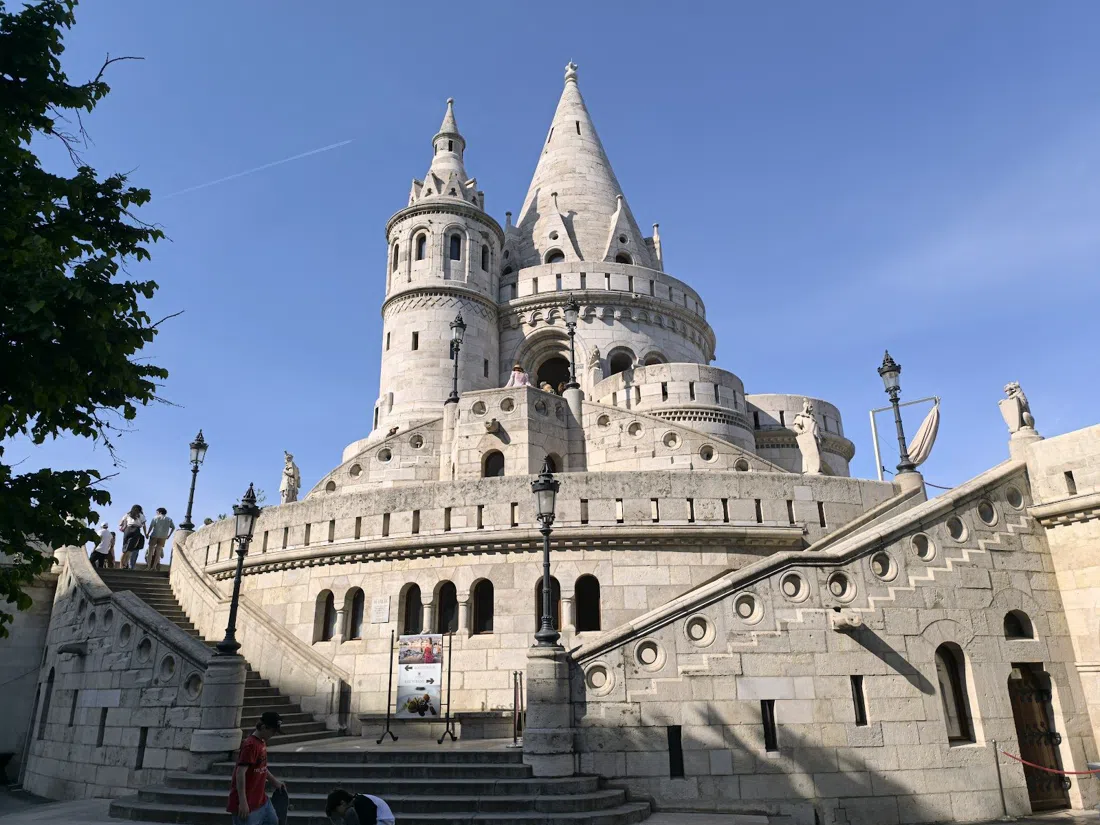
The postcard shot comes from Fisherman's Bastion (Halászbástya) in the Castle District. The lower terraces and arcades are free and open all day to any number of people; only the upper turrets need a cheap on-site ticket, around 1,700 HUF (about €4.25), during paid hours. Go before 09:00 or after the turrets close in the evening and the whole structure is free and close to empty, which is the difference between a photograph and a scrum.
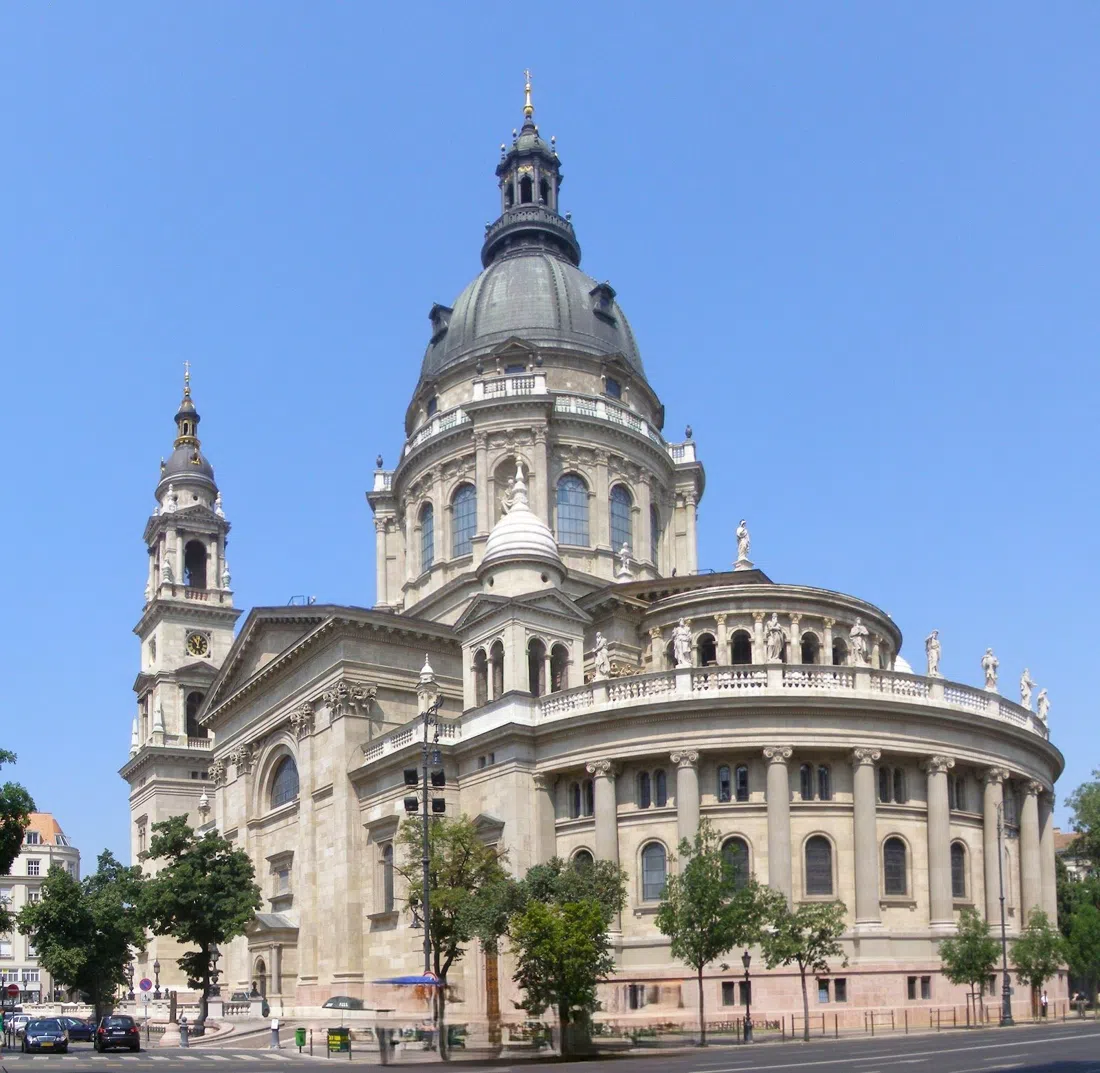
For the building seen whole from above on the Pest side, the St. Stephen's Basilica Panorama Terrace in Lipótváros is the highest viewing platform in the district: 2,600 HUF for the church hall, 5,000 HUF for terrace and treasury, 6,800 HUF combined, with group rates for parties over 15 (1,800 HUF church hall, 4,000 HUF terrace and treasury). Two lifts do most of the climb, but a short flight of stairs at the top means it is not fully step-free, and the walkway is narrow enough that groups shuffle round in single file.
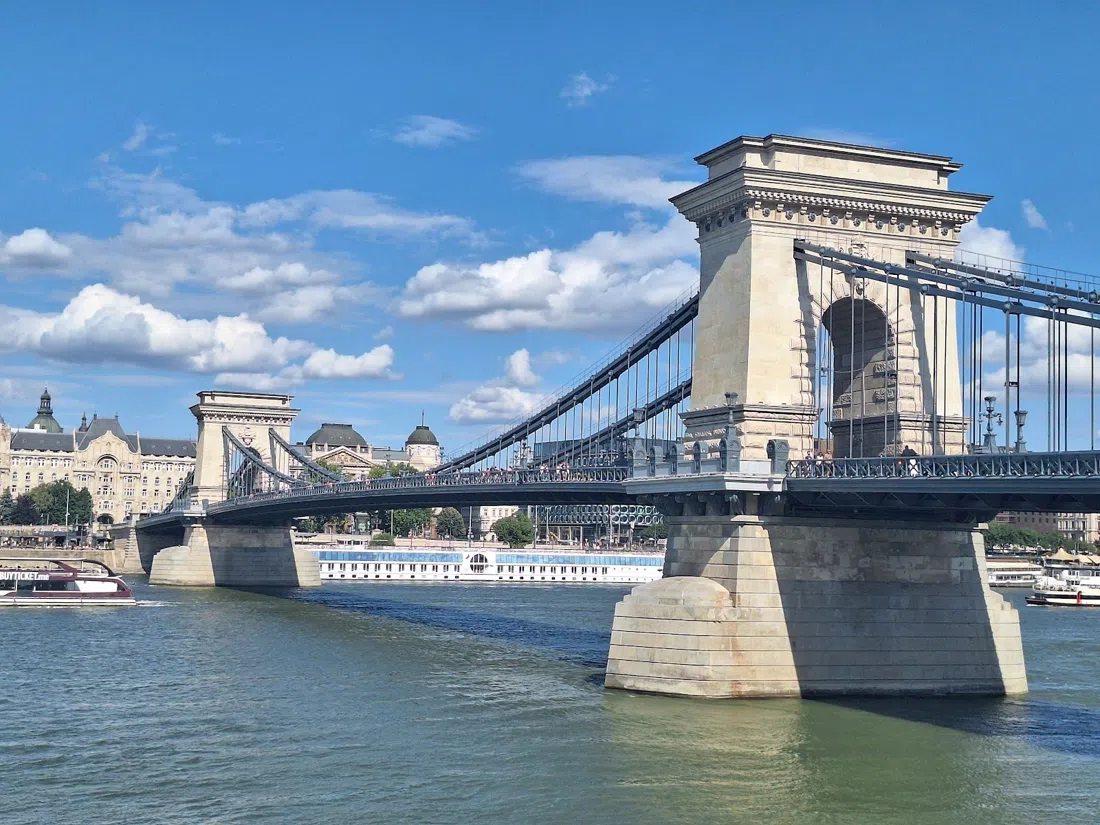
The cheapest good view is the Széchenyi Chain Bridge (Széchenyi lánchíd), reopened to pedestrians in August 2023 after its full renovation and walkable end to end in under ten minutes. Stop at the middle of the main span, look north, and the Parliament fills the skyline. It is free, open at all hours and takes any group size, though the midpoint congests at sunset.
And then the water, which is what the architect was designing for. Legenda City Cruises runs from Dock 7 near the Marriott on the Belváros riverfront, with scheduled departures, seated capacity and headset audio guides in 30 languages, built for groups and worth booking ahead for a larger party. An hour-long evening sightseeing sailing runs roughly €25 to €30; dinner sailings cost considerably more. The guided sailings sold for this stretch of river operate seven days a week, and the dinner options start from 57 USD per person. Demand is steady rather than seasonal: the bookable cruises here carry 20,196 traveller reviews between them, with the top one rated 4.7 out of 5 from 7,566 reviews. From midstream, the Parliament finally reads as the kilometre of riverfront it was built to be.
Best time to go
Morning slots are the calmest inside, because the earliest departures of the day move through the staircase and dome before the midday groups stack up. Early afternoon is the busiest, partly because it collides with the flag guard change on the square.
For photographs, invert that. The facade faces west across the river, so it takes direct light in the late afternoon and early evening, and the floodlights come up at dusk. The sequence that works: tour in the morning, lunch on Hold utca, the Szabadság tér and Shoes walk in the afternoon, then Batthyány tér or the Chain Bridge at sunset and the river after dark.
Season matters mostly for daylight. In midwinter the floodlights are on by late afternoon, which makes the evening views easy to fit in but the outdoor walking cold and short. In high summer you get long light and a packed Kossuth tér, and the Fisherman's Bastion early-morning trick becomes essential rather than optional. Autumn and spring sit in between and carry the extra risk that the Assembly is more likely to be sitting, so check whether your date is on sale before you build a day around it.
Is it worth it
Yes, with a condition. For 7,000 or 14,000 HUF you get forty-five escorted minutes in two extraordinary rooms and a corridor of good detail, and there is no equivalent of the Dome Hall with the Holy Crown anywhere else in the city. If you want interiors, ceremony and a working legislature seen up close, book it.
It suits first-time visitors, anyone interested in nineteenth-century architecture or Hungarian statehood, and organised groups, who are catered for properly here. It suits couples less well only in the sense that you cannot linger. Skip it if you want to explore at your own pace, if you have small children who will struggle with a fixed-pace guided walk and a silent guarded room, or if your interest in the building is purely the exterior, in which case the Chain Bridge, Batthyány tér and an evening on the river give you the best of it for nearly nothing.
Practical notes
Getting there: M2 metro to Kossuth Lajos tér puts you in the square itself, and tram 2 along the Pest embankment is the scenic approach, passing the Shoes memorial. Batthyány tér is one M2 stop across the river. Everything in this article is walkable from the square except Fisherman's Bastion, which needs the metro plus the funicular, a bus up Castle Hill, or a twenty-minute climb.
Money: the currency is the forint. Cards are accepted almost everywhere named here, but carry some cash for the Fisherman's Bastion turret ticket and small café rounds. Prices quoted are 2026 rates and will drift.
Timing: arrive at the Visitor Centre a clear thirty minutes before your slot to absorb screening. Allow an hour and a quarter for the visit in total, ninety minutes with a group.
Budget: a day built around the tour (ticket, lunch at a bistro, the Basilica terrace and an evening cruise) runs roughly 25,000 to 35,000 HUF a head outside the EEA rate, or well under half that if you stick to the free views and eat lightly. For where to sleep within walking distance of the square, start with the Budapest hotel search, and for the rest of the city around it, the Budapest guide covers the districts either side of the river.