The Budapest issue
Budapest in November, Warm Rooms and River Walks
Eight hours of daylight, wind off the water, and a century of cafés built for exactly this weather. How to pace a November trip to Budapest, with hours, prices and door realities.

By Marek NovákNeighbourhoods, baths and the slow way round
By the second week of November the light over the Danube has gone flat and silver by three in the afternoon, and the floodlights on the bridges come on while people are still out walking. Budapest does not fight this. It spent a century and a half building rooms for precisely this weather — cafés with marble counters and long mirrors, museums with serious heating, and thermal water at the foot of Gellért Hill that was warm long before most of the city above it existed.
November is the quietest good month here. The summer crowds have gone, the Advent rush has not yet built, and the days ask only one thing of you in return for their calm: a plan. What follows alternates one outdoor stretch with one warm room, which is the only pacing that works when the sun sets before you have finished the afternoon.
What the Month Actually Does
Mid-November gives you roughly eight and a half hours of usable daylight, with sunset somewhere close to a quarter past four. Temperatures usually sit between about 3 and 10°C, which is manageable until you stand on a bridge, where the wind runs straight down the river channel and finds every gap in a coat. Rain is more often drizzle than downpour, but the pavements stay wet all day, and both the cobbles on Castle Hill and the paths up Gellért Hill turn slick. Bring shoes with grip and a hat.
The practical consequence is that outdoor plans belong to the middle of the day and indoor plans to either end of it. Museums here mostly close at 18:00, so an afternoon gallery is really a two-hour window, not a lazy drift. Cafés stay open later and are the correct place to lose an hour.
Plan your Budapest trip
Live prices from our booking partners.
Free cancellation on many rooms. We may earn a commission when you book.
Grand Cafés and the Queues Outside Them
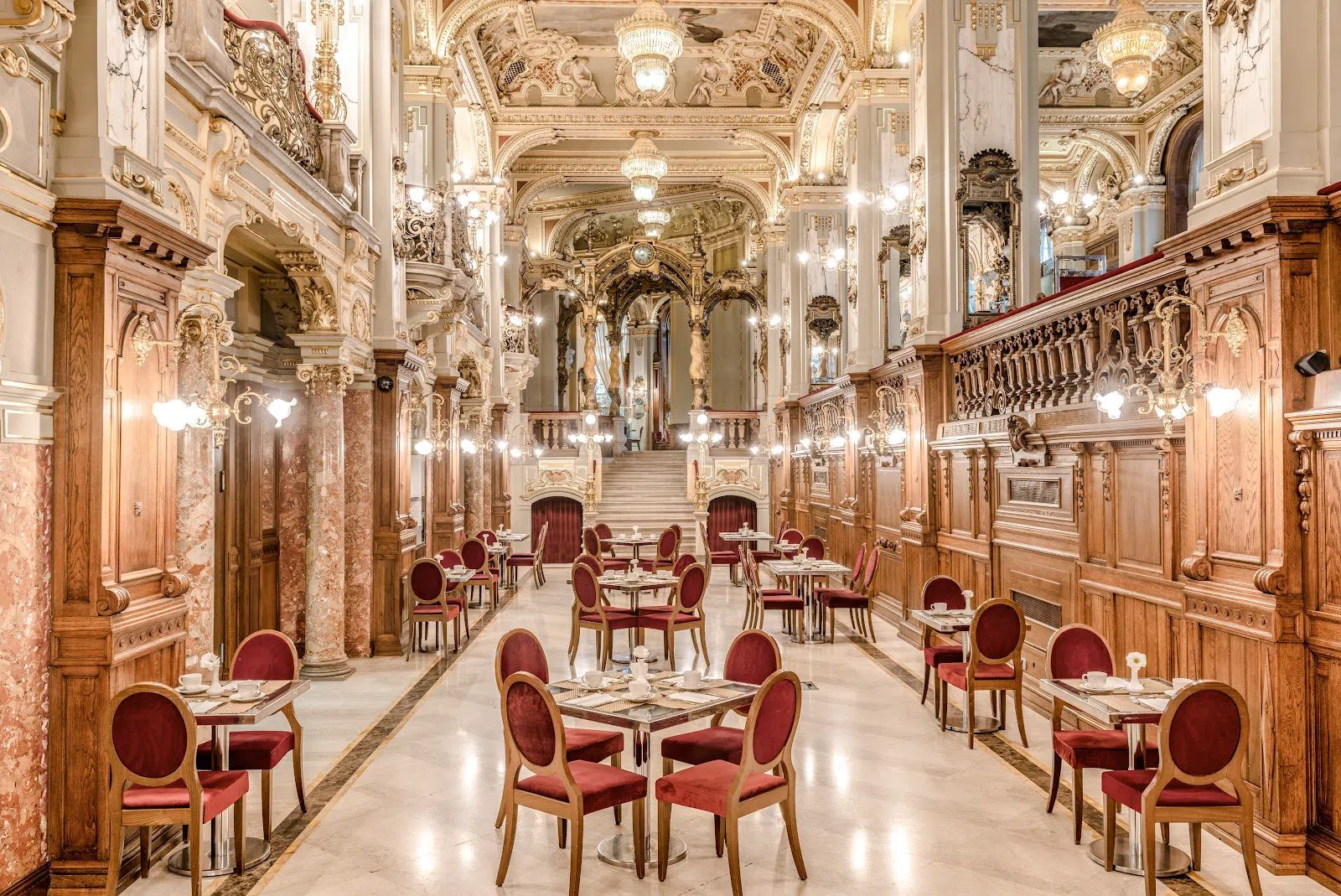
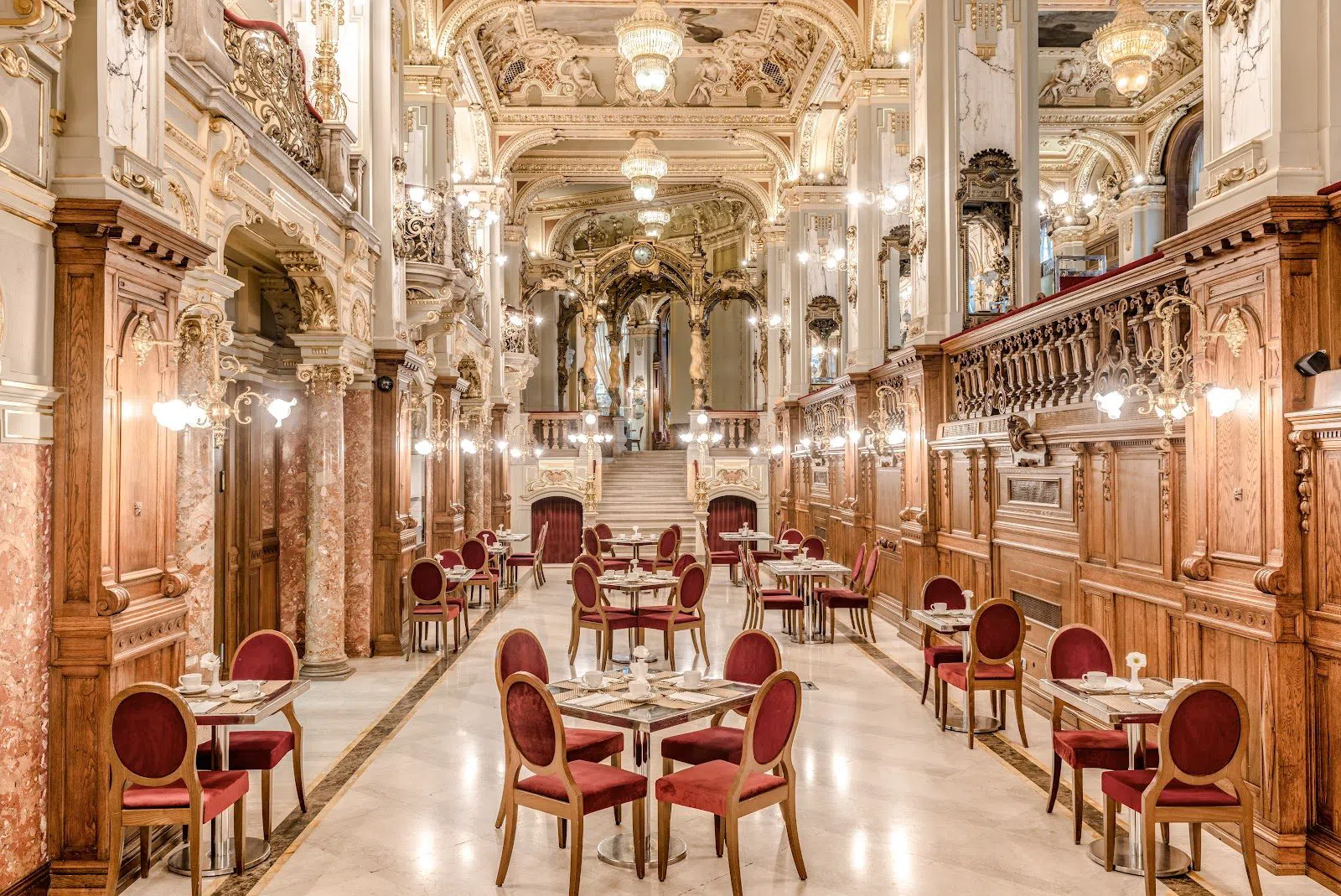
New York Café (Erzsébetváros, District VII) is the most photographed interior in the city and, on a grey afternoon, a genuinely warm place to sit for an hour under gilt and chandeliers. It opened in 1894 on the ground floor of an insurance palace and spent its best decades as a canteen for writers and editors. The door policy matters more than the décor. Before 18:00 it is walk-in only, first come first served, and the queue on the pavement is real — arrive before 10:00 or after 20:00 and you will mostly avoid it. Online reservations exist only for dinner after 18:00 and are capped at ten people; anything larger has to go through the events team. Prices are the highest of the group: reckon on roughly 2,500–3,500 HUF for coffee, 3,500–4,500 HUF for cake, and mains well above that. It suits couples and pairs willing to queue. It does not suit a party of twelve turning up on spec.
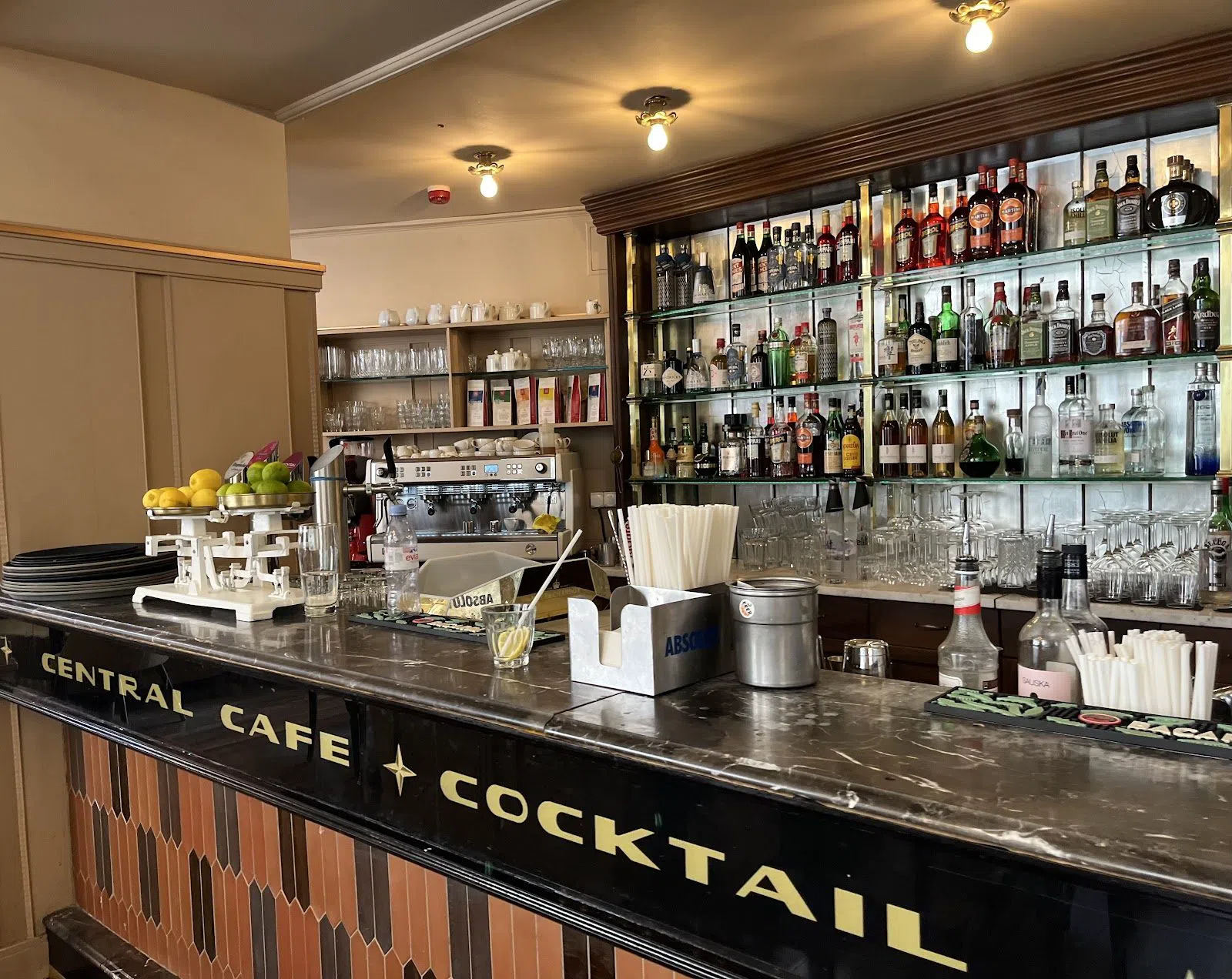
Central Grand Café & Bar (Belváros, District V) is the easiest of the grand cafés to actually book. It takes reservations, runs proper event packages, and will comfortably seat a table of eight or more, which is rare in this category. Coffee is roughly 1,800–2,500 HUF and plates start around 5,000 HUF, so it also works as a full meal rather than only a stop. One naming point worth knowing: it reopened as Central Grand Café & Bar after the 2020 closure and a full restoration, so older guidebooks and map listings for Centrál Kávéház are pointing at the same address, not a lost institution.
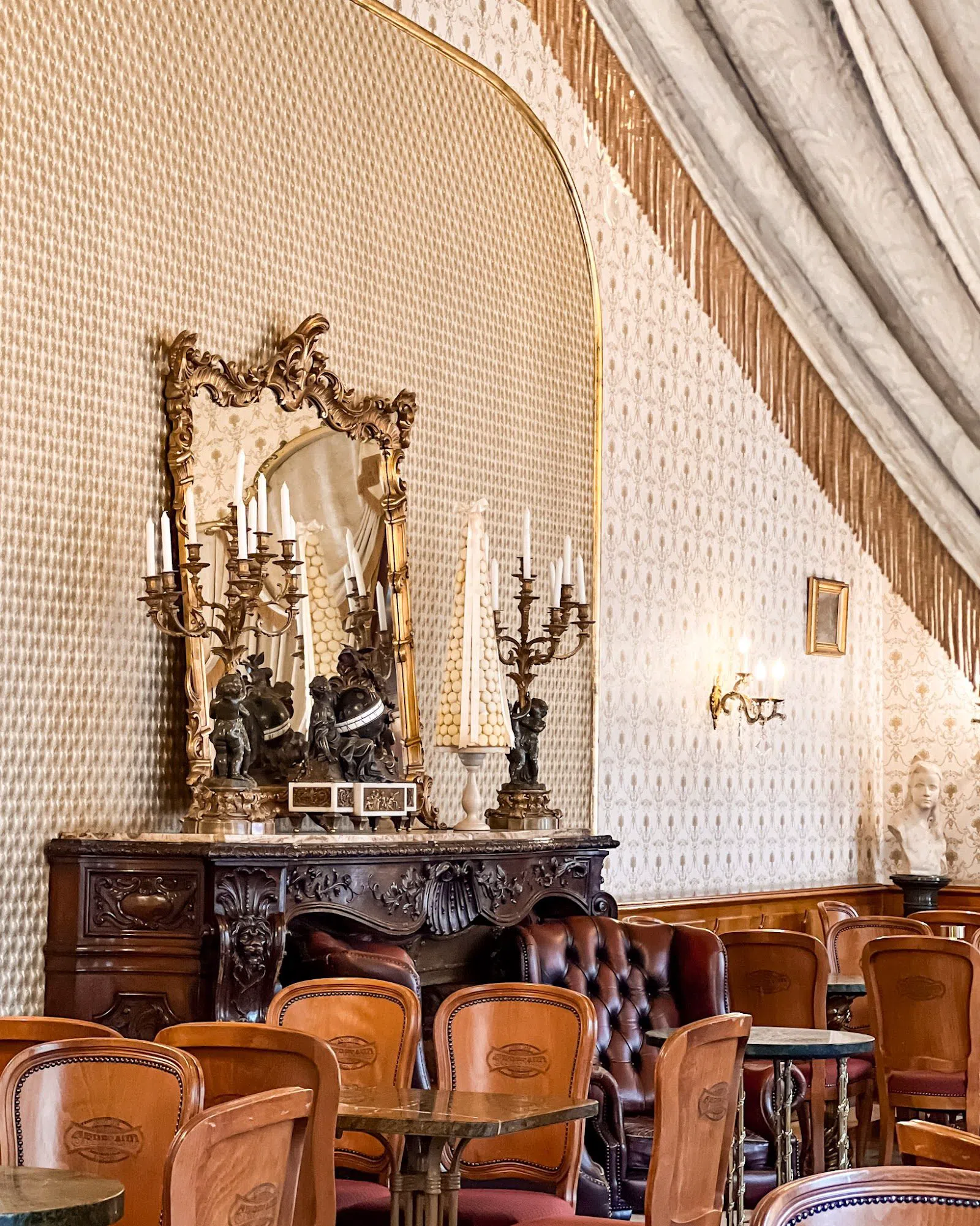
Café Gerbeaud (Vörösmarty tér, Belváros) has the confectionery history and the square. It opens 09:00–20:00 most days and until 21:00 on Friday and Saturday, and its multi-room floor plan absorbs groups better than the room size suggests — reservations are advised for a party, and the ground-floor rooms are regularly given over to private functions, so check before you build an evening around it. A cake and coffee for two lands around 5,000–7,000 HUF a head. In the second half of November the Advent market goes up directly outside on the square, which makes the windows a good place to sit and a poor place to expect quiet.
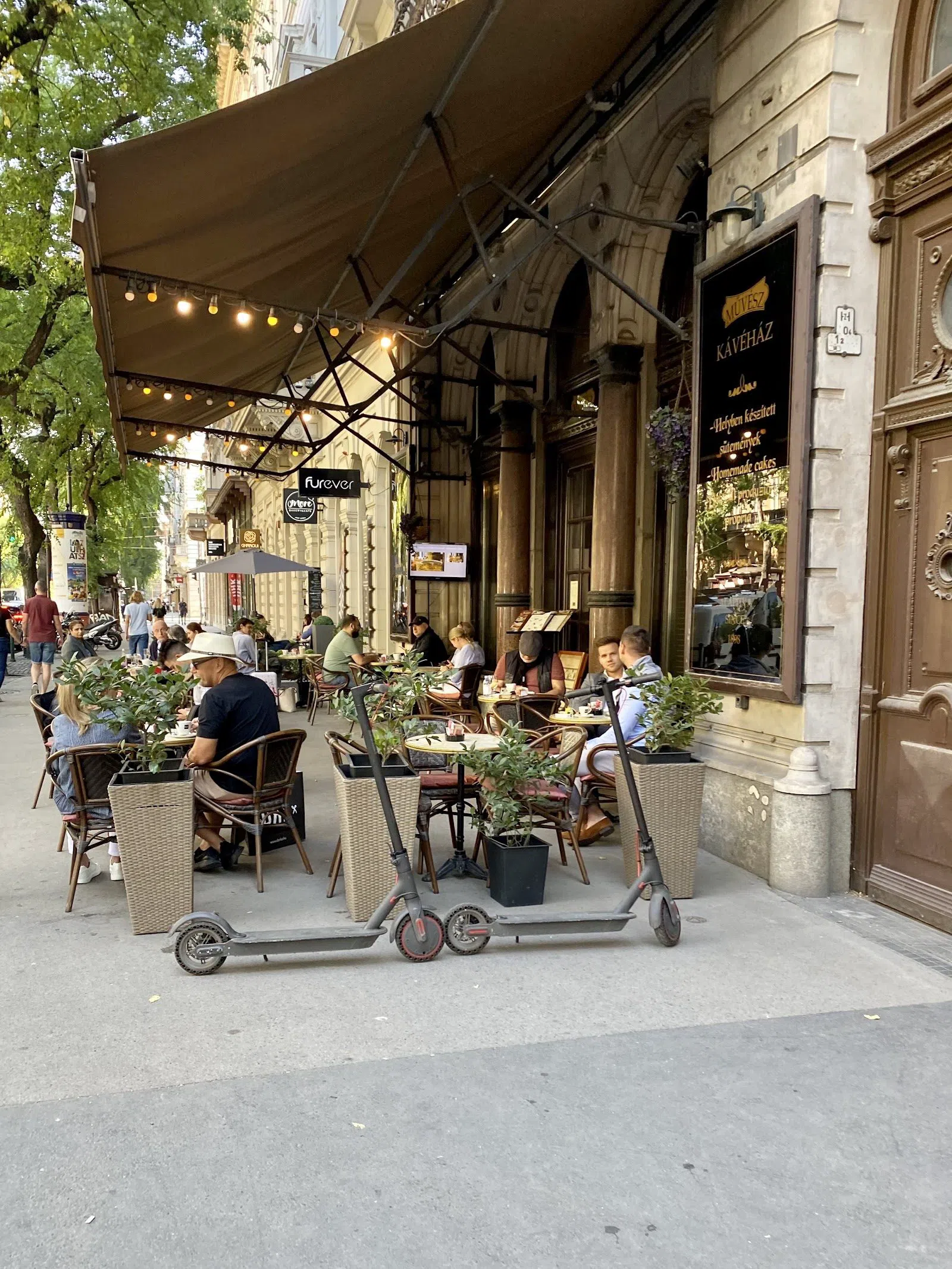
Művész Kávéház (Andrássy út, Terézváros, District VI) is the one to choose if you want the historic room without the theatre of getting in. It opens 09:00–20:00 daily, has an online booking system and a room used for book launches and readings, so it handles a sizeable group if you book ahead. Cake runs roughly 1,800–2,800 HUF and coffee stays under 2,000 HUF. Geographically it is the natural pause on Andrássy between the Opera House and the Heroes' Square end, which is exactly the walk you will be doing on a museum day.
Coffee Without the Chandeliers
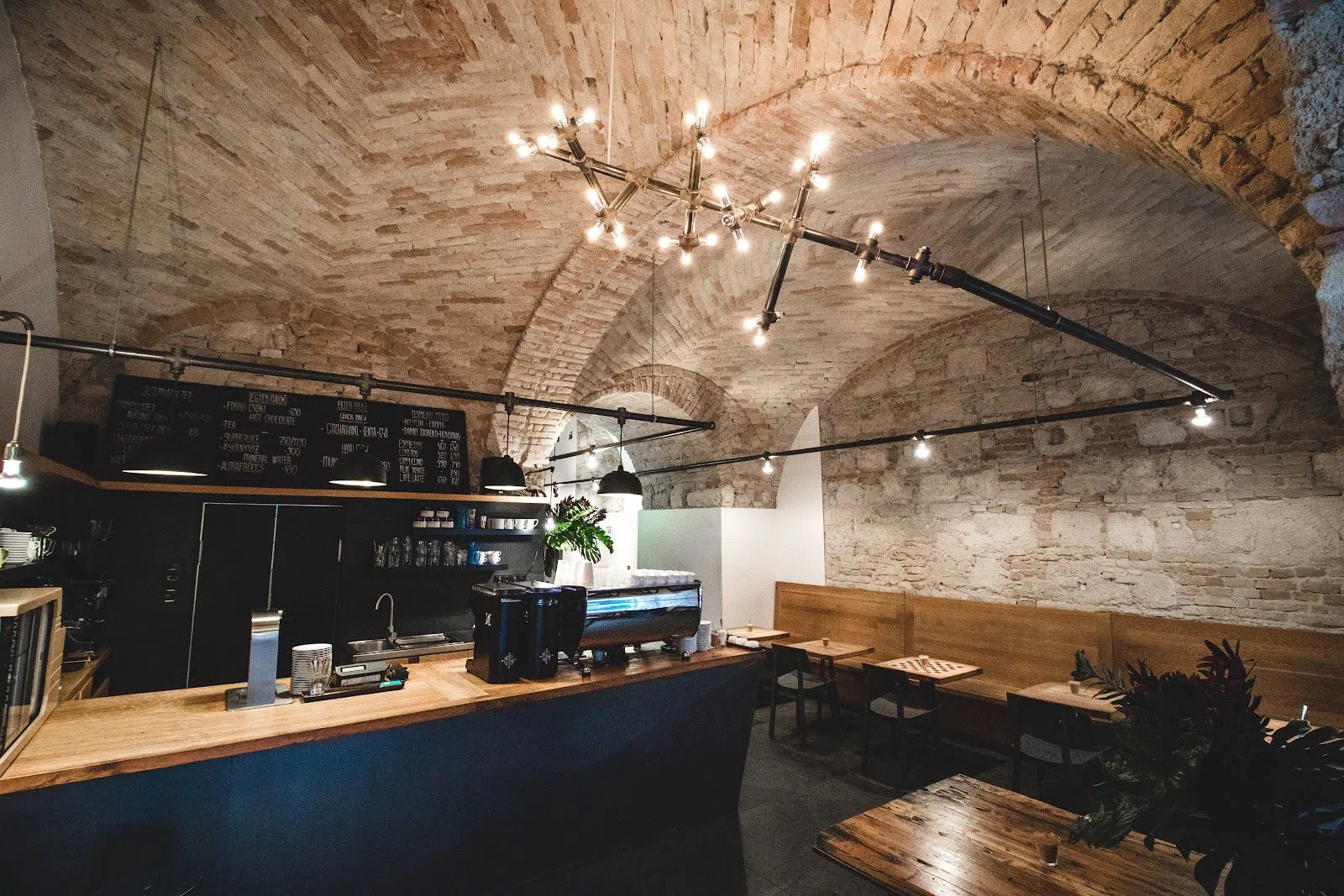
Two days of torte and gilt is enough for most people. Espresso Embassy (Lipótváros, District V) has been the city's benchmark specialty coffee bar since 2012 — counter service, a small room, no reservations, espresso and filter roughly 1,200–2,000 HUF. It is fine for two to four people and hopeless for a group of ten. It closes at 17:00, which makes it a morning fixture rather than an evening one, and its position a few minutes back from the river makes it the sensible start to the riverside walk described further down.
Three Museums in One Park
City Park holds enough indoor hours to cover an entire wet day, and the three buildings are within a few minutes of each other on foot. The M1 metro, the yellow line that has run under Andrássy since 1896, drops you at Hősök tere at the park end.
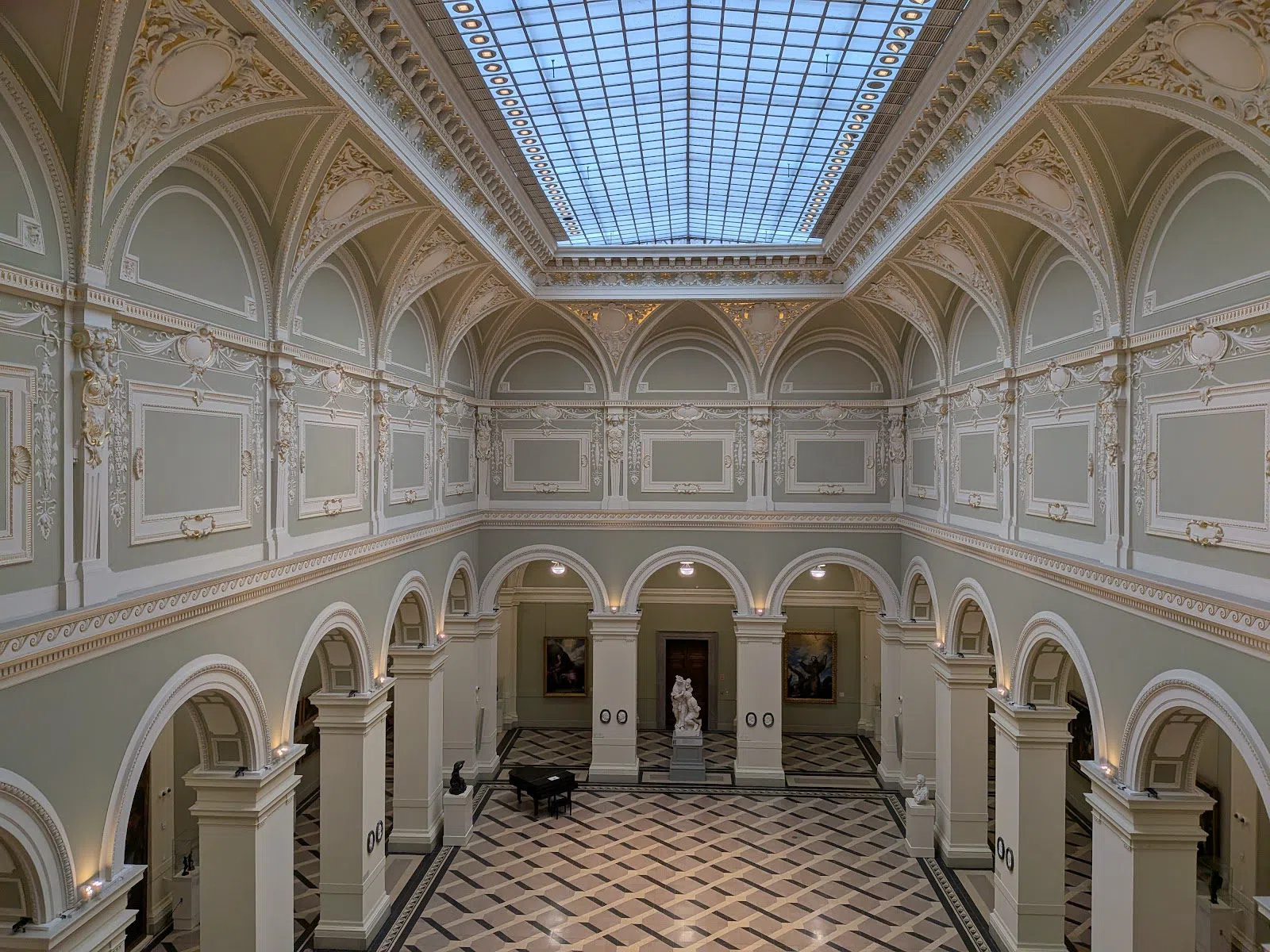
Museum of Fine Arts (Heroes' Square, District XIV) opens Tue–Sun 10:00–18:00, with the permanent collection roughly 4,000–6,000 HUF and temporary blockbusters priced separately. One Friday a month it runs extended evening hours under the 'Museum and Slow' programme, and 13 November is the November date — that is the one evening in the month when you can arrive at four o'clock without feeling hurried, and it is worth building an afternoon around. Guided tours and group slots are bookable in advance through the museum.
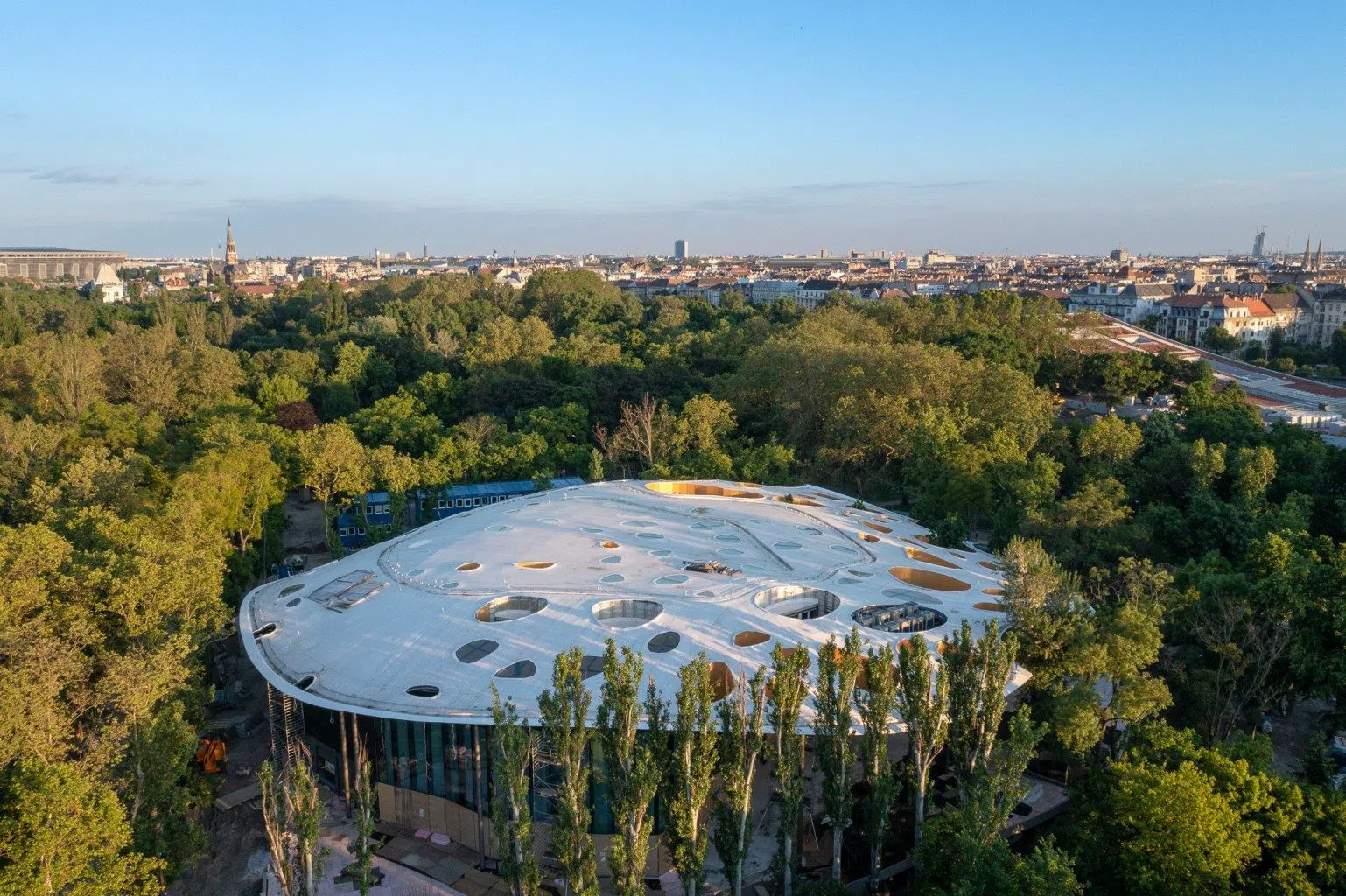
House of Music Hungary (Városliget, District XIV) is the best wet-weather building in the city. Entry is timed and ticketed at roughly 3,500–4,500 HUF for the exhibition, with concerts sold separately, and popular sessions do sell out, so book before you travel. Underground there is a headphone-guided sound exhibition; at park level there is a glass-walled café under a perforated canopy that justifies the ticket before you have seen anything. Groups are accommodated, but only with advance booking, given the timed slots.
Museum of Ethnography (City Park edge, District XIV) costs around 3,000–4,000 HUF and is closed on Mondays. Its rooftop is free to walk even without a ticket, which makes it a neat pairing of a short cold climb with a warm gallery afterwards. English tours run regularly, including a 25-minute weekend discovery tour and curator-led tours, and group bookings are available. The 'Rituals of Beauty' exhibition runs into January 2027.
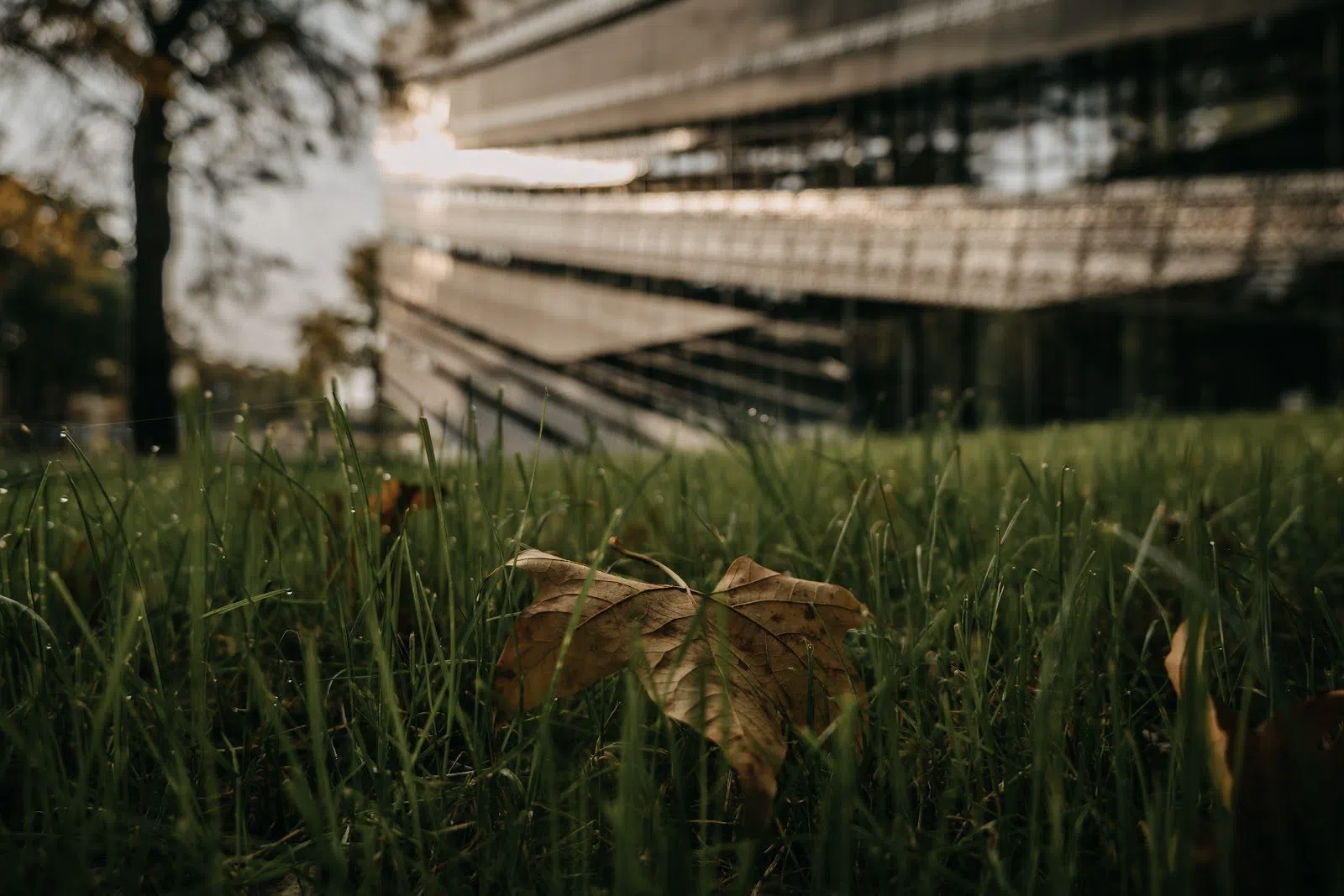
Castle Hill When It Rains
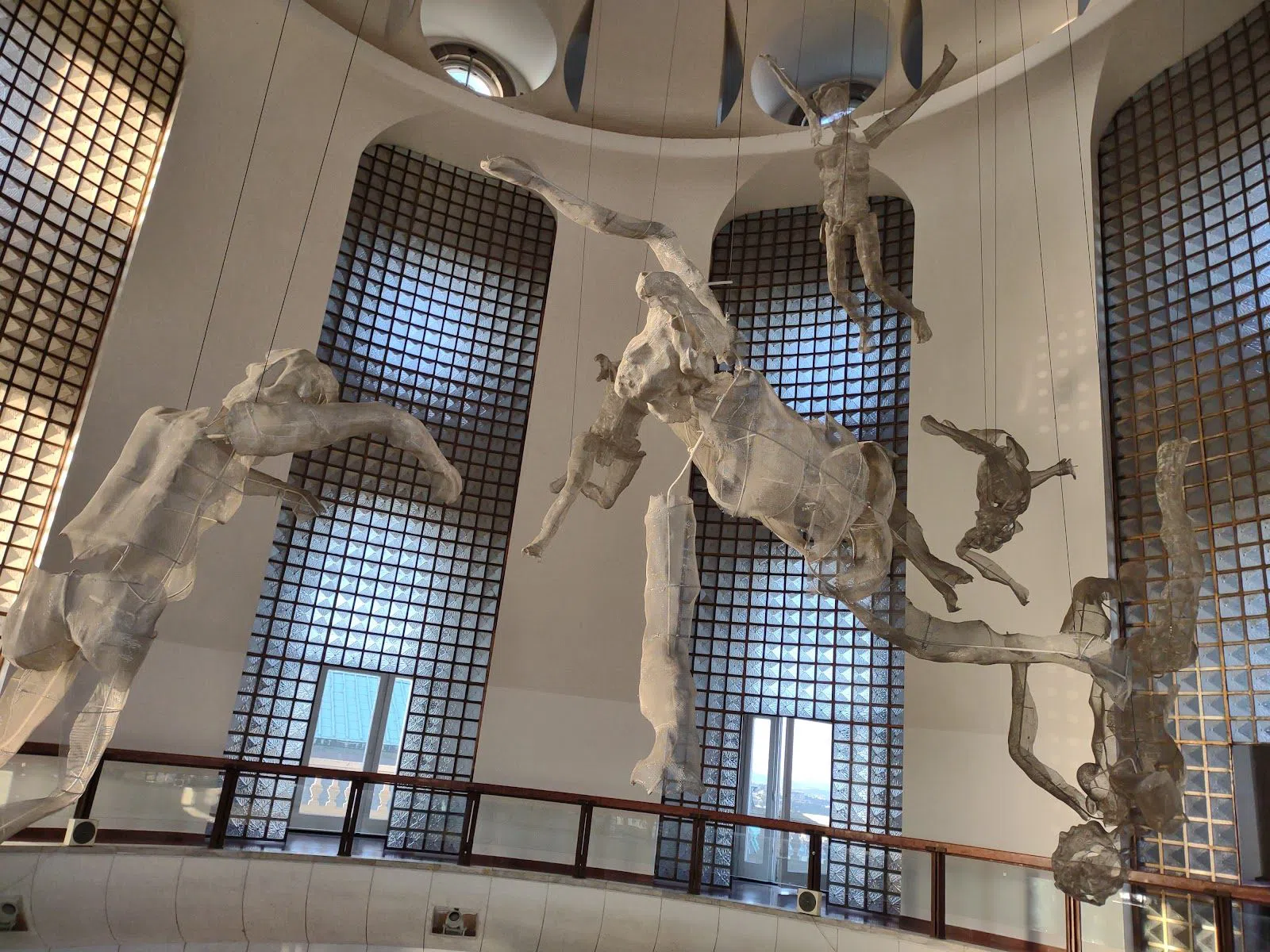
Hungarian National Gallery (Buda Castle, District I) had a long-planned move to a new City Park building, and that move was scrapped in June 2026 — so the collection stays where it is, in the castle. The permanent collection is around 4,000–5,000 HUF, English guided tours can be booked, and the building is large enough that a group never feels like an intrusion. Pair it with the walk down through the castle gardens to the river, which is the best way off the hill on a wet day and lands you close to the Pest-bound bridges.
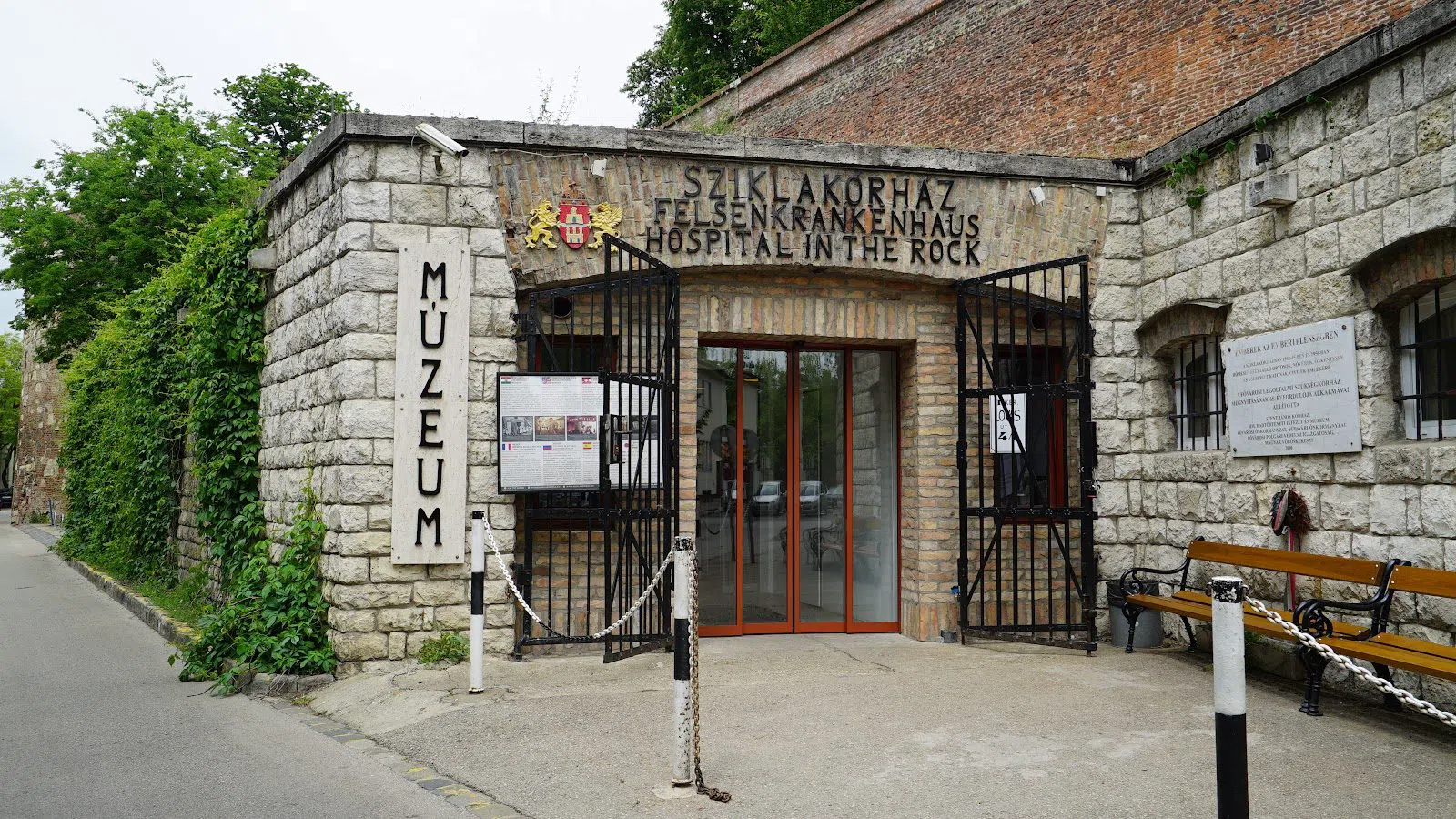
Hospital in the Rock Nuclear Bunker Museum (Castle Hill, District I) is the reliable back-up when the wind off the river wins. Entry is only on a 60-minute guided tour, at roughly 9,000–10,000 HUF including the tour, and the temperature underground is constant and cool regardless of what the sky is doing. There is dedicated group registration on the site and free audio guides in nine languages, so booked groups are handled well. It is not permitted for children under 6 and not recommended under 12 — the wartime and Cold War material is unsparing, and that is the point of it.
An Hour in a Photographer's House
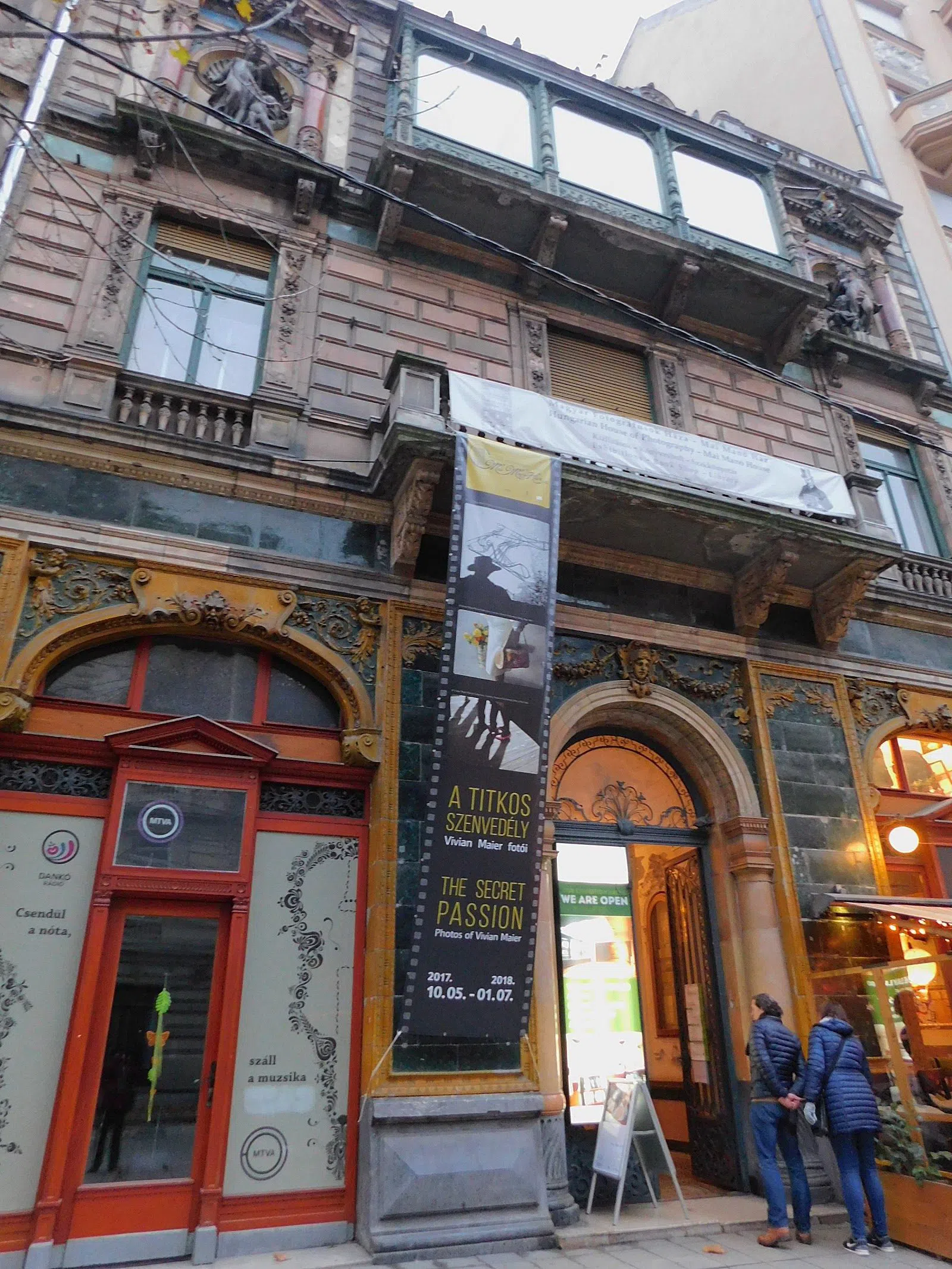
Mai Manó House (Nagymező utca, District VI) is the right size for a short November afternoon — roughly an hour, around 2,000–2,500 HUF, open Tue–Sun 12:00–19:00. The autumn 2026 programme includes Zola as a photographer and a rediscovery of Nora Dumas. It is a small historic house, comfortable for a handful of people and awkward for more, though guided tours and workshops run regularly, so ring ahead for anything larger. It sits a two-minute walk from Művész, which makes the pair a tidy plan for the dark end of the day.
The Walk Along the Water
Give this ninety minutes, and start it around noon so the light is still with you.
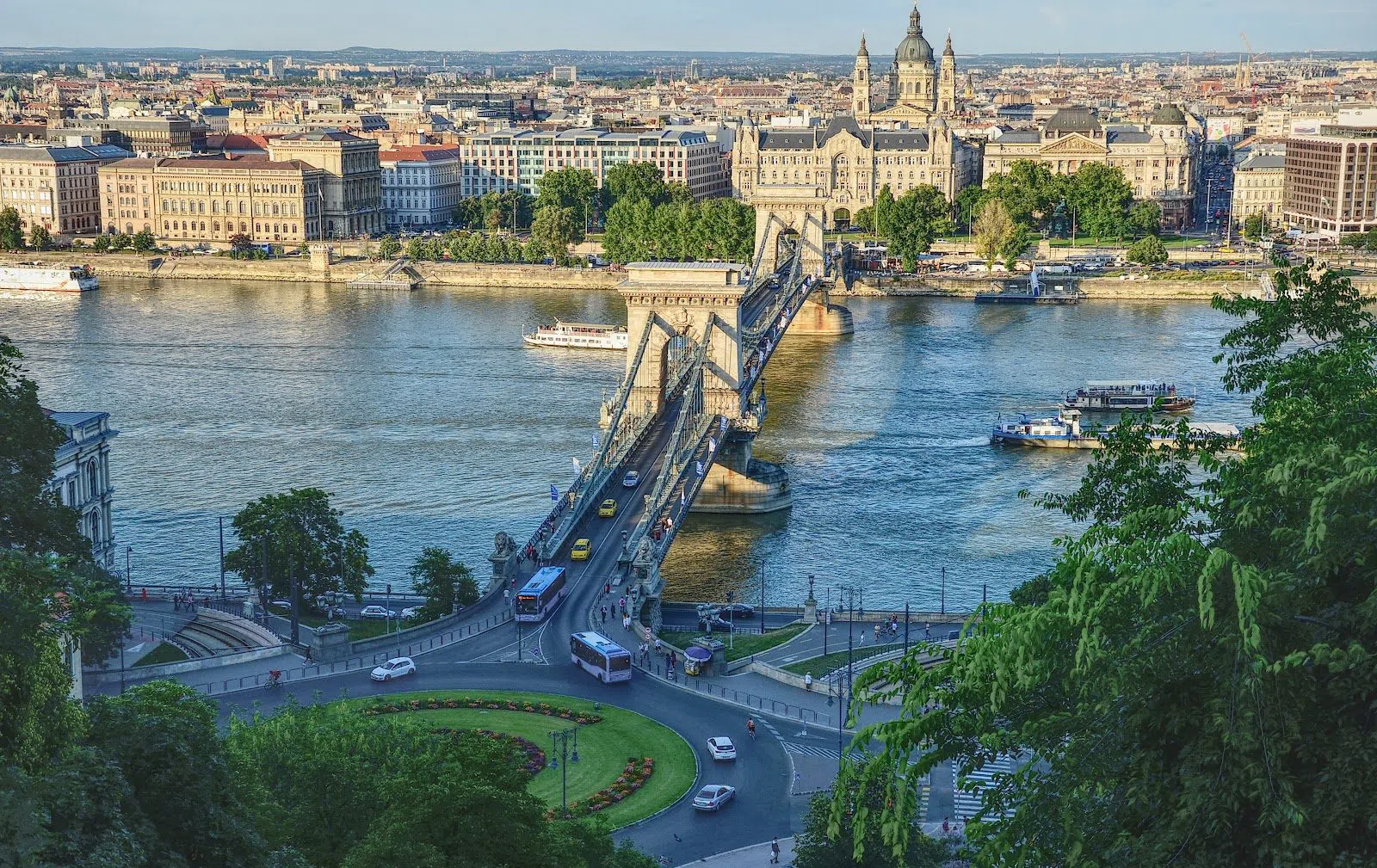
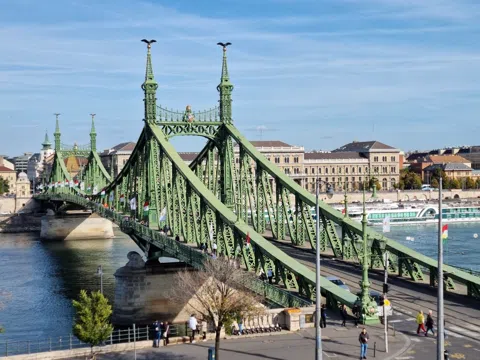
Széchenyi Chain Bridge (between Belváros and Clark Ádám tér) now carries only buses, taxis and bicycles since the restoration, so the widened walkways are genuinely quiet — ten to fifteen minutes across, and the floodlights come on by mid-afternoon in November. It is free, unrestricted and the standard meeting point for walking tours, which is worth knowing if you want to avoid the clusters at the Pest bridgehead.
About 300 metres north of that bridgehead, on the quay, is Shoes on the Danube Bank (District V riverside). Gyula Pauer and Can Togay's 2005 memorial marks the Hungarian Jews shot into the river in 1944–45. It is open air and always accessible, free, and it is the right reason to slow the walk down. Groups should keep the walkway clear and keep their voices low.

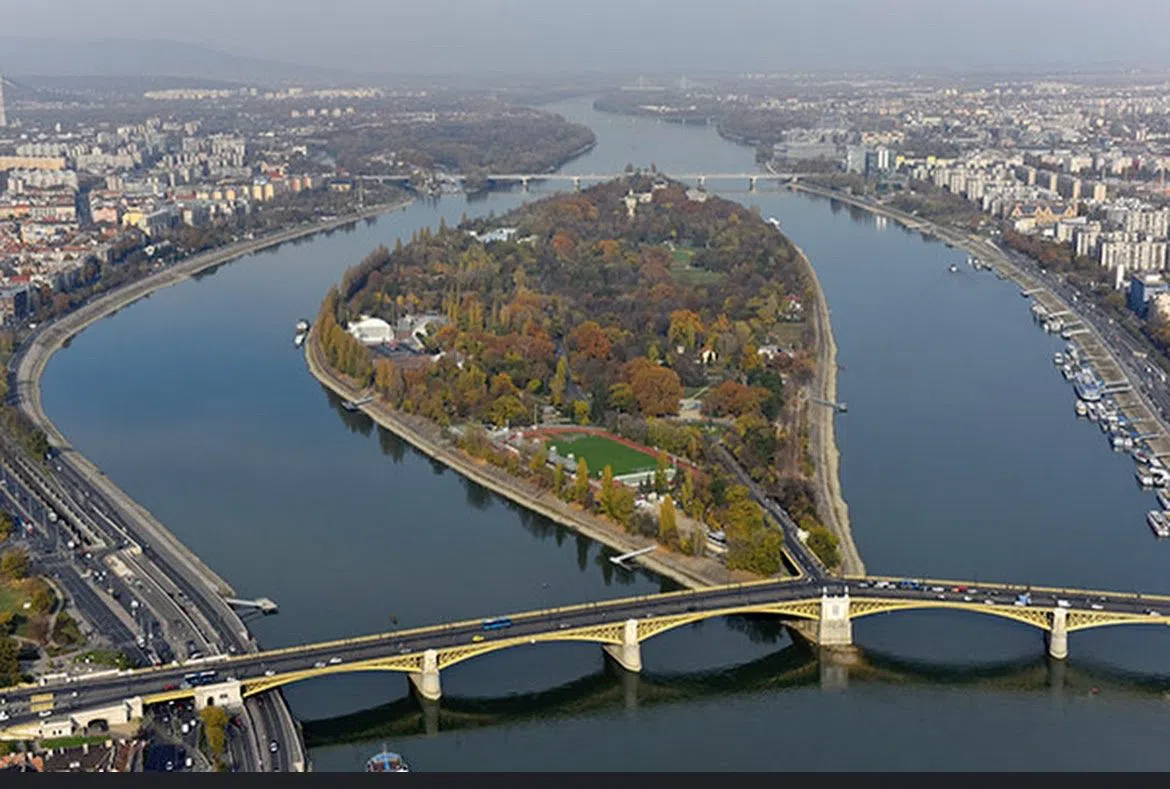
If you want distance rather than monuments, Margaret Island (in the river, reached from the Margaret Bridge end) gives a flat 45–60 minute loop with water on both sides, open around the clock and free. The musical fountain's season ends on 31 October, so in November it stands silent, and the island is emptier and better for it.
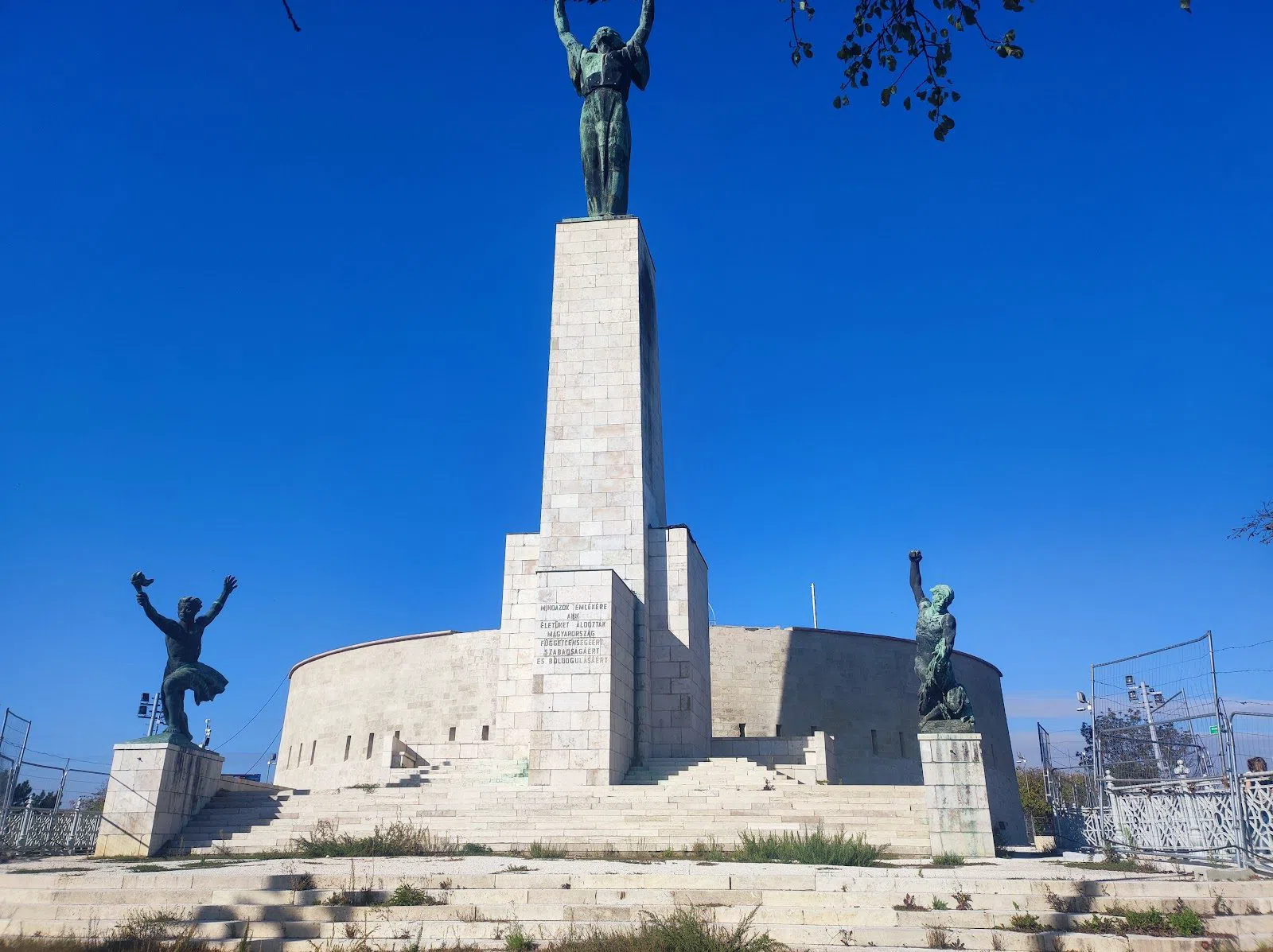
For the view, Citadella and Gellért Hill (District XI, Buda) reopened on 28 March 2026 after eleven years shut, now with lifts, cafés and proper accessible paths. The walled park and its terraces are free with no limit on numbers; the 'Bastion of Liberty' exhibition in the western rondella is ticketed separately. This is the single best cold-weather view in the city, with the river running black and the bridges lit below. If it has been raining, take the switchback path rather than the steps.
Finishing in Hot Water
Come down the Buda side and you arrive at Rudas Bath (Döbrentei tér, at the foot of Gellért Hill), which is the correct end to a cold riverside walk. The wellness wing and the rooftop pool are mixed and swimsuit-only. The historic Turkish section is single-sex on most weekdays, mixed on Thursday afternoon, from late morning on Friday and all weekend, so check the schedule the day before if you are bringing a mixed group. Weekday all-zone entry is around 12,000 HUF.
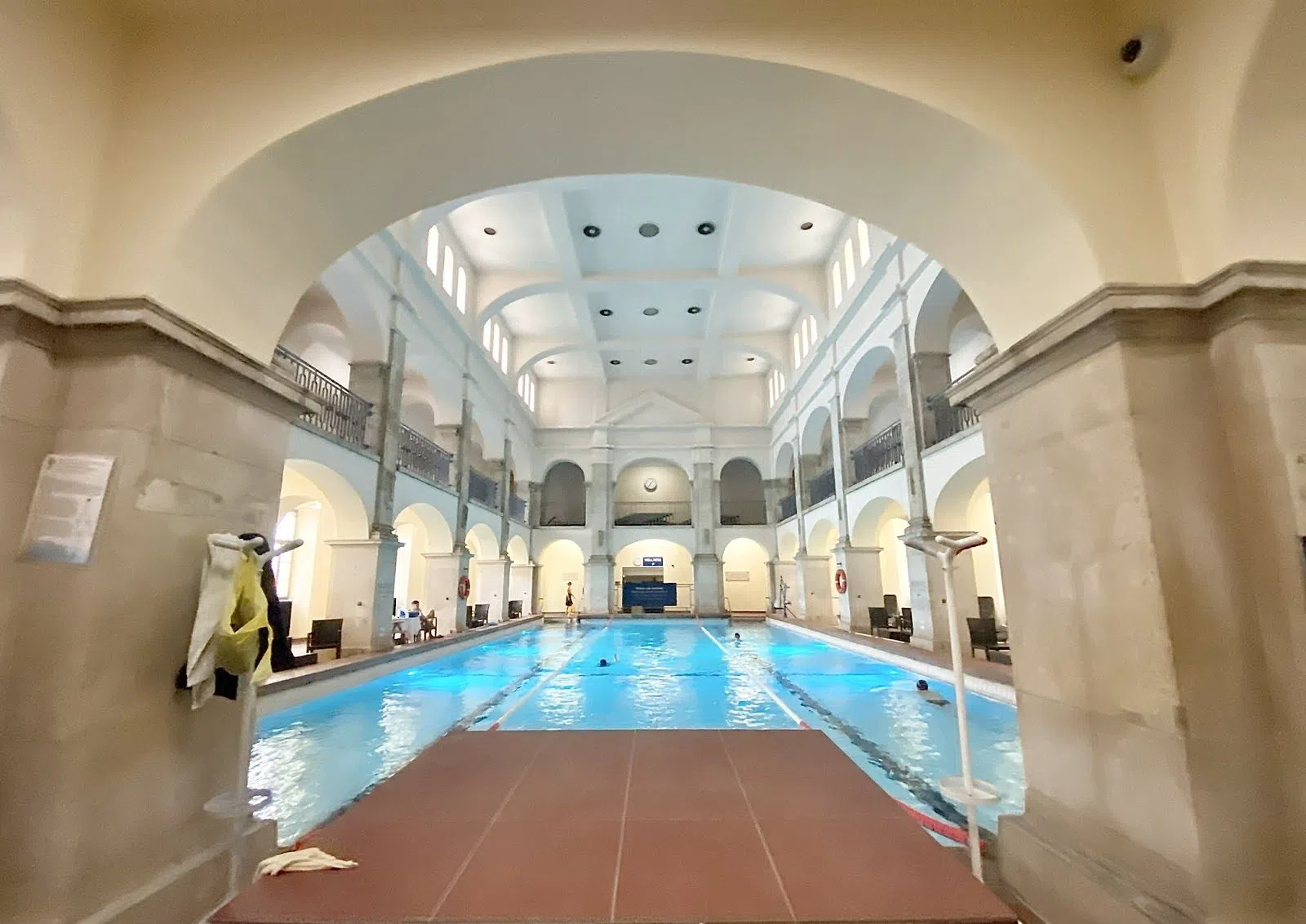
One substitution worth knowing: Gellért Baths closed on 1 October 2025 for a renovation running to 2028, so if that was on your list, Rudas is now the closest thing to it still standing. Book the rooftop slot online where you can — it is small, and on a clear November evening it fills.
Where to Base Yourself
For a November trip, walking distance matters more than usual, because a fifteen-minute walk in that wind is a different proposition to the same walk in June. Belváros in District V puts the river, the Chain Bridge and Central Grand Café within a few minutes on foot; District VI along Andrássy suits anyone building days around Művész, Mai Manó and the M1 out to the park. Compare rates and locations with a Budapest hotel search, and read the wider Budapest guide for districts, arrival routes and what changes in other seasons.
Practical Notes
Transport. The BKK network — metro, trams and buses — covers everything above, and trams 2 and 4/6 are useful enough to count as sightseeing. Buy through the Budapest GO app rather than hunting for machines; a single ticket runs a few hundred forint and short-duration travelcards are the better value from day two onward. Validate before you board on trams and buses. The M1 line has short, shallow platforms and frequent stops along Andrássy, which makes it the fastest way between the café district and City Park.
Cash. Hungary uses the forint, not the euro, and cards are accepted almost everywhere in the places listed here. Withdraw from bank ATMs rather than the standalone kiosks in tourist streets, and always decline the machine's offer to convert to your own currency — the rate it gives you is worse than your bank's. Keep a few thousand forint in notes for cloakrooms and small counters.
Timing. Build days as one outdoor block before three o'clock and one indoor block after. Book House of Music and any bath slot before you arrive; book Central, Művész or Gerbeaud if you are more than four people; accept that New York Café means queueing unless you go early or late. Museums close at or before 18:00 with the single exception of the 13 November evening at the Museum of Fine Arts.
Budget. A reasonable day for two runs roughly like this: specialty coffee around 3,000 HUF for the pair, one museum at 7,000–10,000 HUF for two, a grand café stop at 5,000–12,000 HUF depending on which room you choose, and the bath at around 24,000 HUF if you both go. Transport is a rounding error. Tipping is customary at around ten per cent in cafés and restaurants — check the bill first, as service is sometimes already included.
Before you go
How cold is Budapest in November, and how much daylight do you get?
Expect roughly 3 to 10°C, and wind along the river makes it feel colder on the bridges and on Gellért Hill. Mid-month gives about eight and a half hours of daylight, with sunset close to a quarter past four, so keep outdoor walking to the middle of the day; museums close at or before 18:00.
Do I need a reservation for New York Café?
Before 18:00 you cannot book at all. It is walk-in, first come first served, and a queue forms. Online reservations exist only for dinner after 18:00 and are capped at ten people; larger parties go through the events team. Arriving before 10:00 or after 20:00 is the reliable way in.
Is Gellért Baths open in 2026?
No. Gellért Baths closed on 1 October 2025 for a renovation running to 2028. The nearest equivalent still open is Rudas Bath, at the foot of Gellért Hill, around 12,000 HUF for weekday all-zone entry, though its historic Turkish section is single-sex on most weekdays.
What can I do in Budapest on a wet November day?
City Park carries a full day indoors: House of Music Hungary, the Museum of Fine Arts and the Museum of Ethnography sit within a few minutes of each other. On the Buda side, the Hungarian National Gallery in the castle and the Hospital in the Rock guided tour are both entirely weatherproof.
Are the Christmas markets open in November?
The Advent market goes up on Vörösmarty tér in the second half of November, directly outside Café Gerbeaud. Early November is the quieter half of the month; if you want the market, plan for the back end of it and expect the square and the café to be busy in the late afternoon.