
Budapest
Budapest is a city defined by its topography and the wide, gray ribbon of the Danube that slices it in two.
Guests & rooms
The Budapest guide
An insider’s read on Budapest
BBudapest is a city defined by its topography and the wide, gray ribbon of the Danube that slices it in two.
The city's character is deeply shaped by its late 19th-century golden age, when the unification of Buda, Pest, and Óbuda in 1873 triggered an architectural boom that rivaled any imperial capital. This grandeur is layered over centuries of Ottoman occupation, which left behind a living thermal bath culture, and decades of 20th-century totalitarian rule. Today, Budapest does not hide its scars. Bullet holes from the 1956 revolution still pockmark neo-Renaissance facades, and the famous ruin bars have turned crumbling, abandoned tenements into hubs of contemporary nightlife. The local mood is often described as a mix of sharp wit and romantic melancholy, reflected in a creative scene that thrives on repurposing old spaces.

PLATE IBudapest, Hungary

Guides & ideas
The Budapest reading list
Hand-written guides from our editors — itineraries, the best of after dark, where to eat, and what’s genuinely worth your time.
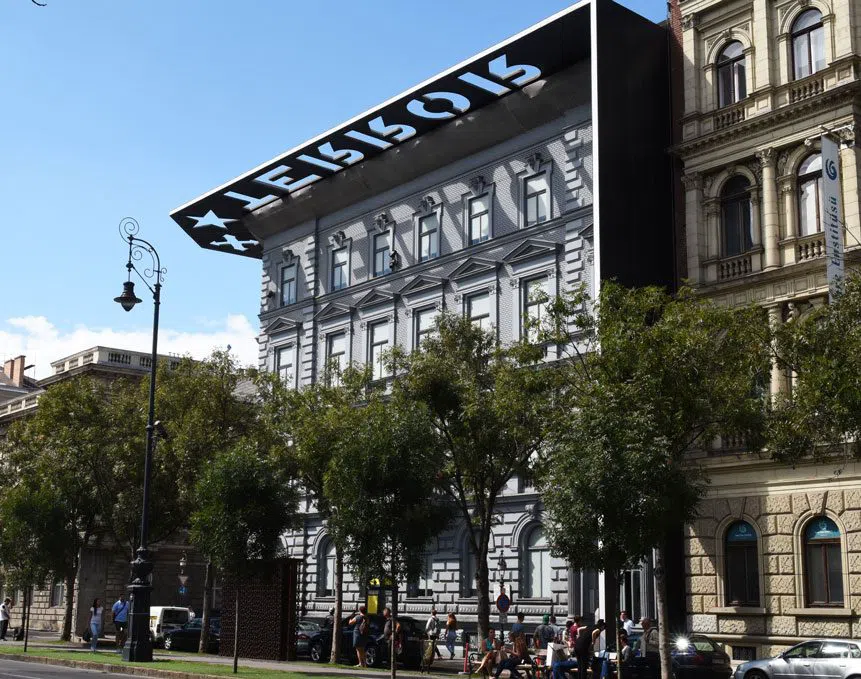
The Tank in the Atrium at Budapest's House of Terror
The House of Terror sells tickets at the door only, and the slowest lift in the city takes you down to the cellar. A plain account of what it asks of a visitor.
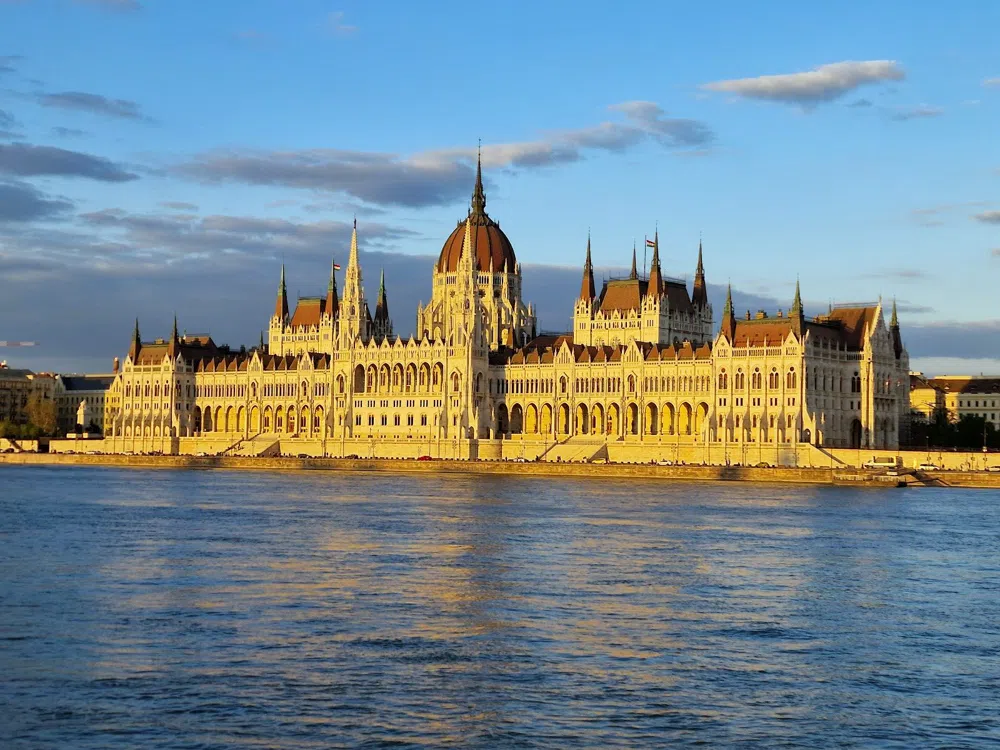
Inside Budapest's Parliament on a Timed Tour
Entry to the Országház runs 45 minutes, one fixed group, no free wandering. How to book a slot, what the route actually covers, and how to fill the hours either side.

What's Open on Budapest's Margaret Island After the Pools Close
The wave pool drains in September and the island turns into the version Budapesters actually use: steaming outdoor lanes, a fogged Japanese garden, ruins in the rain and a running loop that never shuts.
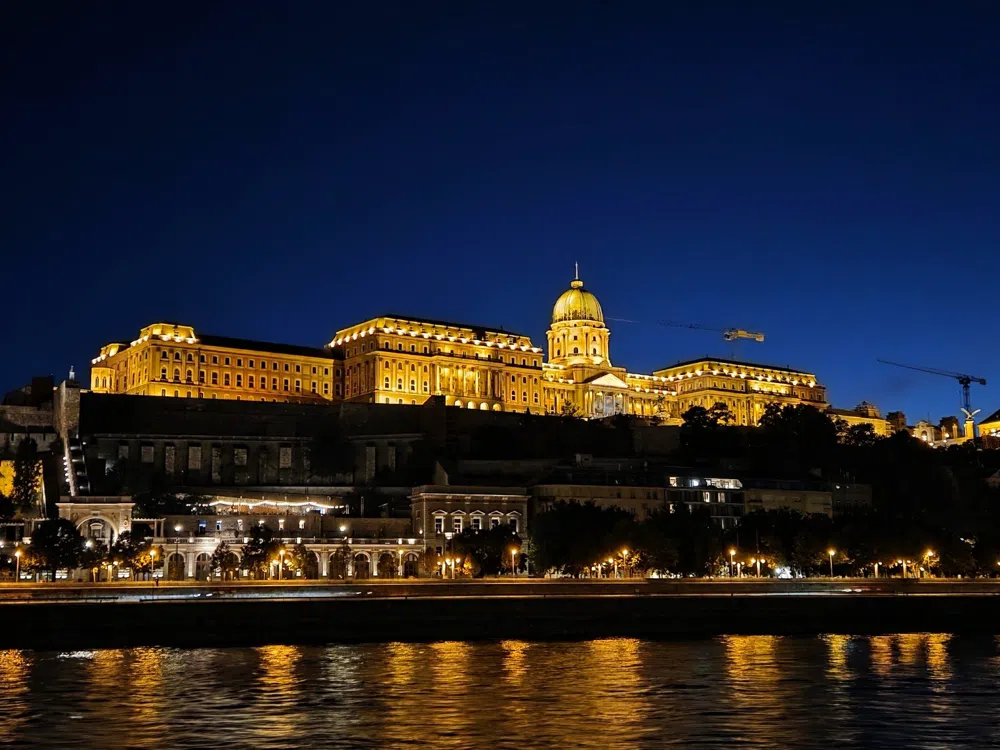
Night Boats and Moored Bars on Budapest's Danube
A priced-up plan for the Danube after dark: the one-hour sightseeing loop, paddle-steamer dinners, jazz in a ship's hull, and a free seat under the Chain Bridge.
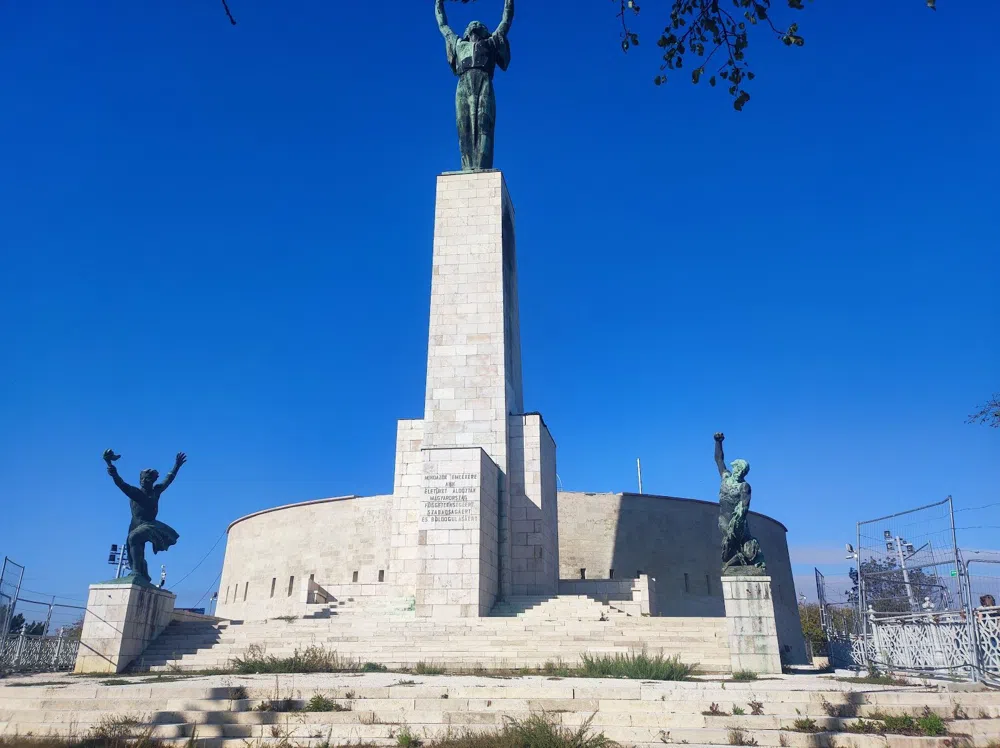
Budapest From Above Without the Fisherman's Bastion Queue
Fourteen places in Budapest that give you the river, the grid and the hills. Prices, stairs, door policies and the 2026 closures are all spelled out.
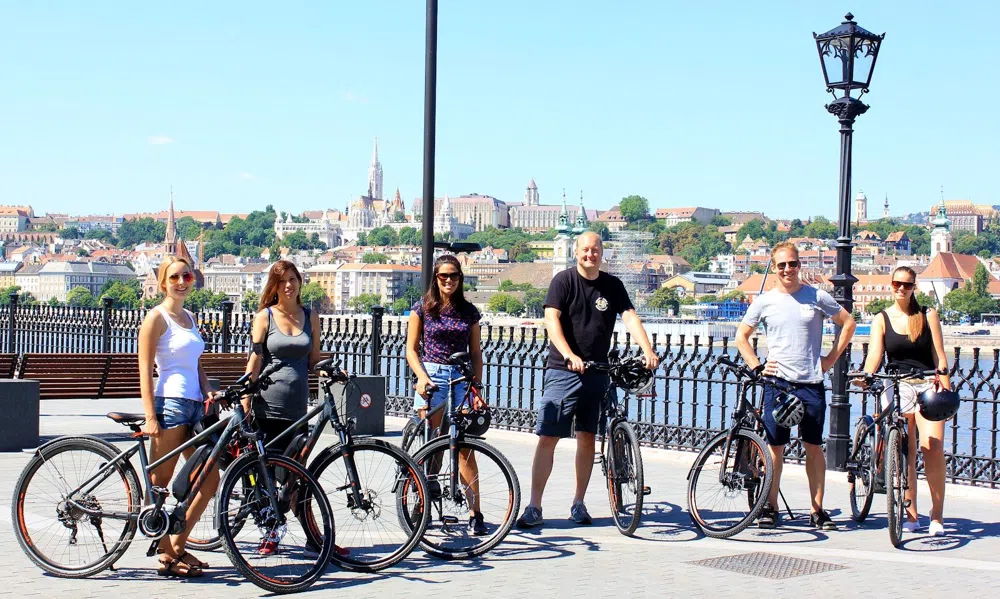
Cycling Budapest from the Danube Quays to the Buda Hills
Where to ride in Budapest, what a bike costs, and which riverside kitchens are open when you get there.
Where to base yourself
The neighborhoods
01
Várkerület (District I - Castle District)
For Travelers seeking quiet evenings, historic architecture, and panoramic views. The trade-off is a steep climb from the river and a lack of late-night dining options.
Cobbled streets, medieval residential houses, and quiet, lantern-lit alleys that feel far removed from the modern city below.
Where to stay — Look for boutique hotels housed in restored historic buildings near the Vienna Gate.
02
Belváros-Lipótváros (District V)
For First-time visitors who want to be within walking distance of major landmarks. The trade-off is high prices, crowded sidewalks, and highly touristy restaurants.
The civic and commercial heart of Pest, dominated by grand 19th-century administrative buildings, high-end shopping streets, and manicured squares.
Where to stay — Luxury international hotels along the Danube Promenade or near Szabadság tér.
03
Terézváros (District VI)
For Culture enthusiasts who want easy access to the Opera and classical music venues. It is central but quieter than the adjacent nightlife district.
A neighborhood of contrasts, featuring the grand, tree-lined Andrássy Avenue lined with embassies and luxury boutiques, transitioning into narrower streets filled with theaters and cafes.
Where to stay — Upscale apartments or boutique hotels in the residential blocks off Andrássy Avenue.
04
Erzsébetváros (District VII)
For Nightlife seekers and younger travelers. The trade-off is constant noise, crowded streets on weekends, and grit.
The historic Jewish Quarter, now a dense, high-energy maze of narrow streets, synagogues, kosher bakeries, and the city's highest concentration of ruin bars.
Where to stay — Serviced apartments or social hostels located away from the main party arteries of Kazinczy and Király streets.
05
Józsefváros (District VIII - Palace Quarter)
For Independent travelers looking for an authentic local vibe, independent art spaces, and lower prices.
An area undergoing rapid gentrification, where grand, crumbling 19th-century aristocratic palaces stand alongside student-filled cafes and gritty residential blocks.
Where to stay — Boutique hotels near Mikszáth Kálmán tér or the National Museum.
06
Újlipótváros (District XIII)
For Families and slow travelers who want to experience daily local life away from the tourist crowds.
A calm, residential neighborhood characterized by early 20th-century Bauhaus and Art Deco apartment blocks, local specialty coffee shops, and family-run bakeries.
Where to stay — Mid-range apartments near Szent István Park or Pozsonyi út.
Book direct
Book a hotel in Budapest
Loading live availability and real-time prices…
Where to eat
Dining
The Big Fish
€€€District VI
A fish-market-style bistro where you select fresh seafood from an ice counter to be grilled or fried to order.
Signature — Grilled octopus with garlic and olive oil
Arany Kaviár
€€€€District I
A fine-dining institution near the castle that has spent decades perfecting the preparation of sturgeon and caviar.
Signature — Siberian sturgeon caviar served with traditional blinis
Prime Steak & Wine
€€€€District V
An elegant, dark-wood dining room serving USDA Prime and Omaha beef alongside an extensive list of Hungarian red wines.
Signature — Dry-aged ribeye cooked on a charcoal grill
Pampas Steakhouse
€€€District V
Offers an extensive selection of beef from various countries, allowing diners to compare Wagyu, Angus, and local Hungarian breeds.
Signature — Argentinian tenderloin with green peppercorn sauce
Gettó Gulyás
€€District VII
It focuses on the art of the 'pörkölt' (thick, slow-cooked meat stews) in a simple, wood-paneled dining room.
Signature — Venison stew with red wine and juniper berries
Stand25 Bisztró
€€€District I
A modern bistro run by Michelin-starred chefs that elevates simple, rustic Hungarian classics without losing their soul.
Signature — Goulash soup with hand-pinched noodles
Rosenstein Vendéglő
€€€District VIII
A legendary family-run restaurant near Keleti station serving a unique blend of traditional Hungarian and Jewish-diaspora dishes.
Signature — Roasted duck breast with cabbage-stuffed pasta
Stand
€€€€District VI
A sleek, glass-walled kitchen where chefs prepare highly refined, Michelin-starred interpretations of Hungarian heritage dishes.
Signature — Deconstructed Somlói Galuska dessert
Salt Budapest
€€€€District V
An intimate restaurant focusing on wild, foraged ingredients, fermentation, and traditional preservation techniques from the Szatmár region.
Signature — Freshly baked sourdough bread served with whipped Mangalica lard
Babel Budapest
€€€€District V
An artistic dining room offering a tasting menu inspired by Transylvanian traditions and wild mountain herbs.
Signature — Egg lichen dish with local mushrooms
Bors GasztroBár
€District VII
A tiny, high-energy counter-service spot known for its wildly creative daily soups and grilled baguettes.
Signature — Brain-freeze sweet strawberry soup or savory French onion soup
Retro Lángos Budapest
€District V
A central spot serving the classic Hungarian street food of deep-fried yeast dough made fresh to order.
Signature — Lángos topped with garlic oil, sour cream, and grated cheese
Frici Papa Kifőzdéje
€District VI
A retro, no-frills canteen serving simple, home-style Hungarian dishes at exceptionally low prices.
Signature — Chicken paprikash with nokedli dumplings
Napfényes Restaurant
€€District V
A spacious, fully vegan restaurant that specializes in plant-based versions of heavy, traditional Hungarian dishes.
Signature — Vegan stuffed cabbage with plant-based sour cream
Mazel Tov
€€District VII
A stylish, plant-filled courtyard in a ruin-style building serving fresh Middle Eastern plates with excellent vegetarian options.
Signature — Sabich plate with roasted eggplant, tahini, and soft-boiled egg
After dark
Nightlife
A38 Ship
District XI
A repurposed Ukrainian stone-carrier ship permanently moored on the Danube, hosting international electronic acts and live bands.
Instant-Fogas Complex
District VII
A massive, labyrinthine merger of several ruin bars and clubs, featuring multiple dance floors playing different genres under one roof.
Toldi Klub
District V
An art-house cinema lobby by day that transforms into an intimate electronic music club by night.
Boutiq' Bar
District VI
A pioneer of the city's modern cocktail movement, serving complex, bespoke drinks in a dim, red-lit speakeasy setting.
Leo Rooftop
District I
Located at the foot of the Chain Bridge on the Buda side, offering eye-level views of the castle and the river.
360 Bar
District VI
A rooftop bar on Andrássy Avenue offering panoramic views of the city, featuring heated igloos during the winter months.
Budapest Jazz Club
District XIII
A dedicated jazz venue with excellent acoustics, hosting both local Hungarian virtuosos and international touring acts.
Dürer Kert
District XI
An alternative cultural venue that relocated to the Danube bank, hosting indie, rock, and metal bands in a spacious garden.
Fonó Budai Zeneház
District XI
A cultural center dedicated to preserving and performing authentic Hungarian and Eastern European folk music.
Art & history
Culture
House of Terror
District VI
Housed in the former headquarters of both the Nazi and Soviet secret police, it documents the tragic history of Hungary's fascist and communist regimes.
Hungarian National Museum
District VIII
A grand neoclassical building housing the country's most important historical artifacts, from the Roman era to the fall of communism.
Memento Park
District XXII
An open-air museum located on the city outskirts, where monumental statues of Lenin, Marx, and Soviet soldiers were relocated after the fall of communism.
Hungarian Parliament Building
District V
A massive Gothic Revival masterpiece on the banks of the Danube, featuring a symmetrical facade and a central dome.
St. Stephen's Basilica
District V
The co-cathedral of the archdiocese, housing the mummified right hand of Hungary's first king, St. Stephen.
Fisherman's Bastion
District I
A neo-Romanesque terrace featuring seven stone towers representing the seven Magyar tribes that founded the country.
Hungarian National Gallery
District I
Located inside Buda Castle, it houses the most comprehensive collection of Hungarian fine art from the Middle Ages to the present.
Mai Manó House
District VI
A beautifully preserved 19th-century photographer's studio that now hosts rotating exhibitions of classic and contemporary photography.
Robert Capa Contemporary Photography Center
District VI
Dedicated to the legacy of the Budapest-born photojournalist Robert Capa, showcasing documentary photography.
Book ahead
Top-rated experiences in Budapest

3 Hours Budapest Segway Grand City Tour Buda, Margaret and Pest
from $100

1 Hour Budapest Segway Tour - Parliament Hightails
from $46

Private Sightseeing Tour using Electric Tuk Tuk Ride in Budapest
from $100

Shooting Experience HOLLYWOOD Package in Budapest
from $181

Budapest private sightseeing with Nelli & her local guides
from $470

Hungarian Strudel Making Class: Stretch & Fill Two Ways
from $93

Budapest: Best City Highlights Segway Tour with Local Guide
from $46

Explore Hungary's great wines in an intimate, casual tasting
from $72
Prices from Viator; we may earn a commission when you book — at no extra cost to you. Tours are sold and operated by Viator, the merchant of record. Ratings are collected by Viator and Tripadvisor.
Timing
When to visit
Spring
April and May bring mild temperatures and outdoor café seating. The Budapest Spring Festival fills historic venues with classical music and theater.
Summer
June to August is hot and dry, with temperatures often exceeding 30 degrees Celsius. The city empties of locals but fills with festival-goers for Sziget, making the thermal baths crowded.
Autumn
September and October feature crisp, sunny days and the annual wine harvest festivals. The surrounding hills turn deep shades of amber and red.
Winter
November to February is cold and damp, but the contrast of freezing air and steaming thermal waters at Széchenyi or Gellért is at its most dramatic.
What it costs
Budgeting
Logistics
Getting around
From the airport
The 100E Express bus runs directly from Budapest Airport to Deák Ferenc tér in the city center every 7 to 10 minutes. Alternatively, Főtaxi is the only official taxi partner authorized to operate from the airport ranks, offering regulated, metered fares.
Public transit
The network is comprehensive, consisting of four metro lines, extensive tram routes, and buses. Tram 2 runs along the Pest embankment, offering a scenic route past the Parliament building for the price of a standard ticket.
Passes & tickets
A 72-hour travelcard is highly cost-effective, offering unlimited travel on all public transit within the city limits. Avoid the tourist-oriented Budapest Card unless you plan to visit a high volume of state-run museums that offer free entry with it.
On foot
Pest is flat and highly walkable, with major sights concentrated within a few kilometers of the river. Buda requires navigating steep inclines, public staircases, or utilizing the historic Castle Hill Funicular.
Travel smart
Safety & etiquette
Local etiquette
- •Never clink beer glasses when making a toast; this stems from a historical protest against Austrian generals who celebrated the execution of Hungarian martyrs in 1849.
- •Always tip between 10% and 15% in restaurants unless a service charge is already added to the bill; check the receipt carefully.
- •Keep your voice down on public transit; locals value quiet commutes and loud talking is considered impolite.
From the ground
Practical tips
1
Look for 'Napi Menü' (daily lunch menus) at local bistros between 12:00 and 14:00 for high-quality, two-course meals at a fraction of the dinner price.
2
Avoid the restaurants on Váci utca; they are notorious tourist traps serving low-quality food at inflated prices.
3
Book your thermal bath tickets online in advance, especially for weekend visits, to avoid waiting in long entry queues.
4
When paying by card, always choose to be billed in the local currency (HUF) rather than your home currency to avoid poor bank conversion rates.
5
Visit the ruin bars in the late afternoon or early evening to appreciate the quirky design and art before they get overcrowded and loud.
6
Always carry a physical ID card or passport, as Hungarian law requires foreigners to be able to prove their identity at all times.
Budapest FAQs
Do I need to carry Hungarian Forints (HUF)?
Yes, while credit cards are widely accepted in most shops and restaurants, you will need cash for public toilets, small market stalls, and some traditional thermal bath lockers.
Can I drink the tap water in Budapest?
Yes, the tap water throughout the city is clean, safe, and of high quality, sourced from natural bank-filtered wells along the Danube.
Which thermal bath is the best to visit?
Széchenyi is best for grand, outdoor neo-Baroque pools; Gellért is best for quiet Art Nouveau architecture; and Rudas is best for an authentic Ottoman-era experience.
How do I avoid getting scammed by taxis?
Never get into an unmarked taxi or hail one directly on the street. Always use the Bolt ride-hailing app or order a licensed cab via phone from Főtaxi.
Is the Budapest Card worth buying?
Only if you plan to visit multiple state-run museums and use public transit constantly. For most travelers, a standard 72-hour transit pass is a much cheaper option.